

Dog anxiety affects millions of pets, manifesting in behaviors like excessive barking, destructive chewing, or trembling during stressful events. Effective management combines veterinary-prescribed medications, behavioral interventions, and lifestyle adjustments to improve quality of life.
Recognizing the Signs of Anxiety in Dogs
Anxiety in dogs often stems from separation, noise phobias, or unfamiliar environments. Common indicators include pacing, whining, drooling, or attempts to escape. Separation anxiety, a frequent issue, occurs when dogs are left alone, leading to vocalization or house soiling.
Other forms include generalized anxiety, where dogs seem perpetually on edge, or situational anxiety triggered by thunderstorms or fireworks. Early detection allows for timely intervention, preventing escalation into chronic stress.
Understanding the Root Causes
Factors contributing to canine anxiety range from genetic predispositions to past traumas like abandonment. Changes in routine, such as moving homes or losing a companion animal, can exacerbate symptoms. Breeds like German Shepherds or Labrador Retrievers may be more prone due to their working backgrounds.
- Genetic influences: Some dogs inherit heightened sensitivity to stress.
- Environmental triggers: Loud noises, travel, or vet visits provoke acute reactions.
- Life events: Rehoming or family changes disrupt security.
Pharmacological Options for Calming Dogs
Veterinarians prescribe medications based on anxiety type and severity. These target brain chemicals like serotonin to promote relaxation. Always consult a vet for dosing, as effects vary by dog size, age, and health.
Selective Serotonin Reuptake Inhibitors (SSRIs)
SSRIs like fluoxetine (Reconcile or Prozac) are FDA-approved for separation anxiety. They elevate serotonin levels, reducing fear and compulsive actions over 4-6 weeks.
| Medication | Primary Use | Onset Time | Notes |
|---|---|---|---|
| Fluoxetine | Separation anxiety, aggression | 4-6 weeks | FDA-approved; pairs well with training |
| Sertraline | Generalized anxiety | 4-6 weeks | Alternative to fluoxetine |
| Paroxetine | Anxiety, compulsions | Several weeks | Boosts serotonin for mood stability |
Tricyclic Antidepressants (TCAs) and Others
Clomipramine (Clomicalm) is another FDA-approved option for separation issues, balancing serotonin and norepinephrine. Amitriptyline serves similar purposes for generalized cases.
Trazodone, a serotonin antagonist and reuptake inhibitor (SARI), acts faster for situational stress like travel or storms, often within hours.
Benzodiazepines and Sedatives
For short-term relief, benzodiazepines like diazepam (Valium) or lorazepam (Ativan) dampen central nervous system activity. Use sparingly due to sedation risks.
Dexmedetomidine (Sileo), a gel for gums, targets noise phobias like fireworks, providing quick calm without full sedation.
Behavioral Modification Techniques
Training forms the cornerstone of long-term management. Systematic desensitization exposes dogs gradually to triggers at low intensity, building tolerance. Counterconditioning pairs these with positive rewards, reshaping emotional responses.
Professional behaviorists design protocols, but owners can start with basics:
- Short departures to desensitize separation fears.
- Reward calm behavior during simulated triggers.
- Use treats or toys to redirect focus.
Studies show 100% success in phobia cases with consistent desensitization and counterconditioning.
Natural Remedies and Supplements
For mild cases, non-drug options offer safe support. Always vet-approve to avoid interactions.
- L-theanine: Amino acid in calming chews promotes relaxation.
- CBD oil: May ease mild stress; quality varies, so source carefully.
- Pheromone products: Diffusers or collars mimic maternal scents for comfort.
- Compression garments: Thundershirts apply gentle pressure like swaddling.
Music therapy with dog-specific calming tracks reduces heart rates, while aromatherapy uses lavender cautiously.
Lifestyle Changes to Reduce Stress
Daily habits significantly impact anxiety. Establish routines for feeding, walks, and play to foster security. Create a quiet safe space with bedding and toys.
Increase exercise—physical and mental—to burn energy and boost endorphins. Puzzle toys or scent games tire the mind without overexertion.
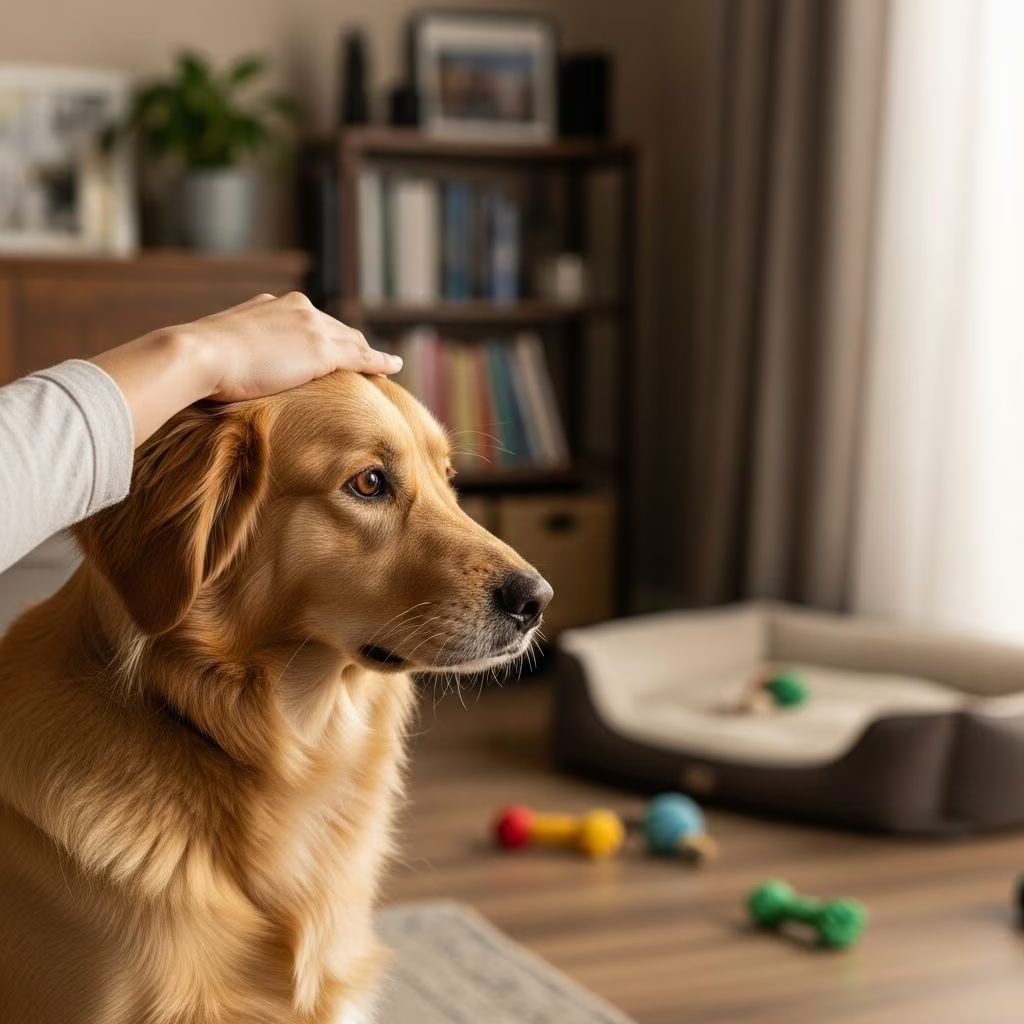
Physical contact like gentle petting releases oxytocin, easing tension during calm moments.
Combining Approaches for Best Results
Holistic plans yield superior outcomes. Medication jumpstarts relief, enabling training participation. For example, fluoxetine with desensitization improves 71% of separation cases.
Monitor progress with a journal noting triggers, responses, and adjustments. Regular vet check-ins ensure safety, especially for seniors or those with comorbidities.
FAQs
How long do anxiety meds take to work in dogs?
SSRIs like fluoxetine require 4-6 weeks for full effect, while trazodone or Sileo acts in hours.
Can natural remedies replace medications?
They support mild anxiety but not severe cases; combine with vet guidance.
Is separation anxiety curable?
Manageable with consistent behavior mod and meds; many dogs achieve normalcy.
What if my dog has side effects from meds?
Contact your vet immediately; common issues include lethargy or appetite changes.
Should puppies get anxiety treatment?
Focus on prevention via socialization; meds rare unless severe.
References
- The Pet Parent’s Guide to Anti-anxiety Treatment for Dogs — Mixlab. 2023. https://mixlab.com/blog/anti-anxiety-treatment-for-dogs
- Dog Anxiety Help — Mountain Aire Veterinary Hospital. 2025-06-15. https://mountainairevet.com/2025/06/15/dog-anxiety/
- Medications for Treating Dog Anxiety — Northgate Veterinary. 2022-03-30. https://www.northgateveterinary.com/site/blog/2022/03/30/dog-anxiety-medications
- Canine separation anxiety: strategies for treatment and management — PMC (NCBI). 2020. https://pmc.ncbi.nlm.nih.gov/articles/PMC7521022/
- 10 Medications for Dog Anxiety — PetMD. 2023. https://www.petmd.com/dog/behavior/10-medications-dog-anxiety
- Anxiety in Dogs: Signs, Symptoms, and Treatment — AKC. 2023. https://www.akc.org/expert-advice/health/treating-dog-anxiety/
- Anxious behavior: How to help your dog cope — Cornell University College of Veterinary Medicine. 2023. https://www.vet.cornell.edu/departments-centers-and-institutes/riney-canine-health-center/canine-health-topics/anxious-behavior-how-help-your-dog-cope-unsettling-situations



