

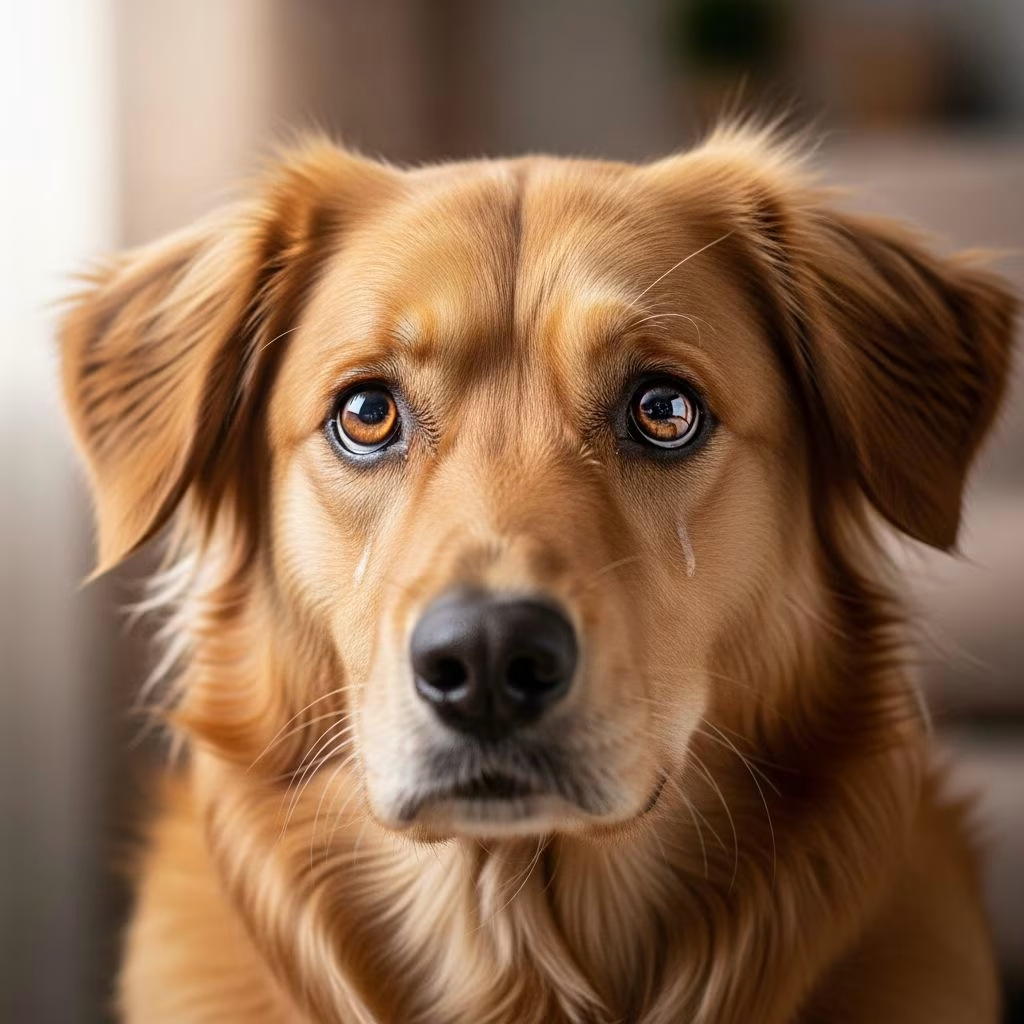
Anxiety represents one of the most common behavioral challenges pet owners encounter, affecting dogs across all breeds, sizes, and age groups. When canine companions experience excessive worry or fear, it can significantly impact their quality of life and create tension within the household. Understanding the underlying causes and exploring available treatment pathways enables owners to provide meaningful relief and foster emotional stability in their pets. A comprehensive approach combining multiple strategies typically yields the most successful outcomes.
Recognizing the Signs: What Anxious Behavior Looks Like
Dogs experiencing anxiety often display a range of behavioral and physical indicators that serve as red flags for concerned owners. Recognizing these signs early allows for prompt intervention before anxiety escalates into more serious behavioral problems.
Behavioral Manifestations
Anxious dogs frequently exhibit destructive tendencies, chewing on furniture, shoes, or household items in attempts to self-soothe or redirect nervous energy. Excessive vocalization becomes another hallmark sign, with affected animals barking, whining, or howling beyond what constitutes normal communication. Some dogs engage in inappropriate elimination, soiling the home despite being housetrained, which reflects the physiological stress response overwhelming their bladder control. Pacing and restlessness prevent affected pets from settling comfortably, as they continuously move about seeking relief from internal distress.
Physical and Emotional Indicators
The body language of an anxious dog often reveals inner turmoil through postural changes. Ears may pull back or flatten against the head, the tail tucks underneath the body, and trembling or shaking becomes visible, particularly during stress episodes. Excessive panting, drooling, and lip licking reflect the sympathetic nervous system activation accompanying fear states. Some dogs resort to compulsive licking or chewing on their own bodies, creating potential health complications. Depression and withdrawal from previously enjoyed activities signal emotional distress, with dogs losing interest in play, social interaction, or favorite toys.
Understanding Root Causes: Why Dogs Develop Anxiety
Anxiety in dogs rarely emerges without identifiable triggers or underlying contributors. Pinpointing the specific cause represents a crucial first step in developing an effective intervention strategy tailored to the individual animal’s needs.
Environmental and Situational Triggers
Separation from owners ranks among the most prevalent anxiety drivers, with many dogs experiencing significant distress when left alone for extended periods. Loud noises from fireworks, thunderstorms, vacuum cleaners, or construction trigger intense fear responses in noise-sensitive individuals. Introduction to unfamiliar people, strange animals, or novel environments can overwhelm dogs lacking adequate socialization or those with naturally cautious temperaments. Specific situations such as veterinary appointments or car rides create predictable anxiety in dogs with negative prior experiences, while unusual surfaces like unfamiliar flooring types can provoke unexpected reactions.
Medical and Age-Related Factors
Underlying medical conditions significantly contribute to anxiety-like behaviors in dogs. Chronic pain from arthritis or injury, hormonal imbalances affecting mood regulation, neurological disorders, and various illnesses can manifest as heightened anxiety. Senior dogs frequently develop cognitive dysfunction syndrome (CDS), characterized by age-related brain changes that produce disorientation, pacing, nighttime restlessness, and anxiety symptoms. These age-related changes require different treatment approaches than anxiety stemming from fear or separation.
Genetic and Developmental Influences
Some dogs inherit genetic predispositions toward anxiety, with certain breeds showing higher incidence rates of stress-related behaviors. Additionally, early life experiences, insufficient socialization during critical developmental windows, and traumatic events contribute to lasting anxiety vulnerabilities that may surface throughout the dog’s lifetime.
Behavioral Training: Addressing Anxiety Through Learned Responses
Behavioral modification represents the cornerstone of anxiety management, working to reshape how dogs respond to feared stimuli and stressful situations. These techniques address the learned patterns reinforcing anxious behaviors while building new, healthier coping mechanisms.
Desensitization and Counterconditioning Approaches
Counterconditioning fundamentally changes a dog’s emotional response to anxiety-triggering situations by replacing anxious or aggressive reactions with more desirable behaviors such as sitting, focusing on the owner, or remaining calm. This technique involves gradual, controlled exposure to the feared stimulus at low intensities, paired with positive reinforcement, allowing the dog to form new associations. Desensitization similarly works through incremental exposure, helping dogs become accustomed to previously frightening situations in manageable increments.
Professional Behavior Support
Certified animal behaviorists and fear-free trainers possess specialized expertise in developing customized treatment plans addressing each dog’s specific triggers and severity level. These professionals conduct detailed evaluations of the dog’s history, current environment, and behavioral patterns to identify intervention strategies most likely to succeed. Professional guidance becomes particularly valuable when owners feel overwhelmed or when DIY approaches prove insufficient, as trainers can provide objective assessment and structured progression through behavior modification stages.
Environmental and Lifestyle Modifications
Creating a supportive physical and social environment significantly reduces anxious triggers and provides dogs with tools for self-regulation. Thoughtful environmental design works alongside other treatment modalities to diminish overall stress levels.
Establishing Safe Spaces
Designated safe areas where dogs can retreat during stressful periods provide security and control. These spaces might include quiet rooms, crates with positive associations, or specific corners featuring comfortable bedding and familiar toys. Safe spaces allow dogs to self-regulate and escape overwhelming stimuli, reducing prolonged stress exposure. Consistency in maintaining these refuges helps dogs develop confidence in their availability during difficult moments.
Routine and Predictability
Dogs thrive with structured daily routines that create predictability and reduce uncertainty-based anxiety. Consistent feeding schedules, regular exercise times, designated play periods, and predictable owner departure and return patterns help dogs anticipate daily events. This predictability provides psychological comfort, as dogs can more effectively prepare for expected transitions rather than experiencing constant surprise or uncertainty.
Physical Exercise and Mental Enrichment
Regular physical activity serves as a powerful stress reliever comparable to human exercise benefits, with long walks and outdoor play helping ease nervous tension and tire dogs sufficiently to reduce anxiety manifestations. Exercise provides essential enrichment that lowers overall stress levels while promoting physical health. Mental stimulation through puzzle toys, training sessions, and interactive games engages cognitive capacities, preventing the rumination that often accompanies anxiety.
Natural Therapies and Calming Supplements
Many pet owners explore natural options for anxiety management, with various supplements and therapeutic products showing promise in supporting mild to moderate anxiety when used appropriately.
Supplement Options
L-theanine, an amino acid derived from tea leaves, promotes relaxation without sedation and may support anxiety management in some dogs. CBD oil has gained popularity among pet owners seeking natural alternatives, though research on canine-specific efficacy continues evolving. Calming chews containing various botanical ingredients provide accessible options for mild anxiety support. These natural products often work optimally alongside behavioral modification rather than as standalone solutions, and veterinary consultation before use ensures appropriateness for individual dogs.
Pheromone and Aromatherapy Products
Products harnessing pheromones and aromatherapy principles can reduce anxiety through sensory calming mechanisms. Specialized diffusers and spray products create environmental conditions promoting relaxation, and some dogs respond well to these non-pharmaceutical interventions, particularly when combined with other strategies.
Prescription Medications: When Pharmaceuticals Become Necessary
For moderate to severe anxiety cases, prescription medications offer effective relief by modulating brain chemistry and reducing the physiological stress response. Veterinarians carefully assess individual circumstances to determine whether medication becomes appropriate and beneficial.
Selective Serotonin Reuptake Inhibitors (SSRIs)
SSRIs represent the most commonly prescribed long-term anxiety medications for dogs, working by increasing serotonin availability in the brain to improve mood and emotional regulation. Fluoxetine and clomipramine rank among the most frequently prescribed options. These medications typically require several weeks to achieve full effectiveness and work best when combined with behavioral modification strategies rather than used in isolation.
Other Antidepressants and Anti-Anxiety Agents
Additional antidepressants prescribed for canine anxiety include amitriptyline, sertraline, paroxetine, fluvoxamine, citalopram, and escitalopram. Anti-anxiety medications such as alprazolam, diazepam, lorazepam, buspirone, and others may be prescribed independently or alongside antidepressants. Some medications work best when administered before predictable anxiety-producing events like thunderstorms or fireworks, while others require regular daily dosing for chronic anxiety management.
Specialized Medications for Specific Conditions
Beta-blockers, typically used for heart conditions in humans, appear to ease anxiety symptoms in dogs, particularly trembling and rapid heart rate manifestations. For senior dogs experiencing cognitive dysfunction-related anxiety, selegiline addresses underlying cognitive decline that may be contributing to behavioral changes, potentially improving anxiety symptoms associated with dementia.
Integrated Treatment Approaches: Combining Strategies for Optimal Results
Evidence suggests that combining multiple treatment modalities yields superior outcomes compared to single-intervention approaches. A layered strategy addressing behavioral, environmental, and biochemical aspects of anxiety provides comprehensive relief.
| Treatment Category | Primary Approach | Ideal Use Cases |
|---|---|---|
| Behavioral Training | Counterconditioning and desensitization | All anxiety types; foundational component |
| Environmental Modifications | Safe spaces, routine establishment | Supporting all treatment types |
| Natural Therapies | Supplements and pheromone products | Mild to moderate anxiety |
| Prescription Medications | SSRIs, anti-anxiety agents | Moderate to severe anxiety cases |
| Professional Training | Certified behaviorist consultation | Complex cases or severe behavioral issues |
The most successful treatment plans recognize that anxiety often results from multiple contributing factors requiring multifaceted solutions. Veterinarians work collaboratively with owners to assess severity, identify specific triggers, and develop personalized protocols incorporating the most appropriate combination of interventions.
The Owner’s Role: Supporting Your Anxious Dog
Pet owners represent essential partners in anxiety management, providing consistent care, emotional support, and follow-through with prescribed interventions. Providing abundant love, attention, and positive reinforcement helps dogs develop confidence and security. Patience throughout the treatment process proves critical, as behavioral modification typically requires weeks or months before significant improvement becomes apparent. Regular veterinary communication ensures treatment efficacy and allows for adjustments when necessary.
When to Seek Veterinary Intervention
If anxiety signs present themselves or pet owners suspect their dog is suffering from anxiety, veterinary consultation becomes essential. Dogs displaying sudden behavioral changes, particularly without recent major life events or stressors, warrant professional evaluation to rule out underlying medical conditions. Additionally, when anxiety begins affecting the owner-pet relationship or causing household disruption, professional intervention provides objective guidance and evidence-based treatment recommendations.
Frequently Asked Questions
Can anxiety in dogs be cured completely?
While some cases show remarkable improvement with appropriate treatment, many anxiety conditions require ongoing management. The goal centers on reducing symptom severity and frequency rather than complete elimination, allowing dogs to live more comfortably and securely within their environments.
How long does it take for anti-anxiety medication to work?
Most SSRIs and antidepressants require 4-6 weeks to achieve full effectiveness, with gradual improvement becoming apparent over this period. Some anti-anxiety medications work more quickly when administered before specific stressful events.
Are natural supplements effective alternatives to prescription medications?
Natural supplements can support mild anxiety management and work optimally alongside behavioral modification. However, moderate to severe anxiety typically requires prescription medications for adequate relief and should not rely exclusively on natural products without veterinary guidance.
What if my dog doesn’t respond to initial treatment?
Treatment plans may require adjustment, medication changes, or dosage modifications if initial approaches prove insufficient. Continued veterinary communication ensures ongoing assessment and timely modifications to improve outcomes.
References
- Dog Anxiety: Symptoms, Causes, and Treatments — GoodRx Pet Health. Accessed 2026. https://www.goodrx.com/pet-health/dog/anxiety-symptoms
- Dog Anxiety Help — Mountain Aire Veterinary Hospital. 2025-06-15. https://mountainairevet.com/2025/06/15/dog-anxiety/
- Anxiety in Dogs: Signs, Symptoms, and Treatment — American Kennel Club. Accessed 2026. https://www.akc.org/expert-advice/health/treating-dog-anxiety/
- Managing Anxiety in Dogs — Small Door Veterinary. Accessed 2026. https://www.smalldoorvet.com/learning-center/wellness/managing-anxiety-in-dogs
- Understanding Pet Anxiety: Signs and Vet Treatments — Bliss Animal Hospital. Accessed 2026. https://blissanimalhospital.com/blog/understanding-pet-anxiety-symptoms-causes-treatment-orange-county-ca/
- Anxiety & Depression in Dogs: Causes, Symptoms & How To Help — PetVet Care Centers. 2020-01-01. https://www.petvetcarecenters.com/site/blog/2020/01/01/anxiety-depression-in-dogs-causes-symptoms-how-to-help
- Anxious Behavior: How to Help Your Dog Cope with Unsettling Situations — Cornell University College of Veterinary Medicine, Riney Canine Health Center. Accessed 2026. https://www.vet.cornell.edu/departments-centers-and-institutes/riney-canine-health-center/canine-health-topics/anxious-behavior-how-help-your-dog-cope-unsettling-situations



