

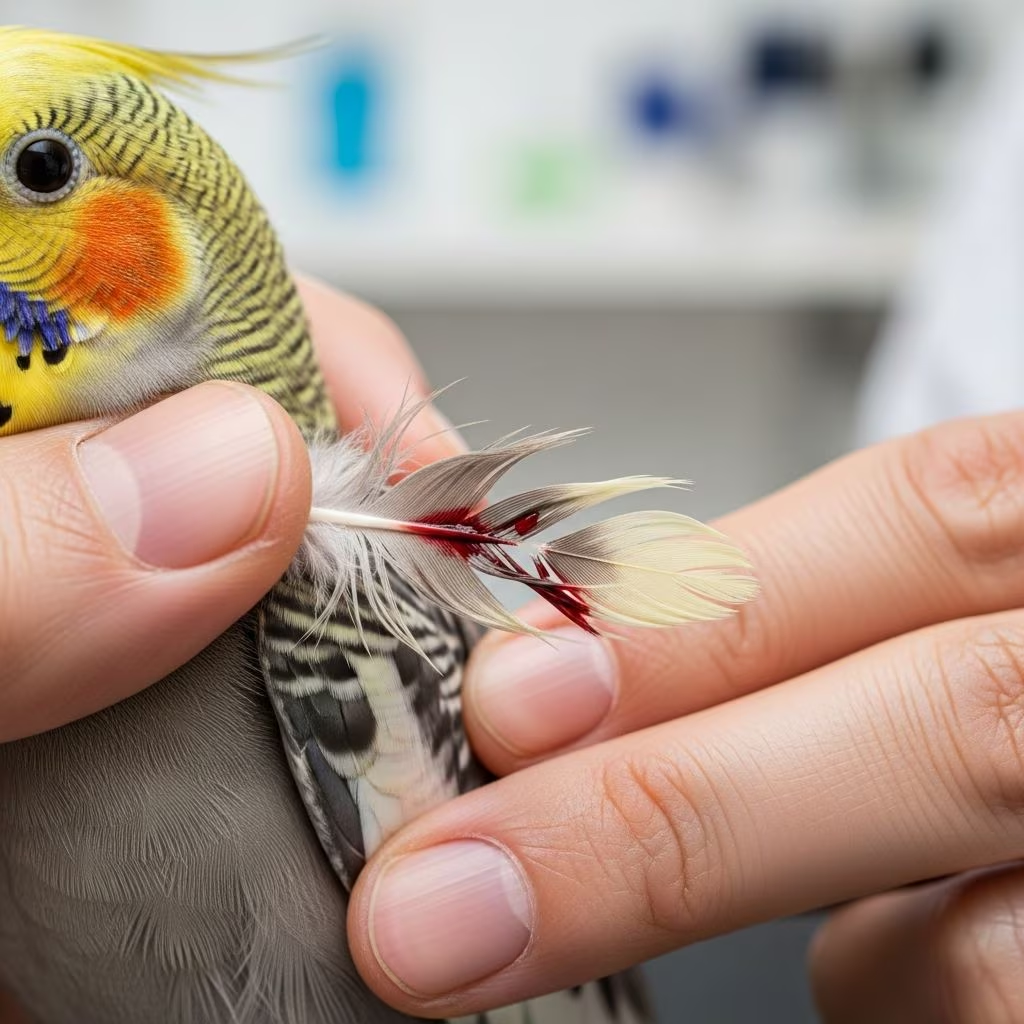
Broken blood feathers represent a critical health concern for pet birds, as they can lead to significant blood loss if not addressed promptly. These developing feathers contain active blood vessels, and damage can turn them into open wounds, potentially threatening your bird’s life due to their small blood volume.
Understanding Blood Feathers: The Basics
Blood feathers, also called pin feathers, are new feathers in the growth phase. They emerge encased in a protective sheath and feature a central quill filled with blood to nourish development. This vascular structure makes them fragile; a crack or break exposes the blood supply, causing steady bleeding.
In healthy birds, these feathers mature by hardening and pushing out the blood supply, becoming standard feathers. Pet birds, especially during molts, are prone to accidents from cage mates, toys, or clumsy landings that snap these sensitive structures.
Spotting the Signs of a Broken Blood Feather
Early detection is key to minimizing harm. Watch for these indicators:
- Bright red blood on feathers, cage bars, perches, or toys.
- Your bird appearing lethargic, fluffed up, or unusually quiet.
- A feather shaft visibly dark, swollen, or oozing blood, often on wings or tail.
- Repeated preening or discomfort around a specific area.
Distinguish from minor injuries: blood from blood feathers flows steadily from the shaft base, unlike spotty wounds from scratches.
Emergency Response: Immediate Actions
Act fast upon discovery. Isolate the bird in a quiet, warm space to reduce stress and prevent further injury. Wash hands thoroughly before handling to avoid infection.
Assess severity: If bleeding slows naturally within 2-3 minutes, apply gentle pressure with sterile gauze. For persistent flow, prepare for intervention.
Safe Home Treatment Protocols
While veterinary care is ideal, many owners manage minor cases at home. Proceed only if confident; otherwise, rush to an avian specialist.
Tools for Effective Handling
Gather these essentials beforehand:
| Item | Purpose |
|---|---|
| Hemostats, needlenose pliers, or strong tweezers | Firm grip for feather extraction |
| Styptic powder or cornstarch | Clotting agent to staunch bleeding |
| Sterile gauze pads | Apply pressure without contamination |
| Clean towel | Restrain bird safely |
| Warm water | Clean the area |
Keep a bird first-aid kit stocked for quick access.
Step-by-Step Feather Removal Guide
Follow these steps methodically:
- Restrain gently: Wrap the bird in a towel, exposing only the affected area. For wings, extend carefully to avoid dislocation.
- Clean the site: Dampen with warm water to reveal the break clearly.
- Grip and pull: Clamp tool at the feather base near skin. Pull swiftly in the growth direction—straight out for tails/body, aligned with wing for primaries.
- Clot immediately: Dip the follicle in styptic powder or cornstarch, then press with gauze for 1-2 minutes or until bleeding halts.
- Monitor: Observe for 15 minutes; reapply if needed. Persistent bleeding requires vet intervention.
Special Considerations for Wing Feathers
Wing blood feathers demand caution. The primary feather (first at wing tip) anchors to bone—never pull it, as this risks fracture. Use pressure and clotting agents only. For secondary feathers, extraction is safer but still precise.
Clotting Agents: Options and Best Practices
Styptic powder excels for rapid clotting via tissue contraction. Cornstarch or flour serves as household substitutes, though slower. Avoid overpacking to prevent follicle blockage, which could stunt regrowth.
For birds with clotting issues (e.g., liver conditions), bleeding persists longer—prioritize professional care.
When to Seek Professional Veterinary Help
Not all cases suit home treatment. Contact an avian vet if:
- Bleeding exceeds 15 minutes despite efforts.
- Multiple feathers involved or heavy blood loss evident.
- Your bird shows shock signs: pale mucous membranes, rapid breathing, weakness.
- You lack tools, experience, or confidence.
Avian specialists use advanced tools like cauterization for complex cases.
Preventing Blood Feather Emergencies
Habitat and Behavior Modifications
Minimize risks through proactive care:
- Provide spacious cages with rounded perches to prevent foot trauma during molts.
- Supervise playtime; secure toys without sharp edges.
- Maintain humidity (40-60%) to ease feather emergence.
Nutrition for Strong Feathers
A balanced diet supports vascular health:
- High-quality pellets as 75% of intake.
- Fresh veggies, limited seeds/fruits.
- Supplements like calcium/vitamin A if vet-recommended, avoiding excesses that weaken vessels.
Regular molts are normal; track to anticipate vulnerability periods.
Aftercare and Recovery Monitoring
Post-treatment, house the bird singly to avoid pecking. Offer soft foods, ensure quiet rest. A new feather grows in weeks; watch for infection (swelling, pus).
Schedule vet check-ups for chronic bleeders to rule out deficiencies or diseases.
Frequently Asked Questions (FAQs)
Can all broken blood feathers be pulled at home?
No—avoid pulling primary wing feathers. Always assess location and your skill level.
What if I can’t stop the bleeding?
Seek emergency avian vet care immediately; delays can be fatal.
How often do blood feathers cause problems?
Common during 2-3 annual molts, especially in young or active birds.
Is styptic powder safe for all birds?
Yes, when used sparingly; it’s a standard veterinary aid.
How long until the feather regrows?
Typically 4-6 weeks, depending on species and health.
Long-Term Avian Health Strategies
Beyond emergencies, foster resilience:
- Annual bloodwork for clotting factor checks.
- Stress reduction via routine and enrichment.
- Clip flight feathers judiciously under vet guidance to curb crashes.
Empowered owners save lives—knowledge turns panic into protocol.
References
- Blood Feathers in Birds — VCA Animal Hospitals. 2023. https://vcahospitals.com/know-your-pet/pin-or-blood-feathers-in-birds
- Broken Blood Feathers: What To Do — Birdy.Blog. 2017-09-29. https://birdy.blog/2017/09/29/broken-blood-feathers-what-to-do/
- Dealing With A Broken Blood Feather — BirdTricks. N/A. https://birdtricksstore.com/blogs/birdtricks-blog/dealing-with-a-broken-blood-feather
- Bird Blood Feathers — Plymouth Pet. N/A. https://www.plymouthpet.com/copy-of-bird-warnings
- How to Remove a Broken Blood Feather — YouTube (Loveofpets1). N/A. https://www.youtube.com/watch?v=VK3fsHUDgtU
- How to Deal With a Broken Blood Feather — YouTube. N/A. https://www.youtube.com/watch?v=1KsaU-2LSAo



