

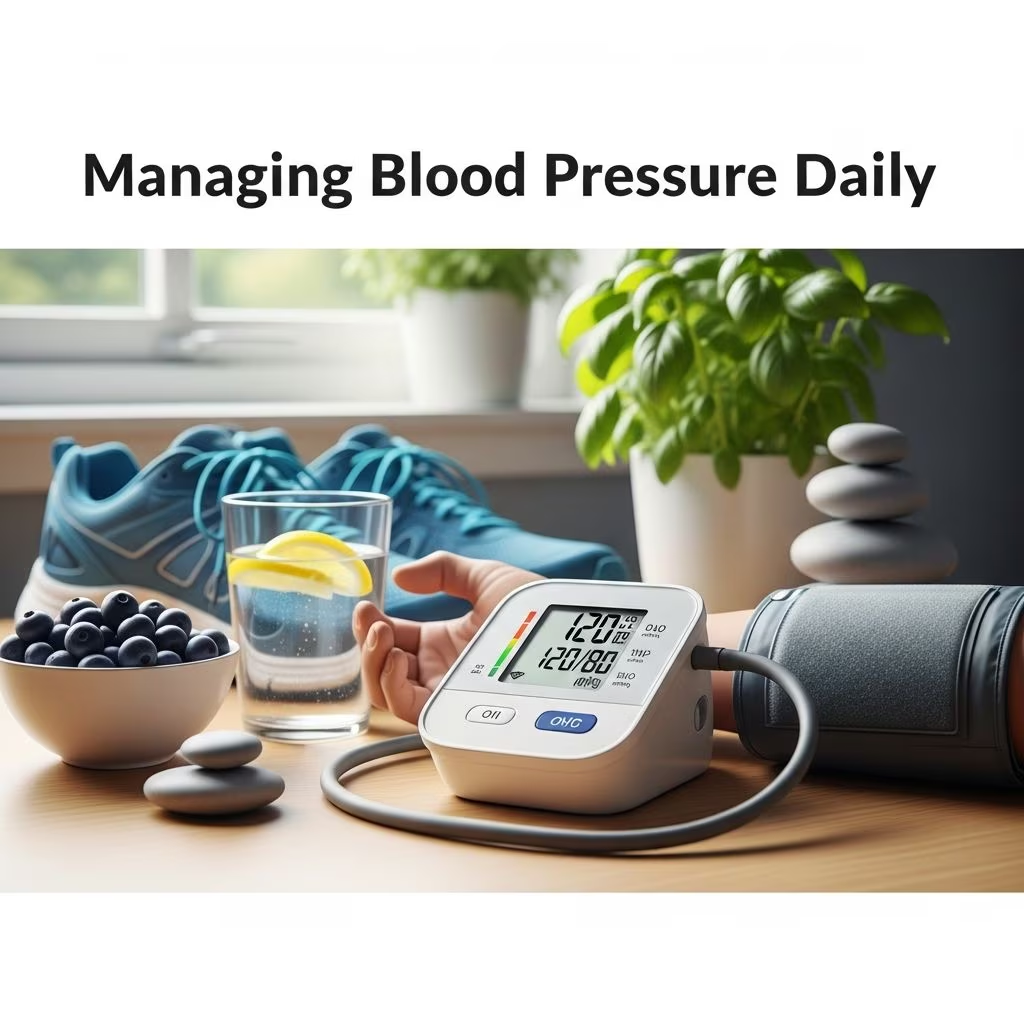
High blood pressure, or hypertension, occurs when the force of blood against artery walls is consistently elevated, forcing the heart to work harder. Defined as a reading of 130/80 mm Hg or higher, it often develops silently without noticeable symptoms, earning it the nickname ‘silent killer.’ Regular monitoring and proactive management are crucial to mitigate risks like heart disease, stroke, and kidney damage.
Understanding Blood Pressure Basics
Blood pressure measures the force exerted by circulating blood on artery walls as the heart pumps. It is recorded as two numbers: systolic (pressure during heartbeats) over diastolic (pressure between beats), in millimeters of mercury (mm Hg).
- Normal: Less than 120/80 mm Hg
- Elevated: 120-129/<80 mm Hg
- Stage 1 Hypertension: 130-139/80-89 mm Hg
- Stage 2 Hypertension: 140/90 mm Hg or higher
- Hypertensive Crisis: Higher than 180/120 mm Hg – seek immediate medical help
These categories guide assessment and intervention.[10] Pressure fluctuates naturally throughout the day due to activity, stress, or rest, but sustained highs signal a problem.
Why Blood Pressure Matters for Your Health
Arteries are elastic tubes designed to handle varying pressures, but chronic elevation stiffens and narrows them, promoting plaque buildup (atherosclerosis). This reduces blood flow, straining organs and heightening risks.
| Complication | Description |
|---|---|
| Heart Attack/Stroke | Blocked or narrowed arteries cut off oxygen to heart or brain. |
| Heart Failure | Overworked heart thickens and weakens, failing to pump effectively. |
| Kidney Damage | Narrowed kidney vessels impair filtration, leading to failure. |
| Vision Loss | Damaged eye vessels cause retinopathy. |
| Vascular Dementia | Reduced brain blood flow affects cognition. |
Untreated hypertension contributes to metabolic syndrome, amplifying diabetes and cardiovascular threats.
Primary vs. Secondary Hypertension: Key Differences
Most cases (90-95%) are primary hypertension, developing gradually without a single identifiable cause, influenced by genetics, aging, and lifestyle. Arteries stiffen over time, raising pressure.
Secondary hypertension arises abruptly from underlying issues, often at higher levels:
- Kidney disease or renal artery stenosis
- Sleep apnea
- Adrenal or thyroid disorders
- Medications (e.g., NSAIDs, birth control, decongestants)
- Pregnancy-related (preeclampsia)
Diagnosis involves ruling out secondary causes via tests if onset is sudden or severe.
Common Risk Factors You Can Control
Lifestyle plays a pivotal role. Modifiable factors include:
- Sodium Intake: Excess salt causes fluid retention, elevating pressure.
- Potassium Imbalance: Low levels fail to counter sodium; boost via diet.
- Alcohol: Heavy consumption, especially in men, raises readings.
- Obesity: Excess weight, particularly abdominal, strains the heart.
- Inactivity: Sedentary habits promote weight gain and vessel stiffness.
- Smoking/Tobacco: Damages arteries directly.
- Stress: Triggers temporary spikes; chronic habits worsen it.
Non-modifiable risks: age (vessels stiffen), family history, and ethnicity (higher in certain groups).
Signs and Symptoms: When to Pay Attention
Hypertension is typically asymptomatic, detected via routine checks. Rare severe cases (malignant hypertension) present:
- Severe headaches
- Vision changes or blurred vision
- Chest pain
- Shortness of breath
- Nosebleeds or confusion
Children may develop it from obesity or congenital issues.
How to Monitor Blood Pressure Effectively at Home
Self-monitoring empowers management. Use validated devices:
- Sit quietly for 5 minutes, feet flat, arm at heart level.
- Avoid caffeine, exercise, or smoking 30 minutes prior.
- Take 2-3 readings, 1 minute apart; average them.
- Track over time, noting patterns.
Ideal home target: below 135/85 mm Hg.[10] Share logs with providers.
Lifestyle Strategies for Lowering Blood Pressure
Evidence-based changes can reduce readings by 5-20 mm Hg:
- DASH Diet: Emphasize fruits, vegetables, whole grains, low-fat dairy; limit salt to 1,500-2,300 mg/day.
- Exercise: 150 minutes moderate aerobic (walking, cycling) weekly.
- Weight Management: Losing 5-10% body weight helps significantly.
- Limit Alcohol: ≤1 drink/day women, ≤2 men.
- Quit Smoking: Improves vessel health immediately.
- Stress Reduction: Meditation, yoga, deep breathing.
Consistency yields results within weeks to months.
Medical Interventions and When to Seek Help
If lifestyle fails, medications like ACE inhibitors, beta-blockers, or diuretics are prescribed. Combine with habits for best outcomes. See a doctor if readings exceed 140/90 persistently or crisis symptoms appear.
FAQs on Blood Pressure Management
What is a healthy blood pressure range?
Below 120/80 mm Hg for most adults.[10]
Can hypertension be cured?
Primary type is managed, not cured; secondary may resolve with underlying treatment.
How often should I check my blood pressure?
At-risk individuals: weekly; diagnosed: as advised by doctor.[10]
Does stress cause permanent high blood pressure?
Acute stress spikes it temporarily; chronic stress contributes long-term via habits.
Are home monitors accurate?
Validated ones are; check against professional readings.[10]
Adopting these practices integrates blood pressure control into daily routines, fostering long-term cardiovascular wellness.
References
- High blood pressure (hypertension) – Symptoms & causes — Mayo Clinic. 2023-10-01. https://www.mayoclinic.org/diseases-conditions/high-blood-pressure/symptoms-causes/syc-20373410
- High blood pressure in adults – hypertension — MedlinePlus (U.S. National Library of Medicine). 2024-01-15. https://medlineplus.gov/ency/article/000468.htm
- High blood pressure (Hypertension) – causes and symptoms — British Heart Foundation. 2024-05-20. https://www.bhf.org.uk/informationsupport/risk-factors/high-blood-pressure
- About High Blood Pressure — Centers for Disease Control and Prevention (CDC). 2024-02-10. https://www.cdc.gov/high-blood-pressure/about/index.html
- Hypertension — World Health Organization (WHO). 2023-03-21. https://www.who.int/news-room/fact-sheets/detail/hypertension
- High Blood Pressure–Understanding the Silent Killer — U.S. Food and Drug Administration (FDA). 2023-11-05. https://www.fda.gov/drugs/special-features/high-blood-pressure-understanding-silent-killer
- Blood Pressure: Types, Ranges & Readings — Cleveland Clinic. 2024-06-12. https://my.clevelandclinic.org/health/diagnostics/17649-blood-pressure



