

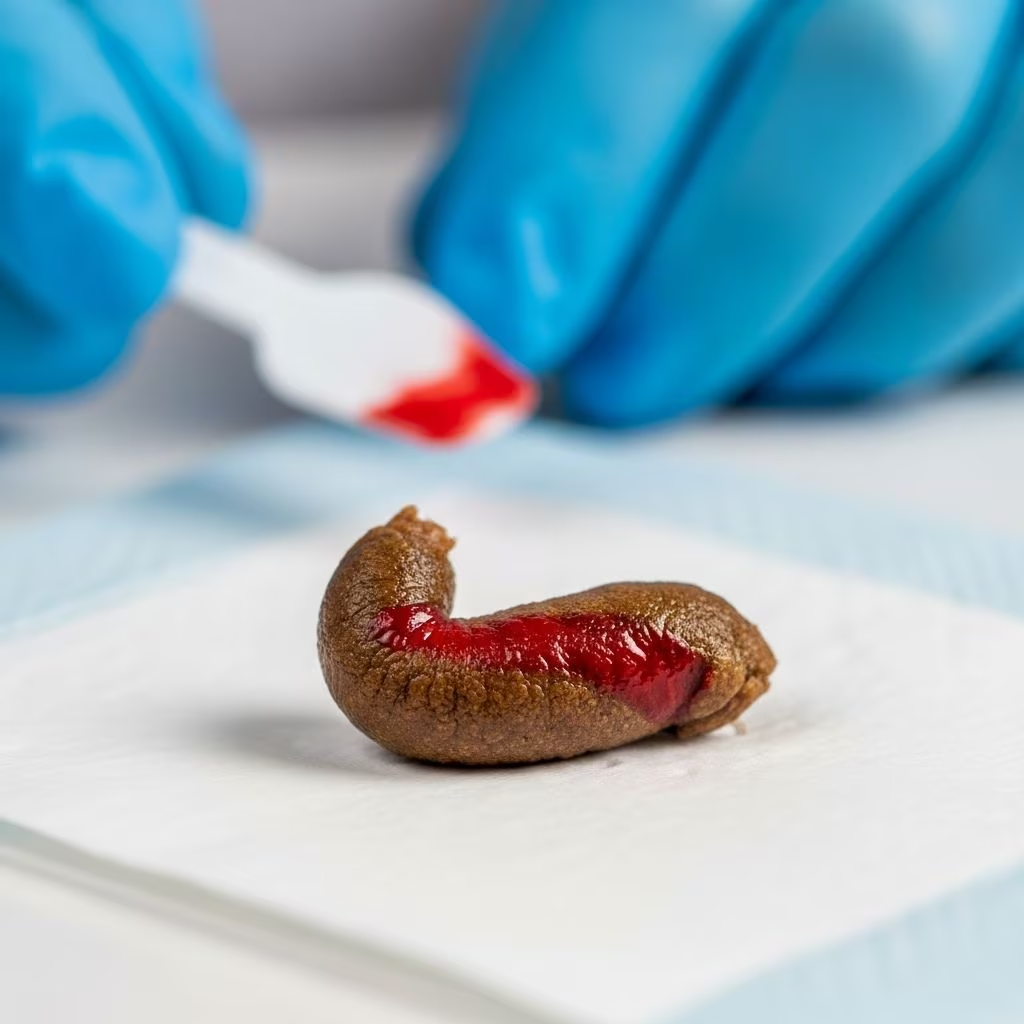
Discovering blood in your cat’s stool can be alarming for any pet owner. This symptom warrants careful attention, though it doesn’t always indicate a serious emergency. Understanding what causes this condition and recognizing when professional help is necessary can help you respond appropriately to keep your feline friend healthy.
Recognizing Blood in Your Cat’s Stool
Blood in feline stool presents itself in different ways depending on where the bleeding originates within the digestive system. The appearance of the blood provides important diagnostic clues that help veterinarians identify potential underlying problems.
Bright red blood or streaks typically indicates bleeding in the lower digestive tract, particularly from the colon or rectum. This blood hasn’t had time to be digested, so it retains its bright color. You may notice small streaks or spots mixed with normal stool, or the blood may appear more prominently in the litter box.
Dark, tarry, or black stools suggest bleeding higher up in the digestive system, such as the stomach or small intestine. When blood travels through the digestive system, stomach acid breaks it down, creating this characteristic dark appearance. This type of bleeding often requires more immediate veterinary attention.
The presence of blood alongside diarrhea, constipation, or changes in your cat’s behavior should also raise your awareness of a potential health issue.
Understanding the Root Causes
Multiple factors can trigger bloody stools in cats, ranging from minor dietary issues to more serious medical conditions. Identifying the underlying cause is essential for effective treatment.
Parasitic Infections and Gastrointestinal Parasites
Intestinal parasites represent one of the most frequent causes of blood in cat stool, particularly in younger animals. Common parasites that affect feline digestive health include hookworms, giardia, coccidia, and tritrichomonas. These organisms damage the delicate lining of the intestinal tract, leading to inflammation and bleeding. Even indoor cats can acquire parasitic infections through contaminated food, water, or environmental exposure. Left untreated, these parasites can cause long-term digestive problems and compromise your cat’s overall health.
Dietary Factors and Food Reactions
What your cat eats directly affects digestive tract health. Sudden dietary changes, food intolerances, and allergic reactions represent common culprits behind bloody stools. Many cats have sensitive digestive systems that react negatively to abrupt transitions between food brands or types. Additionally, consuming human food or treats not designed for cats can irritate the gut lining. Food allergies specifically trigger immune responses that inflame the intestinal tract, sometimes resulting in bleeding stools alongside other gastrointestinal symptoms.
Medication-Related Complications
Certain medications commonly prescribed for cats can irritate the digestive tract and cause bleeding. Nonsteroidal anti-inflammatory drugs (NSAIDs) and corticosteroids, when given at incorrect dosages or for extended periods, may damage the stomach and intestinal lining. Always follow your veterinarian’s dosing instructions precisely, and report any digestive changes that occur after starting new medications.
Stress and Environmental Factors
Psychological stress significantly impacts feline digestive health. Moving to a new home, changes in household composition, loud noises like fireworks, or modifications to daily routines can trigger stress-related digestive issues. Stress activates the nervous system in ways that increase intestinal sensitivity, sometimes causing inflammatory bowel symptoms and bloody stools.
Infectious Diseases
Bacterial, viral, and other infectious agents can inflame the digestive tract and cause bleeding. These infections range from relatively minor to life-threatening, depending on the specific pathogen involved. Some infections also pose transmission risks to humans or other animals in your household.
Inflammatory Bowel Disease (IBD)
Inflammatory bowel disease involves chronic inflammation of the digestive tract that can result in bloody stools. This condition typically requires ongoing management and dietary modifications to keep symptoms under control. IBD affects the sensitivity of your cat’s lower bowels and can also cause increased frequency of bowel movements or constipation.
Additional Medical Conditions
Other serious conditions that may cause bloody stools include anal gland problems, rectal polyps, pancreatitis, gastrointestinal blockages, ulcers, constipation causing anal tears, and in rare cases, cancer or blood disorders. Some of these conditions require emergency veterinary treatment.
When to Contact Your Veterinarian
Not all instances of bloody stool require emergency intervention, but certain situations definitely warrant prompt veterinary attention. You should schedule a veterinary appointment if:
- Blood in stool persists for more than a few days
- You observe dark or tarry stools, indicating upper digestive tract bleeding
- Your cat exhibits diarrhea or constipation alongside bloody stool
- Your cat shows signs of lethargy, decreased appetite, or vomiting
- You notice unexplained weight loss or behavioral changes
- Your cat appears to be in pain or straining in the litter box
- The bleeding increases in frequency or volume
Emergency veterinary care becomes necessary if your cat experiences severe bleeding, signs of shock, or if you suspect ingestion of toxins like rat poison or medications.
Veterinary Examination and Diagnosis
Your veterinarian will conduct a thorough evaluation to identify the cause of bloody stools. This diagnostic process typically includes several components:
Physical Examination: Your vet will perform a complete physical exam, including a rectal examination, to check for external abnormalities, anal gland problems, or masses.
Stool Sample Analysis: Laboratory examination of stool samples can identify parasites, bacterial or viral infections, and other gastrointestinal pathogens. Multiple samples may be needed for accurate diagnosis.
Blood and Urine Testing: These tests evaluate your cat’s overall health, organ function, and blood cell counts. Anemia may be present if significant bleeding has occurred.
Imaging Studies: X-rays or ultrasound may be recommended to visualize the digestive tract and identify blockages, foreign objects, or structural abnormalities.
Biopsies: If inflammatory bowel disease or cancer is suspected, your veterinarian may recommend tissue biopsies to confirm diagnosis.
Treatment Approaches for Bloody Stools
Treatment varies considerably depending on the underlying cause. Your veterinarian will develop a personalized treatment plan tailored to your cat’s specific condition.
Dietary Management
For diet-related causes, your veterinarian may recommend temporary feeding of bland, easily digestible food for 24 to 48 hours. Prescription digestive health foods formulated for sensitive stomachs may be suggested for longer-term management. Introduction of any new food should proceed gradually over several days to prevent digestive upset. Elimination diets can help identify specific food ingredients triggering adverse reactions.
Parasite Treatment
Antiparasitic medications appropriate for the specific parasites present will eliminate infections. Completing the full course of treatment, even after symptoms resolve, ensures complete eradication and prevents reinfestation.
Medication Interventions
Depending on the diagnosis, your veterinarian may prescribe antibiotics for bacterial infections, probiotics to restore healthy gut bacteria, or tummy protectants to soothe the digestive tract lining. Anti-emetic medications help control vomiting, while pain management may be necessary for cats experiencing discomfort.
Fluid Therapy and Supportive Care
Dehydrated cats benefit significantly from fluid therapy, which can be administered intravenously or subcutaneously depending on severity. Maintaining proper hydration supports the digestive system’s healing process. Severely anemic cats may require blood transfusions to restore adequate oxygen-carrying capacity.
Surgical Intervention
Foreign body obstruction, rectal strictures, or other structural problems sometimes require surgical correction. Your veterinarian will discuss surgical options when applicable.
Home Care Strategies
While professional veterinary care is essential for serious conditions, certain home management strategies can support recovery and prevent recurrence:
- Provide fresh water access: Adequate hydration supports digestive health and helps prevent constipation
- Maintain consistent diet: Feed high-quality food consistently without sudden changes
- Create a calm environment: Reduce stress through quiet spaces, consistent routines, and gentle handling
- Administer probiotics: These beneficial bacteria support digestive tract health when recommended by your vet
- Ensure regular parasite prevention: Keep your cat on appropriate parasite prevention medication year-round
- Monitor litter box habits: Track changes in frequency, consistency, and appearance of stool
- Avoid problematic foods and treats: Eliminate any items that previously triggered symptoms
Prevention Strategies
Proactive measures can significantly reduce the likelihood of bloody stools developing in your cat:
- Feed a consistent, high-quality diet appropriate for your cat’s age and health status
- Introduce dietary changes gradually over several days
- Maintain current parasite prevention protocols year-round
- Minimize household stressors through predictable routines and enrichment activities
- Schedule regular veterinary checkups for early problem identification
- Keep your cat’s environment clean to reduce disease exposure
- Provide appropriate dental care to prevent infections that could affect digestion
FAQ Section
Can minor cases of bloody stool resolve without veterinary treatment?
Minor cases linked to constipation or temporary dietary changes may improve through hydration, dietary stability, and stress reduction. However, persistent, recurring, or severe bleeding always requires veterinary evaluation to rule out serious underlying conditions.
How long does treatment typically take?
Treatment duration varies considerably depending on the underlying cause. Simple dietary adjustments might show improvement within days, while parasitic infections typically require one to four weeks of treatment. Chronic conditions like IBD may require ongoing management indefinitely.
Is blood in cat stool contagious to other pets or humans?
The symptom itself isn’t contagious, but some underlying causes (like certain parasites or infections) can transmit between animals or occasionally to humans. Maintaining good hygiene practices and following your veterinarian’s recommendations minimizes transmission risk.
What’s the difference between occasional blood specks and concerning bleeding?
Occasional small specks might result from minor issues like constipation, while frequent bloody stools, large quantities of blood, or dark tarry stools indicate more serious problems requiring immediate veterinary attention.
Can I use over-the-counter medications to treat this condition?
Self-diagnosing and self-treating can delay necessary care and potentially worsen your cat’s condition. Always consult your veterinarian before administering any medication or supplement to your cat.
Conclusion
Blood in your cat’s stool demands careful observation and appropriate professional evaluation. While some causes prove relatively benign and easily treatable, others require specialized veterinary intervention. By recognizing warning signs, understanding common causes, and maintaining open communication with your veterinarian, you can ensure your cat receives timely, effective treatment. Regular preventive care, stress management, and attention to dietary needs go far toward maintaining your feline companion’s digestive health and overall wellbeing.
References
- Blood in Cat Poo: Everything You Need To Know — Vets Now. 2024. https://www.vets-now.com/pet-care-advice/blood-in-cats-poo/
- Blood in Your Cat’s Poo — Joii Pet Care. 2024. https://www.joiipetcare.com/blogs/health-symptoms/blood-in-your-cats-poo
- Why Is There Blood in Your Cat’s Stool? — Penny Paws. 2024. https://pennypaws.com/blog/why-is-there-blood-in-your-cats-stool/
- Blood in Cat Stool: What It Could Mean and How to Handle It — Hill’s Pet Nutrition. 2024. https://www.hillspet.com/cat-care/healthcare/blood-in-cat-stool
- Blood in Cat Stool — When to See the Vet — Fetch Pet Insurance. 2024. https://www.fetchpet.com/the-dig/blood-in-cat-stool
- Blood in Your Cat’s Poo — PDSA. 2024. https://www.pdsa.org.uk/pet-help-and-advice/pet-health-hub/symptoms/blood-in-your-cats-poo
- Blood In Stool – Cats — Lort Smith Melbourne Animal Hospital. 2024. https://lortsmith.com/need-help-now/cat/sickness/blood-in-stool/



