Managing Bleeding in Cats: Causes and Care
Discover essential steps to identify, treat, and prevent bleeding in cats for timely intervention and better outcomes.
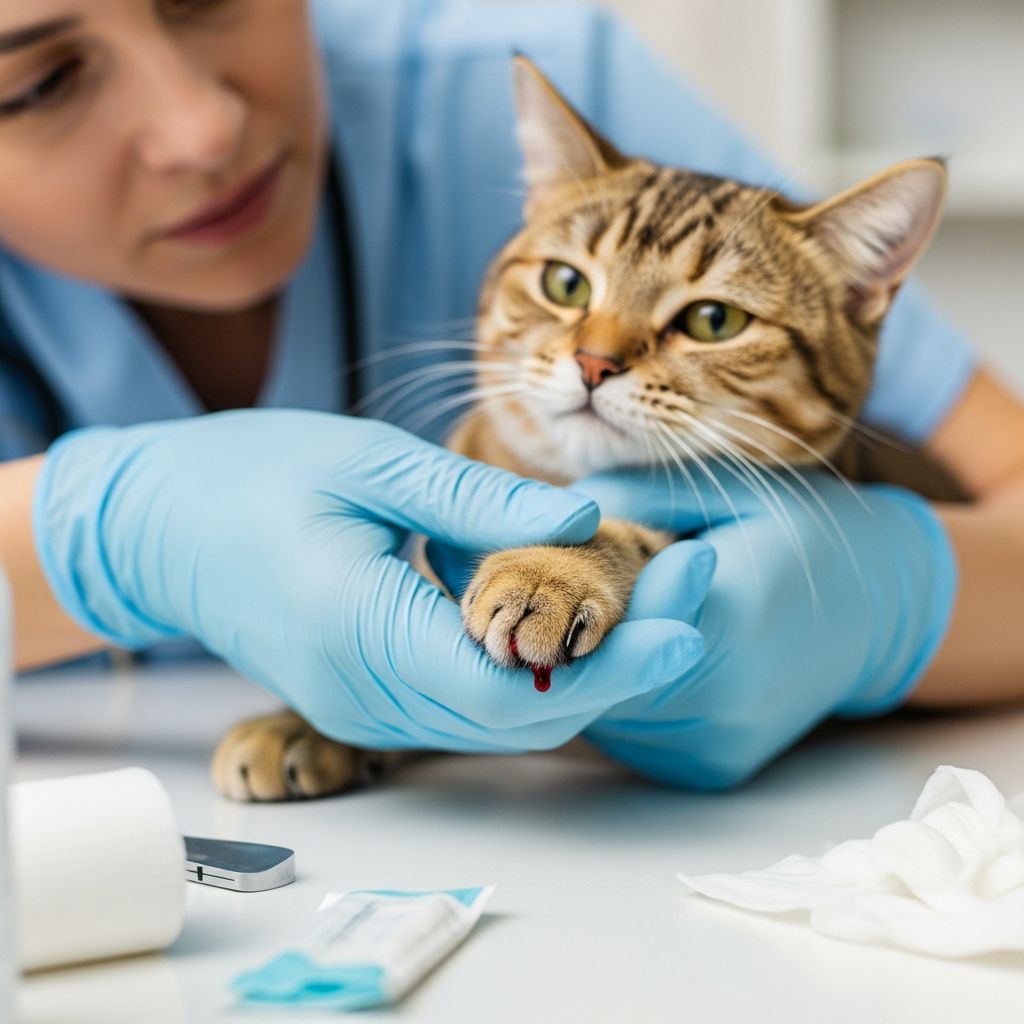
Bleeding in cats can range from minor surface wounds to life-threatening internal hemorrhages. Quick recognition and appropriate response are crucial to safeguard your pet’s health. This guide explores the diverse origins of feline bleeding, immediate care protocols, professional interventions, and proactive measures to minimize risks.
Recognizing Signs of Bleeding in Your Cat
Observe your cat closely for visible blood, unusual behavior, or subtle indicators. External bleeding appears as fresh red blood from cuts, nosebleeds, or gums, while internal issues may show as pale gums, weakness, or blood-tinged urine, vomit, or stool. Straining to urinate or defecate often signals urinary or rectal problems.
- Bright red blood: Suggests fresh, external sources like scratches or punctures.
- Dark, tarry stools: Indicates digested blood from upper gastrointestinal sources.
- Pink or red urine: Points to urinary tract involvement, potentially from stones or infections.
- Bruising or petechiae: Small red spots under the skin signal clotting issues.
Monitor for associated symptoms like lethargy, rapid breathing, or collapse, which demand urgent action.
Primary Causes of Bleeding by Body Region
Bleeding originates from specific areas, each with distinct triggers. Understanding these helps pinpoint the issue.
Skin and External Wounds
Superficial cuts from fights, falls, or scratches are frequent. Clipping nails too short causes profuse paw bleeding. Apply direct pressure for 5-10 minutes using a clean cloth; styptic powder or silver nitrate sticks cauterize broken nails effectively.
Oral and Nasal Bleeding
Nosebleeds (epistaxis) stem from trauma, infections, or nasal tumors. Upper respiratory infections, common in cats, lead to sneezing blood. Dental disease erodes gums, causing persistent oral hemorrhage.
Urinary Tract Hemorrhage
Blood in urine (hematuria) arises from feline lower urinary tract disease (FLUTD), infections, bladder stones (struvite or calcium oxalate), or trauma. Dehydration exacerbates crystal formation, leading to blockages—emergencies in male cats due to narrow urethras.
Gastrointestinal Sources
Bloody vomit or stool results from ulcers, ingested foreign objects, tumors, or coagulopathies. Rectal bleeding links to anal gland issues, polyps, or colitis.
Reproductive and Abdominal Bleeding
Unspayed females may bleed from heat cycles, pyometra (uterine infection), or ovarian tumors. Abdominal hemorrhage follows trauma or rodenticide poisoning.
Clotting and Systemic Disorders
| Disorder | Description | Common Signs |
|---|---|---|
| Hemophilia A (Factor VIII deficiency) | Inherited lack of clotting factor; rare spontaneous bleeds post-injury. | Prolonged bleeding after surgery or trauma. |
| von Willebrand Disease | Deficient vWF protein impairs platelet adhesion. | Mucosal bleeding, excessive post-op hemorrhage. |
| Immune-mediated Thrombocytopenia | Autoimmune platelet destruction. | Bruises, petechiae, melena (dark stools). |
| Rodenticide Toxicity | Vitamin K antagonists deplete clotting factors. | Multi-site bleeding, pale gums. |
These conditions often manifest as bleeding from multiple sites or unexplained bruising.
First Aid Essentials for Cat Bleeding
Act swiftly but calmly to stabilize your cat before veterinary care.
- Ensure Safety: Muzzle if needed; confine to prevent further injury.
- Direct Pressure: Press gauze on wounds for 5-10 minutes without peeking. Elevate limbs if possible.
- Nail Bleeds: Use styptic pencil, flour, or cornstarch to staunch flow.
- Control Swelling: Cold compress for 5 minutes to vasoconstrict.
- Bandaging: Light wrap; avoid tourniquets. Check circulation every 15 minutes.
- Prevent Licking: Apply cone collar post-care.
Avoid hydrogen peroxide on deep wounds, as it damages tissue. For suspected poisoning, induce vomiting only under vet guidance.
When Bleeding Demands Immediate Veterinary Attention
Not all bleeds resolve at home. Rush to an emergency vet if:
- Bleeding persists >10 minutes despite pressure.
- Straining without urine output (blockage).
- Blood in vomit/stool, pale gums, or collapse.
- Multi-site bleeding or known toxin exposure.
- Eye involvement or heavy nasal flow.
Delays can lead to shock, organ failure, or death.
Veterinary Diagnostic Approaches
Vets employ:
- Physical Exam: Assess vital signs, hydration, pain.
- Lab Tests: CBC for anemia/platelets, coagulation panel, urinalysis.
- Imaging: Ultrasound/X-rays for stones, tumors, fluid.
- Endoscopy/Biopsy: For GI/nasal issues.
Pinpointing the cause guides therapy.
Treatment Strategies Tailored to Causes
For Trauma and Wounds
Cleaning, sutures, or drains. Analgesics and antibiotics prevent infection.
Urinary Issues
Anti-inflammatories, antibiotics (culture-guided), fluids. Perineal urethrostomy for recurrent blockages. Stone-dissolving diets.
Clotting Disorders
Vitamin K1 for rodenticide (3 weeks). Plasma transfusions for hemophilia/vWD. Immunosuppressants for thrombocytopenia.
Yunnan Baiyao, a traditional hemostatic, aids clotting in hospitals.
Oncologic or Infectious Causes
Chemotherapy, surgery, or antivirals as needed.
Long-Term Management and Monitoring
Post-treatment, track via home urine strips for hematuria recurrence. Regular vet check-ups for at-risk cats.
Prevention: Proactive Steps for Feline Health
Minimize risks through:
- Diet: Wet food for hydration; prescription for stone-prone cats.
- Environment: Stress reduction via enrichment, pheromone diffusers.
- Spaying/Neutering: Prevents pyometra, certain cancers.
- Toxin-Proofing: Secure rodenticides, human meds.
- Regular Wellness: Dental cleanings, vaccinations.
Supplements like glucosamine support bladder lining.
Frequently Asked Questions (FAQs)
Is blood in my cat’s urine always serious?
Often yes—could be cystitis, stones, or infection. Same-day vet visit if urinating; emergency if blocked.
How do I stop a cat’s broken nail from bleeding?
Apply styptic powder or pressure; should stop in minutes. Vet if uncontrolled.
Can stress cause bleeding in cats?
Yes, via FLUTD triggering bladder inflammation and hematuria.
What if my cat has nosebleeds frequently?
Investigate infections, tumors, or hypertension. Persistent cases need imaging.
Are clotting disorders common in cats?
Rare but include hemophilia, vWD. Breeds like Devon Rex may have factor deficiencies.
Key Takeaways Table
| Bleeding Type | First Action | Vet Urgency |
|---|---|---|
| Surface Wound | Pressure 5-10 min | Low if stops |
| Urine Blood | Monitor urine output | High/Emergency |
| Multi-site | Stabilize, transport | Emergency |
References
- Cat Bleeding When Urinating: Causes and Treatment — Veteris. 2023. https://veteris.co.uk/petcare-advice/cat-bleeding-when-urinating-causes-and-treatment
- What Causes Cat Bleeding and How to Stop It — PetPlace.com. 2023. https://www.petplace.com/article/cats/keeping-your-cat-healthy/how-to-stop-cat-bleeding
- Bleeding Disorders of Cats — Merck Veterinary Manual. 2025-01-01. https://www.merckvetmanual.com/cat-owners/blood-disorders-of-cats/bleeding-disorders-of-cats
- Bleeding Disorder in Cats (von Willebrand Disease) — PetMD. 2024. https://www.petmd.com/cat/conditions/cardiovascular/c_ct_von_willebrand_disease
- First Aid for Bleeding Cats — VCA Animal Hospitals. 2024. https://vcahospitals.com/know-your-pet/first-aid-for-bleeding-cats
Similar Articles






Read full bio of Sneha Tete