

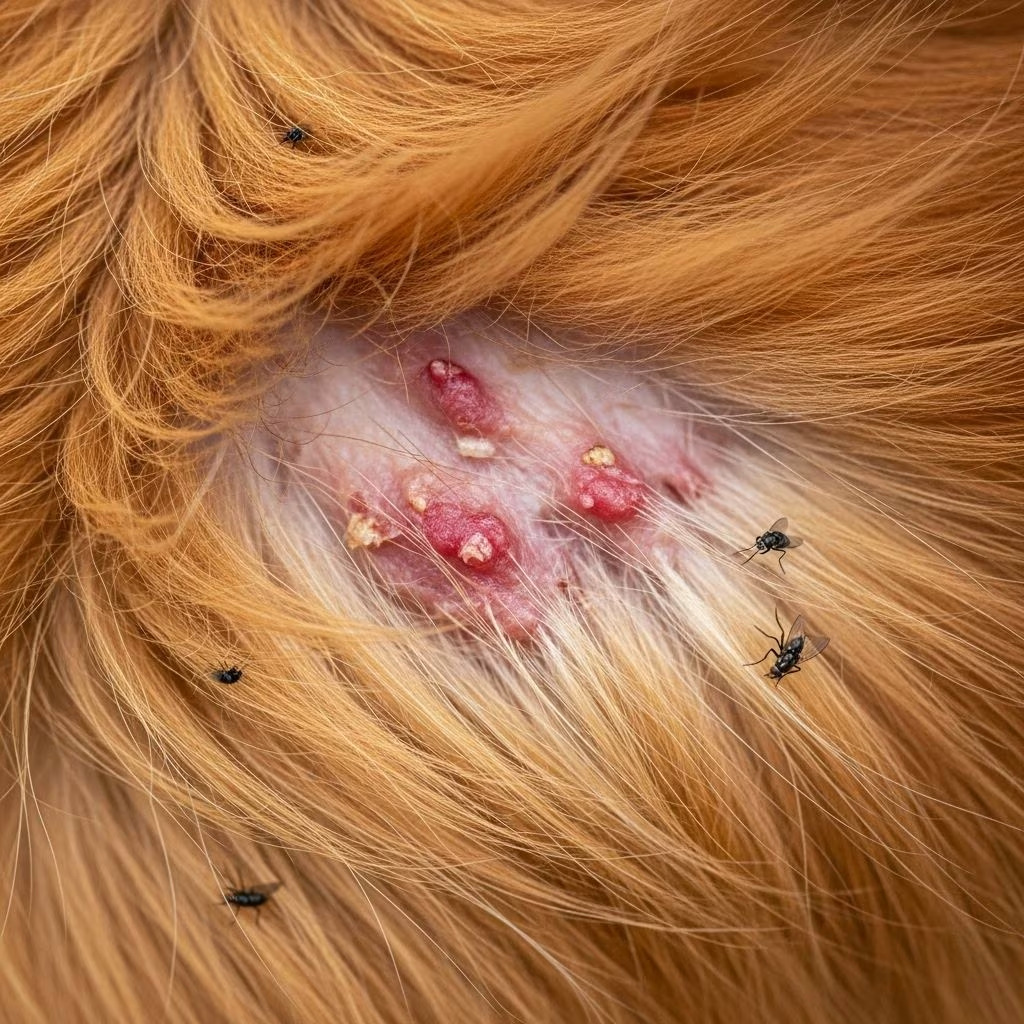
Black fly bites on dogs typically cause temporary discomfort through itching and swelling but resolve naturally in days with proper care. These small insects target exposed skin, leaving distinctive marks that pet owners can easily address at home while monitoring for complications.
Understanding Black Flies and Their Impact on Canines
Black flies, also known as buffalo gnats, thrive near rivers, streams, and damp areas, emerging in swarms during warm seasons. Measuring 5-15 millimeters, they seek thin-skinned or hairless spots on dogs, such as ears, belly, and thighs. Unlike mosquitoes, their bites puncture deeply, injecting saliva that triggers inflammation and a characteristic red center surrounded by swelling—a “bullseye” pattern visible on lighter fur areas.
Dogs often react immediately with yelps or frantic scratching, escalating as bites itch intensely. Swarms amplify the issue, covering dogs in dozens of spots. While rarely transmitting diseases to dogs, the primary concern remains skin reactions and potential secondary problems from self-trauma.
Recognizing the Signs of Black Fly Attacks
Spotting bites early prevents worsening. Key indicators include:
- Red, raised welts with a pale or bloody center and outer ring, often in clusters.
- Intense itching leading to chewing, rubbing face on surfaces, or hair loss.
- Scabbing, dark bumps, or oozing if scratched open.
- Behavioral changes like restlessness or vocalizing pain.
On the face or near eyes/mouth, bites pose higher risks due to sensitivity. Differentiate from ticks or fleas: black fly marks lack embedded insects and appear uniformly across swarm-hit zones.
| Symptom | Description | Common Locations |
|---|---|---|
| Bullseye Lesion | Central red spot, swollen halo | Ears, belly, groin |
| Itching/Scratching | Excessive grooming, raw skin | Face, legs, underbelly |
| Swelling/Hives | Raised welts, possible allergy sign | Face, torso |
Step-by-Step Home Treatment Guide
Most cases need no vet visit; focus on soothing symptoms and hygiene. Start promptly to curb scratching cycles.
- Clean Gently: Rinse with cool water and mild soap to remove debris and saliva. Pat dry thoroughly—moisture breeds bacteria.
- Cool the Area: Apply ice pack wrapped in cloth for 5-10 minutes, several times daily. Reduces swelling and numbs itch.
- Topical Relief: Dab hydrocortisone cream (1%) or pure aloe vera sparingly. Prevent licking with a cone or 15-minute distraction walk post-application.
- Antihistamines: Vet-approved diphenhydramine (Benadryl) at 1mg/lb every 8 hours eases itching/swelling. Confirm dosage first.
- Protect Skin: Use e-collar, dog shirt, or bitter spray on bites. Avoid human triple antibiotic—opt for pet-safe versions if needed.
Oatmeal baths soothe but use lukewarm water and dry completely to avoid exacerbating itch or infection.
When to Contact a Veterinarian Urgently
Monitor 24-48 hours; seek help if:
- Bites near eyes/mouth worsen or infect (pus, heat, pain).
- Hives, facial puffiness, breathing issues, vomiting, or collapse signal anaphylaxis—emergency now.
- Persistent itching despite home care, or signs of secondary bacterial infection like fever/lethargy.
Vets may prescribe oral antibiotics (e.g., cephalexin), stronger steroids, or medicated shampoos. Hypersensitive dogs benefit from allergy testing.
Seasonal Prevention Strategies for Your Dog
Proactive steps minimize exposure:
- Avoid Peak Times: Stay indoors dawn/dusk near water; check local fly forecasts.
- Repellents: Vet-recommended permethrin products for coats (never on cats). Natural options like citronella have limited efficacy.
- Barriers: Fly screens on porches, light clothing for outdoor dogs.
- Habitat Control: Clear standing water, mow tall grass around yard.
- Health Boost: Omega-3 supplements strengthen skin resilience.
During heavy seasons, daily ear/belly checks catch issues early.
Long-Term Skin Health After Bites
Post-healing, restore barrier with moisturizing shampoos and fatty acid diets. Watch for scarring or recurrent sensitivity, which may indicate allergies needing management plans. Regular grooming exposes hidden spots for timely intervention.
FAQs on Black Fly Bites
Do black fly bites spread diseases to dogs?
Unlike ticks, they rarely transmit illnesses; focus is on irritation.
How long do bites last?
3-7 days with care; longer if infected.
Can I use human creams?
Hydrocortisone yes (sparingly); avoid Neosporin—vet alternatives safer.
Are some breeds more prone?
Light-coated or thin-skinned dogs like Whippets show bites more.
What if my dog licks treatments?
Use cone; reapply after distraction.
Expert Insights from Veterinary Sources
Dr. Jerry Klein, AKC Chief Vet, notes bites mimic Lyme bullseyes but lack disease risk in dogs. PetMD emphasizes infection prevention via cleaning. Whole Dog Journal advocates ice and Benadryl for comfort.
References
- Black Fly Bites on Dogs: Signs, Symptoms, Treatments — American Kennel Club. 2023. https://www.akc.org/expert-advice/health/black-fly-bites-on-dogs/
- How to Treat Black Fly Bites on Dogs — Whole Dog Journal. 2023. https://www.whole-dog-journal.com/care/how-to-treat-black-fly-bites-on-dogs/
- Black Fly Bite on Dogs — PetMD. 2024. https://www.petmd.com/dog/general-health/black-fly-bite-dogs
- How to Protect Your Dog from the Dangers of Black Fly Bites — Your Health Magazine. 2023. https://yourhealthmagazine.net/article/pet-health/how-to-protect-your-dog-from-the-dangers-of-black-fly-bites/
- Ouch! It’s Black Fly Bite Season — Ann Arbor Animal Hospital. 2023. https://annarboranimalhospital.com/blog/ouch-its-black-fly-bite-season/



