

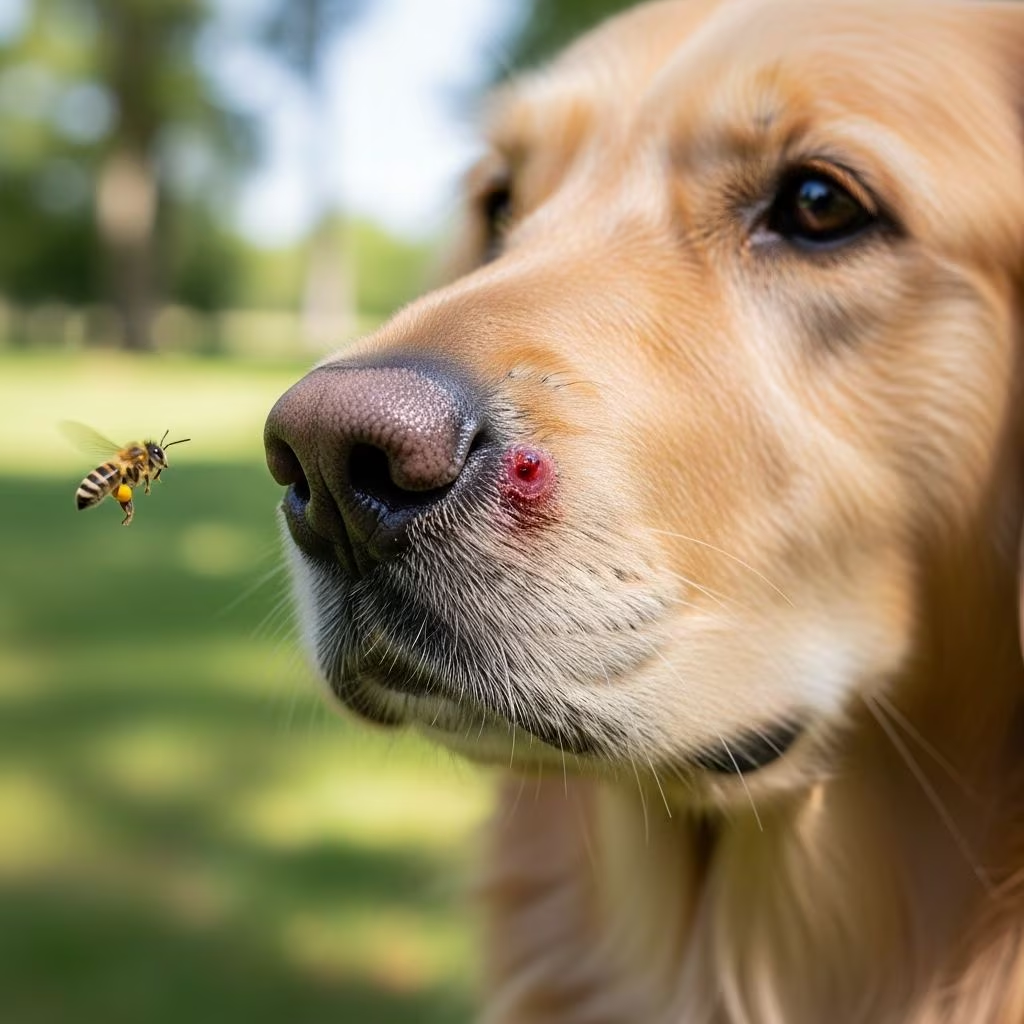
Dogs are naturally curious creatures who often explore their surroundings with enthusiasm and without regard for potential dangers. This curious nature frequently leads them into encounters with insects, particularly bees, which can result in stings. While many bee sting incidents resolve without serious complications, understanding how to recognize symptoms, administer appropriate first aid, and identify when professional veterinary intervention is required can make a significant difference in your dog’s outcome and comfort level.
Recognizing When Your Dog Has Been Stung
Identifying that your dog has experienced a bee sting is the critical first step in managing the situation. Dogs cannot communicate verbally about their discomfort, so pet owners must be attuned to behavioral and physical changes that indicate an insect encounter has occurred.
Immediate behavioral indicators often manifest within seconds of a sting. Your dog may suddenly yelp, whine, or exhibit signs of distress. Many dogs will immediately focus on the affected area, licking, chewing, pawing, or scratching at the sting site with intensity. This frantic behavior is a direct response to pain and localized discomfort.
Physical manifestations at the sting site typically develop quickly and are usually visible to careful observation. The affected area becomes reddened and swollen, with the skin feeling firm to the touch. If the sting is visible, you may be able to see the stinger embedded in your dog’s skin. The region around the sting becomes increasingly sensitive, and your dog will resist touching or examination of the area.
Additional physical signs that accompany localized reactions include hives or welts appearing on the skin, often in areas beyond the initial sting site. Some dogs experience excessive drooling, which can be particularly noticeable if the sting occurs in or around the mouth region.
Understanding the Severity Spectrum: Mild Versus Severe Reactions
Not all bee stings produce identical reactions in dogs. The severity of response depends on multiple factors including the dog’s individual sensitivity, the location of the sting, the number of stings sustained, and whether the dog has a pre-existing venom allergy.
Mild reactions, which represent the majority of bee sting incidents, present limited symptoms that typically resolve independently. Dogs experiencing mild reactions show localized redness and swelling confined to the immediate sting area. The discomfort usually diminishes within a few hours, and most dogs return to normal activity within 24 to 48 hours. Pain may be present but remains manageable, and dogs generally maintain their normal appetite and behavior patterns.
Severe allergic reactions and anaphylaxis represent medical emergencies requiring immediate veterinary attention. These reactions can develop within 10 to 30 minutes of the sting, though in rare cases may be delayed for several hours. Severe reactions include extensive swelling that extends far beyond the sting site, potentially affecting the face, eyes, and throat areas. Respiratory symptoms become apparent, including difficulty breathing, wheezing, coughing, or gagging. Gastrointestinal distress manifests as vomiting and diarrhea. Dogs may display pale gums, indicating compromised circulation, along with visible weakness, dizziness, disorientation, or complete collapse. Loss of consciousness represents the most critical sign requiring emergency intervention.
Location-Specific Concerns: Understanding Risk Variations
The anatomical location of a bee sting significantly influences the potential severity and appropriate response strategy. Different body areas present unique complications that warrant tailored monitoring approaches.
Stings in the oral cavity and throat region present the most serious anatomical risk. When dogs swallow bees or are stung inside the mouth, the potential for airway obstruction becomes the primary concern. Swelling in the throat or mouth can restrict breathing and swallowing, causing dogs to drool excessively, cough, gag, or wheeze. Dogs may shake their heads repeatedly and lick their lips obsessively. This location requires close monitoring and potentially more aggressive veterinary treatment than stings on other body parts.
Stings on the face and head warrant heightened attention because swelling in these areas can quickly affect vision and breathing. Eye swelling can impair the dog’s sight temporarily, while facial swelling can compromise the airway. Even mild swelling on the face should be monitored closely to ensure it does not progress to dangerous levels.
Multiple stings present cumulative venom exposure, increasing the likelihood of systemic reactions. When dogs encounter a bee nest or disturb multiple bees, they may sustain numerous stings simultaneously. Each sting introduces additional venom into the dog’s system, dramatically increasing the risk of allergic reaction. Dogs with previous bee sting exposure who receive additional stings have an elevated risk of more severe reactions developing more rapidly.
Immediate First Aid Measures for Bee Sting Management
When you discover your dog has been stung, implementing appropriate first aid measures promptly can minimize complications and provide comfort. These interventions are designed to remove remaining venom, reduce inflammation, and prevent infection.
Stinger removal should be your first priority if the stinger is visible and accessible. The stinger continues releasing venom as long as it remains embedded in the skin. Using tweezers, carefully grasp the stinger and pull it straight out with steady pressure. Alternatively, you can scrape a credit card edge or piece of cardboard across the skin to dislodge the stinger. Avoid squeezing the stinger with your fingers, as this can inject additional venom into the tissue.
Cleaning the affected area helps prevent secondary infection. Gently wash the sting site with mild soap and water, then pat dry with a clean cloth. This simple step removes bacteria and debris from the area.
Cold therapy application effectively reduces both swelling and discomfort. Apply an ice pack wrapped in a towel or cloth to the sting site for 10-minute intervals. This temperature therapy constricts blood vessels, limiting inflammatory response. Always verify the temperature of the wrapped ice pack on your own skin first, as the dog’s nose and muzzle areas are particularly sensitive to temperature injury. A bag of frozen vegetables works effectively as an improvised ice pack for individual stings.
Baking soda paste preparation provides chemical neutralization of the acidic venom. Mix baking soda with water in a 3:1 ratio to create a thick paste, then apply this to the sting site. Reapply every couple of hours until swelling subsides. The paste helps neutralize venom acidity while providing topical comfort. Prevent your dog from licking the paste, as ingested baking soda can cause stomach upset. An e-collar (cone) may be necessary to prevent licking.
Oatmeal baths benefit dogs with multiple stings across their body. Grind one cup of plain oatmeal into powder and add to a tub of lukewarm water, allowing your dog to soak for approximately 10 minutes. After soaking, rinse thoroughly with fresh water. This approach soothes widespread irritation and reduces itching across multiple affected areas.
Antihistamine administration can be discussed with your veterinarian for home management of mild reactions. Oral antihistamines may help reduce localized swelling and itching, potentially preventing the reaction from progressing. Your veterinarian can recommend appropriate dosages based on your dog’s weight and health status.
Monitoring Protocols and Timeline Expectations
After administering first aid, vigilant monitoring becomes essential. Understanding the expected timeline for symptom development and resolution helps distinguish between manageable reactions and emergencies.
Critical observation window extends for at least 24 hours after the sting occurs. Most allergic reactions develop within 30 to 60 minutes, though reactions can be delayed for several hours and in rare cases may not manifest until 12 to 14 hours after the sting. This extended timeline requires continuous observation rather than assuming safety after initial hours have passed.
Normal healing progression for mild reactions typically shows improvement within hours. Swelling usually peaks within 2-4 hours then gradually decreases. Most dogs experience complete resolution within 24 to 48 hours without veterinary intervention. Mild redness and slight swelling that remains stable does not necessarily indicate an allergic reaction.
Specific monitoring focuses should vary based on sting location. For facial or throat stings, watch continuously for increased swelling, breathing changes, or swallowing difficulties. For stings around the paws, monitor for excessive lamping or difficulty walking. If your dog swallowed the bee, primary concern focuses on monitoring for vomiting, which the gastrointestinal tract typically handles well due to stomach acids.
Recognizing Emergency Warning Signs Requiring Immediate Veterinary Care
Certain symptoms indicate progression beyond manageable home care and require immediate professional evaluation. Being able to distinguish these critical signs from minor reactions can be lifesaving.
Respiratory distress signals represent the most urgent emergency indicators. Any difficulty breathing, including wheezing, rapid breathing, coughing, or gagging requires immediate emergency veterinary attention. Excessive drooling, particularly if accompanied by throat swelling, suggests airway compromise. Stridor (high-pitched breathing sounds) indicates severe airway obstruction.
Systemic allergic reaction indicators include hives or welts appearing on multiple body areas beyond the sting site, general weakness or lethargy, pale gums suggesting poor circulation, and facial swelling extending beyond minor localized puffiness. Vomiting or diarrhea occurring around the time of the sting can indicate anaphylaxis rather than simple food intolerance.
Neurological symptoms such as dizziness, disorientation, stumbling, agitation, anxiety, or seizure activity warrant emergency evaluation. These symptoms indicate venom affecting the nervous system or severe systemic reaction.
Collapse or loss of consciousness represents a medical emergency requiring immediate emergency veterinary clinic transport. Do not delay in seeking care.
Veterinary Treatment Approaches for Various Reaction Severities
Professional veterinary care varies based on reaction severity, with different treatment protocols applied depending on clinical presentation.
Mild reaction treatment typically includes clinical examination and assessment for anaphylaxis signs, oral antihistamines to reduce swelling and itching, anti-inflammatory medications to manage pain and inflammation, and pain relief medications for comfort. Most mild reactions can be managed on an outpatient basis with monitoring at home.
Severe allergic reaction and anaphylaxis treatment requires hospitalization and intensive care. Intravenous fluid administration maintains hydration and helps flush toxins from the system. Oxygen therapy supports breathing if respiratory compromise exists. Injectable medications including epinephrine may be necessary for anaphylactic reactions. Hospital monitoring allows for continuous assessment and rapid intervention if the condition deteriorates.
Prevention Strategies and Long-Term Considerations
While not all bee encounters can be prevented, certain strategies reduce the likelihood of stings and help manage dogs previously stung.
Environmental management involves being aware of bee activity patterns and avoiding areas with active nests during peak activity times. Keep dogs away from flowering plants where bees congregate, and prevent them from chasing insects.
Post-incident yard caution becomes particularly important following a bee sting incident. Do not allow your dog back into the yard immediately after treatment. Returning to the same area where stinging insects are present significantly increases re-sting risk, and multiple stings in close succession can produce more severe reactions with faster onset, potentially becoming fatal.
Veterinary consultation for dogs with previous allergic reactions can help develop prevention and emergency response plans. Your veterinarian may recommend keeping antihistamines on hand for rapid home administration if another sting occurs.
Frequently Asked Questions About Canine Bee Stings
- How long does swelling typically last after a bee sting?
- Most swelling peaks within 2-4 hours and resolves within 24-48 hours for mild reactions. Severe allergic reactions may require veterinary treatment to resolve.
- Can I give my dog human antihistamines?
- Only under veterinary guidance. Your veterinarian can recommend appropriate antihistamines and dosages safe for your dog’s specific weight and health status.
- What if my dog swallows the bee?
- Monitor closely for vomiting. The gastrointestinal tract typically handles bee toxins effectively through stomach acid. Contact your veterinarian if vomiting occurs or persists.
- Are some dogs more prone to allergic reactions?
- Yes. Dogs with previous allergic reactions, certain breeds, and individual dogs with genetic predisposition to allergies have higher anaphylaxis risk. Discuss your dog’s specific risk factors with your veterinarian.
- Should I remove the stinger immediately even if my dog is resistant?
- Yes, prompt stinger removal is important as the stinger continues releasing venom. Use gentle but efficient techniques to minimize additional distress.
Conclusion: Preparing for Potential Bee Sting Incidents
Bee stings, while often minor, require vigilant observation and appropriate response to ensure your dog’s safety. Most dogs recover completely from bee stings with simple home care, but recognizing serious symptoms and knowing when to seek emergency veterinary attention can prevent life-threatening complications. By understanding the spectrum of potential reactions, implementing effective first aid measures, and maintaining awareness of your dog’s behavior following a sting, you can confidently manage these incidents and keep your canine companion safe.
References
- What To Do When Your Dog Has Been Stung By A Bee — Animal Emergency Service Australia. https://animalemergencyservice.com.au/blog/dog-stung-by-bee/
- What to do if Your Dog Gets Stung by a Bee — Small Door Veterinary. https://www.smalldoorvet.com/learning-center/what-to-do/dog-stung-by-bee
- What to Do if Your Dog Is Stung by a Bee or Wasp — American Kennel Club (AKC). https://www.akc.org/expert-advice/health/dog-stung-bee-wasp/
- What to Do If Your Dog Has Been Stung by a Bee — Taste of the Wild Pet Food. https://www.tasteofthewildpetfood.com/articles/health/what-to-do-if-your-dog-has-been-stung-by-bee/
- Dog Stung by a Bee? Here’s What to Do Next — Zoetis Petcare. https://www.zoetispetcare.com/blog/article/dog-stung-by-bee
- First Aid for Insect Stings in Dogs — VCA Animal Hospitals. https://vcahospitals.com/know-your-pet/first-aid-for-insect-stings-in-dogs
- Dogs Stung By Bees: What Do I Need to Do? — Plains Vets (Northeast Veterinary Services). https://www.northeast-vet.com/site/pet-care-blog-plains-vet/2023/04/15/dogs-stung-by-bees



