

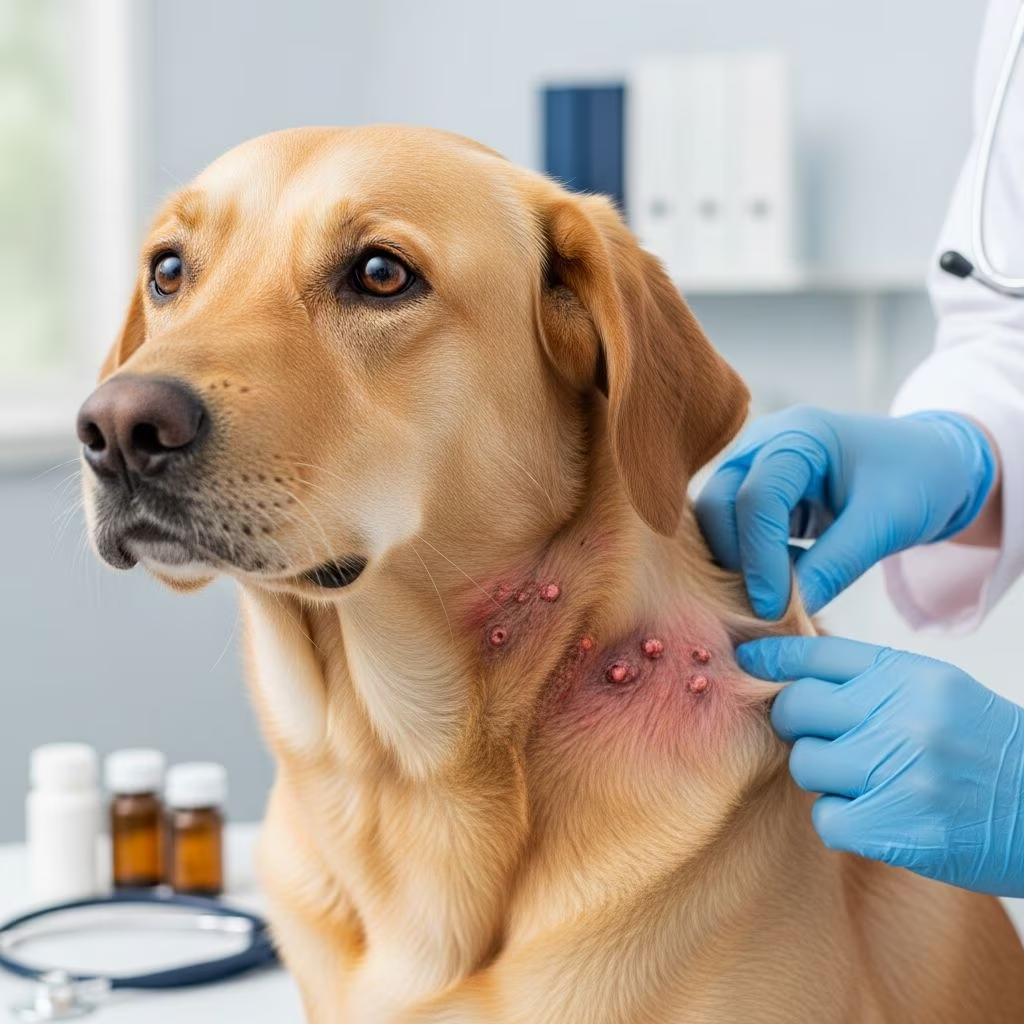
Bacterial skin infections, commonly known as pyoderma, affect many dogs and manifest as superficial or deep conditions requiring prompt attention. These infections often stem from bacteria like Staphylococcus pseudintermedius disrupting the skin barrier, leading to discomfort and potential complications if untreated.
Understanding the Nature of Canine Pyoderma
Pyoderma refers to pus-forming bacterial infections in a dog’s skin layers. Superficial pyodermas involve the upper skin layers, presenting as red bumps, pustules, and hair loss, while deep pyodermas penetrate further, causing painful nodules, draining tracts, and crusts. Factors such as allergies, fleas, hormonal imbalances, or immune suppression predispose dogs to these issues, with recurrent cases signaling underlying problems.
Recognizing early signs is crucial: excessive itching, foul-smelling discharge, scaling, and circular lesions (folliculitis) are hallmarks. Breeds with dense coats or skin folds, like Bulldogs or Retrievers, face higher risks due to moisture trapping and poor ventilation.
Diagnostic Approaches for Accurate Identification
Veterinarians start with a thorough physical exam, skin scrapings, and cytology to visualize bacteria and inflammatory cells under a microscope. For persistent or resistant cases, especially methicillin-resistant Staphylococcus pseudintermedius (MRSP), bacterial culture and sensitivity testing guide targeted therapy, avoiding guesswork.
Tape cytology, where adhesive tape collects surface cells, offers a quick, non-invasive check for bacterial overgrowth. Biopsies may be needed for deep infections to rule out concurrent fungal issues or neoplasia. Early diagnosis prevents progression and antibiotic resistance.
Topical Therapies: First Line of Defense
Topical treatments shine for superficial pyodermas, minimizing systemic antibiotic needs and resistance risks. Chlorhexidine at 2-4% concentration stands out as the gold standard antiseptic, effectively targeting S. pseudintermedius, Pseudomonas aeruginosa, and yeast like Malassezia.
Bathing every 1-2 days with chlorhexidine shampoos removes crusts, reduces bacterial load, and promotes healing. Leave-on conditioners, sprays, wipes, or mousses extend efficacy between baths, accelerating recovery. Products with ophytrium further bolster skin barriers, curb biofilm formation, and preserve healthy microbiota.
- Shampoo protocols: Lather for 10 minutes, rinse thoroughly; use veterinary-grade formulations for stability.
- Targeted ointments: Mupirocin for focal MRSP lesions; amikacin spray (5 mg/mL in Tris-EDTA) twice daily as gentamicin alternative.
- Frequency adjustment: Reduce to 2-3 times weekly post-initial phase with maintenance topicals.
For deep pyodermas, topicals adjunct systemic drugs, aiding drainage and crust removal.
Systemic Antibiotics: When Topical Isn’t Enough
Deep or widespread infections demand oral or injectable antibiotics, selected via culture results to combat resistance. Cephalosporins like cephalexin serve as empirical first choices for uncomplicated pyodermas, with 3-6 weeks minimum duration.
| Antibiotic Class | Examples | Indications | Duration |
|---|---|---|---|
| Cephalosporins | Cephalexin, Cefpodoxime | First-line for staphylococcal pyoderma | 3-6 weeks |
| Lincosamides | Clindamycin | MRSP if sensitive (check macrolide cross-resistance) | 4-8 weeks |
| Sulfonamides | Trimethoprim-sulfadiazine | Potentiated for gram-positive/negative coverage | 4-6 weeks |
| Fluoroquinolones | Enrofloxacin (avoid empirical for staph) | Gram-negative dominance, resistance concerns | 3-4 weeks |
Treat until full resolution, combining with topicals. For MRSP, avoid empiric use; culture mandatory. Immunostimulants may support in chronic cases.
Addressing Resistant Infections
Methicillin-resistant strains like MRSP challenge treatment, thriving despite standard antibiotics. Topical dominance is key: chlorhexidine baths reduce bacterial reservoirs, potentially reversing resistance by allowing plasmid loss. Systemic options include sulfonamides or lincosamides only if sensitivity confirmed; fluoroquinolones risk further resistance.
Aggressive, prolonged therapy (up to 10 weeks) with monitoring prevents relapse. Home management hygiene prevents reinfection.
Supportive Care and Home Management
Clip hair around lesions for cleaning access; use Elizabethan collars to curb licking. Moisturizing sprays maintain barrier function post-infection. Address root causes: flea control, hypoallergenic diets, or allergy testing.
Owners should clean bedding weekly, disinfect environments, and monitor for recurrence signals like lethargy or appetite loss.
Prevention Strategies for Long-Term Skin Health
Proactive measures slash pyoderma risks:
- Regular chlorhexidine baths for at-risk breeds.
- Flea preventives year-round.
- Balanced omega-3 diets for barrier support.
- Control allergies via vet-recommended testing.
- Daily grooming to spot issues early.
Vaccination status and routine wellness checks catch predispositions. Avoid overbathing with harsh soaps, preserving natural oils.
Potential Complications and When to Seek Help
Untreated pyodermas lead to sepsis, scarring, or zoonotic spread (MRSP to humans). Worsening pain, fever, or lymph node swelling warrants immediate vet care. Post-treatment, taper topicals gradually to avoid rebound.
Frequently Asked Questions (FAQs)
What causes bacterial skin infections in dogs?
Primary causes include skin barrier breaches from allergies, parasites, or endocrine disorders, allowing bacterial overgrowth.
Can I treat pyoderma at home without a vet?
Mild cases may respond to over-the-counter chlorhexidine shampoos, but consult a vet for diagnosis and antibiotics to prevent resistance.
How long does treatment take?
Superficial: 2-4 weeks; deep/resistant: 6-12 weeks with follow-up.
Is MRSP contagious to humans?
Possible, especially immunocompromised; practice hand hygiene.
Are there natural remedies?
Supportive like coconut oil, but not substitutes for vet-prescribed antimicrobials.
References
- Treating Resistant Skin Infections in Dogs — Today’s Veterinary Practice. 2023. https://todaysveterinarypractice.com/dermatology/treating-resistant-skin-infections-in-dogs/
- Bacterial skin infection in dogs: pyodermas – a common condition — DOUXO. 2024. https://www.douxo.com/sg_en/your-dog-s-skin/bacterial-skin-infection-pyoderma-folliculitis
- Systemic treatment of bacterial skin infections of dogs and cats — PubMed (Peer-reviewed). 2021-10-18. https://pubmed.ncbi.nlm.nih.gov/34644990/
- Treatment Options for Bacterial and Fungal Infections in Dogs — PetCareRx. 2023. https://www.petcarerx.com/article/treatment-options-for-bacterial-and-fungal-infections-in-dogs/6061
- Pet Bacterial Skin Infections (Pyoderma) — Tri-County Animal Hospital. 2024. https://tricountyah.com/pet-health/bacterial-skin-infections/



