

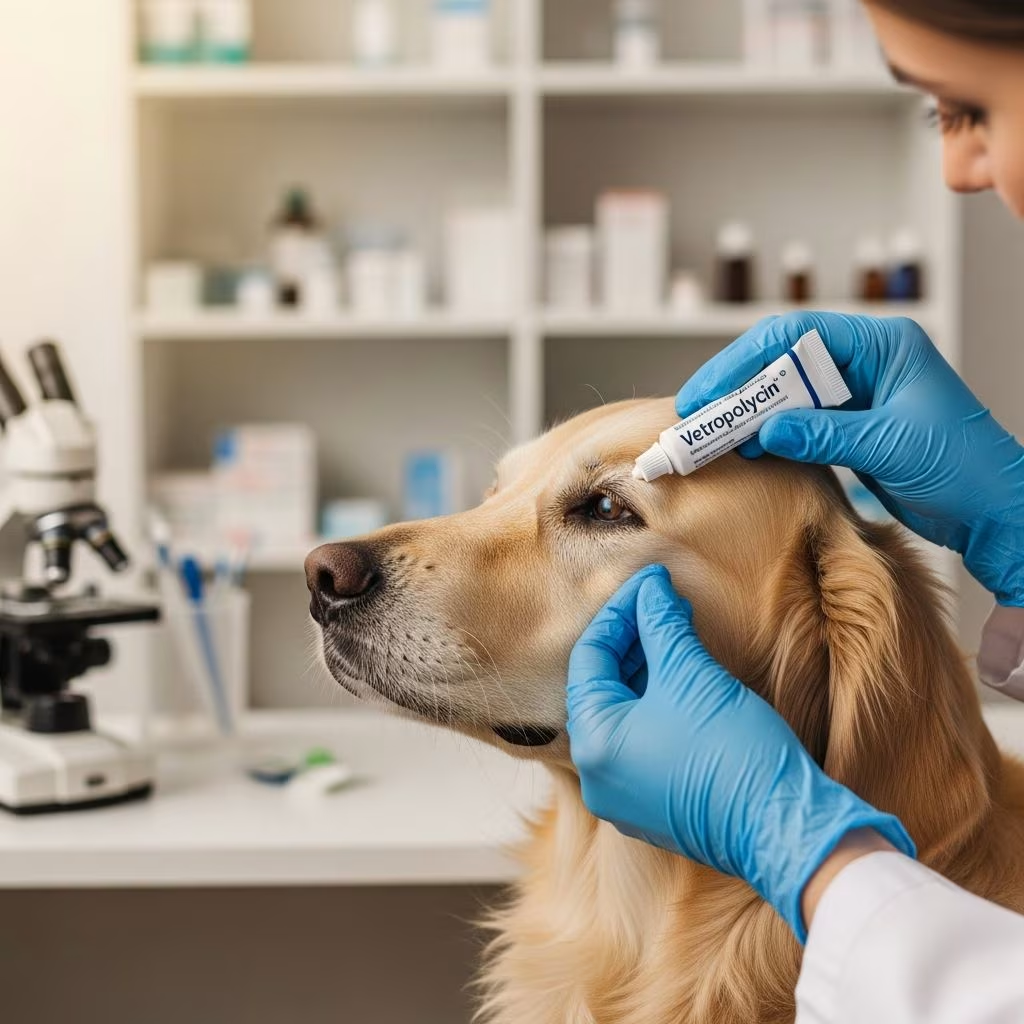
Bacterial infections represent a frequent challenge in veterinary practice, particularly affecting the eyes, ears, and skin of dogs and cats. Vetropolycin, a triple antibiotic ointment combining bacitracin, neomycin, and polymyxin B, offers a targeted topical solution for these conditions. This article delves into its applications, proper usage protocols, integration with broader antimicrobial stewardship, and essential precautions to safeguard pet health while minimizing resistance risks.
Understanding Common Bacterial Infections in Companion Animals
Bacterial pathogens often target vulnerable areas like the ocular surface, ear canals, and superficial skin layers in pets. Conjunctivitis, otitis externa, and pyoderma are prevalent, triggered by bacteria such as Staphylococcus spp., Streptococcus spp., and Pseudomonas aeruginosa. These infections can arise from trauma, allergies, or underlying diseases, leading to symptoms like discharge, redness, swelling, and discomfort.
In cats, upper respiratory infections occasionally involve secondary bacterial components, though viral causes predominate. Dogs with predispositions like hyperadrenocorticism face heightened risks for skin and urinary tract issues. Early recognition through clinical signs and diagnostics, including cytology or culture, is crucial before initiating therapy.
Vetropolycin: Composition and Mechanism of Action
Vetropolycin’s potency stems from its synergistic blend of three antibiotics. Bacitracin disrupts bacterial cell wall synthesis, neomycin inhibits protein production by binding to ribosomes, and polymyxin B targets gram-negative outer membranes. This combination broadens the spectrum against common ocular and cutaneous pathogens while reducing resistance emergence compared to single agents.
The ointment formulation ensures prolonged contact time at the infection site, enhancing efficacy for superficial applications. It is particularly suited for accessible areas where systemic absorption remains minimal, preserving gut flora and avoiding broader resistance pressures.
Indications for Vetropolycin Use
- Ocular Infections: Superficial bacterial conjunctivitis, keratitis, and blepharitis in dogs and cats.
- Ear Conditions: Mild otitis externa without deep canal involvement or tympanic rupture.
- Skin Lesions: Localized pyoderma, abrasions, or post-surgical wounds prone to bacterial contamination.
Vetropolycin shines in cases confirmed or suspected to involve susceptible bacteria, avoiding overuse in viral, fungal, or non-infectious inflammations.
Step-by-Step Application Guidelines
Administer Vetropolycin under veterinary supervision within a valid veterinarian-client-patient relationship (VCPR). Clean the affected area gently with saline or a mild antiseptic before application to remove debris.
- Prepare the Pet: Restrain safely and cleanse the site.
- Apply Ointment: Squeeze a thin ribbon (1/4 to 1/2 inch) directly onto the lesion or into the conjunctival sac for eyes. For ears, massage into the canal.
- Frequency: 2-4 times daily, tapering as improvement occurs.
- Duration: Typically 5-7 days; discontinue if no response in 48-72 hours and reassess.
Monitor for resolution and perform an antimicrobial time-out at 48-72 hours to evaluate progress and adjust based on response or lab results.
Antimicrobial Stewardship in Topical Treatments
Responsible use aligns with AVMA, AAFP/AAHA, and WSAVA principles: commit to stewardship, prevent diseases, select judiciously, evaluate practices, and educate owners. Reserve Vetropolycin for confirmed bacterial cases, ruling out non-responsive conditions like feline herpesvirus or sterile inflammations.
Avoid prophylactic routines; justify only high-risk scenarios like neurosurgery. Prioritize culture and susceptibility testing for recurrent or severe infections, favoring first-line topicals over systemic critically important antimicrobials.
| Condition | First-Line Approach | Alternatives if Resistant |
|---|---|---|
| Ocular Bacterial | Vetropolycin ointment | Systemic cephalexin; culture-guided |
| Otitis Externa | Topical Vetropolycin + cleaner | Fluoroquinolone drops |
| Skin Pyoderma | Vetropolycin for mild cases | Oral amoxicillin-clavulanate |
This table outlines tiered strategies, emphasizing topical preference.
Potential Side Effects and Contraindications
Though topical, risks include local hypersensitivity (redness, itching), rare ototoxicity in perforated eardrums, and neomycin-induced allergic reactions. Contraindicate in known hypersensitivities, deep infections requiring systemic therapy, or fungal/viral primaries. Patient factors like renal impairment warrant caution due to potential absorption.
Discuss risks with owners, including resistance contributions if misused. Pregnant or breeding animals need veterinary clearance.
Preventing Bacterial Infections Proactively
Stewardship extends to prevention: vaccinate against predisposing viruses, manage allergies, maintain hygiene, and perform routine ear cleaning in floppy-eared breeds. Nutritional balance and parasite control bolster immunity, reducing infection incidence.
For high-risk surgeries, limit perioperative prophylaxis to 24 hours post-incision, per guidelines.
When to Escalate Beyond Vetropolycin
Failure to improve signals resistance, deeper involvement, or misdiagnosis. Escalate to cytology, culture/susceptibility, or systemic antibiotics like amoxicillin-clavulanate for UTIs or cephalexin for pyoderma. Consult specialists for multidrug-resistant cases like MRSP.
ISCAID guidelines stress urine culture for feline lower urinary tract disease over blind therapy.
Owner Education and Compliance
Clear instructions prevent errors: complete courses, avoid sharing, store properly. Warn against esophageal risks with unrelated orals like doxycycline, but irrelevant here. Track outcomes in records for stewardship evaluation.
FAQs on Vetropolycin and Bacterial Management
Is Vetropolycin safe for kittens or puppies?
Yes, under vet guidance, but confirm no hypersensitivity and monitor closely.
Can I use it for cat scratches or dog hot spots?
Ideal for superficial bacterial components; clean first and apply sparingly.
How does it combat antibiotic resistance?
Topical limits systemic exposure; stewardship ensures targeted use.
What if symptoms worsen?
Stop and seek vet reevaluation promptly for culture or alternatives.
Alternatives for allergic pets?
Silver sulfadiazine or mupirocin; vet-prescribed fluoroquinolones.
Future Directions in Veterinary Antimicrobials
Ongoing guidelines evolve with resistance patterns. ACVIM and ISCAID updates prioritize diagnostics, short courses, and alternatives like phages or probiotics. Integrating AI for susceptibility prediction promises precision.
Vets must log treatments, fostering data-driven decisions. Owner partnerships amplify impact.
References
- AAFP/AAHA Antimicrobial Stewardship Guidelines — American Veterinary Medical Association (AVMA). 2023. https://www.avma.org/resources-tools/avma-policies/aafpaaha-antimicrobial-stewardship-guidelines
- WSAVA Library on Responsible Antimicrobial Use and AMR Prevention — World Small Animal Veterinary Association (WSAVA). 2023-05. https://wsava.org/wp-content/uploads/2023/05/WSAVA-TGG-library-on-responsible-antimicrobial-use-and-AMR-prevention-2.pdf
- ISCAID Guidelines for Bacterial Urinary Tract Infections — International Society for Companion Animal Infectious Diseases (ISCAID). 2019. https://www.iscaid.org/guidelines
- 2022 AAFP/AAHA Antimicrobial Stewardship Guidelines — American Animal Hospital Association (AAHA). 2022. https://www.aaha.org/wp-content/uploads/globalassets/02-guidelines/2022-antimicrobial/2022-aafp_aaha-antimicrobial-stewardship-guidelines.pdf
- OSU VMC Antimicrobial Use Guidelines — Ohio State University College of Veterinary Medicine. Recent. https://ohiostate.pressbooks.pub/osuvmcabxuse/
- Antimicrobial Use Guidelines for Respiratory Tract Disease — PubMed Central (PMC). 2017. https://pmc.ncbi.nlm.nih.gov/articles/PMC5354050/



