Managing Aggressive Behavior in Dogs That Bite
Understand why dogs bite their owners and effective strategies to address the issue
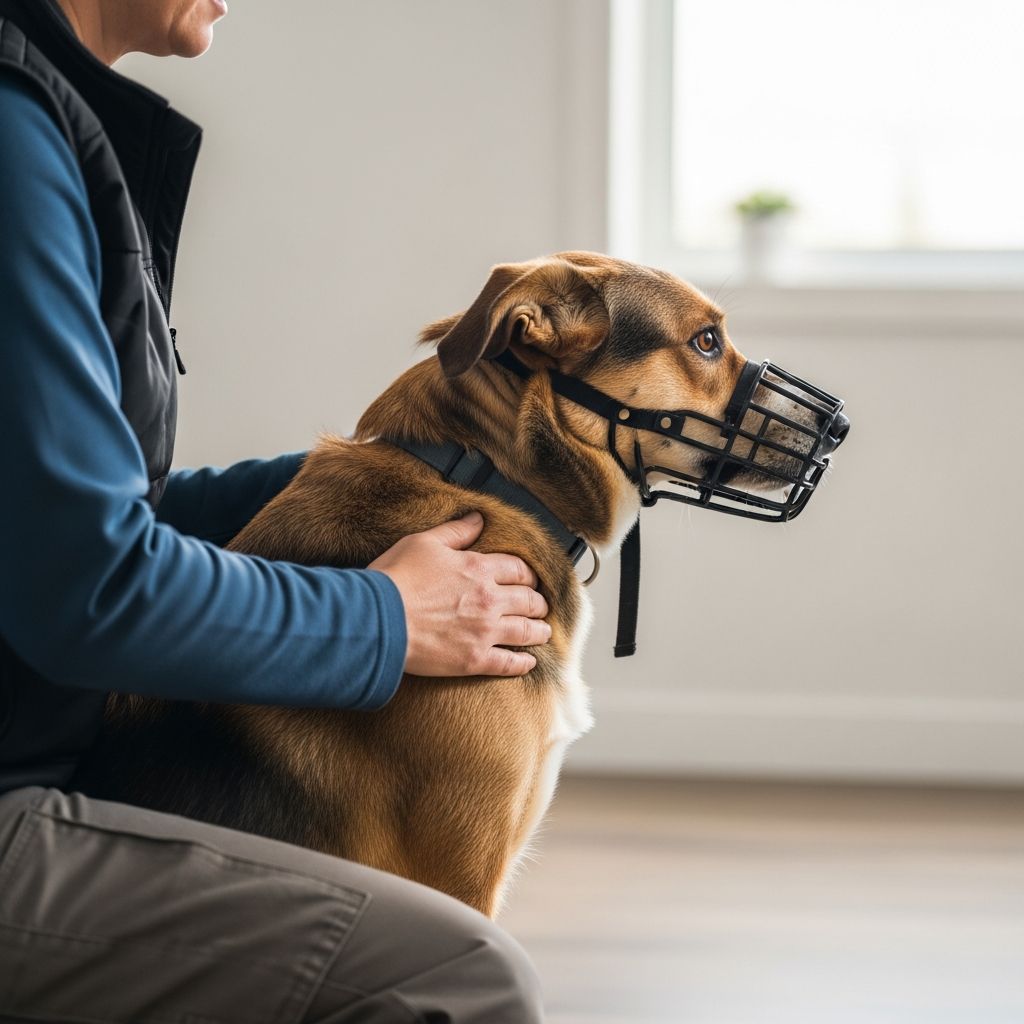
When a dog that lives in your home bites you, it creates a distressing situation that demands immediate understanding and action. Whether the bite is a minor nip during play or a serious aggressive incident, the underlying causes are often rooted in communication breakdown, environmental stress, or unmet needs. Rather than viewing your dog as inherently dangerous, recognizing that aggressive biting typically stems from fear, anxiety, pain, or learned behavior provides a pathway toward productive solutions. This comprehensive guide explores the multifaceted reasons behind owner-directed aggression and offers practical strategies to address the problem safely and effectively.
Recognizing the Root Causes of Owner-Directed Biting
Understanding why your dog bites is the essential first step in resolving the behavior. Dogs do not bite out of malice; they bite because something in their physical or emotional state has triggered a defensive or protective response. Multiple factors can contribute to this troubling behavior, and often several causes work together to create the problem.
Fear and Anxiety as Primary Drivers
Fear represents one of the most common motivations behind biting incidents involving owners. Dogs that feel scared, threatened, or overwhelmed may resort to biting as a last-resort defense mechanism. This fear often stems from inadequate socialization during critical developmental periods. Dogs are most receptive to learning between ages three and fourteen weeks, making early exposure to diverse people, environments, and stimuli crucial. Without this early positive exposure, dogs may develop anxiety around normal household situations, leading to defensive reactions when owners interact with them.
Rescue dogs or those with unknown histories frequently exhibit fear-based aggression because their past experiences have taught them that humans are unpredictable or threatening. Even subtle human actions—sudden movements, reaching over the dog’s head, or invading their personal space—can trigger panic responses in anxious dogs.
Physical Pain and Health Conditions
A dog’s behavioral change toward aggression often indicates underlying medical issues. Pain from arthritis, dental disease, ear infections, or other health conditions can make dogs hypersensitive to touch, causing them to snap or bite when touched in sensitive areas. Illness and discomfort lower a dog’s tolerance threshold, making them more likely to respond defensively to normal handling.
Before pursuing behavioral interventions, scheduling a comprehensive veterinary wellness examination is essential to rule out medical causes. This examination should include an assessment of pain levels and a discussion of any recent behavioral changes with your veterinarian.
Resource Guarding and Possessiveness
Some dogs develop possessive behaviors around food, toys, or even their owners. This resource-guarding behavior can escalate from subtle warning signs like stiffening or growling into actual biting incidents. A dog may bite an owner who reaches toward their food bowl, attempts to take away a toy, or even approaches a family member the dog views as “belonging” to them.
Overstimulation and Arousal
Excessive play, chaotic household environments, or constant handling can overwhelm a dog’s nervous system. Overstimulation may cause impulsive nipping or reactive biting, particularly in puppies. When a dog reaches this heightened state of arousal without an outlet or break, aggression can emerge suddenly.
Interpreting Canine Warning Signals
Dogs rarely escalate directly to biting without first communicating their distress through body language. Learning to read these subtle signals allows you to intervene before a bite occurs.
Early Warning Signs
Before a bite happens, your dog typically displays several physical indicators of escalating stress:
- Tense body posture and stiffened muscles
- Ears pinned back against the head
- Dilated pupils and intense staring
- Raised hackles along the back
- Lip licking or yawning inappropriately
- Low growling or rumbling sounds
- Turning away or avoiding eye contact
These warning signs represent your dog’s attempt to communicate discomfort before resorting to biting. When you observe even subtle indicators like ear position changes or slight stiffening, cease interaction immediately and create distance between yourself and your dog.
Understanding Contextual Triggers
Each dog has individualized triggers that provoke aggressive responses. Common triggers include loud noises, crowded environments, being disturbed while eating or sleeping, and interactions from unfamiliar people. Identifying your specific dog’s triggers allows you to prevent stressful situations and create a more predictable, safe environment.
Keep a record of incidents: note what happened immediately before the bite, your dog’s body language, and environmental factors present. Patterns often emerge that reveal specific trigger situations.
Creating a Management Plan for Safety
While working toward behavioral solutions, immediate management strategies protect both you and your household members from injury.
Environmental Modifications
Reducing exposure to known stressors prevents incidents while behavior modification work progresses:
- Establish a quiet, designated space where your dog can retreat without interruption
- Remove toys or food items that trigger possessive behavior before they cause conflict
- Minimize chaotic situations that lead to overstimulation, such as rough play or excessive handling
- Use baby gates or closed doors to manage interactions between your dog and family members
- Keep your dog on a fixed-length leash indoors during high-risk periods
Stress Reduction Strategies
Lowering overall stress levels helps improve your dog’s emotional regulation:
- Establish a consistent daily routine of feeding, exercise, play, and training
- Provide adequate physical exercise appropriate to your dog’s age and breed
- Engage in mental enrichment activities like puzzle toys and training sessions
- Create quiet periods for rest without interruption or stimulation
- Consider calming supplements or anxiety medications under veterinary guidance
Training Interventions and Behavior Modification
Addressing the underlying aggression requires patient, systematic training using evidence-based methods.
The Critical Role of Positive Reinforcement
Punishment-based training methods increase fear and typically worsen aggressive behavior. Instead, reward-based training that encourages desired behaviors through treats, praise, and play builds trust and improves communication between you and your dog.
Focus training on alternative behaviors that are incompatible with biting. For example, teach your dog to sit calmly when their typical trigger appears, then reward heavily for the appropriate response. Over time, your dog learns that calm behavior produces positive outcomes, gradually reshaping their response pattern.
Desensitization and Counterconditioning
These specialized techniques help dogs develop new emotional responses to situations that previously triggered aggression. Desensitization involves gradual exposure to the trigger at very low intensity levels, while counterconditioning pairs the trigger with positive experiences like treats or play.
For example, if your dog bites when you reach toward their food bowl, you would start by standing several feet away during meals, then gradually decrease distance over many sessions while simultaneously delivering high-value treats. This retrains your dog’s brain to anticipate good things when you approach the previously threatening situation.
Professional Guidance is Often Necessary
Serious aggression requires consultation with a certified professional dog trainer or veterinary behaviorist who uses science-based, humane methods. These professionals can assess the specific aggression type, develop a customized training plan, and guide you through implementation. Attempting to address serious biting without professional help risks injury and can inadvertently reinforce the aggressive behavior.
Medical and Veterinary Considerations
Spaying or neutering reduces aggressive tendencies significantly, with altered dogs being approximately three times less likely to bite than intact dogs. If you have not already done so, discuss spay or neuter surgery with your veterinarian.
In cases where training and management alone prove insufficient, veterinary behaviorists may recommend anti-anxiety medications to help your dog achieve a calmer emotional state while behavioral work progresses. These medications can lower baseline anxiety enough to allow learning to occur more effectively.
Prevention Through Proper Early Development
For puppy owners or those considering adding a dog to their household, understanding prevention prevents future problems.
Critical Socialization Window
Puppies exposed to diverse people, animals, environments, and experiences during the sensitive socialization period develop greater confidence and resilience. This early socialization significantly reduces fear-based behaviors and the likelihood of aggressive responses later in life.
Foundational Training
Basic obedience training establishes communication channels and builds a foundation of trust. Teaching commands like sit, stay, and come provides tools for managing your dog’s behavior in various situations.
Establishing Boundaries
Teaching children and family members appropriate ways to interact with dogs prevents many incidents. Dogs require their own space and opportunities for uninterrupted rest. Respecting these boundaries reduces stress and defensive reactions.
When Professional Help Becomes Essential
Certain aggression scenarios warrant immediate professional intervention. Serious bites that break skin, repeated incidents despite management efforts, or unpredictable aggression toward multiple family members indicate the need for veterinary behaviorist consultation. These professionals can determine whether the aggression is manageable or whether the situation poses ongoing danger.
Frequently Asked Questions
Q: Can a dog that bites their owner ever be trusted again?
A: Many dogs with manageable aggression can improve significantly with proper training, medical treatment, and environmental management. However, the timeline and extent of improvement varies by individual case. Professional assessment helps determine realistic expectations.
Q: Should I punish my dog after they bite me?
A: No. Punishment typically increases fear and worsens aggression. Instead, focus on understanding the trigger and preventing future incidents through management and training.
Q: Is aggressive behavior always a sign of a “bad” dog?
A: Aggressive behavior reflects underlying issues like fear, pain, or learned behaviors—not inherent badness. Many dogs with aggression histories become well-adjusted pets when their needs are properly addressed.
Q: How long does behavior modification take?
A: The timeline varies significantly depending on the aggression type, your dog’s history, and consistency of training. Some improvements appear within weeks, while substantial change often takes months of dedicated work.
Moving Forward With Confidence
Addressing a dog that bites requires patience, commitment, and often professional support. By understanding the underlying causes, recognizing warning signs, implementing appropriate management strategies, and pursuing evidence-based training interventions, many dog owners successfully resolve aggressive behavior and rebuild a safe, trusting relationship with their pet.
References
- Dog Bites 101: Why They Happen and How to Prevent Them — Cloquet Veterinary Clinic. 2024. https://cloquetvet.com/dog-bites-101-why-they-happen-and-how-to-prevent-them/
- Pet Owners’ Guide to Dog Bite Prevention — Animal Emergency Care. 2024. https://animalemergencycare.net/aecprevents/pet-owners-guide-to-dog-bite-prevention/
- Preventing Dog Bites: It Is Not Only about the Dog — PubMed Central, National Institutes of Health. 2020. https://pmc.ncbi.nlm.nih.gov/articles/PMC7222712/
- Dog Bite Prevention — American Society for the Prevention of Cruelty to Animals (ASPCA). 2024. https://www.aspca.org/pet-care/dog-care/dog-bite-prevention
- Dog Bite Prevention — Massachusetts Society for the Prevention of Cruelty to Animals (MSPCA-Angell). 2024. https://www.mspca.org/pet_resources/dog-bite-prevention/
- Why Do Dogs Bite? Understanding the Reasons Why Dogs React — American Kennel Club (AKC). 2024. https://www.akc.org/expert-advice/training/why-do-dogs-bite/
- Dog Bite Prevention: Managing Behavior Issues — Best Friends Animal Society. 2024. https://bestfriends.org/pet-care-resources/dog-bite-prevention-managing-behavior-issues
Similar Articles








Read full bio of medha deb