

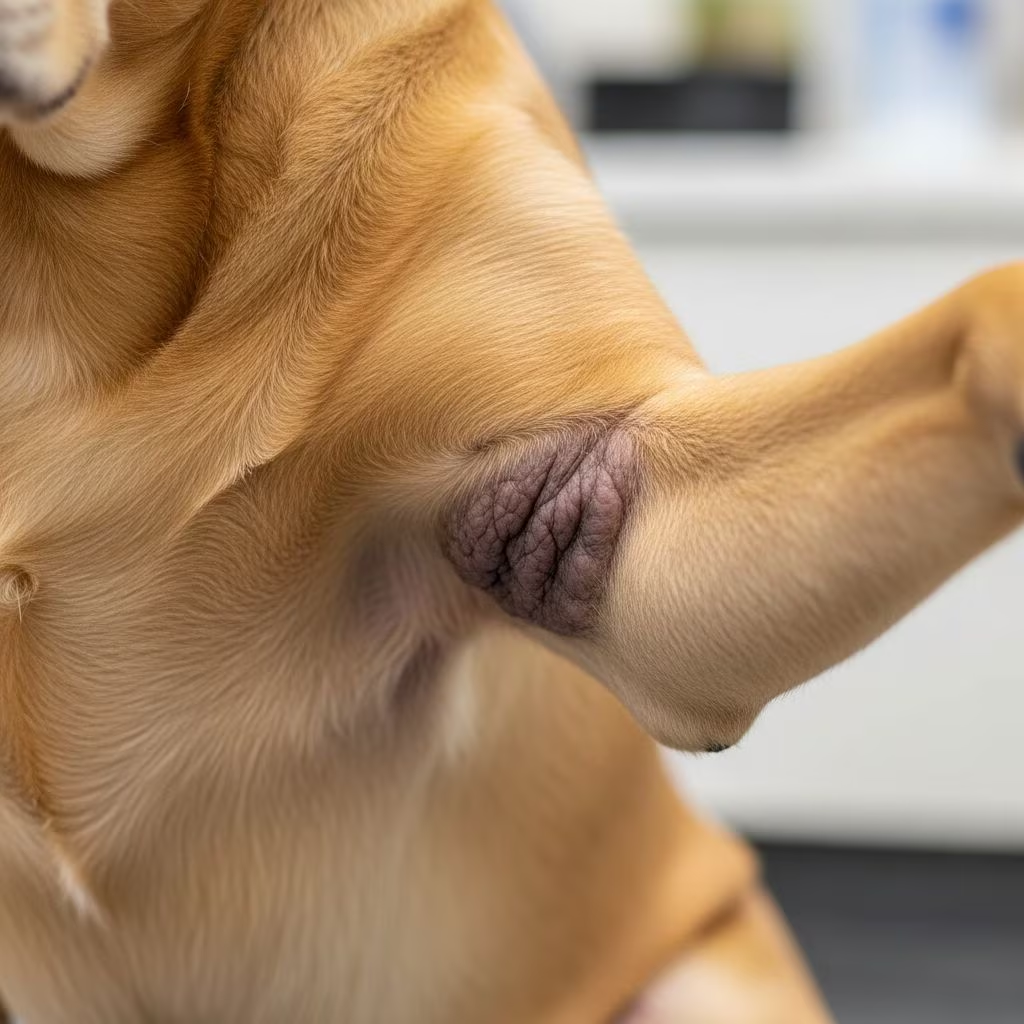
Acanthosis nigricans is a skin condition in dogs characterized by dark hyperpigmentation, thickening, and often hair loss in affected areas. It manifests as velvety, black or brown patches, primarily in body folds like armpits and groin.
Understanding the Two Forms of the Condition
This dermatological issue divides into primary and secondary types, each with distinct origins and implications for treatment.
Primary Acanthosis Nigricans: A Genetic Concern
Primary acanthosis nigricans is a rare, inherited disorder almost exclusively affecting Dachshunds and dogs with Dachshund lineage. Symptoms typically emerge between 3 and 12 months of age, starting in the axillary (armpit) and inguinal (groin) regions with diffuse, noninflammatory darkening of the skin.
The skin gradually thickens into a leathery texture, becomes hairless, and may develop secondary seborrhea, leading to greasy, odorous patches. Friction from skin folds exacerbates lichenification, where skin roughens further. Unlike secondary forms, there is no underlying inflammatory trigger initially.
Breeding affected dogs is discouraged to prevent propagation of this genodermatosis. While incurable, management focuses on symptom relief.
Secondary Acanthosis Nigricans: Triggered by Underlying Issues
Far more common, secondary acanthosis nigricans arises from inflammation, friction, or other health problems in any breed. It often affects dogs prone to obesity, allergies, or endocrine disorders, with onset possible at any age, usually after one year.
Common triggers include:
- Obesity causing skin folds and intertrigo (skin-on-skin rubbing)
- Allergic dermatitis or hypersensitivity reactions
- Hypothyroidism or other endocrinopathies like hyperadrenocorticism
- Bacterial or yeast infections (e.g., Malassezia dermatitis)
- Mange, contact dermatitis, or post-inflammatory responses
Addressing the root cause can lead to significant improvement or resolution.
Recognizing Key Symptoms Early
Early detection improves outcomes. Watch for these signs, especially in high-risk areas:
- Dark brown-to-black patches on skin, often velvety or wart-like
- Thickened, leathery texture with hair loss
- Greasy, crusty, foul-smelling seborrhea
- Itchiness, redness at edges indicating infection
- Pain in inflamed zones, patchy inflammation patterns
Areas commonly involved: axillae, groin, abdomen, hocks, perineum, neck, and periocular regions. Pruritus varies but often stems from secondary infections.
Diagnostic Approaches by Veterinarians
Veterinarians diagnose via clinical examination, history, and ruling out primaries. Key steps include:
- Skin cytology or biopsy to check for infections
- Bacterial cultures for staphylococcal overgrowth
- Tests for allergies, thyroid function, or hormones
- Age, breed, and pattern analysis (e.g., young Dachshund suggests primary)
Differentiate from epidermal nevi or other pigmentary disorders.
| Feature | Primary Form | Secondary Form |
|---|---|---|
| Breed Predisposition | Dachshund | Any, esp. obese/allergic |
| Onset Age | <1 year | Any, often >1 year |
| Initial Trigger | Genetic, noninflammatory | Inflammation/friction |
| Spread Pattern | Axillae/groin primarily | Diffuse, variable sites |
This table highlights distinctions for accurate diagnosis.
Treatment Strategies for Optimal Management
Treatment targets symptoms and causes, varying by type.
Topical and Supportive Therapies
Essential for both forms: medicated shampoos (e.g., chlorhexidine, miconazole) used 2-3 times weekly to combat seborrhea, odor, and infections. Topical steroids or anti-inflammatories reduce pruritus and lichenification.
Moisturizers prevent dryness; clip hair in folds for hygiene. Weight loss diets alleviate friction in obese dogs.
Addressing Secondary Causes
Treat underlying issues:
- Antibiotics/antifungals for infections
- Hypoallergenic diets or immunotherapy for allergies
- Thyroid supplements for hypothyroidism
- Mite treatments for mange
Primary cases focus on palliation as no cure exists.
Daily Home Care Routines
Owners play a vital role:
- Clean folds daily with mild antiseptics
- Bathe weekly with vet-recommended products
- Monitor weight and diet
- Avoid irritants; use Elizabethan collars if scratching
- Regular vet check-ups for progression
Consistency improves comfort and prevents complications.
Prognosis and Long-Term Outlook
Primary form: Lifelong management yields good quality of life with diligent care. Secondary form: Excellent if cause resolved, though pigmentation may persist.
Complications like chronic infections are preventable with vigilance.
FAQs on Canine Acanthosis Nigricans
Is acanthosis nigricans painful for dogs?
Variable; secondary infections cause discomfort, but managed cases are comfortable.
Can diet help with this condition?
Yes, weight control reduces folds; omega-3 supplements aid skin health.
How do I prevent it in Dachshund puppies?
Avoid breeding carriers; early monitoring in predisposed lines.
Will the black skin revert to normal?
Primary: No. Secondary: Often fades with treatment.
When should I see a vet?
At first sign of darkening or changes in skin texture.
Preventive Measures for At-Risk Dogs
Maintain ideal weight, hypoallergenic environments, and routine skin checks. For breeds like Dachshunds, genetic screening aids breeding decisions.
References
- Acanthosis Nigricans — University of Prince Edward Island. Accessed 2026. https://cidd.discoveryspace.ca/disorder/acanthosis-nigricans.html
- Hyperpigmentation (Acanthosis Nigricans) in Dogs — MSD Veterinary Manual. Accessed 2026. https://www.msdvetmanual.com/dog-owners/skin-disorders-of-dogs/hyperpigmentation-acanthosis-nigricans-in-dogs
- Acanthosis Nigricans in Dogs – Symptoms, Causes — WagWalking. Accessed 2026. https://wagwalking.com/condition/acanthosis-nigricans
- Primary Acanthosis Nigricans and Postinflammatory Hyperpigmentation in Dogs — Merck Veterinary Manual. Accessed 2026. https://www.merckvetmanual.com/integumentary-system/acanthosis-nigricans-and-postinflammatory-hyperpigmentation/primary-acanthosis-nigricans-and-postinflammatory-hyperpigmentation-in-dogs
- Acanthosis Nigricans in Dogs: Causes, Signs & Treatment — Pets4Homes. Accessed 2026. https://www.pets4homes.co.uk/pet-advice/black-patches-on-the-skin-acanthosis-nigricans-in-dogs.html
- Cutaneous hyperpigmentation in dogs — PMC (NCBI). 2021-12-01. https://pmc.ncbi.nlm.nih.gov/articles/PMC8682925/



