

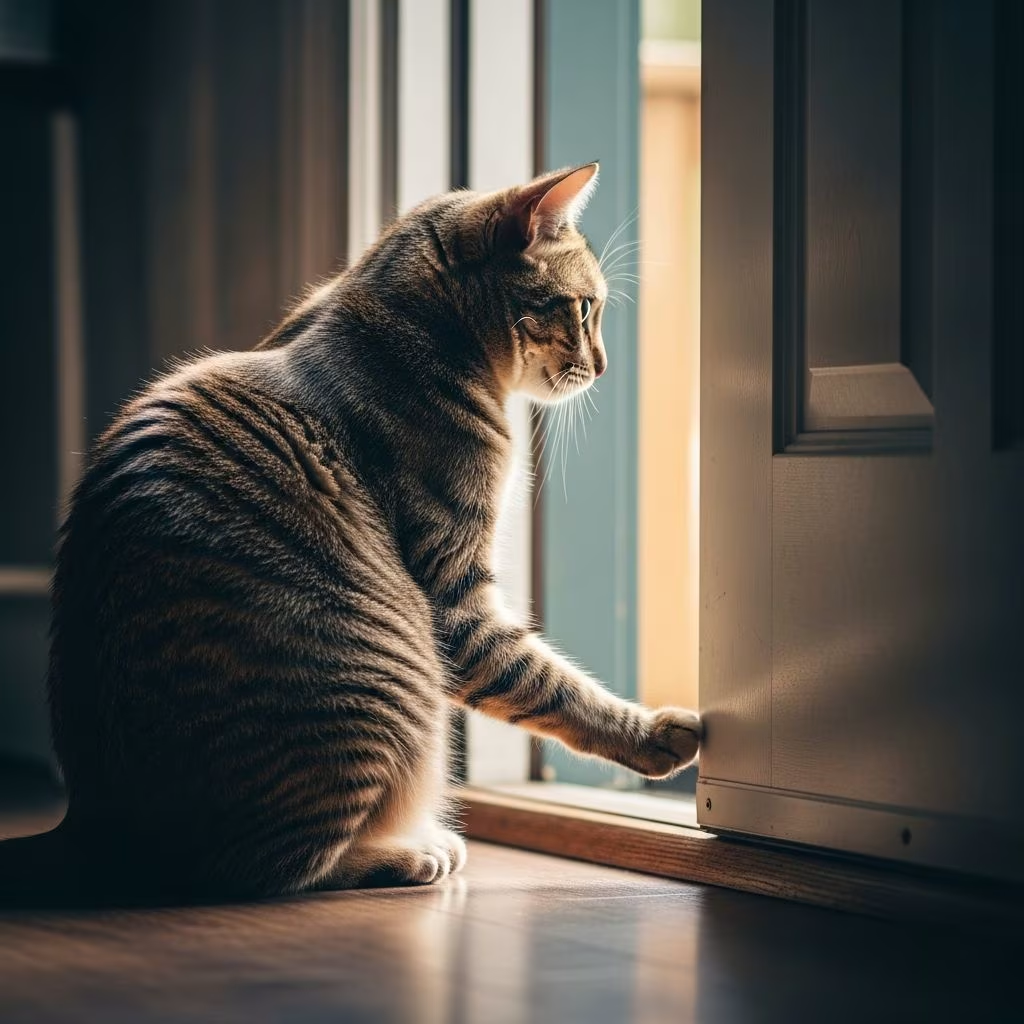
Cats have a reputation for being independent creatures that prefer solitude, yet many feline companions experience genuine distress when separated from their owners. Separation anxiety in cats is a recognized behavioral condition that affects countless pets and their families. Unlike the popular perception of cats as aloof and self-sufficient, these sensitive animals can develop strong bonds with their caregivers and may experience significant stress when left alone. Understanding this condition is the first step toward helping your cat feel more secure and comfortable during your absences.
Understanding Feline Separation Anxiety
Separation anxiety in cats is defined as a stress response that occurs when a cat becomes separated from a person or people with whom they are strongly bonded. This condition is more common than many pet owners realize, particularly among indoor cats that have limited exposure to different environments and caregivers. Cats experiencing separation anxiety don’t simply miss their owners; they experience genuine psychological distress characterized by behavioral and physiological changes.
The condition manifests differently in each cat, and recognizing the distinction between normal cat behavior and true separation anxiety is crucial. A cat that occasionally meows when you leave differs significantly from one that exhibits a constellation of anxiety-related symptoms. True separation anxiety typically presents as a combination of behaviors observable both when you’re home preparing to leave and during your actual absence.
Recognizing the Signs of Separation Anxiety
Identifying separation anxiety requires careful observation of your cat’s behavior patterns. The symptoms can manifest in various ways, and understanding them helps distinguish separation anxiety from other behavioral issues.
Vocal Indicators
One of the most noticeable signs of separation anxiety is excessive vocalization. Cats with this condition may cry, meow, yowl, or moan persistently, both before you leave and during your absence. Unlike regular meowing that communicates hunger or desire for attention, anxiety-related vocalization is persistent and continues long after you’ve left the room or home. Some owners report that their cats vocalize excessively throughout the day and night when left alone.
Litter Box Issues
Inappropriate elimination is a significant indicator of separation anxiety. Anxious cats may urinate or defecate outside their litter box, often on your clothing, bedding, or furniture. This behavior serves multiple purposes for the anxious cat—it marks territory with their scent, provides comfort through familiar smells, and expresses their distress. Some cats may also avoid using the litter box entirely when experiencing separation anxiety, leading to accidents throughout the home.
Destructive Behaviors
Cats with separation anxiety frequently engage in destructive scratching and other destructive behaviors. They may scratch doors, windows, furniture, and other household items, not out of normal scratching behavior but as a stress-relief mechanism and a way to leave scent markers that comfort them. Some anxious cats may also attempt to escape, scratching at windows or doors in an effort to find their owner or escape the anxiety-inducing situation.
Grooming and Physical Symptoms
Excessive self-grooming is another common manifestation of feline separation anxiety. Anxious cats may overgroom to the point of creating bald patches or skin irritation. Additionally, some cats may vomit during periods of anxiety, with food or hair often present in the vomit. Changes in eating and drinking habits are also significant—some anxious cats refuse to eat or drink while alone, while others may eat too quickly and regurgitate their food.
Attachment and Behavioral Changes
Cats with separation anxiety often display extreme attachment to their owners. These cats constantly follow you from room to room, demand constant attention, and become visibly upset when you move away. They may exhibit anxious behaviors at departure time, including nervousness, hiding, blocking doorways, or attempting to prevent you from leaving. Upon your return, they may greet you with unusually exuberant enthusiasm. Some anxious cats also show increased lethargy and loss of interest in play when separated from their owners.
Understanding the Root Causes
Separation anxiety in cats develops for various reasons, and recognizing the underlying causes can help you address the condition more effectively. There is no single cause, but rather a combination of factors that increase a cat’s vulnerability to this condition.
Environmental and Lifestyle Factors
Cats that live exclusively indoors, particularly those living with only one person or as the only pet in the household, are at higher risk for developing separation anxiety. These cats have limited exposure to varied social situations and may become overly dependent on their single caregiver. Additionally, cats that have experienced significant changes in their environment—such as moving to a new home, acquiring a new owner, or experiencing disruptions in their daily routine—are more prone to separation anxiety.
Early Life Experiences
A cat’s early life experiences significantly influence their susceptibility to separation anxiety. Kittens taken from their mothers too early or bottle-raised may not develop appropriate coping mechanisms for separation. Cats that were inadequately socialized as kittens may be more prone to anxiety when left alone. Additionally, cats that have experienced previous abandonment or negative experiences when left alone may develop separation anxiety as a result of that trauma.
Routine Changes and Life Events
Sudden changes in routine are particularly problematic for cats prone to separation anxiety. Common triggers include an owner returning to the office after working from home, changes in work schedules, vacations, bringing a new baby into the home, or moving to a new residence. Cats are creatures of habit, and abrupt changes to their environment or schedule can trigger or exacerbate anxiety symptoms.
Lack of Stimulation and Socialization
Cats that don’t receive adequate stimulation and interaction may become bored and develop separation anxiety. Without proper mental and physical enrichment, indoor cats may become overly reliant on their owners for entertainment and comfort. Poor early socialization also contributes to anxiety, as does hormonal changes that can alter behavior and increase anxiety responses.
Strategies for Managing Separation Anxiety
Managing feline separation anxiety requires a multifaceted approach that addresses the cat’s emotional needs, environmental enrichment, and daily routine.
Establish a Consistent Routine
Creating and maintaining a predictable daily schedule helps reduce anxiety significantly. Cats thrive on routine, and knowing when feeding time, playtime, and your departure occur allows them to feel more in control. Establish consistent times for meals, play sessions, and your departures and returns. This predictability creates a sense of security that can buffer against separation anxiety.
Gradual Desensitization to Departures
One of the most effective strategies for managing separation anxiety is gradually acclimating your cat to your absence. Start by leaving your cat alone for very short periods—just a few minutes—and gradually extend the duration over weeks or months. This slow exposure helps your cat learn that you will return and that being alone is not dangerous. Practice departures without making a big fuss; avoid extended goodbyes or dramatic greetings, as these can intensify anxiety.
Create a Safe and Comfortable Environment
Providing a safe, comfortable space where your cat can retreat during your absence is essential. Set up a designated area with familiar belongings, including items with your scent. Ensure your cat has access to food, water, and a clean litter box in this space. Some cats benefit from having access to a window where they can observe outdoor activity, while others prefer a quiet, enclosed space. Experiment to determine what makes your individual cat feel most secure.
Environmental Enrichment
Interactive toys and mental stimulation are crucial for reducing separation anxiety. Puzzle feeders, treat-dispensing toys, and interactive play sessions help keep your cat mentally engaged and physically exercised. A tired cat is less likely to experience anxiety during your absence. Consider rotating toys to maintain novelty and interest. Window perches, cat trees, and hiding spots also provide enrichment and help create a stimulating environment.
Pheromone Products and Calming Aids
Feline pheromone diffusers, sprays, and collars can help reduce anxiety by creating a calming environment. These products mimic natural calming pheromones that cats produce, helping to reduce stress responses. Additionally, some cats benefit from calming supplements or treats designed to promote relaxation. Always consult with your veterinarian before introducing new products or supplements.
Multi-Pet Households
If feasible, having another pet in the household can provide companionship and reduce separation anxiety. A compatible feline companion can offer social interaction and comfort during your absence. However, this approach only works if the cats have compatible temperaments and have been properly introduced.
Professional Behavioral Support
For severe cases of separation anxiety, consulting with a certified cat behavior consultant or veterinary behaviorist is highly recommended. These professionals can develop customized treatment plans and provide guidance on behavioral modification techniques specific to your cat’s needs.
When to Consult Your Veterinarian
If your cat exhibits signs of separation anxiety, schedule an appointment with your veterinarian. Your vet can rule out underlying medical conditions that might cause similar symptoms, such as urinary tract infections or digestive issues. They can also discuss treatment options, including potential medication to help manage anxiety while you work on behavioral modification strategies. In some cases, short-term anti-anxiety medication prescribed by your vet can facilitate the behavioral training process.
Prevention and Long-Term Management
The best approach to separation anxiety is prevention through proper kitten socialization and gradual exposure to being alone. However, if your cat already experiences separation anxiety, consistent implementation of management strategies can significantly improve their quality of life. Be patient—managing separation anxiety takes time, and improvement may be gradual. Celebrate small victories and maintain consistency in your approach.
Frequently Asked Questions
Q: Can all cats develop separation anxiety?
A: While any cat can develop separation anxiety, certain factors increase the risk, including being raised exclusively indoors, living with only one person, poor early socialization, and previous abandonment experiences.
Q: How long does it take to resolve separation anxiety in cats?
A: The timeline varies depending on the severity of the anxiety and consistency of treatment implementation. Improvement can take weeks to several months of dedicated behavior modification efforts.
Q: Is medication necessary for treating separation anxiety?
A: Medication is not always necessary. Behavioral modification and environmental changes often resolve mild to moderate separation anxiety. However, your veterinarian may recommend medication in severe cases or to facilitate behavioral training.
Q: Can I use my scent to comfort my anxious cat?
A: Yes, leaving an item with your scent in your cat’s safe space can provide comfort. However, avoid overdoing this, as it might reinforce their dependence on your presence.
Q: What should I do if my cat has an accident outside the litter box?
A: Never punish your cat for accidents, as this increases anxiety. Clean accidents thoroughly with enzymatic cleaners to remove scent markers. Ensure you have enough litter boxes (one per cat plus one extra) placed in accessible locations.
Q: Are certain cat breeds more prone to separation anxiety?
A: While some breeds are known for being more social and potentially more prone to attachment, separation anxiety can affect cats of any breed.
References
- Separation Anxiety in Cats – 7 Signs & 9 Ways to Help — Splot Vets. https://www.splootvets.com/post/separation-anxiety-in-cats-signs-symptoms-ways-to-help
- Cats can experience separation anxiety when their owners are away — Festival Animal Clinic. https://festivalanimalclinic.com/blog/cats-separation-anxiety/
- Cat Separation Anxiety: Symptoms, Causes, and How To Help — Rover. https://www.rover.com/blog/cat-separation-anxiety/
- Separation Anxiety – Indoor Pet Initiative — The Ohio State University. https://indoorpet.osu.edu/cats/problem-solving/separation-anxiety
- Signs of Cat Separation Anxiety & How To Help — Whisker. https://www.whisker.com/blog/cat-separation-anxiety
- Can Cats Have Separation Anxiety? — PetMD. https://www.petmd.com/cat/conditions/behavioral/can-cats-have-separation-anxiety
- Separation Anxiety in Cats — ASPCA Pet Health Insurance. https://www.aspcapetinsurance.com/resources/separation-anxiety-in-cats/



