
Manage or Train: Dog Behavior Guide
Learn when to manage your dog's challenging behaviors for safety and when to train for lasting change using proven positive methods.
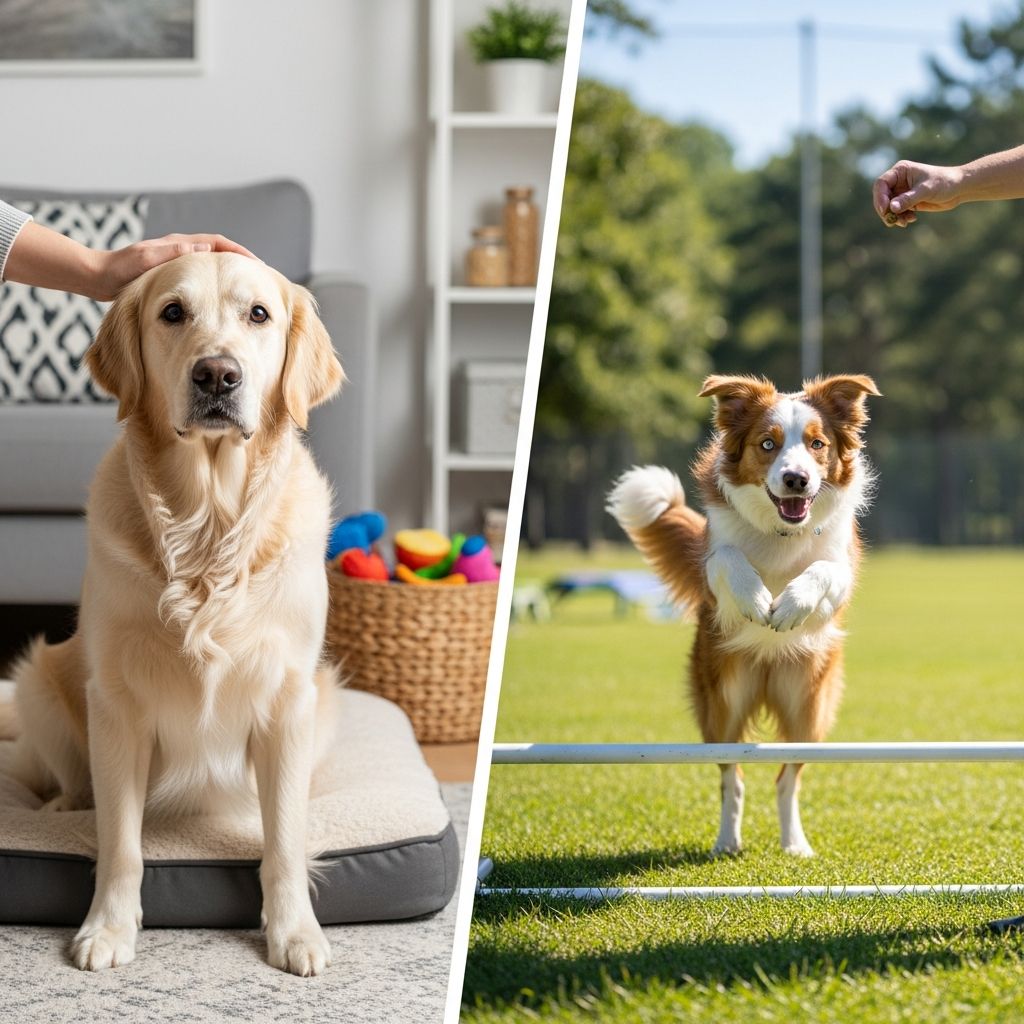
Deciding whether to manage or train your dog’s behavior depends on the issue’s severity, your dog’s emotional state, and safety needs. Management prevents problems immediately, while training addresses root causes over time using positive methods like reinforcement and desensitization.
Understanding Dog Behavior Basics
Dogs exhibit behaviors driven by instincts, emotions, and learning. Common issues include pulling on leashes, jumping on guests, excessive barking, or fear-based reactions. Recognizing if a behavior stems from fear, excitement, or habit helps choose the right approach. Positive reinforcement, rewarding desired actions with treats or praise, builds trust and speeds learning across both strategies.
Behavior falls into categories: skill-based (like sitting on command) responds well to training, while emotional responses (like aggression toward strangers) often need initial management paired with modification techniques.
Key Principles of Management in Dog Care
Management creates a controlled environment to prevent unwanted behaviors, buying time for training. It prioritizes safety for dogs, owners, and others without confrontation.
- Environmental Control: Use baby gates, crates, or leashes to limit access to triggers like doorbells or visitors.
- Supervision: Keep dogs in sight to intervene early, avoiding rehearsals of bad habits.
- Routine Adjustments: Schedule walks, meals, and play to reduce anxiety from unpredictability.
For example, if your dog lunges at passing dogs, management means walking in quiet areas or using a muzzle temporarily. This prevents escalation while you build skills.
Training Fundamentals: Building Positive Habits
Training teaches alternative behaviors through repetition and rewards. Focus on what you want the dog to do, not punishment, which can increase fear.
- Positive Reinforcement: Reward immediately after good actions, like treats for calm greetings.
- Shaping: Break complex behaviors into steps, rewarding progress toward the goal.
- Consistency: Same cues and rewards every time strengthen associations.
Studies show dogs learn faster and retain better with rewards, fostering a stronger human-canine bond.
When Management Takes Priority
Opt for management first when behaviors pose immediate risks or stem from strong emotions like fear or frustration. Training alone might worsen issues if the dog is over threshold.
| Behavior Example | Why Manage First | Management Tactics |
|---|---|---|
| Resource Guarding (food/toys) | Risk of bites | Feed separately, trade items for treats |
| Leash Reactivity | Pulling injuries | Quiet routes, front-clip harness |
| Door Darting | Escape danger | Leash indoors, teach wait cue later |
| Jumping on People | Knocking over vulnerable | Tether dog, greet from distance |
These steps set a safe foundation. Management isn’t permanent; it’s a bridge to training.
Shifting from Management to Training
Once managed, introduce training gradually. Assess readiness: Can your dog stay calm near low-level triggers?
- Evaluate Triggers: Identify and rank by intensity (e.g., distant dogs vs. close encounters).
- Counterconditioning: Pair triggers with rewards to change emotional responses.
- Desensitization: Expose at sub-threshold levels, increasing slowly.
- Owner Involvement: Practice daily in controlled settings.
For leash pulling, manage with a harness, then train loose-leash walking by rewarding slack leash moments.
Positive Reinforcement Techniques Explained
Central to training, this method uses rewards to encourage repeats of good behavior. Vets endorse it as most effective.
- Treats: High-value for motivation, given precisely timed.
- Praise/Toys: For variety, keeping sessions fun.
- Clicker Training: Marker sound followed by reward clarifies exact moments.
Example: For “stay,” reward brief holds, then build duration. This shaping prevents frustration.
Advanced Behavior Modification Strategies
For persistent issues, combine techniques. Behavior modification targets underlying emotions, differing from obedience by addressing why behaviors occur.
- Counterconditioning: Turn negative associations positive (e.g., strangers = treats).
- Desensitization Protocol: Gradual exposure from safe distances.
- Structured Protocols: Custom plans based on dog history.
Professionals often start with evaluations for tailored plans, showing slower but deeper results than basic training.
Weekly Training and Management Plan
Integrate both for progress. Here’s a sample schedule:
| Day | Focus | Activities |
|---|---|---|
| Monday | Basic Skills | Sit/stay sessions (10 mins x2), treats for success |
| Tuesday | Management Practice | Leash walks in low-distraction areas |
| Wednesday | Social Exposure | Controlled park visits, reward calm |
| Thursday | Impulse Control | “Leave it” with toys/food |
| Friday | Review | Mix commands, high rewards |
| Weekend | Enrichment | Games, puzzles for mental fatigue |
Short, frequent sessions match attention spans.
Common Pitfalls and How to Avoid Them
Owners often rush training without management, leading to setbacks. Patience is key—progress varies by age, breed, history.
- Inconsistency: Mixed signals confuse dogs.
- Overfacing: Too much too soon causes shutdowns.
- Punishment Reliance: Erodes trust; stick to positives.
Track progress in a journal to stay motivated.
FAQs: Dog Behavior Management and Training
What if my dog ignores training commands?
Check for triggers or low motivation. Increase reward value and ensure management prevents practice of ignoring.
How long until I see results?
Basic obedience: weeks. Emotional issues: months with consistency.
Is a professional trainer necessary?
For aggression or deep fears, yes, for safety and expertise.
Can puppies use these methods?
Yes, start early with management for teething/chewing and fun training.
What tools help with management?
Crates, gates, harnesses, long lines—chosen for fit and comfort.
Long-Term Success: Lifelong Learning
Sustainable behavior comes from ongoing practice. Annual refreshers maintain skills amid life changes like moves or new family members. Celebrate small wins to keep it enjoyable for both.
By blending management for now and training for forever, you’ll raise a confident, well-adjusted dog. Positive methods ensure a joyful partnership.
References
- Effective Dog Behavior Modification Techniques for Owners — Insight K9 Solutions. 2023. https://insightk9solutions.com/dog-behavior-modification/
- Best Techniques for Effective Dog Obedience Training — Mannered Mutt. 2023. https://manneredmutt.com/best-techniques-for-effective-dog-obedience-training/
- Top 10 Dog Training Tips — Small Door Veterinary. 2024. https://www.smalldoorvet.com/learning-center/behavior/top-10-dog-training-tips
- Modern Dog Training Techniques for Puppy Behavior Management — Laylo Pets. 2023. https://www.laylopets.com/blogs/barkives/modern-dog-training-techniques-puppy-behavior-management-and-proactive-dog-training-strategies-in-action
- How to Positively Modify Undesired Behaviors — Happy Hound University. 2023. https://www.happyhounduniversity.com/single-post/how-to-positively-modify-undesired-behaviors
- How to Reward Dogs With Positive Reinforcement Training — Humane World. 2024. https://www.humaneworld.org/en/resources/positive-reinforcement-training
Similar Articles








Read full bio of medha deb




