

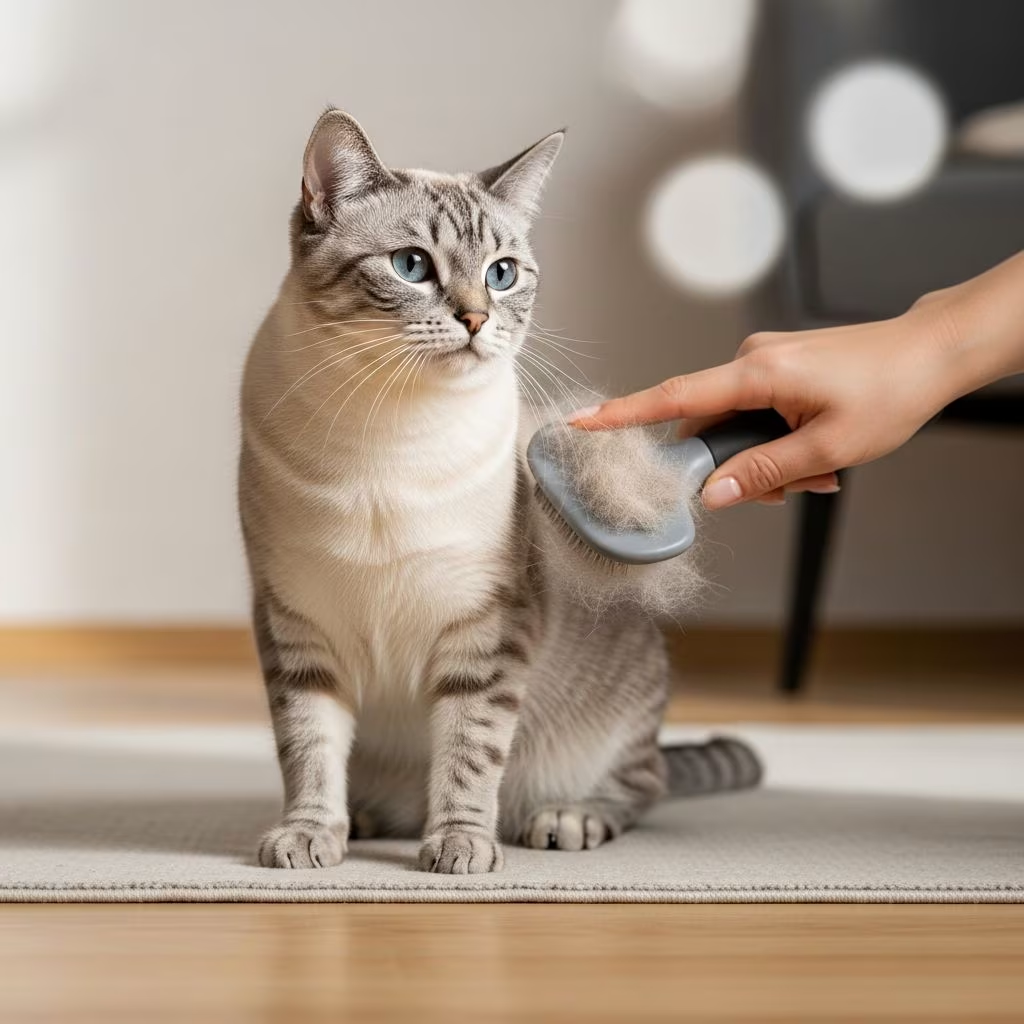
Excessive cat shedding can turn your cozy home into a fur-covered challenge, but with targeted approaches, you can significantly reduce loose hair while enhancing your cat’s overall well-being. This guide explores comprehensive methods grounded in veterinary insights to address the root causes and implement lasting solutions.
Understanding the Causes of Excessive Shedding
Cats naturally shed to renew their coats, but heightened shedding often signals underlying issues. Seasonal changes trigger normal molting, yet persistent fur loss may stem from dietary gaps, allergies, parasites, or environmental stressors. For instance, poor nutrition deprives the skin of essential fatty acids needed for coat integrity, leading to brittle hairs that fall out easily. Skin conditions like dermatitis or flea infestations exacerbate the problem by irritating follicles and prompting more turnover. Stress from household changes, such as new pets or relocations, disrupts hormonal balance, accelerating shedding cycles. Identifying these triggers through observation or veterinary consultation is the first step toward control.
Optimizing Nutrition for a Luscious Coat
A nutrient-rich diet forms the foundation of reduced shedding. High-quality cat foods formulated for skin and coat health deliver omega-3 and omega-6 fatty acids, which strengthen hair shafts and minimize breakage. Proteins from animal sources support keratin production, the building block of fur. Fiber-rich formulas aid digestion, preventing hairballs that indirectly worsen shedding by causing discomfort. Ensure fresh water availability, as hydration maintains skin moisture and elasticity. Transition to premium kibble or wet food gradually over a week to avoid tummy upset.
- Choose foods labeled ‘complete and balanced’ by AAFCO standards.
- Incorporate fish oils or flaxseed for natural omega boosts.
- Monitor portion sizes to prevent obesity, which can indirectly affect coat quality.
Supplements like fish oil capsules can fill nutritional voids, but always consult a vet to tailor them to your cat’s needs and avoid overdosing on fats.
Establishing a Consistent Grooming Routine
Regular brushing captures loose undercoat hairs before they scatter, distributing natural oils for shine and health. Aim for daily sessions of 5-10 minutes using tools suited to coat type: slicker brushes for short hair, wide-tooth combs for long fur. Deshedding gloves or rakes penetrate deep to remove 90% more undercoat than standard brushes. Make grooming positive with treats and praise to build tolerance. Frequency matters—long-haired breeds like Persians benefit from twice-daily attention during peak shedding seasons.
| Coat Type | Recommended Tool | Frequency |
|---|---|---|
| Short-haired | Slicker brush | Every other day |
| Long-haired | Wide-tooth comb | Daily |
| All types | Deshedding glove | 2-3 times weekly |
Bathing every 4-6 weeks with hypoallergenic, moisturizing shampoos removes debris and dead hair without stripping oils. Use lukewarm water and towel-dry gently to prevent chilling.
Addressing Parasites and Skin Health
Fleas, ticks, and mites irritate skin, causing itchiness and accelerated shedding. Year-round preventatives, such as topical spot-ons or oral medications, create a protective barrier. Veterinary-prescribed options like fipronil or selamectin target parasites effectively without harming beneficial skin flora. Routine checks reveal early infestations—part ears for wax, inspect belly for fleas. Allergies to pollen or food can mimic parasite issues; hypoallergenic diets or antihistamines may resolve them. Annual wellness exams catch hormonal imbalances like hyperthyroidism, common in seniors, which spike shedding.
Reducing Stress to Stabilize Shedding Cycles
Cats are sensitive creatures; anxiety from loud noises, territorial disputes, or routine disruptions elevates cortisol, thinning coats. Create safe zones with elevated perches, pheromone diffusers like Feliway, and consistent feeding schedules. Interactive play with wand toys burns energy and fosters bonding, lowering stress hormones. During transitions like moves, maintain familiar scents via old blankets. Observe body language—tail flicking or hiding signals distress warranting intervention.
- Install cat trees for vertical territory.
- Use calming collars infused with lavender.
- Provide puzzle feeders for mental stimulation.
Enhancing Hydration and Digestive Health
Dehydration thickens saliva, trapping more ingested fur and forming hairballs that prompt overgrooming and shedding. Circulating fountains entice picky drinkers, mimicking streams for up to 50% more intake. Wet food boosts moisture naturally. Hairball remedies like petroleum-based gels lubricate the gut, easing passage. High-fiber treats sweep the tract clean. Monitor stool for fur clumps; persistent issues signal vet attention.
Strategic Home Cleaning for Fur Control
Even reduced shedding leaves residue; proactive cleaning contains it. HEPA-filter vacuums trap 99.97% of particles, ideal for carpets and upholstery. Lint rollers and rubber brooms tackle furniture swiftly. Wash bedding weekly in hot water to kill allergens. Air purifiers with pet modes capture airborne dander, improving air quality for allergy sufferers. Designate shedding hotspots like beds for easy laundering.
| Tool | Best For | Pro Tip |
|---|---|---|
| HEPA Vacuum | Floors, rugs | Empty outside to avoid re-dispersal |
| Lint Roller | Clothes, upholstery | Sticky sheets for quick touch-ups |
| Air Purifier | Airborne fur | Place near lounging areas |
Bathing and Advanced Grooming Techniques
For heavy shedders, monthly baths with oatmeal-based shampoos soothe skin and loosen dead fur. Professional grooming quarterly trims mats and undercoat without stress. Lion cuts shorten fur on body while preserving dignity. Nail trims prevent snags that damage skin, and ear cleanings avert infections mimicking allergies.
Frequently Asked Questions (FAQs)
Why is my cat suddenly shedding more?
Sudden increases often link to diet changes, stress, or parasites. Vet evaluation rules out medical causes.
How often should I brush my cat?
Daily for heavy shedders; every other day for others. Adjust per coat length.
Can supplements really reduce shedding?
Yes, omega fatty acids improve coat quality, but vet approval ensures safety.
Is shaving my cat a good idea?
It shortens hair but doesn’t stop shedding; use for matted longhairs only.
What if grooming stresses my cat?
Start slow with short sessions, treats, and gentle tools to build positive associations.
Long-Term Strategies for Minimal Shedding
Combine methods for synergy: nutrition plus grooming yields healthier skin less prone to loss. Track progress with before-after photos and fur volume in vacuums. Spay/neuter stabilizes hormones, curbing seasonal peaks. Breed considerations matter—Siberians shed less due to double coats, while Siamese are moderate. Age factors in; kittens shed playfully, seniors from metabolic shifts. Patience pays; improvements appear in 4-6 weeks.
Integrate these into lifestyle for a harmonious home. Your cat’s glossy coat reflects thriving health, minimizing cleanup and maximizing cuddles.
References
- 12 Home Remedies for Excessive Cat Shedding — Uproot Clean. 2023. https://uprootclean.com/blogs/cleanspace/home-remedies-for-excessive-cat-shedding
- Essential Cat Grooming Tips for Less Shedding — Insight Vet Wellness. 2024. https://insightvetwellness.com/cat-and-dog-grooming-in-el-dorado-hills-ca/combating-hairballs-essential-cat-grooming-tips-for-less-shedding/
- 8 Ways to Reduce Cat Shedding — Bond Vet. 2024. https://bondvet.com/blog/ways-to-reduce-cat-shedding
- Why Is My Cat Shedding So Much? How to Reduce Shedding — Chewy. 2025. https://www.chewy.com/education/cat/grooming/how-to-manage-cat-shedding-grooming-deshedding-brushes-cleaning-tips
- Understanding Cat Shedding: How to Manage Allergies — Allergy Defender. 2025-01-15. https://allergydefender.com/blogs/news/understanding-cat-shedding-how-to-manage-allergies-and-keep-your-home-fur-free



