

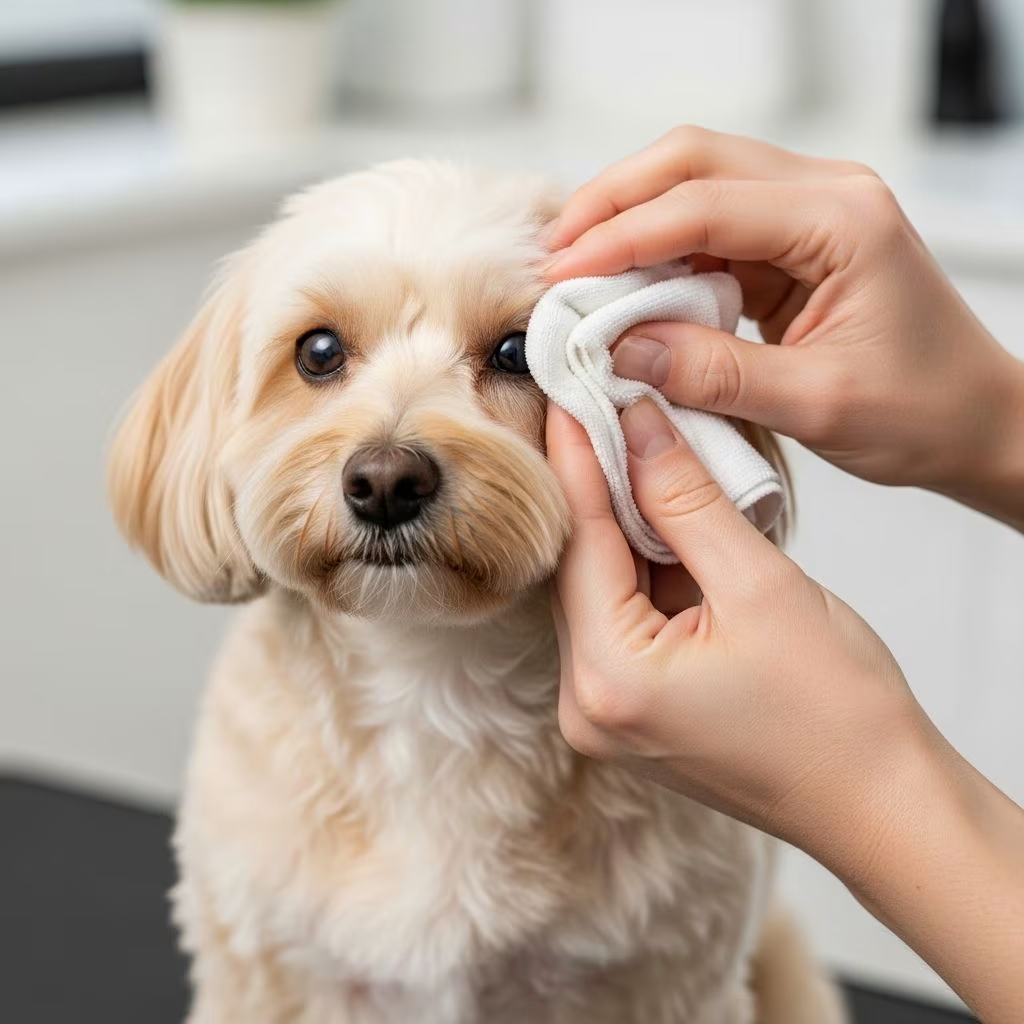
Maltipoos are delightful companion dogs that blend the characteristics of Maltese and Poodle breeds. However, their distinctive facial features and coat structure create unique challenges when it comes to eye maintenance. The fur around their eyes can easily trap debris, moisture, and bacteria, leading to discoloration and potential infections. Understanding how to properly care for your Maltipoo’s eyes is an essential part of responsible pet ownership and will help keep your furry friend comfortable and healthy.
Understanding Why Maltipoos Are Prone to Eye Issues
The Maltipoo’s susceptibility to eye problems stems from several factors related to their breed genetics. Both parent breeds—the Maltese and the Poodle—have facial structures that predispose them to eye-related concerns. The fur that grows densely around the face can curl inward toward the eyes, creating an environment where moisture and bacteria accumulate easily.
One of the most visible problems Maltipoo owners encounter is tear staining. This appears as reddish or brownish discoloration on the light-colored fur surrounding the eyes. While this might seem purely cosmetic, tear stains are actually an indicator of underlying moisture and bacterial growth. The discolored appearance results from porphyrins, which are naturally occurring compounds in tears and saliva that oxidize when exposed to air.
Additionally, Maltipoos may experience excessive tearing due to allergies, dietary issues, or blocked tear ducts. The breed’s eye shape and fur placement make it challenging for natural tear drainage to occur efficiently, meaning moisture tends to accumulate rather than dry naturally.
Establishing a Daily Eye Maintenance Routine
The foundation of good eye care for your Maltipoo involves consistent daily attention. Implementing a straightforward cleaning schedule prevents problems from developing and keeps your dog comfortable.
Frequency and Timing: The ideal approach involves inspecting and gently wiping your Maltipoo’s eye area each morning and after meals. These brief sessions, taking only seconds to complete, can dramatically reduce tear stain accumulation and prevent infections. Morning cleaning removes discharge that accumulates overnight, while post-meal cleanings address any debris or moisture triggered by eating.
Supplies and Tools: Invest in high-quality pet-specific eye wipes designed for dogs. These products are formulated to be gentle on sensitive eye tissues while effectively removing debris and preventing staining. If you prefer a more economical approach, soft cotton pads or lint-free cloth squares work well. After cleaning with any damp solution, always follow up with a dry cloth to eliminate excess moisture, which helps prevent bacterial growth and matting of the fine hairs around the eyes.
Technique Matters: When cleaning your Maltipoo’s eyes, use gentle, deliberate motions. Approach from the inner corner of the eye and wipe outward toward the outer corner, following the natural contours of the face. Avoid directly touching the eyeball itself. Some dogs respond better when you allow them to sniff the wipe or cloth before you begin, which helps build comfort and trust with the grooming process.
Professional Grooming and Preventive Measures
Beyond daily home care, professional grooming plays a crucial role in eye health maintenance.
Fur Trimming Around the Eyes: One of the most effective preventive measures is regular trimming of excess fur around the eye area. When fur is allowed to grow unchecked, it can curl into the eyes, scratch the cornea, and trap moisture against the skin. Professional groomers have the expertise and proper tools to safely trim this sensitive area without risking accidental eye injury. Most Maltipoos benefit from having this area tidied every 4-6 weeks, depending on how quickly their hair grows.
Full Facial Grooming: During professional grooming sessions, groomers should pay special attention to cleaning the entire facial area thoroughly. They can identify early signs of infections or irritation that might not be obvious to the untrained eye.
Hygiene in the Home Environment: Environmental factors can contribute to eye problems. Consider using filtered water in your home, either through tap filters, pitcher systems, or gallon containers of spring water. Chlorine and other chemicals in unfiltered water can irritate sensitive eyes. Additionally, maintaining good indoor air quality by minimizing dust and maintaining appropriate humidity levels helps prevent irritation.
Selecting the Right Eye-Cleaning Solution
Various solutions can effectively clean your Maltipoo’s eyes, each with distinct advantages:
Pet-Safe Commercial Eye Wipes
Pre-moistened eye wipes specifically formulated for dogs offer convenience and reliability. These products are designed to be gentle while effectively removing discharge and debris. Look for wipes labeled as tear-stain prevention formulas for optimal results.
Warm Water and Cotton Pads
Plain lukewarm water remains an excellent choice, particularly for dogs with sensitive eyes or those prone to reactions. The simplicity of this approach is its strength—there are no additives that could cause irritation. Soak a cotton pad in clean, lukewarm water and gently apply it to the soiled areas. The warmth helps soften dried discharge, making subsequent cleaning easier. Always follow with a dry pad to prevent moisture accumulation.
Homemade Saline Solution
You can create an effective saline rinse at home using sea salt and filtered or distilled water. Mix half a tablespoon of sea salt with 250 milliliters of clean lukewarm water, stirring thoroughly until the salt dissolves completely. Apply this solution using cotton pads, gently wiping the eye area. Saline solutions mimic the body’s natural tears and provide effective cleansing without harsh chemicals.
Chamomile Tea Infusions
Chamomile possesses natural anti-inflammatory properties that can soothe irritated eye tissue. Steep a pure, organic chamomile tea bag in hot water and allow it to cool to room temperature before use. The resulting solution can be applied with cotton pads to gently clean the area. Start with a weak concentration if your dog hasn’t used this solution before, gradually adjusting strength based on your dog’s tolerance.
Recognizing Common Eye Conditions
While daily maintenance prevents many problems, understanding what conditions require veterinary attention is important.
Conjunctivitis (Pink Eye): This inflammation of the eye’s conjunctival tissue can be either bacterial or viral in origin. Signs include redness, swelling, discharge, and squinting. Causes vary from injuries to the tear sac to debris irritation and even Lyme disease in some cases. Professional veterinary treatment is necessary for proper diagnosis and treatment.
Keratoconjunctivitis Sicca (Dry Eye): This condition develops when tear ducts become blocked or infected, reducing the eye’s natural lubrication. Without treatment, dry eye can progress to corneal ulcers or permanent corneal damage. Symptoms include cloudiness, excessive squinting, and a thick discharge. Veterinary treatment typically involves artificial tear drops and sometimes anti-inflammatory or antibiotic medications.
Glaucoma: This serious condition involves elevated pressure within the eye and can lead to blindness if untreated. Warning signs include cloudiness, abnormally enlarged pupils, visible redness, and apparent pain. Glaucoma requires immediate professional veterinary intervention and ongoing management.
Tear Staining: While primarily a cosmetic concern, persistent tear staining indicates underlying moisture accumulation. Address this through increased cleaning frequency, environmental adjustments, and dietary modifications. If staining appears suddenly or worsens despite your care efforts, consult your veterinarian.
Implementing a Comprehensive Eye Health Strategy
Successful eye care involves multiple coordinated approaches working together.
- Schedule annual veterinary wellness examinations that include thorough eye assessments. Early detection of disease significantly improves treatment outcomes.
- Observe your dog’s eyes regularly during grooming sessions, looking for any changes in appearance, discharge consistency, or behavior around the eyes.
- Maintain consistent daily cleaning using methods that work best for your specific Maltipoo.
- Ensure professional grooming every 4-6 weeks with special attention to facial fur trimming.
- Provide a clean living environment with good air quality and filtered water.
- Monitor dietary factors, as nutrition influences tear quality and overall eye health.
Managing Behavioral Challenges During Cleaning
Many Maltipoos initially resist eye cleaning. Building positive associations makes the process easier for both you and your pet. Start by allowing your dog to investigate the cleaning tools before use. Practice patience and never force the cleaning process, as this creates negative associations. Keep sessions brief—genuine cleaning takes only moments. Offering praise and treats after successful cleaning sessions gradually builds cooperation. Some owners find that timing cleaning during calm periods, such as after exercise, results in better behavior.
Frequently Asked Questions
How often should I clean my Maltipoo’s eyes?
Daily attention is ideal, with morning and post-meal cleanings recommended. Additional spot-cleaning may occur as needed if your Maltipoo plays outdoors or encounters debris.
What causes tear stains to worsen suddenly?
Sudden staining increases can indicate dietary sensitivities, allergies, infections, or blocked tear ducts. Consult your veterinarian if this occurs.
Can I use human eye drops on my Maltipoo?
No. Only use eye products specifically formulated for dogs, as human products may contain ingredients toxic to canines or cause irritation.
Is it safe to trim eye area fur at home?
Professional groomers have proper training and equipment to safely trim this delicate area. Home attempts risk corneal injury, so professional grooming is recommended.
When should I contact my veterinarian about eye concerns?
Seek immediate veterinary care for redness, cloudiness, severe discharge, swelling, squinting, or apparent pain. Delayed treatment of serious eye conditions can result in permanent vision loss.
References
- Maltipoo Eyes: Care, Cleaning, Color and Problems — PetMaltipoo. https://www.petmaltipoo.com/maltipoo-eyes
- Keeping Your Maltipoos Eyes Clean — My Doodle Puppy. https://www.mydoodlepuppy.com/blog/keeping-your-maltipoos-eyes-clean
- How To Clean Maltipoo Eyes – 6 Tips and Tricks — Hepper. https://articles.hepper.com/how-to-clean-maltipoo-eyes/



