

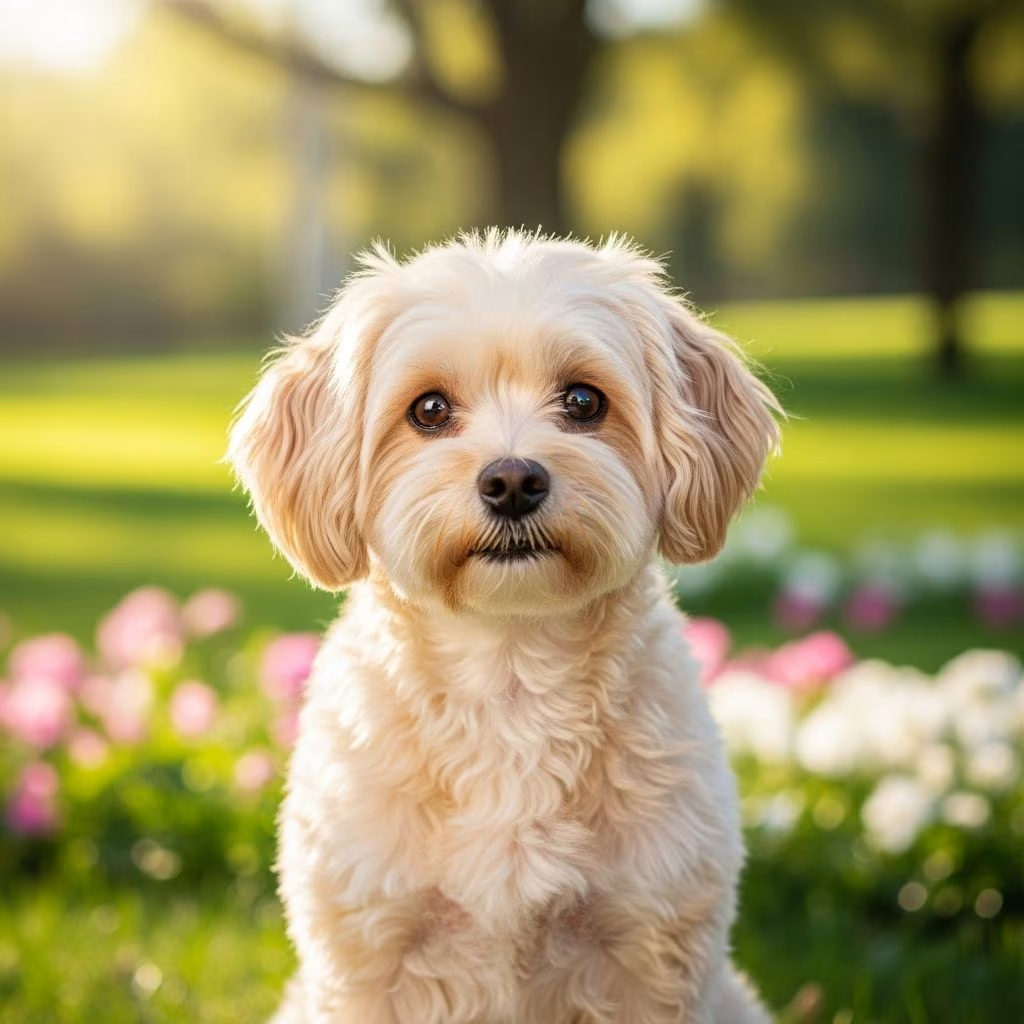
Maltipoo Dog Breed: Health and Care Guide
Maltipoos are little dogs with big, friendly personalities. These adorable pups represent a cross between the Maltese and Miniature or Toy Poodle, resulting in a hybrid that combines the best traits of both parent breeds. Maltipoos need lots of attention and grooming to be happy and healthy, making them excellent companions for dedicated pet owners who understand their unique requirements.
Understanding Maltipoo Appearance and Physical Characteristics
Maltipoos are small dogs known for their charming and distinctive appearance. They typically weigh between 5 to 20 pounds and stand 8 to 14 inches tall at the shoulder, making them ideal for apartment living and homes with limited space. Their size can vary depending on whether they inherit more traits from their Maltese or Poodle parent.
One of the most appealing features of Maltipoos is their coat, which is typically curly to wavy in texture with medium to long length. Their coats come in various beautiful colors including white, cream, fawn, black, brown, and even rarer shades such as blue and liver. Both parent breeds are known for having hypoallergenic coats because they are low-shedding, and Maltipoos often inherit this beneficial trait.
Maltipoos have distinctive physical features that give them their characteristic teddy bear appearance. They typically possess:
– Round head shape- Round, bright eyes- Floppy folded ears that require regular cleaning and monitoring- Fuzzy feet- Long face fur that may need trimming to allow clear vision
Maltipoo Temperament and Behavior
Maltipoos are known for their exceptional temperament and friendly dispositions. These dogs are highly affectionate, playful, and outgoing, making them perfect companions for families, children, and individuals living alone. They form deep bonds with their owners and thrive on companionship and attention.
One of the defining characteristics of Maltipoos is their sensitivity. These little dogs are sensitive and thrive with a routine and a controlled environment. They do best in homes where they are surrounded by their families most of the day and, if they must be left alone for a bit, they should be crate-trained to help them feel safe.
Barking Tendencies
Maltipoos can be particularly barky dogs, and this trait is important for potential owners to understand. They will sound off to let you know when there is anything outside, from the mail carrier to a neighborhood squirrel. While their small size makes Maltipoos a good fit for apartment living, your next-door neighbors might not appreciate the noise. This natural alertness also means they can serve well as watchdogs, alerting their families to potential threats or unusual activities.
Social Compatibility
These dogs generally have excellent social abilities and are known for their affectionate and loving demeanor. Maltipoos typically get along well with children, though interactions with small children should be supervised due to their playful nature. They can also be good with other pets when properly socialized from a young age.
Training and Intelligence
The intelligence and learning capacity of Maltipoos are inherited from the high intelligence of the Poodle breed, one of their parent breeds. Maltipoos are often very receptive to commands and easy to train, though they can occasionally display a stubborn streak. Positive reinforcement training is crucial for these dogs, and they respond best to encouragement in the form of treats and praise.
Maltipoos enjoy learning games and tricks and are receptive to more intricate training. This makes them excellent for first-time dog owners who are willing to invest time in their training. Early socialization is essential to ensure that they build confidence around other people and animals, as well as gaining proper obedience and etiquette both inside and outside the home.
Exercise and Activity Requirements
Maltipoos typically have moderate energy levels that can be easily satisfied with appropriate daily exercise. These dogs are active and playful, enjoying between 1 to 2 hours of walking per day and lots of stimulative playtime to keep them entertained and in good mental and physical health. They also seem to enjoy learning games and tricks, which helps build a closer bond between dog and owner.
Without adequate exercise and mental stimulation, Maltipoos may exhibit unwanted behavior problems such as excessive barking and destructive behavior. Providing regular physical activity and mental enrichment is essential for maintaining their overall well-being.
Grooming and Coat Care
Grooming is a crucial aspect of Maltipoo care. Their curly, low-shedding coats require regular maintenance to keep them healthy and mat-free. While Maltipoos shed minimally compared to many dog breeds, their coats still need consistent attention to prevent tangles and matting, which can be uncomfortable for the dog.
Regular grooming tasks include:
– Brushing the coat several times per week to prevent matting- Professional grooming appointments every 4 to 8 weeks- Regular ear cleaning and monitoring for infections- Trimming face fur to ensure clear vision- Nail trimming and dental care
Ear Care
Maltipoos have floppy ears that can be prone to infection. It is important to have their ears checked regularly to determine if a routine cleaning plan needs to be implemented. Signs of an ear infection include redness, unpleasant odor, swelling, itching at the ears, and frequent head-shaking. Regular ear maintenance can prevent serious infections and discomfort.
Health Considerations
While Maltipoos are generally healthy dogs, they may carry a risk for some genetic health issues common in their parent breeds. Potential health concerns include:
– Dental issues, as both parent breeds can be prone to dental problems- Ear infections due to their floppy ears- Patellar luxation, a condition affecting the kneecap- Eye problems inherited from parent breeds- Heart conditions
Separation Anxiety
While not a physical health concern, social and mental health can be a concern for the Maltipoo. Separation anxiety is a significant issue for this breed. This is a condition where dogs experience distress when they are left alone or separated from their owners. As Maltipoos are well known for their strong attachment to their owners, this breed can become highly dependent on their human companions, and sometimes this can be to their detriment.
Behavior such as attempting to escape, excessive barking, destructive chewing, unusual soiling habits, or pacing can all be signs of separation anxiety in your dog. It is important not to leave Maltipoos alone for long periods, as they are very social animals and thrive on companionship.
Living Environment and Adaptability
Maltipoos are super adaptable and are a great choice for pretty much any age or living environment. Due to their small size, they can live comfortably in apartments, smaller houses, or larger homes. They adapt well to various living conditions as long as they receive adequate exercise and mental stimulation.
Their adaptability makes them perfect companions for:
– Families with children- First-time dog owners- Busy families with active lifestyles- Single individuals or seniors- People living in apartments or condominiums
Socialization and Puppy Training
Early socialization is crucial for Maltipoos to develop into well-adjusted adults. While the breed often has a naturally sociable nature, it is important to socialize them from a young age to ensure that they build confidence around other people and animals, as well as getting to grips with obedience and etiquette both inside and outside the home.
Lead and harness training is also essential, as while Maltipoos tend to have a low prey drive, they can still be prone to chasing furry creatures when out and about. Proper training keeps them safe and out of mischief during outdoor activities.
Feeding and Nutrition
Maltipoos require high-quality dog food appropriate for their small size and activity level. Their nutritional needs should be discussed with a veterinarian to ensure they receive proper nutrition for optimal health. Due to their small size, portion control is important to prevent obesity, which can lead to health issues.
It is recommended to feed Maltipoos twice daily with measured portions of quality dog food. Fresh water should always be available, and treats should be given in moderation, particularly when used for training purposes.
Frequently Asked Questions
Q: Are Maltipoos good for first-time dog owners?
A: Yes, Maltipoos are excellent for first-time dog owners due to their intelligence, trainability, and friendly nature. However, they do require commitment to grooming, exercise, and attention.
Q: Do Maltipoos shed a lot?
A: No, Maltipoos are low-shedding dogs, thanks to their hypoallergenic coats inherited from both parent breeds. This makes them suitable for people with mild allergies and reduces household cleanup.
Q: How long do Maltipoos live?
A: Maltipoos typically live between 12 to 15 years when properly cared for, though some may live longer with good health and nutrition.
Q: Can Maltipoos live in apartments?
A: Yes, Maltipoos can live comfortably in apartments due to their small size. However, their barking tendency means neighbors should be understanding of noise levels.
Q: How often do Maltipoos need grooming?
A: Maltipoos should be groomed professionally every 4 to 8 weeks and brushed at home several times per week to maintain their coat health.
Q: Are Maltipoos good with children?
A: Yes, Maltipoos are generally good with children and make excellent family pets. However, supervision is recommended with very young children due to their small, delicate size.
Q: What is separation anxiety in Maltipoos?
A: Separation anxiety is a condition where Maltipoos experience distress when left alone. Signs include excessive barking, destructive behavior, and unusual soiling. This breed thrives best when surrounded by family most of the day.
References
- Maltipoo Dog Breed Health and Care — PetMD. Accessed 2025-11-27. https://www.petmd.com/dog/breeds/maltipoo
- Maltipoo Dog Breed Information & Characteristics — Potty Buddy. 2025-02-04. https://pottybuddy.co/blogs/potty-buddy-blog/maltipoo-dog-breed-information-and-characteristics
- Maltipoo Personality and Care — Vet American. Accessed 2025-11-27. https://www.vetamerikan.org/our-best-friends/dog-types/maltipoo
- Maltipoo Dog Breed – Hill’s Pet Nutrition — Hill’s Pet Nutrition. Accessed 2025-11-27. https://www.hillspet.com.au/dog-care/dog-breeds/maltipoo
- All About Maltipoos – Traits, Shedding, Health — Embark Vet. Accessed 2025-11-27. https://embarkvet.com/resources/dog-breeds/maltipoo/



