

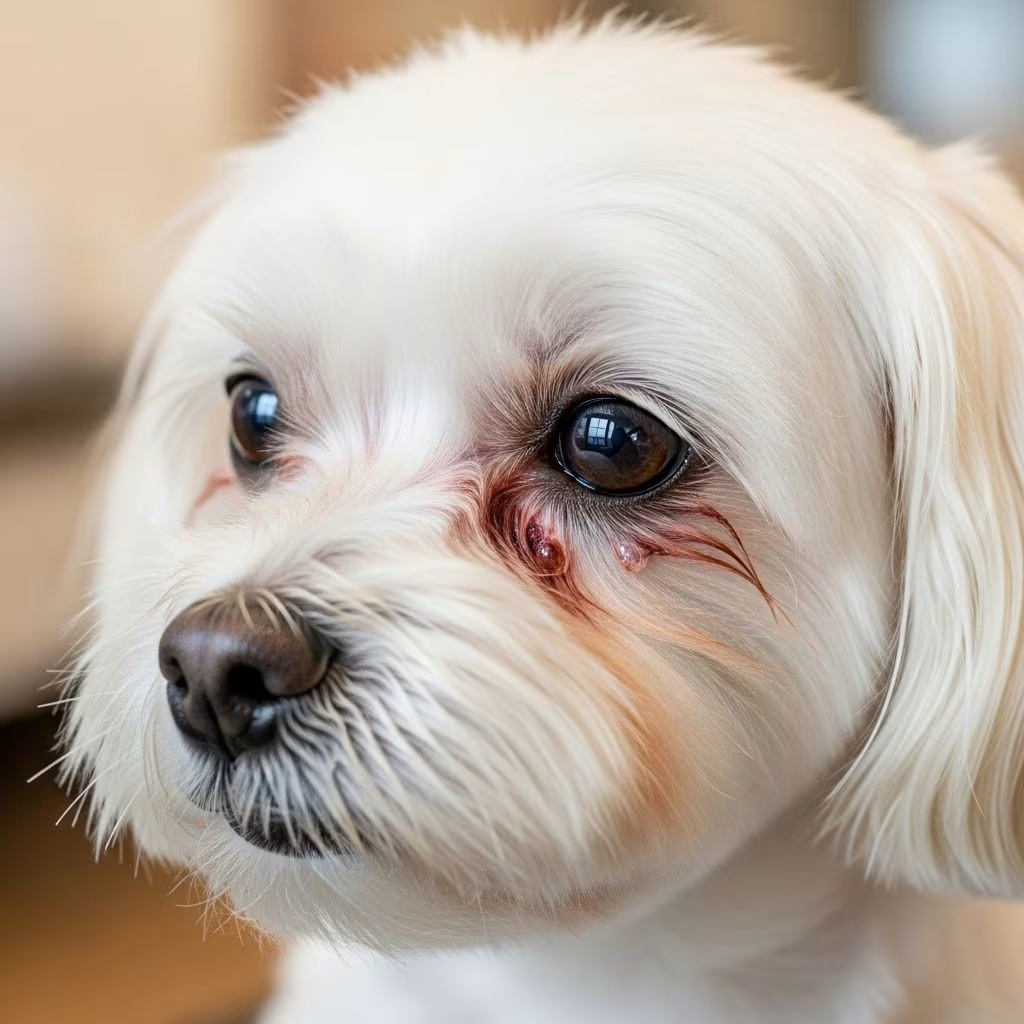
Tear stains manifest as reddish-brown discolorations beneath the eyes of Maltese dogs, primarily due to porphyrins—iron-containing molecules excreted in tears during red blood cell breakdown. These stains are particularly visible on their white coats, affecting breeds with light fur and facial structures prone to poor tear drainage.
Why Maltese Dogs Develop Prominent Tear Stains
Maltese dogs face heightened susceptibility to tear stains because of their breed-specific traits. Their protruding eyes and short snouts hinder efficient tear duct drainage, leading to epiphora or excessive tearing. Light-colored fur accentuates even minor staining, making the issue cosmetically evident.
Genetic predispositions play a central role, with many Maltese inheriting shallow eye sockets or narrow tear ducts that impede normal tear flow. This anatomical setup causes tears to overflow onto the facial fur, where they dry and deposit pigments.
Primary Medical Causes Behind Excessive Tearing
Beyond anatomy, various health issues trigger overproduction of tears in Maltese dogs. Common culprits include:
- Blocked tear ducts: Obstructions prevent proper drainage, causing buildup.
- Eye infections: Bacterial or yeast overgrowth in moist areas leads to irritation and more tears.
- Allergies: Environmental or food-related reactions inflame eyes, prompting tearing.
- Eyelid abnormalities: Conditions like entropion (inward-rolling lids) or distichiasis (extra eyelashes) irritate the cornea.
- Dental or ear problems: Infections in nearby areas can indirectly affect eye moisture.
Yeast infections often develop secondarily in chronically damp fur under the eyes, producing brown crusts distinct from porphyrin red stains. Stress, medications, or teething in puppies can also contribute.
Environmental and Dietary Influences on Tear Production
Daily factors exacerbate tear stains. Poor-quality diets with grains, fillers, or artificial additives provoke allergies, increasing tear output. Minerals in tap water, such as iron or magnesium, intensify staining as tears evaporate.
Household irritants like dust, pollen, smoke, or harsh shampoos irritate sensitive eyes. Plastic bowls harbor bacteria, potentially worsening infections around the mouth and eyes.
| Factor | Impact on Tear Stains | Examples |
|---|---|---|
| Diet | Allergies from proteins or additives | Wheat, dairy, preservatives |
| Water Quality | Mineral deposits darken stains | High-iron tap water |
| Environment | Irritants cause inflammation | Dust, pollen, smoke |
Step-by-Step Veterinary Diagnosis Process
Always consult a veterinarian first to exclude serious conditions. They may perform:
- Eye exam for infections, foreign bodies, or structural issues.
- Tear production tests to confirm epiphora.
- Allergy screening or duct flushing.
- Cultures for bacterial/yeast presence.
Addressing root causes like infections prevents recurrence and distinguishes porphyrin stains from yeast-related discoloration.
Effective Daily Grooming Routines
Consistent hygiene reduces stain buildup. Gently clean the eye area daily with a soft cloth dampened in saline or boric acid solution (from contact lens cleaners). Avoid soaps that irritate.
Trim fur around eyes short to promote airflow and drying. Coconut oil applied sparingly soothes skin and fights yeast without clogging pores.
- Wipe from inner to outer eye corner to prevent debris pushback.
- Use stainless steel bowls to minimize bacterial growth.
- Weekly bedding washes in hot, fragrance-free water.
Dietary Adjustments for Long-Term Relief
Switch to hypoallergenic, limited-ingredient foods excluding common allergens like corn, soy, wheat, and dairy. High-quality proteins support skin health without triggering reactions.
Provide filtered or distilled water to eliminate minerals. Some owners add tiny amounts of apple cider vinegar (diluted 1:10 in water) to drinking bowls, reporting reduced staining, though evidence is anecdotal.
Proven Treatment Options and Supplements
For persistent cases post-medical clearance:
- Antibiotics: Tylosin (Tylan) targets bacteria linked to porphyrin overproduction; doxycycline or metronidazole as alternatives under vet guidance.
- Supplements: Non-antibiotic options reduce porphyrins; avoid if yeast is primary.
- Topicals: Vitamin C solution or mild acids lighten existing stains by oxidizing iron.
Antibiotics aren’t universal; monitor for 2-4 weeks and discontinue if ineffective.
Preventive Lifestyle Changes for Maltese Owners
Maintain a low-allergen home with HEPA vacuums, air purifiers, and regular cleaning. Limit exposure to smoke or strong scents. Annual vet eye checks catch issues early.
Balanced nutrition, hydration, and grooming form the foundation. Track changes with photos to gauge progress.
Frequently Asked Questions (FAQs)
Are tear stains harmful to my Maltese?
Stains themselves are cosmetic, but underlying causes like infections can lead to discomfort or vision issues if untreated.
Can home remedies fully eliminate tear stains?
They manage symptoms effectively alongside vet care but rarely cure genetic epiphora alone.
Is filtered water necessary for tear stain prevention?
Helpful in hard-water areas to reduce mineral intensification, but not a standalone fix.
How long do treatments take to show results?
Grooming yields quick cosmetic improvement; dietary shifts may take 4-8 weeks.
Should I shave the fur under my dog’s eyes?
Trim closely but avoid shaving to prevent irritation; consult a groomer.
Holistic Care Summary
Managing Maltese tear stains requires a multifaceted approach: veterinary oversight, meticulous grooming, allergen-free living, and optimized nutrition. Patience and consistency yield the clearest results, ensuring your companion’s eyes stay bright and healthy. (Word count: 1678)
References
- Everything You Need to Know About Tear Staining in Dogs — MedVet. 2023. https://www.medvet.com/tear-staining-in-dogs/
- Dog Tear Stains: Causes, Treatment, and Prevention — PetMD. 2024-01-15. https://www.petmd.com/dog/general-health/dog-tear-stains
- A Veterinary Guide to Stubborn Tear Stains on Dogs — Smithfield Animal Hospital. 2023. https://www.smithfieldanimalhospital.com/services/dogs/blog/veterinary-guide-stubborn-tear-stains-dogs
- Tear Staining — American Maltese Association. 2022. https://www.americanmaltese.org/ama-health-information/tear-staining
- Saying Goodbye to Maltese Tear Stains: A Comprehensive Guide — Fitwarm. 2024. https://www.fitwarm.com/blogs/news/maltese-tear-stain-removal-guide



