

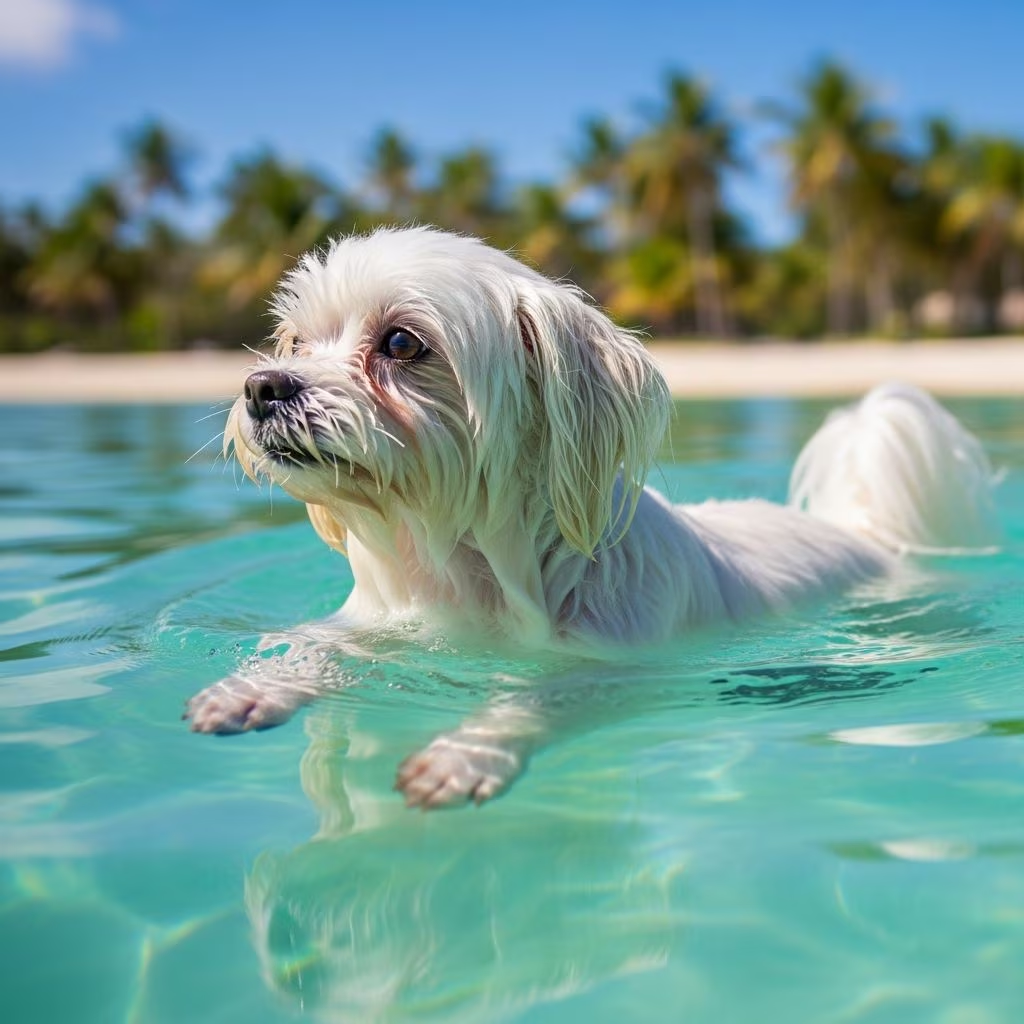
Maltese dogs possess limited natural swimming prowess due to their compact build and breeding history focused on companionship rather than aquatic tasks. While some individuals may tolerate or even enjoy brief water exposure with proper guidance, they require vigilant supervision to mitigate risks associated with their physical characteristics.
Understanding the Maltese Physique and Water Dynamics
The Maltese breed features a diminutive frame, typically weighing 4 to 7 pounds and standing under 10 inches tall, with short legs relative to their body length. This structure contrasts sharply with water retrievers like Labradors, which boast elongated limbs and powerful strokes suited for propulsion in water. The breed’s signature silky, floor-length coat exacerbates challenges; when saturated, it absorbs water, increasing drag and weight, which can hinder buoyancy and lead to rapid fatigue.
Additionally, their brachycephalic tendencies—a shorter muzzle—can complicate breathing during exertion. In water, maintaining head position above the surface demands extra effort, potentially causing strain or aspiration risks if waves or splashes occur. These anatomical factors position Maltese as reluctant rather than proficient swimmers, aligning with observations that toy breeds generally prioritize land-based agility over aquatic endurance.
Factors Influencing Individual Swimming Tolerance
Variability exists among Maltese dogs; early, positive introductions to water can foster comfort, whereas negative experiences may instill aversion. Puppies exposed gradually in shallow, warm settings often adapt better, paddling instinctively with a modified doggy paddle. However, genetic predispositions and coat density play overriding roles—no amount of training transforms them into strong swimmers.
- Age at Introduction: Pups aged 10-12 weeks respond best to gentle acclimation, building confidence without overwhelm.
- Temperament: Outgoing personalities may explore water curiously, while timid ones exhibit hesitation.
- Coat Maintenance: Pre-swim trims reduce water retention, easing post-activity drying.
- Health Status: Conditions like patellar luxation or respiratory issues amplify vulnerabilities.
Statistics underscore caution: approximately 5,000 dogs drown annually in the U.S., with small breeds overrepresented due to exhaustion in open water.
Recognizing Signs of Water Discomfort
Pet owners must discern distress cues promptly to intervene. Behavioral indicators include paddling frenzy with head tilting low, audible whining, or attempts to climb onto nearby objects. Physical signs manifest as labored breathing, shivering post-immersion (hypothermia risk), or lethargy signaling overexertion.
| Sign | Description | Action Required |
|---|---|---|
| Struggling Paddle | Churning limbs without forward progress; sinking rear | Provide flotation aid; exit water immediately |
| Vocal Distress | Yelping, whimpering during activity | Retrieve dog; assess for injury |
| Post-Swim Collapse | Excessive panting, refusal to move | Dry thoroughly; consult vet if persistent |
| Water Avoidance | Trembling at edge, fleeing splashes | Cease exposure; respect boundaries |
These observations emphasize supervision as non-negotiable, particularly near pools, lakes, or baths.
Safety Protocols for Water Engagement
To enable safe aquatic play, implement layered precautions. Dog-specific life vests with neck and underbelly support are indispensable, distributing weight to keep airways clear. Select models fitted snugly yet allowing leg movement, tested in controlled settings first.
- Venue Selection: Opt for shallow, enclosed areas like kiddie pools over oceans or deep lakes to limit currents and depth risks.
- Temperature Control: Maintain water between 75-85°F; cold induces hypothermia in small bodies, while heat promotes exhaustion.
- Chemical Avoidance: Post-pool rinses eliminate chlorine residue, preventing gastrointestinal upset; ocean swims risk salt toxicity from ingestion.
- Session Limits: Cap at 10-15 minutes, monitoring for fatigue; incorporate frequent breaks on dry land.
- Grooming Prep: Bandana wraps or partial clips minimize coat saturation.
These measures transform potential hazards into manageable fun, prioritizing welfare.
Training Strategies for Water Familiarity
While innate skills remain modest, conditioning enhances tolerance. Commence with dry-land toys resembling floats to spark interest, progressing to edge-dipping paws. Use high-value treats for voluntary entry, pairing with praise to associate water positively. Advanced steps involve supported wades with harness tethers, gradually releasing aid as confidence builds.
Consistency yields results, though expectations must align with biology—aim for comfort, not competition. Professional trainers specializing in toy breeds offer tailored sessions, incorporating hydrotherapy for therapeutic benefits like joint relief without high-impact stress.
Health Risks and Mitigation in Aquatic Environments
Beyond physical limitations, water poses secondary threats. Ear infections proliferate from trapped moisture in floppy ears; routine drying with absorbent cloths post-exposure is vital. Coat matting from incomplete drying fosters skin irritations, necessitating detangling combs and low-heat blow-drying.
Respiratory strains from exertion or aspiration warrant monitoring, especially in humid conditions. For seniors or those with cardiac concerns, veterinary clearance precedes any immersion. Hydrotherapy, under professional oversight, leverages controlled water for low-gravity exercise, aiding arthritis management without swimming demands.
Alternative Exercises to Swimming
Given constraints, diversify fitness routines. Brisk walks, agility courses, or indoor fetch mimic exertion benefits sans water woes. Treadmill acclimation or scent games engage mentally, fulfilling daily 30-60 minute needs suitable for this energetic lap dog.
- Toy fetch in yards for burst energy.
- Stair climbs for muscle toning.
- Puzzle feeders for cognitive stimulation.
FAQs on Maltese and Water Activities
Can every Maltese learn to swim?
No, while basic paddling is possible, proficiency varies; many prefer avoidance.
Is a dog life jacket necessary?
Highly recommended for buoyancy and panic prevention in this breed.
How do I dry my Maltese after water play?
Towel blot, air dry in warm space, or low-heat blower; avoid mats.
What if my Maltese drinks pool water?
Rinse mouth, monitor for vomiting; seek vet for symptoms.
Are beaches safe for Maltese?
Shallow shorelines yes, with vest and supervision; avoid waves.
Conclusion
Maltese owners can facilitate safe water enjoyment through preparation and attentiveness, respecting the breed’s design. Focus on tailored, low-risk interactions to enrich bonds without compromising health.
References
- How Well Can a Maltese Swim? Vet-Verified Facts & Important… — Dogster. 2023. https://www.dogster.com/dog-health-care/how-well-can-a-maltese-swim
- Can Maltese Swim? The Surprising Answer — Hepper Pet Resources. 2023. https://articles.hepper.com/can-maltese-swim/
- Can Maltipoos Swim? Essential Tips for Safe Water Fun — Up and Away Pups. 2023. https://upandawaypups.com/blogs/news/can-maltipoos-swim



