

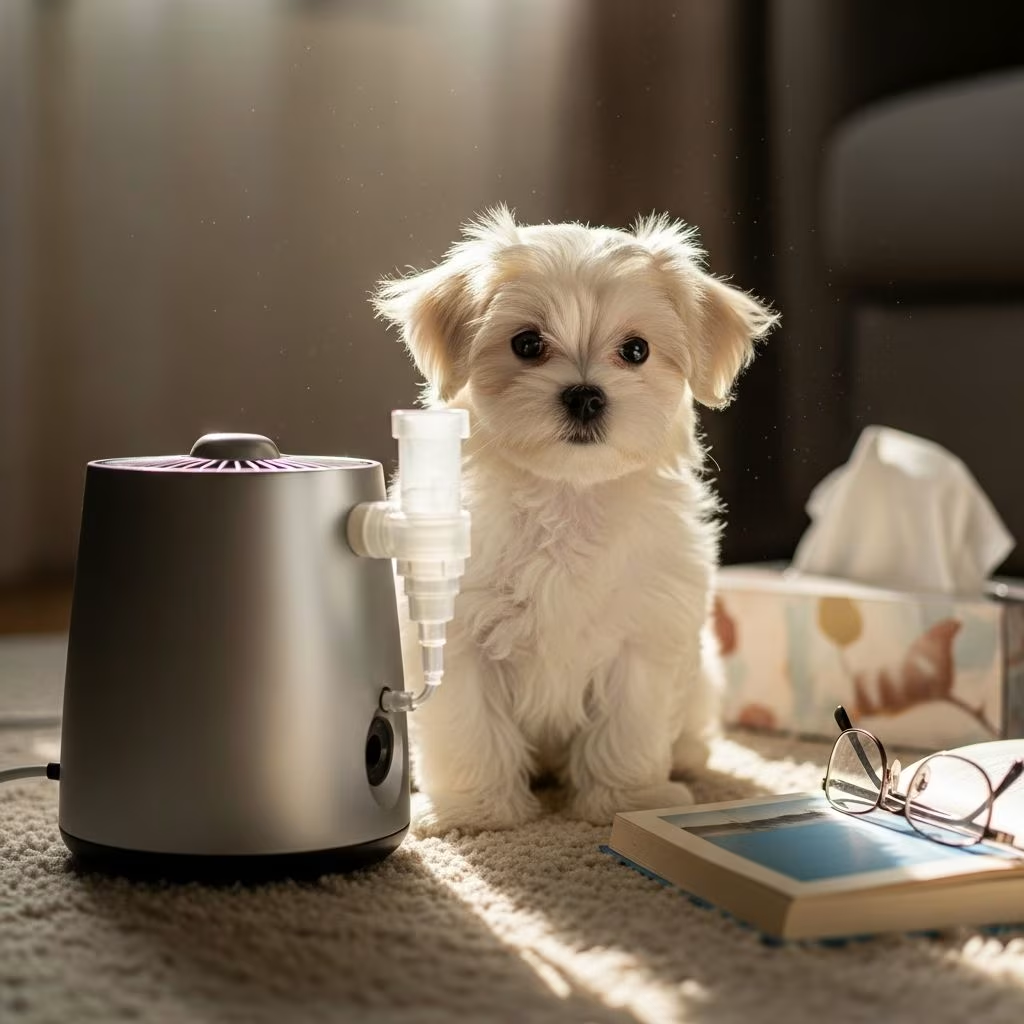
The Maltese breed has earned a reputation as an excellent choice for individuals with dog allergies. Their distinctive silky white coat and minimal shedding make them appealing to allergy sufferers looking for a canine companion. However, the reality of allergies and dog breeds is more nuanced than marketing claims suggest. Understanding what truly constitutes a hypoallergenic dog, what causes allergic reactions, and how to manage symptoms are essential steps before bringing a Maltese puppy into your home.
Decoding the Hypoallergenic Label
The term hypoallergenic is frequently misused when discussing dog breeds, creating confusion among potential pet owners. Many people interpret this term to mean a dog is completely allergen-free, but this is a fundamental misunderstanding. The word hypoallergenic actually refers to substances or products that are less likely to cause an allergic reaction—not an absolute absence of allergens.
When applied to dogs, calling a breed hypoallergenic means that particular breed tends to produce fewer allergens or releases them less readily into the environment compared to other breeds. This distinction is crucial because it sets realistic expectations rather than promising an allergy-proof pet. The Maltese puppy, while producing fewer allergens than many other breeds, is not a guarantee against allergic reactions.
Understanding the Source of Dog Allergies
To comprehend why Maltese puppies might be better suited for allergy sufferers, it’s important to understand what actually causes dog allergies. Contrary to popular belief, dog hair itself is not the primary allergen. Instead, allergic reactions stem from proteins present in three main components of a dog’s body:
- Dander: Tiny flakes of dead skin that dogs shed continuously, which easily become airborne and settle on furniture, bedding, and household surfaces.
- Saliva: Contains proteins that can trigger reactions when dogs lick or come into contact with people.
- Urine: Also contains allergenic proteins that can contribute to reactions, particularly in puppies that may have accidents during housetraining.
The confusion about dog hair and allergies likely stems from the fact that dander adheres to fur. When dogs shed heavily, they spread dander throughout the home more efficiently, making the allergen load more noticeable. However, even non-shedding or low-shedding breeds produce dander; the difference is that it doesn’t disperse as widely.
The Maltese Coat: A Unique Solution to Shedding
The Maltese breed possesses a coat structure that sets it apart from many other dog breeds. Rather than traditional fur with an undercoat, Maltese puppies develop hair that more closely resembles human hair in its growth pattern. This hair grows continuously and does not have the typical double-coat structure found in most dog breeds.
Because Maltese puppies lack an undercoat, their shedding is dramatically reduced compared to breeds like Labrador Retrievers or German Shepherds. The continuous growth pattern means that loose hair tends to remain within the coat rather than falling out into the environment. When grooming occurs, much of this loose hair is captured during brushing rather than being released throughout the home.
This characteristic makes the Maltese breed a practical choice for allergy sufferers, though it comes with a significant trade-off: the breed requires extensive grooming to maintain coat health and manage the continuous hair growth.
Why Maltese Puppies Are Promoted as Hypoallergenic
The reasoning behind the hypoallergenic designation for Maltese puppies is straightforward: less shedding equals less dander circulation. When a dog sheds minimally, the allergen load in the home remains lower, which can be the difference between manageable symptoms and unbearable reactions for sensitive individuals.
Maltese puppies also tend to be small dogs, which can work in an allergy sufferer’s favor. A smaller dog produces less total dander and saliva than a large breed, and a smaller living space is easier to keep clean and allergen-free. The combination of minimal shedding and small size makes the Maltese puppy an attractive option for families where at least one member has dog allergies.
However, the marketing appeal of the hypoallergenic label should not overshadow an important reality: these puppies still produce allergens, and individual reactions vary significantly.
The Reality: No Dog is Completely Allergen-Free
Despite the hypoallergenic label, it is essential to acknowledge a fundamental truth: no dog breed is completely free of allergens. This statement applies to Maltese puppies just as it does to any other breed. The difference lies in the quantity and distribution of allergens, not their complete elimination.
A Maltese puppy will still produce dander, saliva, and urine—all sources of allergenic proteins. Even with diligent grooming and cleaning routines, these allergens cannot be entirely eliminated from the home. An individual with severe dog allergies may experience symptoms around a Maltese despite its reputation, just as they would with any other dog.
Allergic reactions to dogs also vary dramatically from person to person. One individual might have no reaction whatsoever to a Maltese puppy, while another with allergies might experience sneezing, itching, or respiratory symptoms in the same home. These differences depend on individual sensitivity levels, the specific proteins a person reacts to, and cumulative allergen exposure.
Evaluating Your Personal Allergies
Before committing to a Maltese puppy, individuals with dog allergies should take time to assess their specific allergic profile. The following steps can help determine compatibility:
- Spend time with the breed: Arrange to visit a Maltese puppy or adult dog for several hours before making a decision. This direct exposure will reveal whether your allergies are triggered.
- Assess allergy severity: Determine whether your allergies are mild, moderate, or severe. Mild allergies that are manageable might improve with proper environmental controls, while severe allergies typically require avoiding dog ownership entirely.
- Consider your living space: Larger homes with good ventilation systems are easier to keep allergen-free. Smaller apartments or homes with poor air circulation may make allergy management more challenging.
- Evaluate lifestyle flexibility: Owning a Maltese puppy with allergies requires ongoing commitment to grooming, cleaning, and allergen management—not a temporary effort.
Practical Strategies for Managing Allergens
If you determine that your allergies are mild enough to tolerate a Maltese puppy, implementing specific allergen-reduction strategies becomes essential. These methods can significantly lower the allergen load in your home and improve your quality of life with your dog.
| Strategy | Implementation | Frequency |
|---|---|---|
| Regular Grooming | Brush your Maltese puppy daily to prevent dander buildup and capture loose hair before it spreads | Daily |
| Frequent Bathing | Bathe your Maltese approximately once weekly to reduce allergens on the skin and coat | Weekly |
| Air Filtration | Install HEPA filters in your home’s ventilation system and use HEPA-equipped vacuum cleaners | As specified by manufacturer |
| Furniture Protection | Use washable covers on furniture where your puppy rests, and wash them regularly | Weekly or bi-weekly |
| Bedroom Restrictions | Keep your Maltese puppy out of bedrooms to maintain an allergen-reduced sleep environment | Ongoing |
| Professional Grooming | Schedule professional grooming sessions to supplement home maintenance efforts | Every 6-8 weeks |
Grooming as Primary Allergen Control
Daily brushing serves as the cornerstone of allergen management for Maltese puppies. A thorough brushing session removes loose hair and dander before they can spread throughout your home. Using a slicker brush or metal comb designed for long-haired breeds ensures effective dander removal. Additionally, weekly baths help cleanse the skin and coat, reducing the number of allergens being produced.
Environmental Control Measures
Beyond grooming your Maltese puppy, controlling your home environment is equally important. HEPA filters trap microscopic allergen particles that would otherwise circulate in the air. Washing bedding, curtains, and pet furniture covers in hot water weekly prevents allergen accumulation. Vacuuming with a HEPA-equipped vacuum cleaner rather than a standard model captures more allergens during cleaning.
Key Considerations Before Bringing a Maltese Puppy Home
Deciding whether a Maltese puppy is appropriate for your household involves more than just allergy considerations. These charming dogs require significant time, attention, and grooming commitment. Their small size makes them fragile around young children, and they can develop separation anxiety if left alone for extended periods.
If you have allergies, weigh the benefits of this affectionate companion against the realistic maintenance demands. A Maltese puppy thrives with an owner committed to daily grooming, regular bathing, and creating a clean home environment. These responsibilities compound the normal demands of puppy training, socialization, and exercise.
Frequently Asked Questions
Can I be allergic to one Maltese but not another?
Yes. Individual Maltese puppies may produce varying amounts of allergens, and people’s reactions differ based on their specific sensitivities. Testing with the specific dog you’re considering is important.
Does a Maltese puppy cut reduce allergies compared to a show cut?
A shorter puppy cut reduces grooming demands but doesn’t significantly impact allergen production. Both coat styles require regular bathing and maintenance to minimize allergens.
Will my Maltese puppy’s allergenic properties change as it matures?
Allergen levels typically remain consistent throughout a dog’s life, though hormonal changes during certain life stages might influence dander production slightly.
Are Maltese puppies better than other low-shedding breeds for allergies?
Maltese puppies are comparable to other low-shedding breeds like Poodles and Bichon Frises in terms of allergen production. Individual reactions vary regardless of breed.
Making an Informed Decision
The Maltese puppy represents an excellent choice for specific individuals—those with mild allergies who can commit to rigorous grooming and environmental management. However, the hypoallergenic label should not create false confidence about complete allergen elimination. These puppies produce allergens, just in smaller quantities than many other breeds.
Approach the decision thoughtfully. Spend significant time with a Maltese before committing, honestly assess your allergy severity, and ensure you’re prepared for the grooming demands this breed requires. When these conditions align, a Maltese puppy can become a beloved family member, even for someone with allergies. When they don’t, recognizing this incompatibility protects both you and the puppy from an unhappy situation.
References
- Are Maltese Hypoallergenic? — SpiritDog Training. Accessed February 2026. https://spiritdogtraining.com/behavior/are-maltese-hypoallergenic/
- Maltese — All About Dogs — Orvis. Accessed February 2026. https://www.orvis.com/maltese.html
- Maltese Breed Guide: History, Characteristics & Care Tips — Pawlicy. Accessed February 2026. https://www.pawlicy.com/blog/maltese-dog-breed/
- Maltese | Temperament, Lifespan & History — Pooch and Mutt. Accessed February 2026. https://www.poochandmutt.co.uk/blogs/by-breed/maltese
- Maltese Breed Guide: Expert Advice for Pet Parents — Figo Pet Insurance. Accessed February 2026. https://figopetinsurance.com/blog/maltese-breed-guide
- Facts About Maltese Dogs — ASPCA Pet Health Insurance. Accessed February 2026. https://www.aspcapetinsurance.com/resources/facts-about-maltese-dogs/



