

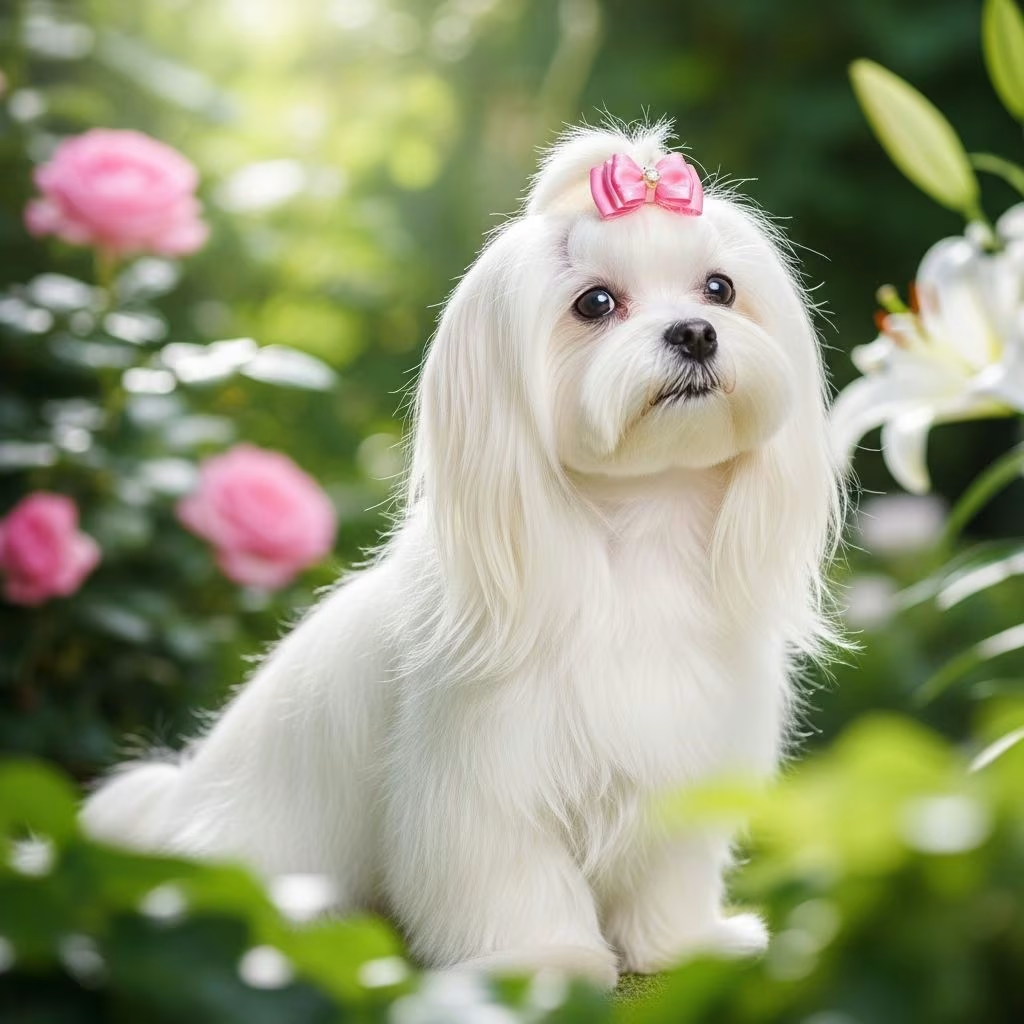
Maltese Dog Breed: A Complete Guide
The Maltese is one of the world’s most recognizable and beloved toy dog breeds, known for its distinctive silky white coat and affectionate nature. For more than 28 centuries, this elegant breed has captured the hearts of dog lovers worldwide, from ancient aristocrats to modern families. With their charming personality, compact size, and relatively low-shedding coat, Maltese dogs make excellent companions for the right household. This comprehensive guide explores everything you need to know about owning a Maltese, from their temperament and physical characteristics to their specific care requirements and health considerations.
Breed History and Origin
The Maltese has a rich and fascinating history that spans thousands of years. Believed to have originated in the Mediterranean region, possibly dating back to 1500 B.C., this breed is traditionally associated with the island of Malta, though some historians suggest Italian or Asian origins. The exact genesis of the breed remains somewhat mysterious, but many experts believe the Maltese descended from Spitz or Spaniel-like breeds native to the Mediterranean.
Throughout history, the Maltese has maintained an aristocratic reputation. The breed was favored by philosophers, royalty, and the wealthy elite across Europe and Asia. During ancient times, these dogs were considered symbols of luxury and sophistication, often kept as companions by nobility and ladies of the court. This prestigious heritage has earned them various historical names, including the Maltese Lion Dog, the Ancient Dogge of Malta, and the Roman Ladies’ Dog. Their status as companions to the privileged classes has remained consistent throughout the centuries, making them one of the oldest toy breeds in existence.
Physical Characteristics and Appearance
The Maltese is immediately recognizable by its distinctive appearance, which perfectly captures the essence of a toy breed with aristocratic bearing.
Size and Body Structure
Maltese dogs are among the smallest dog breeds, with adults typically weighing between 3 to 4 kilograms (7 to 9 pounds). Height generally ranges from 20 to 25 centimeters (8 to 10 inches) at the shoulder, with some males reaching up to 10 inches. Despite their diminutive size, Maltese possess a well-proportioned, compact body with a level back and well-sprung ribs. The breed’s structure is elegant and refined, with sloping shoulder blades and a posture that conveys both delicacy and confidence.
Coat and Color
The Maltese’s most striking feature is its long, silky, pure-white coat. The coat is dense, glossy, and falls heavily along the body without curls or an undercoat. Unlike many breeds, the Maltese’s hair continues to grow throughout their lifetime, similar to human hair. While a pale ivory tinge or light brown spotting is sometimes permitted in breed standards, pure white is the desired color. The hair is straight and silky, creating an elegant curtain-like appearance that requires consistent maintenance and grooming.
Facial Features
The Maltese head is well-proportioned to the body with a slightly rounded skull. The breed features characteristic low-set, heavily feathered drop ears that frame the face. Dark, expressive eyes give the breed its sweet and intelligent expression. The nose is black, and the muzzle is of medium length with a slight taper. One notable feature common in white-coated breeds is the potential for tear staining around the eyes, which requires daily attention and cleaning to maintain the breed’s pristine appearance.
Tail
The Maltese tail is one of the breed’s defining characteristics. The tail is tufted and carried gracefully over the back in a plumed fashion, curving elegantly across the spine. This distinctive tail carriage adds to the breed’s overall elegance and refined appearance.
Temperament and Personality
The Maltese temperament is a delightful blend of sweetness, intelligence, and spirited personality. These dogs are renowned for their affectionate and gentle nature, making them excellent companions for various living situations.
Key Personality Traits
Maltese dogs are characterized by their gentle, affectionate, intelligent, responsive, and trusting disposition. They are lively, playful, and vigorous, despite their small size. These dogs genuinely enjoy learning tricks and respond well to training, especially when rewards-based methods are employed. Their playfulness and energy levels can surprise those unfamiliar with the breed, as their personality often belies their delicate appearance.
Boldness and Confidence
Despite their small stature, Maltese dogs possess surprising boldness and fearlessness. They are not intimidated by larger dogs and will confidently assert themselves when necessary. This characteristic means they won’t hesitate to stand their ground, which can sometimes result in conflicts with bigger breeds. This bold nature makes them effective alert dogs and gives them an entertaining, sometimes sassy personality.
Watchdog Instincts
The Maltese is highly alert and makes an excellent watchdog, despite their diminutive size. They are vigilant companions that will raise the alarm in response to unfamiliar noises and suspicious activities. However, this alertness can sometimes result in excessive barking. While they make enthusiastic watchdogs, their small stature makes them ineffective as protection dogs, but their vocal nature certainly makes their presence known.
Social Behavior
Maltese dogs are generally friendly and outgoing, greeting people with enthusiasm once they’ve warmed up. They thrive on human companionship and are happiest when snuggled up with their favorite people. Their bright expressions, comforting cuddles, and gentle disposition make them excellent therapy dogs, which has led to their use in nursing homes and hospitals.
Maltese as Family Companions
The Maltese can be a fantastic family dog for the right household, though certain considerations should be taken into account.
Suitability for Families with Children
Maltese dogs are ideal companions for quieter households that appreciate their gentle, affectionate nature. They are excellent with older, gentle children and seniors who can provide the calm environment these dogs prefer. However, they may not be the best fit for noisy homes with young or boisterous children. Their tiny size means they need careful handling and can be easily injured if played with too roughly. They can be snappy with raucous children, making supervision essential. Their playful spirit and endless charm make them perfect for families who can provide a peaceful, nurturing atmosphere where they’ll happily be the center of attention.
Interaction with Other Pets
Maltese dogs are generally friendly with other dogs and cats, thanks to their social nature. However, early socialization and proper introductions are essential for successful multi-pet households. They may feel intimidated or threatened by large breeds, which could cause defensive behavior and potential injury. They are better suited to households with pets of a similar size. While not known for strong prey drives, caution should be taken around small animals like hamsters or pet birds, as they were historically used as skilled ratters.
Living Environment and Adaptability
One of the Maltese breed’s greatest advantages is their adaptability to various living situations. These dogs are suitable indoor companions that thrive even in apartments and small spaces. They don’t require extensive outdoor areas and are content in compact living conditions, making them excellent choices for urban dwellers and apartment residents.
However, it’s important not to spoil or coddle a Maltese excessively. Being carried everywhere in arms or handbags can teach them that the world is a scary place, resulting in an insecure dog with behavioral issues. A well-socialized Maltese that maintains independence while remaining affectionate will be the happiest and best-adjusted companion.
Grooming and Coat Care
The Maltese requires significant grooming commitment, and prospective owners should be prepared for the high maintenance demands of this breed.
Daily Brushing Requirements
Daily brushing is essential to prevent coat matting and maintain the Maltese’s stunning appearance. The breed’s long, silky coat gets matted and dirty easily, requiring consistent attention. Owners must brush through the entire coat thoroughly, paying special attention to areas prone to tangling such as behind the ears, under the armpits, and around the rear end.
Regular Bathing
Regular bathing is recommended to keep the coat clean and healthy. Many owners bathe their Maltese weekly or bi-weekly, depending on lifestyle and environmental factors. High-quality dog shampoo specifically formulated for white coats can help maintain the coat’s brightness and prevent yellowing or discoloration.
Tear Stain Management
The hair around the eyes should be cleaned daily to prevent tear staining, a common issue in white-coated breeds. Tear staining appears as reddish-brown discoloration around the eye area and can be minimized through daily cleaning with appropriate eye care products. Many owners keep the hair around the eyes trimmed short or styled in a topknot to reduce tear staining issues.
Professional Grooming
Regular professional grooming appointments, typically every 6 to 8 weeks, are recommended to maintain the coat’s health and appearance. Professional groomers can provide services such as bathing, drying, styling, and nail trimming. Many owners choose to keep their Maltese in a shorter puppy cut for easier maintenance, while others maintain the full-length coat for show purposes.
Shedding
The Maltese is a light shedder with minimal hair loss. The breed is considered hypoallergenic because their hair-like coat tends to hold onto shed hair rather than releasing it into the environment. However, no dog is completely hypoallergenic, and individual variation exists. The Maltese makes an acceptable pet for most allergy sufferers, though those with severe dog allergies should spend time with the breed before committing to adoption.
Health and Lifespan
When properly cared for, loved, and maintained with appropriate veterinary attention, Maltese dogs typically enjoy a lifespan of 12 to 15 years. This relatively long lifespan means committing to a Maltese is a long-term investment in companionship.
Common Health Considerations
Like many beautiful purebreds, Maltese dogs are predisposed to certain health issues that potential owners should be aware of. While not all Maltese will develop these conditions, it’s important to understand potential health risks. Regular veterinary check-ups, maintaining a healthy weight, and obtaining dogs from reputable breeders who conduct health screening can help minimize health problems.
Dental Health
Dental health is particularly important for the Maltese breed. These small dogs are prone to dental issues, and owners should prioritize dental care. Providing healthy dental sticks once daily can help maintain dental health and prevent plaque buildup. Regular brushing and professional dental cleanings when recommended by a veterinarian are essential for maintaining healthy teeth and gums throughout the dog’s life.
Diet and Nutrition
Maltese dogs tend to be finicky eaters, which can make feeding time challenging for some owners. Despite their small size, it’s important to provide high-quality nutrition appropriate for their age and activity level. Feeding small, measured portions of quality dog food supports their health and helps maintain ideal body weight. Consulting with a veterinarian about appropriate nutrition and portion sizes ensures the Maltese receives optimal nourishment.
Training and Exercise
The Maltese is fairly easy to train and responds well to rewards-based training methods. These intelligent dogs genuinely enjoy learning tricks and engaging in activities with their owners. However, they can sometimes display stubbornness and willful behavior, requiring consistent, patient training approaches.
While they don’t require extensive exercise like larger breeds, Maltese dogs still need regular physical activity and mental stimulation. Short walks, play sessions, and training activities keep them healthy and mentally engaged. They are known for their sporting abilities and are always ready to show off in agility and talent competitions, proving that toy dogs can be surprisingly athletic.
Separation and Independence
Maltese dogs thrive on human companionship and can struggle when left alone for extended periods. They form strong bonds with their owners and prefer to be in close proximity. Prospective owners should be aware that this breed hates being left alone and may develop separation anxiety if not accustomed to alone time gradually. They are best suited for households where someone is home regularly or arrangements can be made for care during absences.
Teacup Maltese: Special Considerations
The term “Teacup Maltese” is sometimes used to describe Maltese dogs that are significantly smaller than breed standards. These are not a separate breed but rather the result of breeding naturally small dogs together. However, many breeders resort to unethical practices to produce these mini versions, such as breeding runts, incestual pairings, or malnourishing dogs. Potential buyers should be cautious and purchase only from reputable breeders who prioritize health and ethical breeding practices.
Breed Variations: Korean Maltese
South Koreans have developed a special fondness for the Maltese, leading to the creation of the Korean Maltese dog breed. This rare breed was created by crossing the Maltese with other small breeds including Shih Tzus, Poodles, and Bichon Frises. The Korean Maltese has been established as a purebred in its own right while maintaining the same lineage as the standard Maltese. While Korean Maltese dogs are often smaller than traditional Maltese, they maintain the breed’s signature look and lovable personality.
Frequently Asked Questions
Q: Are Maltese dogs good family pets?
A: Yes, Maltese dogs can be excellent family pets for households with older, gentle children and calm environments. They thrive on companionship and affection but may not be suitable for families with very young or rambunctious children due to their small, delicate size.
Q: How much grooming does a Maltese require?
A: Maltese dogs require daily brushing to prevent matting, regular bathing, and daily eye cleaning to prevent tear staining. Professional grooming every 6 to 8 weeks is also recommended for optimal coat maintenance.
Q: Do Maltese dogs shed a lot?
A: No, Maltese dogs are light shedders and are considered hypoallergenic. Their hair-like coat holds onto shed hair rather than releasing it, making them acceptable for most allergy sufferers.
Q: How long do Maltese dogs typically live?
A: Properly cared for Maltese dogs typically live 12 to 15 years, making them a long-term commitment for owners.
Q: Can Maltese dogs be left alone for long periods?
A: No, Maltese dogs are companion dogs that hate being left alone. They thrive on human interaction and can develop separation anxiety if left alone for extended periods regularly.
Q: Are Maltese dogs good with other pets?
A: Yes, Maltese dogs are generally friendly with other dogs and cats, especially those of similar size. Early socialization and proper introductions are essential for successful multi-pet households.
References
- Hill’s Pet Nutrition – Maltese Dog Breeds Facts and Personality Traits — Hill’s Pet Nutrition. Accessed November 27, 2025. https://www.hillspet.ca/en-ca/dog-care/dog-breeds/maltese
- Maltese Dog Breed Information — American Kennel Club. Accessed November 27, 2025. https://www.akc.org/dog-breeds/maltese/
- Maltese – Temperament, Lifespan & History — Pooch & Mutt. Accessed November 27, 2025. https://www.poochandmutt.co.uk/blogs/by-breed/maltese
- Maltese Dog Breed — Britannica. Accessed November 27, 2025. https://www.britannica.com/animal/Maltese-dog
- Maltese Breed Guide from Expert Vets — Pet Health Club. Accessed November 27, 2025. https://www.pethealthclub.com/uk/pet-advice/maltese-breed-guide



