

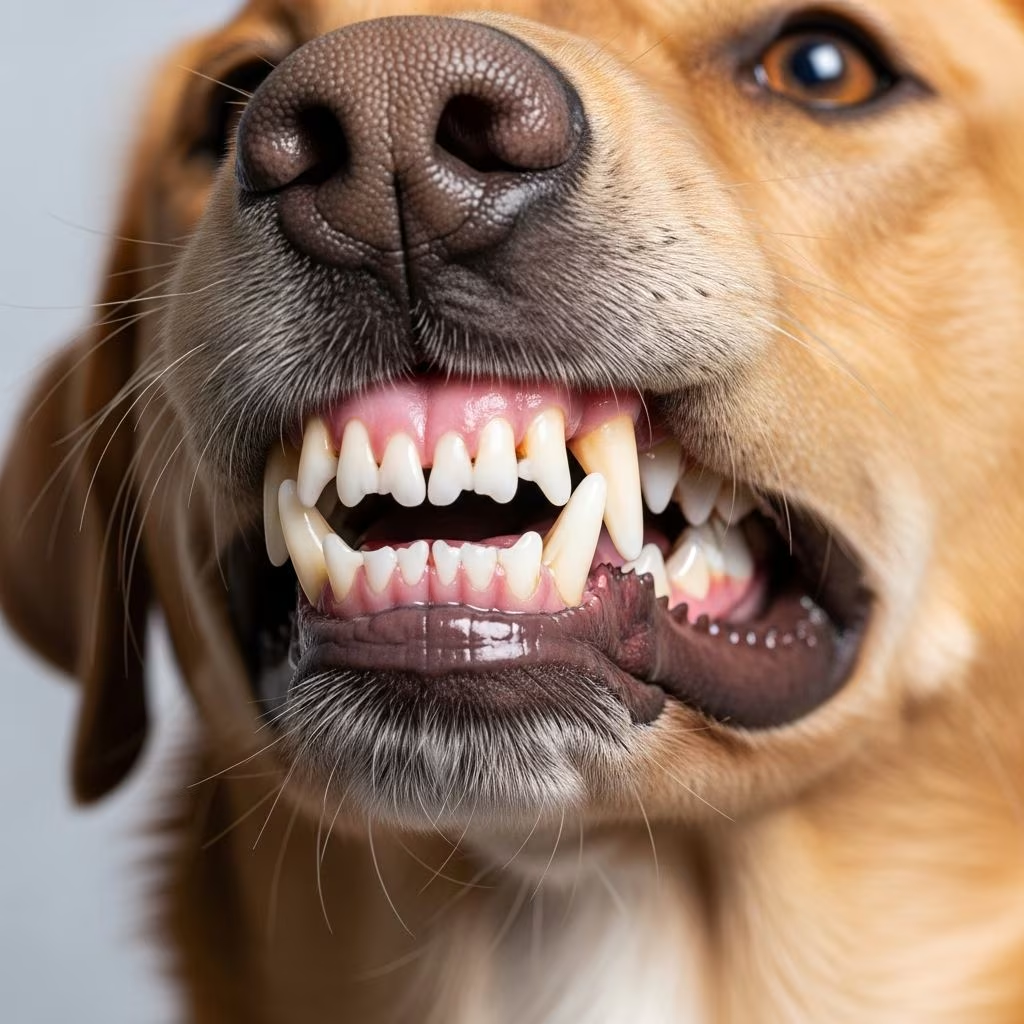
Malocclusions in Dogs: When Teeth Don’t Align
Dental health is a critical aspect of your dog’s overall wellbeing, yet many pet owners overlook issues related to tooth alignment. A dental malocclusion, or malposition, occurs when the upper and lower jaw lengths are considered normal, but there may be one or more teeth positioned out of normal alignment. In other cases, the actual jaw lengths themselves may be abnormal, causing the teeth to be misaligned as a consequence. Understanding malocclusions in dogs is essential for recognizing potential problems early and ensuring your pet receives appropriate treatment to prevent pain and complications.
What is Malocclusion in Dogs?
Malocclusion in dogs refers to the misalignment of teeth, causing an improper bite. This condition can affect the dog’s ability to chew properly, lead to discomfort or pain, and sometimes result in dental diseases. Unlike humans, who rarely experience severe dental misalignment naturally, dogs are more susceptible to malocclusions due to selective breeding practices and genetic factors. The condition ranges from mild cosmetic issues to severe cases that cause significant pain and complications affecting the dog’s quality of life.
Malocclusions can be broadly categorized into two types based on their origin: skeletal malocclusions, where the jaw itself is abnormally sized or positioned, and dental malocclusions, where individual teeth are misaligned despite normal jaw structure. Both types can create problems for your pet, though the severity and treatment approaches may differ significantly.
Types of Malocclusions in Dogs
Understanding the different types of malocclusions helps pet owners recognize what their dog might be experiencing and facilitates better communication with veterinary professionals.
Level Bite
This type occurs when the upper and lower incisors meet edge to edge, which can cause excessive wear on the teeth. The constant grinding contact between these teeth leads to progressive dental erosion, potentially exposing the inner portions of the teeth and causing pain over time. This type of bite, while not immediately problematic, can develop into a more serious condition as the dog ages.
Open Bite
An open bite exists when there is a gap between the upper and lower incisors when the mouth is closed, often due to the improper alignment of the jaw. This occurs when the jaw development is abnormal, and the teeth cannot meet properly. While some gaps may not cause immediate discomfort, open bites can interfere with the dog’s ability to properly grasp and eat food, potentially leading to nutritional issues or behavioral changes related to eating difficulty.
Crossbite
In a crossbite, some of the upper teeth fit inside the lower teeth when the mouth is closed. This can affect either the front (anterior crossbite) or the back (posterior crossbite) of the mouth. Crossbites are particularly problematic because they can cause the teeth to contact soft tissues of the mouth, leading to ulceration, pain, and potential infection if left untreated.
Class I Malocclusion: The Abnormal Tooth
In a Class I malocclusion, one or more teeth have erupted in the wrong position while the upper and lower jaw lengths remain normal. This type typically causes tooth-on-tooth or tooth-on-gum contact that creates pain or prevents the animal from completely closing their mouth. Over time, the chronic pain can lead to severe infection and problems for adjacent teeth.
Class II Malocclusion: Overbite
Class II malocclusion, commonly known as an overbite or “parrot mouth,” occurs when the upper jaw (maxilla) is abnormally longer than the lower jaw (mandible). The lower jaw has not grown proportionally to the upper jaw, making the mandible shorter than the maxilla. This creates traumatic injury to the palate or roof of the mouth from the lower canines and incisors. If left untreated, repeated trauma can result in holes in the roof of the mouth and dead or non-vital teeth on the upper jaw.
Base Narrow Canines
Base narrow canine malocclusion occurs when the lower canine teeth erupt too far inside the mouth and hit the gingiva instead of sitting nicely between the upper canine and third upper incisor. This malocclusion can cause significant problems and pain, creating large lesions in the gingiva that can extend up into the nasal sinus if the condition persists untreated. It frequently accompanies Class II malocclusion and requires professional veterinary intervention.
Causes of Malocclusion in Dogs
Malocclusion can happen for various reasons, and understanding these causes can help pet owners make informed decisions about breeding, care, and early intervention.
Genetic Factors
Many cases of malocclusion are inherited, particularly in certain breeds predisposed to dental issues. Selective breeding has unfortunately intensified the prevalence of malocclusions in some dog breeds, especially those with extreme facial features like bulldogs, pugs, and boxers. Breeds with naturally shorter lower jaws or longer upper jaws have higher predispositions to developing misaligned teeth. If both parents carry genes for malocclusion, offspring are likely to inherit this condition.
Injury and Trauma
Trauma to the jaw or teeth can cause misalignment. Accidents such as being bitten by another animal, getting hit by a car, or falls can result in jaw fractures or tooth displacement. Even if a fracture heals, improper healing can result in permanent malocclusion. Young dogs are particularly vulnerable to traumatic injuries that may affect their developing teeth and jaw structure.
Developmental Issues
Problems during the development of the jaw or teeth can lead to malocclusion. Infections, nutritional deficiencies, or other systemic conditions during the critical growth period can interfere with proper dental and skeletal development. Environmental factors during gestation or early development can also contribute to abnormal jaw growth patterns.
Retained Baby Teeth
If deciduous (baby) teeth do not fall out properly, they can cause permanent teeth to grow incorrectly. Retained deciduous canine teeth are particularly problematic as they occupy space needed for adult teeth to erupt in their correct positions. This is one of the most preventable causes of malocclusion, as veterinarians can extract retained baby teeth during routine dental examinations.
Symptoms of Malocclusion in Dogs
Recognizing symptoms early can help prevent complications and reduce your dog’s suffering. While some dogs with malocclusion show no obvious clinical signs other than misaligned teeth, others exhibit various symptoms indicating pain or functional problems.
Behavioral and Physical Signs
- Difficulty chewing or eating
- Drooling excessively
- Pawing at the mouth or face
- Bad breath or unusually foul odor
- Visible misalignment of the teeth
- Pain or discomfort in the mouth
- Gum irritation or injury from misaligned teeth
- Acting “head-shy” or recoiling when touched on the head or face
- Rubbing head against walls or with paws
- Bloody drool or bleeding from the mouth
If your dog displays any of these symptoms, scheduling a veterinary dental examination is crucial. Subtle behavior changes should not be ignored, as untreated malocclusion can have very painful consequences and lead to serious complications.
Complications of Untreated Malocclusion
When malocclusion is left untreated, it can progress to severe and painful conditions that significantly impact your dog’s quality of life.
Oronasal Fistula
One of the most severe side effects of untreated malocclusion is oronasal fistula, which occurs when an abnormal communication or hole forms between the mouth and nose as a result of a lower canine that is too vertically positioned. This condition can lead to great pain and discomfort, as well as possible nasal disease. If not addressed promptly, the damage to bone and soft tissues can become irreversible, necessitating tooth extraction and extensive treatment.
Periodontal Disease
Crowded, rotated, and abnormally located teeth can lead to early and more advanced periodontal disease. When teeth are misaligned, they can trap food and bacteria in areas that are difficult to clean, leading to plaque buildup, gingivitis, and eventual gum disease. This progression can result in tooth loss and chronic oral infections.
Tooth Death and Damage
Chronic traumatic malocclusion can cause teeth to become loose and non-vital, meaning they lose their blood supply and nerve function. The constant pressure and trauma from misaligned teeth can destroy the supporting tissues and bone around affected teeth, potentially requiring extraction to relieve pain and prevent infection.
Diagnosis and Treatment Options
Professional veterinary evaluation is essential for accurate diagnosis and determining the most appropriate treatment approach for your dog’s specific malocclusion.
Diagnostic Process
Veterinarians typically perform a thorough oral examination and may take dental radiographs to assess the severity and type of malocclusion. Early diagnosis is particularly important in puppies, as some malocclusions can be managed or improved during the growth phase if identified in time. X-rays help identify problems below the gum line and assess the health of the teeth and supporting structures.
Treatment Approaches
Treatment options depend on the type, severity, and age of the dog. Early intervention in puppies with retained deciduous teeth involves extracting the baby teeth to allow proper eruption of permanent teeth. In some cases where the malocclusion is causing pain, orthodontic treatments may be considered, though these are less common in veterinary dentistry than in human dentistry.
For cases causing significant pain or complications, extraction of the problematic teeth may be recommended. While this might seem drastic, removing teeth causing trauma often provides immediate pain relief and prevents further damage to surrounding tissues. Surgical interventions may also be necessary in cases of severe trauma or complications like oronasal fistula.
Prevention and Management
While genetic malocclusions cannot be entirely prevented, responsible breeding practices can reduce their prevalence. Pet owners can take several steps to manage and prevent complications:
- Schedule regular dental checkups with your veterinarian, especially during puppy development
- Monitor your dog’s eating habits and oral comfort
- Maintain good oral hygiene through regular brushing when appropriate
- Avoid breeding dogs with significant malocclusions
- Seek immediate veterinary attention following trauma to the mouth or jaw
- Have retained baby teeth extracted promptly by a veterinarian
Frequently Asked Questions
Q: Can malocclusion in dogs be corrected without extraction?
A: Some mild cases, particularly in puppies with retained baby teeth, can be managed through extraction of the problematic deciduous teeth. Orthodontic treatments are rarely used in veterinary medicine but may be considered in select cases. However, many malocclusions, especially skeletal ones, cannot be corrected without intervention and may require tooth extraction if they cause pain or complications.
Q: Is malocclusion common in all dog breeds?
A: While malocclusion can occur in any breed, it is more prevalent in certain breeds, particularly those with shortened muzzles like bulldogs, pugs, and boxers, and those with elongated faces like German Shepherds. Responsible breeding practices focus on reducing the incidence of malocclusion in predisposed breeds.
Q: At what age should malocclusion be addressed?
A: Early detection during puppy examinations is ideal, typically around 6-8 weeks of age and again during regular puppy wellness visits. Addressing retained baby teeth early (around 6-7 months) can sometimes prevent or reduce permanent tooth misalignment. Adult dogs with symptomatic malocclusion should receive treatment promptly to prevent complications.
Q: Will my dog have difficulty eating after tooth extraction?
A: Most dogs adapt well to missing teeth, particularly if the extraction relieves pain caused by the malocclusion. Dogs naturally have strong jaw muscles and can effectively process food with fewer teeth than they started with. Many dogs actually eat better after extraction of problematic teeth because eating no longer causes pain.
Q: Can I prevent malocclusion in my dog?
A: Genetic malocclusions cannot be prevented, but responsible breeding can reduce their prevalence. You can prevent acquired malocclusion by protecting your dog from facial trauma, ensuring retained baby teeth are extracted by a veterinarian, and maintaining regular dental health checkups throughout your dog’s life.
References
- Malocclusions in Dogs: When Teeth Don’t Align — VCA Animal Hospitals. https://vcahospitals.com/know-your-pet/malocclusions-in-dogs-when-teeth-dont-align
- Dogs with Underbites: What Is Canine Malocclusion? — PetMD. https://www.petmd.com/dog/care/dogs-underbites-what-canine-malocclusion
- Malocclusions in Dogs — Palmyra Veterinary Clinic. https://www.palmyraac.com/site/blog/2024/07/15/malocclusions-dogs
- Common Veterinary Dental Problems: Malocclusions — Mainely Vet Dentistry. https://mainelyvetdentistry.com/common-veterinary-dental-problems-malocclusions/
- Malocclusion Basics — Your Pet Dentist. https://yourpetdentist.com/malocclusion-basics/
- Malocclusion (Misaligned Teeth) — Animal Dental Australia. https://animaldental.com.au/pet-misaligned-teeth/



