

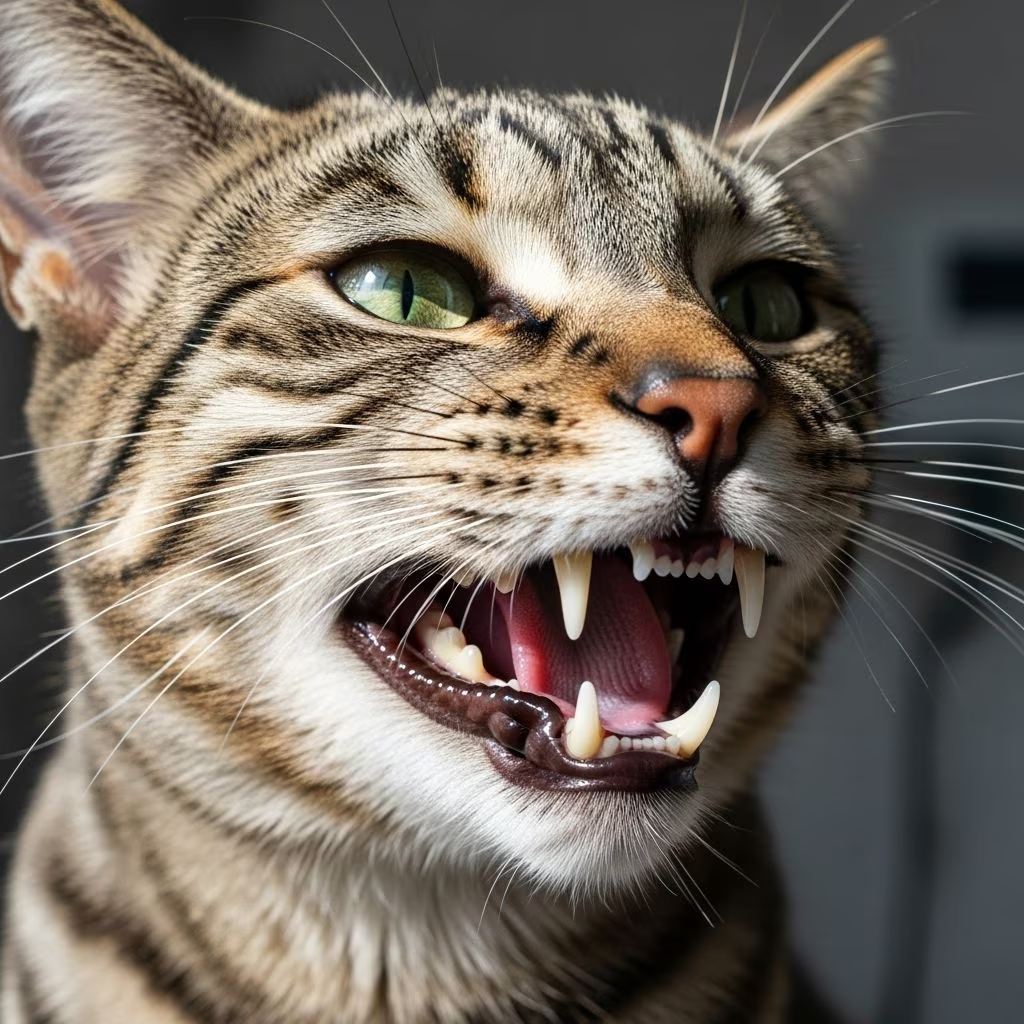
Malocclusions in Cats: When Teeth Don’t Align
Malocclusion refers to the misalignment of a cat’s teeth, occurring when the upper and lower jaws do not fit together properly when the mouth is closed. This condition results in an incorrect bite that can cause significant discomfort and complications affecting a cat’s ability to eat, close its mouth, groom itself, and maintain proper oral hygiene. While malocclusion is less common in cats than in dogs, it remains an important dental concern that veterinarians encounter regularly in feline patients.
Understanding malocclusion is crucial for cat owners because the condition can lead to serious health consequences if left untreated. The misaligned teeth can cause oral trauma, pain, and dental disease that progressively worsens over time. Many cats suffer silently with this condition, as they often hide signs of discomfort. Early recognition and veterinary intervention can prevent complications and improve your cat’s quality of life significantly.
Understanding the Different Types of Malocclusion
Veterinarians classify malocclusion into several distinct types, each with different characteristics and implications for feline health. Understanding these classifications helps owners and veterinarians identify the specific dental problems their cats face.
Class I: Dental Malocclusion
Class I malocclusion occurs when the jaw length is normal, but the individual teeth are misaligned. In this type, teeth may be rotated, angled abnormally, or positioned out of their proper places. While the jaws themselves align correctly, the teeth within the jaws create an improper bite. This misalignment can cause localized trauma to the soft tissues of the mouth, including the gums, tongue, and palate.
Class II: Skeletal Malocclusion (Overbite)
Class II malocclusion, commonly known as an overbite, occurs when the lower jaw is shorter than normal relative to the upper jaw. This skeletal discrepancy causes the upper teeth to protrude beyond the lower teeth. The misalignment can result in the lower teeth contacting and damaging the roof of the mouth, potentially leading to painful ulcerations, infections, and chronic inflammation.
Class III: Skeletal Malocclusion (Underbite)
Class III malocclusion, or underbite, occurs when the lower jaw is longer than the upper jaw. This skeletal condition causes the lower teeth to protrude forward beyond the upper teeth. Underbites are particularly common in brachycephalic (flat-faced) cat breeds such as Persians and Exotic Shorthairs. This condition may result in edge-to-edge wear of the incisor teeth or cause oral discomfort due to abnormal tooth contact.
Class IV: Asymmetrical Malocclusion
Class IV malocclusion involves abnormal or uneven jaw growth, which may occur front-to-back or side-to-side. This asymmetrical condition includes situations such as “wry mouth,” where the jaw deviates to one side. This type of malocclusion can cause pronounced dental issues and may result in difficulty eating or closing the mouth properly.
Causes of Malocclusion in Cats
Malocclusion can develop through hereditary, developmental, or environmental factors. Understanding the underlying causes helps owners recognize which cats may be at higher risk and when to seek veterinary attention.
Genetic and Breed-Related Factors
Genetics plays a significant role in the development of malocclusion in cats. Certain breeds have genetic predispositions to dental irregularities due to their unique skull structures. Flat-faced breeds such as Persians, British Shorthairs, Exotic Shorthairs, Siamese, and Himalayans are particularly prone to malocclusion. Maine Coons, despite being a larger breed, also show increased predisposition to specific types of malocclusion due to their distinctive facial structure.
A particularly common malocclusion in British Shorthairs, Maine Coons, and exotic short- and longhair breeds involves impingement of the maxillary fourth premolar on the oral mucosa around the mandibular first molar. This occurs due to the slight positioning of the cusps of the premolars and the thicker mandibular width characteristic of these breeds.
Retained Baby Teeth
One of the most common causes of malocclusion is the persistence of deciduous (baby) teeth that fail to fall out at the appropriate time. When baby teeth remain in place, they interfere with the eruption of permanent teeth, causing the permanent teeth to erupt in abnormal positions. Permanent teeth typically erupt on the mesial aspect of their deciduous precursors, and retained baby teeth can block this normal eruption pathway.
Abnormal Tooth Eruption
Sometimes permanent teeth fail to erupt properly even when baby teeth have shed. Abnormal eruption patterns can result from various developmental issues, including tooth bud malposition or problems with the surrounding bone. These developmental anomalies may be genetic or occur due to environmental factors during tooth development.
Facial Trauma
Trauma to the face or jaw area can cause malocclusion by damaging the teeth, jaw structures, or the areas where teeth develop. Accidents, fights with other animals, or impacts to the face can result in misaligned teeth or jaw fractures that heal improperly, leading to bite problems.
Dental Malformations and Disease
Certain dental diseases can contribute to malocclusion development. Feline odontoclastic resorptive lesions (FORLs), a common dental condition in cats, involve the body resorbing tooth structure and leaving small, sharp stubs. This condition can lead to malocclusion and causes pain and injury to surrounding tissues. Other dental diseases that impact bone and tooth development can similarly result in bite abnormalities.
Recognizing the Symptoms of Malocclusion
Many symptoms of malocclusion may go unnoticed, making it a silent health threat to feline patients. However, attentive cat owners can learn to recognize warning signs that indicate dental problems requiring veterinary evaluation.
Visible Signs
The most obvious indicator of malocclusion is visible misalignment of the teeth or jaws. Owners may notice that the teeth do not meet properly, that individual teeth appear rotated or angled abnormally, or that the jaw appears uneven or asymmetrical. Facial swelling around the face or jaw area may indicate inflammation or infection resulting from the misaligned teeth causing trauma.
Eating and Behavioral Changes
Cats with malocclusion often experience difficulty picking up or chewing food properly. They may drop food, take longer to eat, or prefer softer food items. Loss of appetite is common as cats avoid eating due to pain or difficulty. Behavioral changes such as increased irritability, reluctance to be touched around the face, or changes in grooming habits may also indicate oral discomfort.
Oral Symptoms
Excessive drooling or bad breath can indicate malocclusion-related problems. The misaligned teeth may cause soft tissue trauma, leading to infections that produce foul odors. Cats may paw at their mouths or face repeatedly as a sign of discomfort or pain. In some cases, visible discoloration or abnormal shaping of teeth may be apparent.
Serious Complications
In severe cases, malocclusion can lead to soft tissue trauma, deep oral infections, palatal injuries, or even fistulas between the nasal and oral cavities. These serious complications require immediate veterinary attention and may necessitate surgical intervention.
Complications Associated with Malocclusion
Beyond the immediate discomfort, malocclusion can lead to several serious health complications affecting overall oral and systemic health.
Periodontal Disease
The improper positioning of teeth creates pockets where food and bacteria accumulate easily. This environment promotes the development of gum disease and increases the risk of infections. Chronic gum disease can lead to tooth loss and may allow bacteria to enter the bloodstream, affecting other organs.
Soft Tissue Defects
Misaligned teeth frequently contact and traumatize the soft tissues of the mouth, including the floor of the mouth and the roof (palate). This contact causes painful ulcerations that may become chronically inflamed. In severe cases, the chronic inflammation can lead to the development of proliferative lesions known as pyogenic granulomas, which are inflammatory growths that may recur even after removal.
Tooth Wear and Fractures
Abnormal tooth contact resulting from malocclusion can cause uneven wear on the teeth. Additionally, the stress placed on misaligned teeth increases the risk of fractures and other structural damage to the teeth themselves.
Oral Pain and Discomfort
Misaligned teeth pressing against gums or other oral tissues cause persistent discomfort and pain. This dental pain affects the cat’s quality of life and can lead to behavioral changes and reduced appetite.
Diagnosis of Malocclusion
Veterinarians diagnose malocclusion through a combination of visual examination and diagnostic imaging. During a physical examination, the veterinarian assesses the bite relationship, looks for visible misalignment, and checks for signs of oral trauma or disease. Dental radiographs (X-rays) are essential for evaluating bone loss, tooth root positions, and the full extent of the malocclusion that may not be visible during examination alone.
A thorough dental examination often requires sedation or anesthesia to allow the veterinarian to properly assess all teeth and oral structures. This comprehensive evaluation helps determine the severity of the condition and guides treatment decisions.
Treatment Options for Feline Malocclusion
Treatment approaches for malocclusion vary depending on the type, severity, and underlying cause of the condition.
Management of Retained Baby Teeth
When retained baby teeth are the primary cause, extraction of these teeth often allows permanent teeth to erupt into more normal positions. Early intervention during the tooth eruption phase can prevent the development of more serious malocclusion problems.
Surgical and Orthodontic Interventions
For more severe skeletal malocclusions, surgical correction may be necessary. Some veterinary dentists offer orthodontic treatments using braces or other devices to gradually move teeth into better positions. However, these interventions are less common in cats than in dogs and may require referral to a veterinary dental specialist.
Extraction of Affected Teeth
In cases where teeth are causing significant trauma to oral tissues or where other treatments are not feasible, extraction of the offending teeth may be recommended. While this may seem drastic, removing teeth that are causing pain and tissue damage often improves the cat’s quality of life significantly.
Pain Management and Monitoring
Regardless of the treatment approach chosen, pain management is crucial. Cats experiencing malocclusion-related discomfort benefit from pain relief medications. Regular veterinary monitoring helps track the condition’s progression and ensures early detection of complications.
Prevention and Long-term Care
While hereditary factors predispose certain cats to malocclusion, some preventive measures can help. Avoiding facial trauma through careful supervision and preventing fights with other animals reduces the risk of trauma-induced malocclusion. Early veterinary dental examinations, particularly in breeds known to have predisposition, allow detection of developing problems before they become severe.
Owners should maintain regular dental care through professional cleanings when recommended by their veterinarian and monitor their cats for any signs of oral discomfort or dental abnormalities. Soft food diets may be beneficial for cats with severe malocclusion, and pain management strategies should be implemented as needed.
Frequently Asked Questions About Feline Malocclusion
Q: Is malocclusion common in cats?
A: Malocclusion occurs less frequently in cats than in dogs, but it remains an important dental concern. Certain breeds, particularly flat-faced varieties like Persians and British Shorthairs, show higher predisposition to malocclusion due to their skull structure.
Q: Can malocclusion be prevented?
A: While hereditary malocclusion cannot be prevented, owners can reduce the risk by minimizing facial trauma and ensuring early veterinary dental evaluations. This is especially important for breeds with genetic predisposition.
Q: What should I do if I suspect my cat has malocclusion?
A: Schedule a veterinary dental examination promptly. The veterinarian can assess the bite, identify any problems, and recommend appropriate treatment options. Early intervention often prevents complications.
Q: Is malocclusion painful for cats?
A: Yes, malocclusion can cause significant pain and discomfort, especially when teeth contact soft tissues. Cats often hide signs of pain, so owners should watch for behavioral changes or eating difficulties.
Q: Will extracted teeth affect my cat’s quality of life?
A: Cats function well with missing teeth. In fact, extracting teeth that are causing pain and trauma often improves quality of life by eliminating discomfort and preventing complications.
Q: How often should I have my cat’s teeth examined?
A: Annual dental examinations are recommended for all cats. Cats with known malocclusion or breed predisposition may require more frequent evaluations to monitor progression and catch complications early.
References
- Occlusion and malocclusion in the cat — di L Milella, National Center for Biotechnology Information (NCBI). 2014. https://pmc.ncbi.nlm.nih.gov/articles/PMC11383101/
- Misalignment of Teeth in Cats | Malocclusion in Cats — PetMD. 2024. https://www.petmd.com/cat/conditions/mouth/c_ct_malocclusion_misalignment_of_teeth
- Malocclusion in Cats: Causes, Signs, and Treatment — PetCareRx. 2024. https://www.petcarerx.com/article/malocclusion-in-cats-causes-signs-and-treatment/6457
- Recognising malocclusion in dogs and cats — Improve International Clinical Library. 2024. https://improveinternational.com/uk/clinical-library/recognising-malocclusion-in-dogs-and-cats
- Caudal Malocclusion in Cats — Animal Dental Australia. 2024. https://animaldental.com.au/caudal-malocclusion-in-cats/
- The Effects of Malocclusion in Cats — Veterinary Dentist Tennessee. 2024. https://vetdentisttn.com/the-effects-of-malocclusion-in-cats/
- Malocclusion in Cats: The Silent Threat to Feline Health — PetsCare. 2024. https://www.petscare.com/news/faq/what-is-the-silent-killer-of-cats-32



