

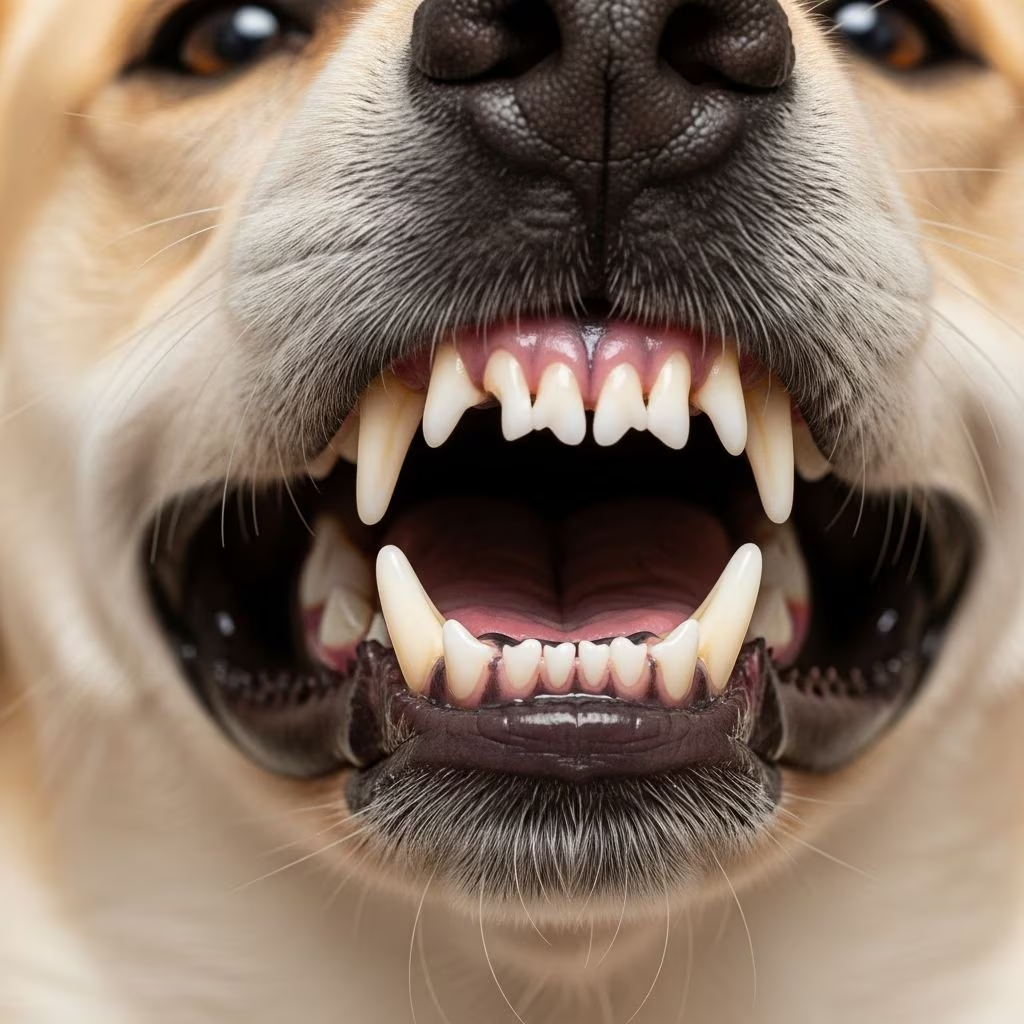
Malocclusions in Dogs: When Teeth Don’t Align
Malocclusion is a common dental condition in dogs where the upper and lower teeth do not properly align when the mouth is closed. This misalignment can range from a minor cosmetic concern to a serious health issue that causes significant pain and discomfort. Understanding malocclusions is essential for dog owners, as early recognition and treatment can prevent serious complications and improve your pet’s quality of life.
What is Malocclusion?
A dental malocclusion, or malposition, occurs when the upper and lower jaw lengths are considered normal, but there may be one or more teeth out of normal alignment. This differs from skeletal malocclusions, where the jaw itself is misaligned. Dental malocclusions specifically involve individual teeth that have erupted in incorrect positions within otherwise normal jaw structures. The condition can affect dogs of any age or breed, though certain breeds show higher predisposition to specific types of malocclusions.
Types of Malocclusions
Veterinary dentists classify malocclusions into several categories based on the specific type of misalignment present. Understanding these classifications helps pet owners recognize potential problems and seek appropriate treatment.
Class I Malocclusion
Class I malocclusion is characterized by abnormally positioned individual teeth while the upper and lower jaw lengths remain normal. In this type of malocclusion, one or more teeth have erupted in the wrong position, causing tooth-on-tooth or tooth-on-gingiva (gum) contact. This direct contact typically results in pain and may prevent the animal from completely closing their mouth. Over time, Class I malocclusion can cause severe infection and problems for adjacent teeth.
Class II Malocclusion (Overbite)
Class II malocclusion, commonly referred to as an overbite or “parrot mouth,” involves a skeletal problem where the lower jaw (mandible) is shorter than the upper jaw (maxilla). In this condition, the jaw length is the primary issue rather than individual tooth positioning. The problem arises when the lower incisors and canines contact the upper gingiva, causing indentations, trauma, and chronic pain. This malocclusion is typically evident when puppies are very young, making early intervention crucial to prevent ongoing discomfort and allow the lower jaw maximum opportunity to develop properly.
Class III Malocclusion (Underbite)
Class III malocclusion, or underbite, represents the opposite of an overbite. In this condition, the lower jaw extends forward beyond the upper jaw, creating the characteristic “undershot” appearance. While some breeds are bred to have this jaw structure, when it occurs in breeds not predisposed to it, it can cause significant dental problems and discomfort.
Level Bite
A level bite occurs when the upper and lower incisors meet edge to edge rather than in the normal scissor-like overlap. This type of bite can cause excessive wear on the teeth over time, leading to gradual dental deterioration and potential exposure of the tooth root.
Open Bite
An open bite is characterized by a gap between the upper and lower incisors when the mouth is closed, often due to improper jaw alignment. This condition can make it difficult for dogs to grasp and chew food effectively.
Crossbite
In a crossbite, some of the upper teeth fit inside the lower teeth when the mouth is closed, which can affect either the front (anterior crossbite) or the back (posterior crossbite) of the mouth. This lateral misalignment can create uneven pressure distribution and lead to abnormal wear patterns on affected teeth.
Base Narrow Canines
Base narrow canine malocclusion occurs when the lower canine teeth erupt too far inside (lingually) and hit the gingiva instead of sitting nicely between the upper canine and third upper incisor. This condition often accompanies a Class II malocclusion and can cause significant pain, creating large lesions in the gingiva that may extend into the nasal sinus if left untreated.
Causes of Malocclusion in Dogs
Malocclusions develop through various pathways, and understanding the underlying cause is important for prevention and management. The causes can be broadly categorized as genetic, developmental, or traumatic.
Genetic Factors
Many cases of malocclusion are inherited, particularly in certain breeds predisposed to dental issues. Malocclusions can have a strong genetic basis that is likely transmitted from generation to generation. Selective breeding for specific physical characteristics has unfortunately also selected for dental problems in some breeds. Dogs with significant malocclusions should not be bred, as this perpetuates the condition in future generations.
Developmental Issues
Problems occurring during the development of the jaw or teeth can lead to malocclusion. These developmental issues may result from nutritional deficiencies, metabolic disorders, or systemic illnesses affecting bone growth and tooth eruption. Additionally, retained deciduous (baby) teeth can interfere with proper eruption of permanent teeth, causing them to grow in incorrect positions. When baby teeth do not shed at the appropriate time, they can physically block the adult teeth from moving into their proper places.
Trauma and Injury
Trauma to the face and jaw represents a significant acquired cause of malocclusion. Events such as being bitten by another animal, being hit by a car, or other accidents can result in facial or jaw injuries. Jaw fractures that do not heal properly are particularly problematic, as improper healing can permanently alter the alignment of the teeth. Even if fractures heal, misalignment often remains if the fragments are not precisely repositioned during treatment.
Other Acquired Causes
Beyond trauma, infections or other events occurring during growth and development can alter maxillofacial (face and jaw) growth, leading to acquired malocclusions. Systemic illnesses, hormonal imbalances, and certain medications may also affect dental development in young dogs.
Symptoms and Clinical Signs of Malocclusion
Dogs with malocclusion may exhibit a wide range of symptoms, from subtle behavioral changes to obvious physical signs. Early recognition of these symptoms is crucial for preventing complications and ensuring your dog receives appropriate treatment.
Observable Behavioral Changes
Dogs experiencing pain from malocclusion often exhibit subtle behavior changes that owners might initially overlook. These changes include acting “head-shy” by recoiling when petted on the head or face, rubbing the head against walls or with paws, and demonstrating difficulty picking up or chewing food. Some dogs may prefer softer foods or only chew on one side of their mouth to avoid discomfort.
Eating and Oral Difficulties
Difficulty chewing or eating is among the most common presenting symptoms of malocclusion. Dogs may drop food from their mouth, take longer to eat, or show reduced appetite. In severe cases, malocclusions may make eating significantly more difficult, potentially leading to nutritional deficiencies if not addressed.
Oral and Facial Signs
Dogs with malocclusion frequently exhibit visible oral signs, including:
- Visible misalignment of the teeth
- Excessive drooling
- Pawing at the mouth or face
- Unusual bad breath or halitosis
- Bloody drool
- Gum irritation or injury from misaligned teeth
- Gum swelling or visible disease
Pain Indicators
Pain or discomfort in the mouth is a significant indicator of problematic malocclusion. Dogs may show signs of oral pain through reluctance to play with toys, difficulty picking up treats, or behavioral changes such as increased irritability or depression. Physical signs of pain may include excessive salivation or blood-tinged saliva.
Complications of Untreated Malocclusion
Leaving malocclusions untreated can lead to serious and potentially life-threatening complications. Understanding these potential consequences emphasizes the importance of early veterinary intervention.
Oral Pain and Soft Tissue Damage
Malocclusions can cause a dog’s teeth to penetrate into opposing soft tissue structures, resulting in significant pain. The most common traumatic malocclusion in dogs results from lower canine teeth digging into the soft tissues of the upper jaw or palate. This repeated trauma creates ulcers and chronic wounds that are both extremely painful and prone to secondary infection.
Oronasal Fistula
One of the most severe complications of untreated malocclusion is the development of an oronasal fistula, which is an abnormal communication or hole forming between the mouth and nose. This condition typically results from a lower canine tooth that is positioned too vertically and repeatedly traumatizes the palate. An oronasal fistula can lead to not only great pain and discomfort but also possible nasal disease and chronic nasal discharge. The formation of such a fistula represents advanced pathology that may have been preventable with earlier intervention.
Periodontal Disease
Malocclusions significantly increase a dog’s risk for periodontal disease. Crowded, rotated, and abnormally located teeth can lead to early and more advanced periodontal disease. When teeth are misaligned, food and bacteria accumulate in abnormal pockets and gaps, creating an environment conducive to infection and inflammation of the gums and supporting tooth structures.
Foreign Material Impaction
The abnormal gaps created by malocclusion can trap foreign material such as plant material, food remnants, and pebbles. This trapped debris results in inflammation that further contributes to pain and periodontal disease, creating a cycle of increasing oral problems.
Tooth Death and Bone Loss
Chronic traumatic malocclusion can result in tooth death (non-vital teeth) and significant bone loss around affected teeth. In severe cases involving crowded teeth, plaque buildup leads to gingivitis or advanced gum disease. The combination of chronic trauma, infection, and inflammation can cause irreversible damage requiring tooth extraction.
Diagnosis of Malocclusion
Accurate diagnosis of malocclusion requires professional veterinary evaluation. During an oral examination, your veterinarian will assess the alignment of teeth, evaluate for signs of trauma or disease, and may recommend dental radiographs to fully understand the extent of the problem. Radiographs are particularly important for evaluating the roots of affected teeth and determining whether extraction may be necessary. Some malocclusions are obvious upon visual inspection, while others require careful palpation and manipulation of the jaw to fully appreciate the misalignment.
Treatment Options for Malocclusion
Treatment approaches vary depending on the type and severity of malocclusion, the age of the dog, and the specific teeth involved. Early intervention, particularly in puppies with deciduous teeth problems, can prevent or minimize permanent damage.
Early Intervention in Puppies
When malocclusion is identified in puppies with baby teeth, early treatment can provide the lower jaw every opportunity to grow forward, potentially preventing severe problems from developing. Extraction of problematic deciduous teeth may allow proper eruption and positioning of permanent teeth. This preventive approach is far more successful than attempting correction after permanent teeth have erupted.
Extraction and Surgical Management
For many malocclusions causing pain or potential complications, extraction of affected teeth may be necessary. Teeth causing direct trauma to soft tissues are typically extracted to eliminate the source of pain and prevent further damage. In cases where only one or two teeth are causing problems, selective extraction of these teeth may resolve the issue. More extensive malocclusions may require multiple extractions, which is usually well-tolerated by dogs.
Management of Chronic Cases
For dogs with chronic traumatic malocclusion, ongoing management is essential to prevent progressive damage. Treatment typically involves extraction of the offending tooth or teeth causing trauma. In cases where lower canines are causing palatal trauma, extraction of the lower canines along with treatment to remove the repeated trauma source represents an effective intervention.
Prevention of Malocclusion
While genetic malocclusions cannot be entirely prevented, several strategies can reduce the incidence and severity of dental problems in dogs. Responsible breeding practices that exclude dogs with significant malocclusions from breeding programs help reduce hereditary transmission. Providing appropriate nutrition during growth and development supports proper bone and tooth formation. Preventing trauma through careful supervision and appropriate safety measures protects developing teeth and jaws.
When to Contact Your Veterinarian
Any noticeable changes in your dog’s behavior or physical health warrant veterinary evaluation. Subtle signs such as head-shyness, difficulty eating, excessive drooling, or bad breath should prompt a professional examination. If your dog shows signs of oral pain or you notice visible dental misalignment, schedule a veterinary appointment promptly. Early detection and intervention significantly improve outcomes and prevent serious complications.
Frequently Asked Questions
Q: Can malocclusions in dogs be corrected without extraction?
A: In some cases, early intervention during the puppy stage when deciduous teeth are present may correct problems without extraction. However, once permanent teeth have erupted in an abnormal position, extraction is often the most effective treatment option. Orthodontic procedures exist but are rarely performed in veterinary practice.
Q: Is malocclusion a sign of poor breeding?
A: While genetic factors play a significant role, malocclusions can also result from trauma, developmental issues, or retained baby teeth. However, responsible breeders should screen their breeding stock to minimize hereditary malocclusions, particularly in breeds predisposed to severe dental problems.
Q: Can my dog eat normally with malocclusion?
A: This depends on the severity of the malocclusion. Mild cases may not affect eating ability, but moderate to severe cases can cause significant difficulty. In painful malocclusions, dogs may prefer soft food or avoid eating altogether.
Q: Will my dog need anesthesia for malocclusion treatment?
A: Yes, dental procedures including examinations, radiographs, and extractions require general anesthesia to ensure your dog’s safety and comfort. Modern anesthetic protocols are very safe when proper pre-operative evaluation is performed.
Q: How often should I have my dog’s teeth checked for malocclusion?
A: Puppies should have oral examinations during their regular veterinary visits to identify potential problems early. Adult dogs should have dental evaluations annually or as recommended by your veterinarian based on individual risk factors.
References
- Malocclusions in Dogs — Palmyra Animal Hospital. 2024-07-15. https://www.palmyraac.com/site/blog/2024/07/15/malocclusions-dogs
- Malocclusions in Dogs — North Bay Veterinary Dentistry. https://northbayvetdentist.com/malocclusions-in-dogs/
- Dogs with Underbites: What Is Canine Malocclusion? — PetMD. https://www.petmd.com/dog/care/dogs-underbites-what-canine-malocclusion
- Malocclusion — Veterinary Dentistry Services for Pets. https://www.vdspets.com/malocclusion/
- Common Veterinary Dental Problems: Malocclusions — Mainly Veterinary Dentistry. https://mainelyvetdentistry.com/common-veterinary-dental-problems-malocclusions/
- Malocclusion Factsheet — Abbey House Vets. November 2023. https://www.abbeyvetspets.co.uk/images/Content/dental/Abbey_House_Vets_Oral_Health_Care_Malocclusion_Factsheet_Nov23.pdf
- Malocclusion Basics — Your Pet Dentist. https://yourpetdentist.com/malocclusion-basics/



