
Malignant Hyperthermia In Dogs: Causes, Signs, And Treatment
Understanding the genetic triggers, rapid symptoms, and life-saving interventions for this rare but deadly canine muscle disorder.
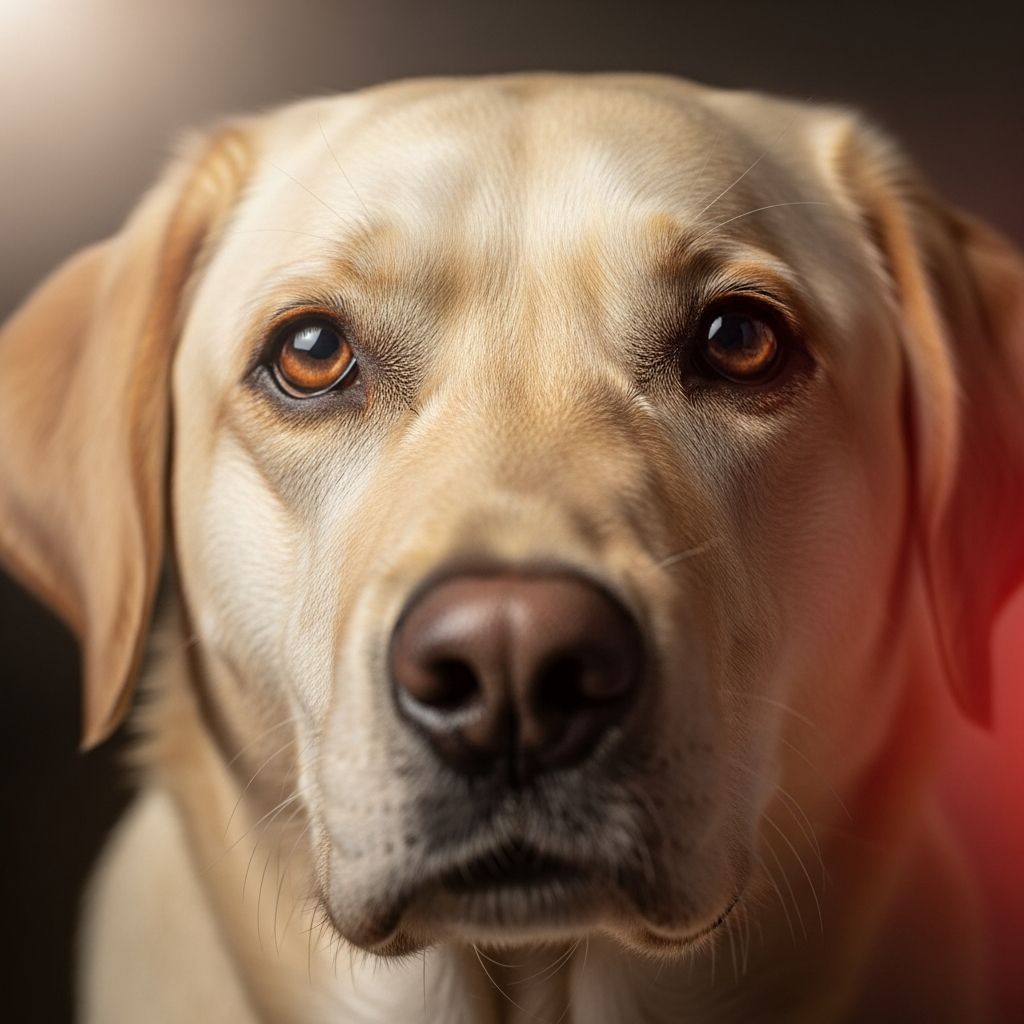
Malignant hyperthermia (MH) represents a rare yet potentially fatal disorder in dogs, characterized by uncontrolled skeletal muscle contractions and extreme body temperature spikes triggered by specific agents or stressors. This condition arises from genetic defects disrupting calcium regulation in muscle cells, often manifesting during anesthesia or high-stress situations.
The Genetic Roots of Canine Malignant Hyperthermia
At its core, MH stems from mutations in the RYR1 gene, which encodes the ryanodine receptor—a critical protein in skeletal muscle that controls calcium release from the sarcoplasmic reticulum. In susceptible dogs, these mutations cause hypersensitivity, leading to excessive calcium efflux upon trigger exposure. This floods muscle cell cytoplasm with calcium, provoking sustained contractions and a hypermetabolic crisis.
Canine MH follows an autosomal dominant inheritance pattern, meaning a single copy of the mutated gene from either parent confers susceptibility. A specific variant, RYR1 V547A, has been identified in North American dogs via in vitro contracture tests, highlighting regional genetic clustering. While over 400 RYR1 variants exist across species, only select ones are confirmed MH-causative per European Malignant Hyperthermia Group guidelines.
- Key Genetic Feature: Autosomal dominant—50% inheritance risk per offspring if one parent affected.
- Prevalence: Rare worldwide, with unknown exact incidence but documented in multiple breeds.
Breeds and Populations at Elevated Risk
Certain dog breeds show higher MH susceptibility due to shared genetics and lineages. Greyhounds top the list, followed by Labrador Retrievers, Golden Retrievers, Border Collies, Pointers, Saint Bernards, Springer Spaniels, and Bichon Frises. These sighthounds and sporting breeds may carry the mutation more frequently, possibly linked to selective breeding for speed and endurance.
| Breed | Risk Level | Notable Associations |
|---|---|---|
| Greyhounds | High | Frequent anesthesia episodes in racing |
| Labrador Retrievers | Moderate | Reported cases post-surgery |
| Border Collies | Moderate | Stress-induced episodes |
| Golden Retrievers | Moderate | Genetic screening available |
Owners of these breeds should discuss MH screening before elective surgeries, as early detection via genetic tests can prevent crises.
Common Triggers That Ignite the Crisis
MH episodes erupt rapidly after exposure to provocateurs that destabilize the faulty ryanodine receptor. Veterinary anesthetics dominate, particularly volatile inhalants like halothane, which is more potent than isoflurane or enflurane. Succinylcholine, a depolarizing neuromuscular blocker, also poses risks.
Non-anesthetic triggers include environmental or physiological stressors:
- Intense exercise or overexertion.
- Emotional excitement, apprehension, or acute stress.
- Toxins like caffeine or fermented hops (e.g., in some beers or herbal remedies).
In non-anesthetized dogs, episodes may start with panting and progress to rigidity, underscoring the need for trigger avoidance in at-risk animals.
Recognizing the Alarming Signs of an MH Episode
The hallmark of MH is a swift metabolic meltdown, often beginning with a surge in end-tidal CO2 before overt hyperthermia. Body temperature can rocket to 113°F (45°C) within minutes, fueled by relentless muscle activity producing heat, lactic acid, and CO2.
Progression typically unfolds as:
- Early Phase (0-10 minutes): Tachycardia, tachypnea, hypercapnia, muscle twitching or fasciculations.
- Peak Crisis: Rigid muscle contracture, arrhythmias, cyanosis (bluish gums/skin), myoglobinuria (dark urine).
- Advanced Complications: Seizures, pulmonary edema, coagulopathy, renal failure, cardiac arrest.
In light-coated dogs, skin may blanch then redden with blotchy cyanosis. Unchecked, death follows from multi-organ failure, sometimes in under 20 minutes.
Pathophysiology: How Muscles Betray the Body
Normal muscle contraction hinges on precise calcium dynamics: nerve impulses open voltage-gated channels, triggering ryanodine receptors to release stored calcium, enabling actin-myosin cross-bridging. In MH-prone dogs, mutated receptors hypersensitize, unleashing a calcium torrent independent of signals.
This cascades into:
- Hypermetabolism: ATP depletion, oxygen hunger, CO2 overproduction.
- Acidosis: Lactic buildup from anaerobic glycolysis.
- Tissue Damage: Rhabdomyolysis releases myoglobin, taxing kidneys.
Unlike human or porcine MH, canine cases may prioritize CO2 rise before rigidity, aiding early ventilator adjustments in surgery.
Diagnostic Approaches for Confirmation
Suspected MH demands immediate action over exhaustive testing, but confirmation uses:
- Genetic PCR Testing: Buccal swab or blood for RYR1 mutations—non-invasive, widely available (e.g., UC Davis Veterinary Genetics Lab).
- In Vitro Contracture Test (IVCT): Gold standard; muscle biopsy exposed to halothane/caffeine measures abnormal contractions.
- Clinical History: Temporal link to triggers plus signs like unexplained hyperthermia post-anesthesia.
Halothane challenges in IVCT confirm susceptibility with high specificity.
Emergency Management and Treatment Protocols
Survival hinges on rapid intervention—call emergency vets immediately upon suspicion. Core strategies:
- Discontinue Triggers: Stop anesthetics, hyperventilate to expel CO2.
- Dantrolene Administration: First-line; IV 2-3 mg/kg blocks ryanodine receptor calcium release, halting the cycle.
- Cooling Measures: Ice packs, cool IV fluids, fans—target <102°F rapidly.
- Supportive Care: Bicarbonate for acidosis, antiarrhythmics, diuretics for renal protection.
Prognosis is guarded, improving with early dantrolene and mild hyperthermia (<108°F).
Prevention Strategies for At-Risk Dogs
Forewarned is forearmed:
- Pre-Surgical Screening: Genetic tests for high-risk breeds.
- Anesthetic Protocols: Avoid halothane/succinylcholine; prefer propofol, opioids, non-depolarizing blockers.
- Lifestyle Adjustments: Minimize stress/exercise extremes; no hops/caffeine exposure.
- Vet Communication: Alert teams to MH history.
FAQs on Malignant Hyperthermia in Dogs
Q: Is MH curable?
A: No, it’s genetic, but manageable via trigger avoidance and testing.
Q: Can all dogs get MH?
A: Only genetically susceptible ones; rare overall.
Q: What if my Greyhound needs surgery?
A: Test first; use MH-safe anesthetics.
Q: How quickly does MH kill?
A: Minutes to hours without treatment.
Q: Is dantrolene always available?
A: Stocked in equipped clinics; human formulations work.
Future Directions in Research and Care
Ongoing studies refine genetic panels for broader breed coverage and explore novel antagonists beyond dantrolene. Multimodal anesthesia protocols evolve, emphasizing total IV techniques. Pet owner education via accessible tests promises fewer tragedies. This comprehensive vigilance transforms MH from silent killer to preventable risk.
References
- Malignant hyperthermia in Dogs (Canis) — Vetlexicon. 2023. https://www.vetlexicon.com/canis/anesthesia/articles/malignant-hyperthermia/
- Malignant Hyperthermia in Dogs – Symptoms, Causes — WagWalking. 2024. https://wagwalking.com/condition/malignant-hyperthermia
- Malignant Hyperthermia (MH) – Animal Genetics — Animal Genetics Lab. 2023. https://avian2.animalgenetics.com/Canine/Genetic_Disease/MH.asp
- Malignant Hyperthermia in Dogs — Merck Veterinary Manual. 2025-02-01. https://www.merckvetmanual.com/dog-owners/metabolic-disorders-of-dogs/malignant-hyperthermia-in-dogs
- Malignant Hyperthermia (MH) — Veterinary Genetics Laboratory, UC Davis. 2024. https://vgl.ucdavis.edu/test/mh
- Malignant Hyperthermia in Animals — MSD Veterinary Manual. 2025-01-15. https://www.msdvetmanual.com/metabolic-disorders/malignant-hyperthermia/malignant-hyperthermia-in-animals
Similar Articles








Read full bio of Sneha Tete




