

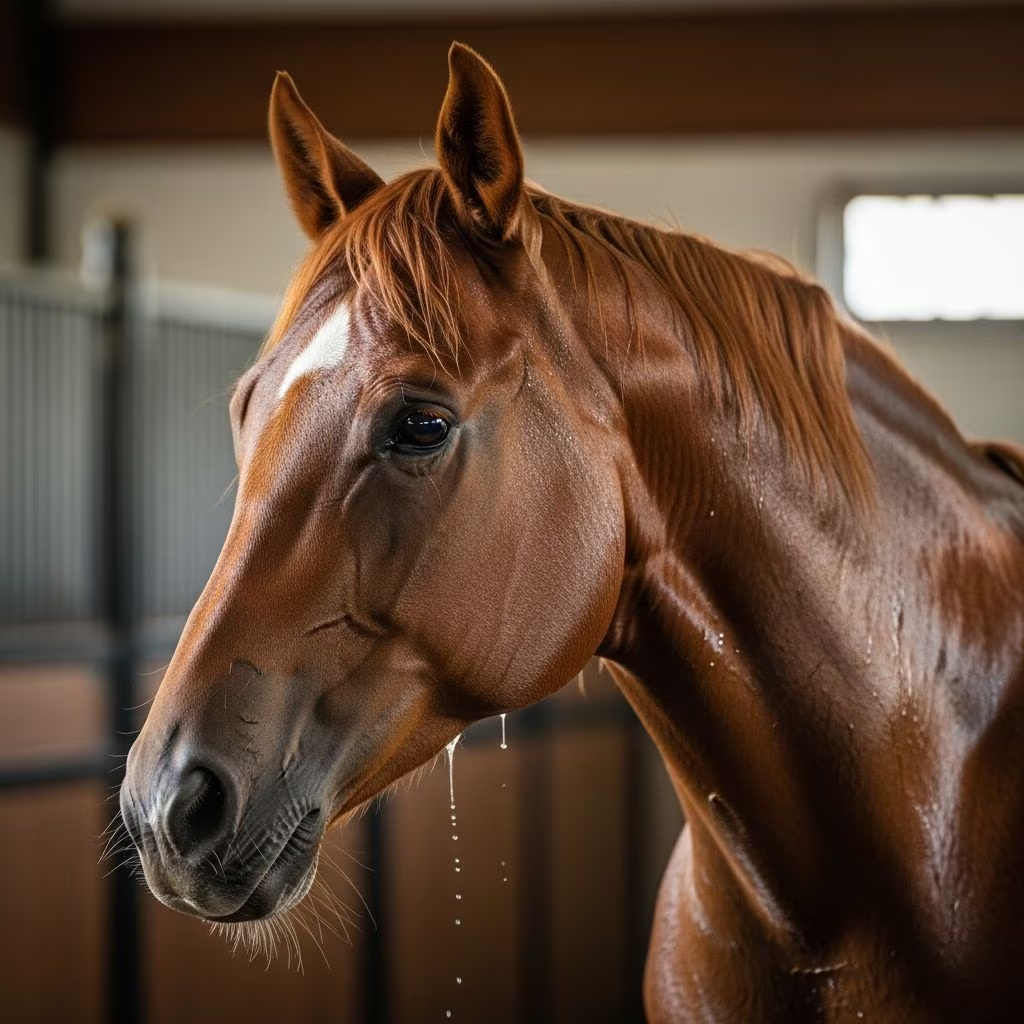
This rare but serious genetic condition affects certain horse breeds, posing significant risks during anesthesia or high-stress situations. It leads to uncontrolled muscle activity and dangerously elevated body temperatures, often requiring immediate veterinary intervention.
The Genetic Roots of Malignant Hyperthermia
Malignant hyperthermia (MH) stems from a mutation in the RYR1 gene, which encodes the ryanodine receptor 1 protein responsible for regulating calcium release in skeletal muscle cells. This autosomal dominant mutation means a horse inherits it from just one parent and can pass it on with a 50% probability to offspring.
In affected horses, the faulty receptor causes excessive calcium leakage into muscle cell cytoplasm when triggered. This sparks relentless muscle contractions, skyrocketing metabolic demands and heat production. Breeds like Quarter Horses, Paints, and Appaloosas show higher prevalence due to shared genetics.
Research confirms over 400 RYR1 variants exist across species, with specific ones confirmed in equines. The mutation often co-occurs with polysaccharide storage myopathy type 1 (PSSM1), amplifying episode severity through intensified muscle damage and tying-up episodes.
Common Triggers and Risk Scenarios
MH episodes typically ignite under specific stressors. Inhalant anesthetics like halothane and isoflurane top the list, used routinely in surgeries. Halothane proves more potent than isoflurane in provoking reactions.
Non-anesthetic triggers include intense exercise, excitement, apprehension, or environmental heat. Succinylcholine, a neuromuscular blocker, can also provoke crises. Horses with concurrent PSSM1 or MYHM face heightened risks, as these compound metabolic strain.
- Anesthesia-related: Halogenated gases during procedures.
- Stress-induced: Transport, competition, or extreme weather.
- Exercise-linked: Heavy exertion in susceptible animals.
Episodes may onset slowly in horses—often after 3 hours of anesthesia—distinguishing them from faster reactions in pigs or dogs.
Recognizing the Warning Signs
Symptoms erupt suddenly, signaling a medical emergency. Core signs include:
- Rigid muscle contracture and twitching.
- Body temperature surging to 109–113°F (43–45°C).
- Tachycardia and arrhythmias.
- Profuse sweating and shallow, rapid breathing.
- Bluish mucous membranes from poor oxygenation.
Additional complications involve unstable blood pressure, pulmonary edema, coagulopathy, myoglobinuria, hyperkalemia, and renal failure. Post-anesthesia, myositis and elevated CK levels often follow.
| Symptom | Normal Range | MH Episode Range |
|---|---|---|
| Body Temperature | 98–101.5°F | Up to 113°F |
| Heart Rate | 28–44 bpm | >100 bpm, irregular |
| Respiration | 8–16 breaths/min | Rapid, shallow |
These escalate rapidly, with mortality high even under treatment due to multi-organ involvement.
Diagnostic Approaches for Confirmation
Diagnosis hinges on clinical signs during triggers plus genetic testing. DNA tests detect the RYR1 mutation via cheek swab or mane hair, ideal pre-anesthesia for at-risk breeds.
Veterinarians monitor intraoperative signs like rising ETCO2, hyperthermia, and arrhythmias. Bloodwork reveals acidosis, hyperkalemia, and CK spikes. Differentiate from hyperkalemic periodic paralysis (HYPP) or exertional rhabdomyolysis via genetics.
Breeding programs mandate testing; positives should not reproduce to curb prevalence.
Emergency Response and Stabilization
Treatment demands speed. Discontinue triggers immediately, hyperventilate to expel anesthetics, and administer dantrolene (2–5 mg/kg IV) to block calcium release—the gold standard.
Supportive care includes ice baths, fans for cooling, fluids for hydration, and anti-arrhythmics. Monitor for myoglobinuria and renal issues. Prognosis remains guarded; many succumb despite efforts.
- Cool aggressively to curb hypermetabolism.
- Dantrolene as first-line specific therapy.
- Address acidosis and electrolytes promptly.
Preventive Strategies for At-Risk Horses
Knowledge is prevention. Test all Quarter Horses and relatives before surgery. Use total intravenous anesthesia (TIVA) avoiding volatiles.
For diagnosed carriers, avoid stress: limit intense exercise, provide calm environments, and opt for sedation over general anesthesia when possible. Dual PSSM1/MH cases need low-starch, high-fat/fiber diets to mitigate tying-up.
Breeders: cull affected lines. AQHA supports testing to eliminate the mutation.
Breeding Implications and Genetic Management
As dominant, one copy dooms carriers to risk. Test sires/dams; positives retire from breeding. Population studies show clustering in performance lines, urging widespread screening.
Co-morbidities like PSSM1 demand dual testing. Informed choices preserve breed health without sacrificing genetics.
Research Advances and Future Outlook
Ongoing studies refine RYR1 understanding, testing accuracy, and dantrolene protocols. Equine-specific contracture tests lag behind human/p porcine models, but genetic diagnostics excel.
Early detection via affordable tests empowers owners, slashing surgical mortalities.
Frequently Asked Questions (FAQs)
What breeds are most prone to MH?
Quarter Horses, Paints, Appaloosas; test before breeding or surgery.
Is MH fatal?
Often, but rapid dantrolene and cooling improve odds.
How do I test my horse?
Commercial DNA tests from mane/cheek swabs; results in days.
Can MH horses live normally?
Yes, avoiding triggers; no anesthesia, manage stress.
Does PSSM worsen MH?
Yes, dual mutants face graver episodes.
References
- Malignant Hyperthermia in Horses — Merck Veterinary Manual. 2023. https://www.merckvetmanual.com/horse-owners/metabolic-disorders-of-horses/malignant-hyperthermia-in-horses
- Malignant Hyperthermia (MH) — American Quarter Horse Association (AQHA). 2024. https://www.aqha.com/mh
- Malignant Hyperthermia (MH) — UC Davis Center for Equine Health. 2023-10-01. https://ceh.vetmed.ucdavis.edu/health-topics/malignant-hyperthermia-mh
- Malignant Hyperthermia – Horse (MH) — Animal Genetics. 2024. https://animalgenetics.com/horse-tests/equine-disorder-tests/120-mh/
- Malignant Hyperthermia in Horses — PetMD. 2023. https://www.petmd.com/horse/conditions/systemic/malignant-hyperthermia-horses
- Malignant Hyperthermia in Horses — Kentucky Equine Research. 2022-05-15. https://ker.com/equinews/malignant-hyperthermia-horses/
- Malignant Hyperthermia in Animals — MSD Veterinary Manual. 2024. https://www.msdvetmanual.com/metabolic-disorders/malignant-hyperthermia/malignant-hyperthermia-in-animals



