

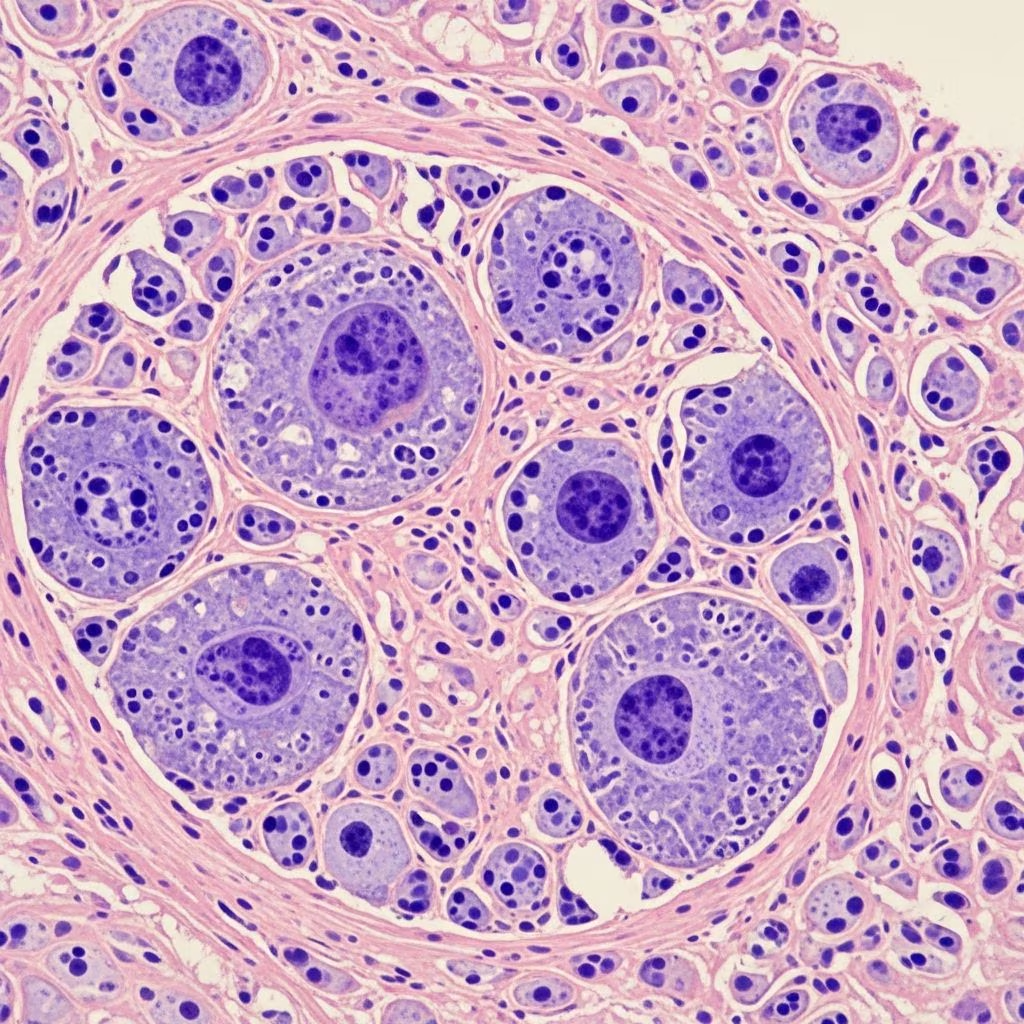
Malignant histiocytosis represents a severe form of cancer in dogs, characterized by the uncontrolled proliferation of histiocytes, which are immune cells responsible for engulfing pathogens and debris. This disease primarily impacts breeds like Bernese Mountain Dogs, Golden Retrievers, and Rottweilers, often striking middle-aged to older dogs. It manifests in two primary forms: unifocal, confined to one site, and multifocal, involving multiple organs such as lungs, liver, spleen, and lymph nodes. Early detection is crucial due to its rapid progression, which can lead to systemic failure if untreated.
Understanding the Cellular Basis of the Disease
Histiocytes originate from bone marrow stem cells and serve as key components of the immune system. In malignant histiocytosis, genetic mutations cause these cells to multiply abnormally, forming tumors that infiltrate tissues. Unlike benign histiocytosis, the malignant variant exhibits aggressive behavior, often disseminating through the bloodstream or lymphatic system. Research indicates involvement of pathways like MAPK, including BRAF and KRAS mutations, mirroring patterns seen in human histiocytic disorders. This cancer is distinct from related conditions like histiocytic sarcoma, though they share histological features and poor prognoses in advanced stages.
Recognizing Early Warning Signs
Owners should watch for subtle initial symptoms that escalate quickly. Common indicators include:
- Lumps or swellings: Firm masses on the skin, limbs, or trunk that grow rapidly.
- Lethargy and weakness: Reduced energy levels and reluctance to exercise.
- Appetite loss and weight decline: Refusal to eat leading to cachexia.
- Respiratory distress: Coughing, labored breathing from lung infiltration.
- Lameness or pain: Due to bone or joint involvement.
- Fever and anemia: Systemic inflammation causing elevated temperature and pale gums.
In multifocal cases, symptoms mimic widespread illness, with organ dysfunction like jaundice from liver compromise or neurological issues from brain involvement. Single-site disease might present as a localized swelling with pain or numbness. Prompt veterinary consultation upon noticing these signs can differentiate it from infections or less severe conditions.
Diagnostic Approaches for Accurate Identification
Diagnosis begins with a thorough physical exam and history review. Veterinarians employ a multi-step process:
- Fine-needle aspiration (FNA): Extracting cells from lumps for cytological analysis, revealing abnormal histiocytes.
- Biopsy: Surgical sampling of affected tissues for histopathological confirmation, essential for distinguishing malignant from reactive histiocytosis.
- Imaging: X-rays, ultrasound, or CT scans to assess organ spread, particularly lungs and abdomen.
- Blood work: Complete blood count showing anemia, thrombocytopenia, and elevated inflammatory markers.
- Bone marrow aspiration: In systemic cases to evaluate marrow infiltration.
Immunohistochemistry stains for markers like CD18 or lysozyme aid in definitive diagnosis. Differential diagnoses include lymphoma, metastatic carcinoma, and fungal infections.
Treatment Strategies Tailored to Disease Extent
Treatment efficacy hinges on whether the disease is unifocal or multifocal. No standardized protocols exist due to rarity, but approaches draw from oncology principles.
Unifocal Presentations
For isolated lesions in accessible sites like skin or bone, complete surgical excision offers the best chance for cure. Adjuvant radiation may follow if margins are incomplete, achieving long-term remission in select cases. Spontaneous regression is rare but documented.
Multifocal and Advanced Disease
Systemic therapy is imperative. Common regimens include:
| Regimen | Drugs | Cycles/Duration | Common Side Effects |
|---|---|---|---|
| CHOP | Cyclophosphamide, Doxorubicin, Vincristine, Prednisone | 6 cycles, every 3 weeks | Myelosuppression, nausea, cardiotoxicity |
| ICE | Ifosfamide, Carboplatin, Etoposide | 4-6 cycles | Nephrotoxicity, neuropathy, infections |
| LCH-inspired | Vinblastine + Prednisone, Cladribine | Variable | Neutropenia, gastrointestinal upset |
Targeted therapies targeting MAPK mutations, such as BRAF inhibitors (e.g., analogous to vemurafenib) or MEK inhibitors, show promise in mutation-positive cases, though data in canines is emerging. Immunotherapies and bisphosphonates for bone lesions are experimental. Stem cell transplantation is rarely feasible in veterinary medicine.
Supportive care—pain management, antibiotics for secondary infections, and nutritional support—enhances quality of life.
Prognosis and Factors Influencing Outcomes
Prognosis varies starkly: unifocal cases post-resection can yield survival beyond 2 years, while multifocal disease often progresses within months despite therapy. Median survival for chemotherapy-treated dogs is 3-6 months, with 20-30% achieving partial response. Poor indicators include lung involvement, hypercalcemia, and secondary forms arising post-lymphoma. Regular monitoring via imaging and bloodwork guides adjustments.
Genetic predispositions in certain breeds underscore the value of selective breeding and early screening.
Preventive Measures and Owner Preparedness
While not preventable, risk reduction involves maintaining ideal weight, routine vet check-ups, and breed-specific awareness. Pet insurance covering diagnostics and oncology treatments alleviates financial burdens, enabling aggressive intervention. Owners should document symptoms meticulously and seek oncology specialists promptly.
Living with a Diagnosis: Daily Management Tips
- Adapt diet to high-calorie, palatable foods to combat weight loss.
- Provide comfortable bedding and mobility aids for lame dogs.
- Monitor for treatment side effects like vomiting or bleeding.
- Join support groups for emotional resilience.
FAQs on Malignant Histiocytosis
What breeds are most at risk?
Bernese Mountain Dogs, Flat-Coated Retrievers, and similar large breeds show higher incidence.
Is surgery always an option?
Only for unifocal, resectable tumors; multifocal requires systemic approaches.
How quickly does it progress?
Weeks to months in multifocal cases, necessitating urgent care.
Can it be cured?
Possible in unifocal via surgery; multifocal focuses on extension of life.
What role does genetics play?
Hereditary factors contribute, with ongoing research into mutations.
Advances in Research and Future Directions
Ongoing trials explore targeted inhibitors and immunotherapies, inspired by human histiocytosis successes. Collaborative databases enhance understanding, promising personalized medicine for canine patients.
References
- Malignant Histiocytosis — Histiocytosis Association. Accessed 2026. https://histio.org/histiocytic-disorders/malignant-histiocytosis/
- Clinicopathological diagnosis and treatment of malignant histiocytosis — PubMed (peer-reviewed). 1990-10-01. https://pubmed.ncbi.nlm.nih.gov/2207002/
- Types of Histiocytosis — Memorial Sloan Kettering Cancer Center (.org). Accessed 2026. https://www.mskcc.org/cancer-care/types/histiocytosis/types-histiocytosis
- Malignant histiocytoses — DermNet NZ (.org). Accessed 2026. https://dermnetnz.org/topics/malignant-histiocytoses
- Malignant Histiocytosis in Dogs — WagWalking (.com). Accessed 2026. https://wagwalking.com/condition/malignant-histiocytosis



