

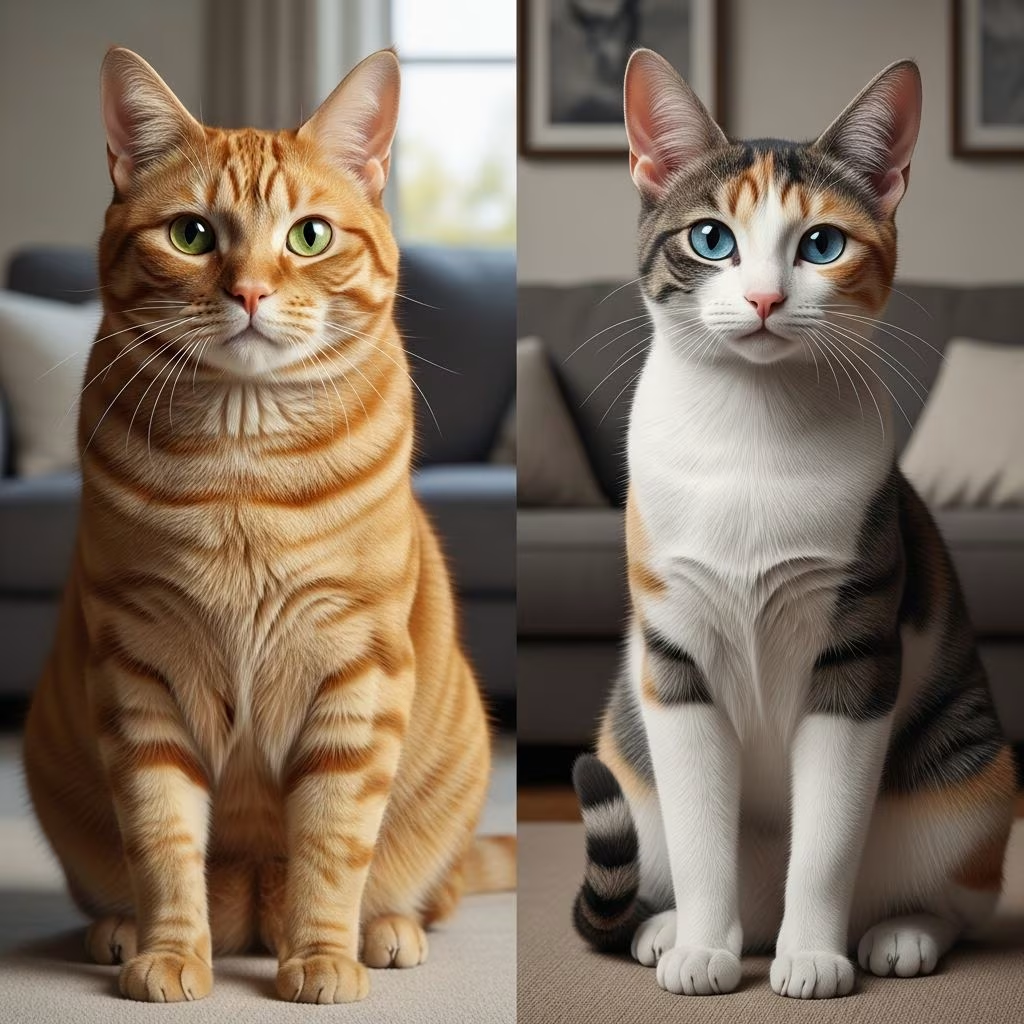
Male cats generally exhibit larger body sizes, bolder personalities, and higher energy levels compared to female cats, which tend to be smaller, more independent, and nurturing. These distinctions arise from genetics, hormones, and reproductive status, with neutering or spaying often minimizing behavioral extremes.
Physical Characteristics That Define Cat Gender
Determining a cat’s sex starts with observing key anatomical features. Male cats possess a penis located below the anus, accompanied by two noticeable testicles in a scrotal sac, especially prominent in unneutered individuals. Female cats feature a vulva positioned slightly farther from the anus, forming a wider spacing often described as an inverted “i” pattern when viewed from behind.
Beyond genitals, body structure varies significantly. Males typically grow larger and heavier, averaging 10-15 pounds, while females remain more petite at 8-12 pounds. Unneutered males develop broader heads, prominent jowls, and thicker necks due to testosterone surges during puberty. These facial traits persist even after late neutering but are absent in early-neutered males or females, which maintain sleeker profiles.
Queens (female cats) show mammary changes post-kittening, with swollen nipples along their abdomen becoming visible, particularly during lactation. Coat patterns also hint at gender: males rarely display tortoiseshell or calico markings, requiring specific XX chromosome combinations more common in females.
| Feature | Male Cats | Female Cats |
|---|---|---|
| Size & Weight | Larger (10-15 lbs), broader build | Smaller (8-12 lbs), petite frame |
| Head Shape | Round with jowls (intact) | Sleek, narrower |
| Genitalia Distance | Anus to penis: short | Anus to vulva: longer |
| Coat Patterns | Rarely tortie/calico | Common tortie/calico |
Understanding Behavioral Patterns by Gender
Cat behaviors stem largely from hormonal influences, amplified in intact animals. Unneutered males display strong territorial instincts, roaming widely to patrol boundaries, engaging in fights, and spraying urine vertically on surfaces to claim space. This marking reduces post-neutering, as testosterone levels drop sharply.
Females in heat exhibit vocal yowling, restlessness, and rubbing against objects to attract mates, occurring cyclically every 2-3 weeks during breeding season. Spaying eliminates these episodes, curbing escapes and noise. Both genders may spray under stress, but intact males do so most frequently.
Aggression patterns differ: intact males fight rivals aggressively, risking injuries or traffic accidents from wandering. Females show less overt combat but can be fiercely protective of kittens or territory. Neutering both sexes markedly lowers aggression, promoting harmonious indoor living.
Temperament and Personality Traits
Owners often perceive males as more outgoing and playful, eagerly seeking human interaction, lap time, and roughhousing. This sociability extends to multi-cat homes, where neutered males bond readily with others, regardless of litter origins. Their laid-back vibe makes them ideal for families craving a “cuddle bug.”
- Male Traits: Affectionate, social, energetic explorers
- Female Traits: Independent, selective bonding, nurturing demeanor
Females earn reputations for independence, warming slowly to strangers but forming deep, loyal attachments once trust builds. They prioritize self-comfort, perching high or in quiet spots, yet display maternal sweetness—grooming owners or “adopting” plush toys. Anecdotal reports suggest queens stay closer to home, avoiding far roams.
Play styles reflect these traits: males favor boisterous chases and pounces, sustaining high activity into adulthood. Females engage in precise, strategic play, mimicking hunting or teaching behaviors, often calming earlier.
Affection Levels: Who Loves More?
Debate persists on affection, with surveys favoring males as friendlier and demand-attentive. Neutered toms follow owners room-to-room, knead laps, and greet doors enthusiastically. However, natural feline dynamics counter this: females form communal groups for kitten-rearing, fostering empathy that translates to bedside vigils during illness.
Individual variance trumps gender—early socialization yields cuddly cats of either sex. Intact males’ testosterone can spark human-directed aggression, while spayed females relax into consistent snugglers.
Health Considerations for Each Gender
Males face heightened urinary tract risks due to narrow urethras, prone to blockages from crystals or stones—a veterinary emergency causing pain and kidney threats. Intact males also suffer fight wounds, abscesses, and roaming hazards like vehicles.
Females risk heat-related exhaustion, mammary tumors (reduced 90% by early spaying), and pyometra (uterine infections). Both benefit immensely from sterilization: males curb spraying/roaming; females halt cycles, slashing reproductive cancers.
| Health Issue | Male Risk | Female Risk |
|---|---|---|
| Urinary Blockage | High (narrow urethra) | Lower |
| Reproductive Cancers | Low (testicular rare) | High if unspayed |
| Territorial Injuries | High (fights) | Moderate |
Spaying and Neutering: Equalizing Influences
Sterilization transforms dynamics. Neutered males shrink territorial urges, gaining weight but losing aggression—ideal for apartments. Spayed females avoid heats, becoming less vocal/stressed, with stabilized moods. Performed around 4-6 months, these procedures align behaviors, erasing most gender gaps.
Benefits include population control, averting unwanted litters, and longevity boosts—sterilized cats live 1-3 years longer on average.
Choosing Between a Male or Female Cat
Selection hinges on lifestyle. Opt for males if desiring playful, social companions thriving in bustle. Choose females for quieter, self-sufficient pets suiting solo dwellers. Multi-pet homes fare well with either if introductions are gradual.
Consider allergies (males produce less Fel d 1 allergen post-neutering), space (males need outlets for energy), and commitment to vet care. Shelters urge adopting fixed cats, streamlining choices.
Frequently Asked Questions
Are male cats bigger than females?
Yes, males typically outweigh and outsize females, especially intact ones with developed musculature and jowls.
Which gender is more affectionate?
Males often appear more overtly loving, but females offer deep, selective devotion influenced by socialization.
Do female cats spray?
Rarely; mostly intact males do, though stressed spayed cats of both sexes may.
Is one gender better for first-time owners?
No universal “better”—neutered males suit social homes, spayed females independent ones.
When should I spay or neuter?
Ideally at 4-6 months, before puberty, maximizing health and behavior benefits.
References
- Differences Between Male and Female Cats — Hill’s Pet Nutrition. 2023. https://www.hillspet.com/cat-care/behavior-appearance/differences-between-male-and-female-cats
- How to Spot the Difference Between Male and Female Cats — Kinship. 2024. https://www.kinship.com/cat-behavior/male-vs-female-cats
- Male vs. Female Cats: Differences of Appearances and Personalities — Cats.com. 2023. https://cats.com/male-vs-female-cats
- Battle of the Sexes — People’s Dispensary for Sick Animals (PDSA). 2022. https://www.pdsa.org.uk/pet-help-and-advice/looking-after-your-pet/kittens-cats/battle-of-the-sexes
- How to Spot Personality Differences Between Male and Female Cats — Blue Oasis Pet Hospital. 2024. https://www.blueoasispethospital.com/services/cats/blog/how-spot-personality-differences-between-male-and-female-cats



