

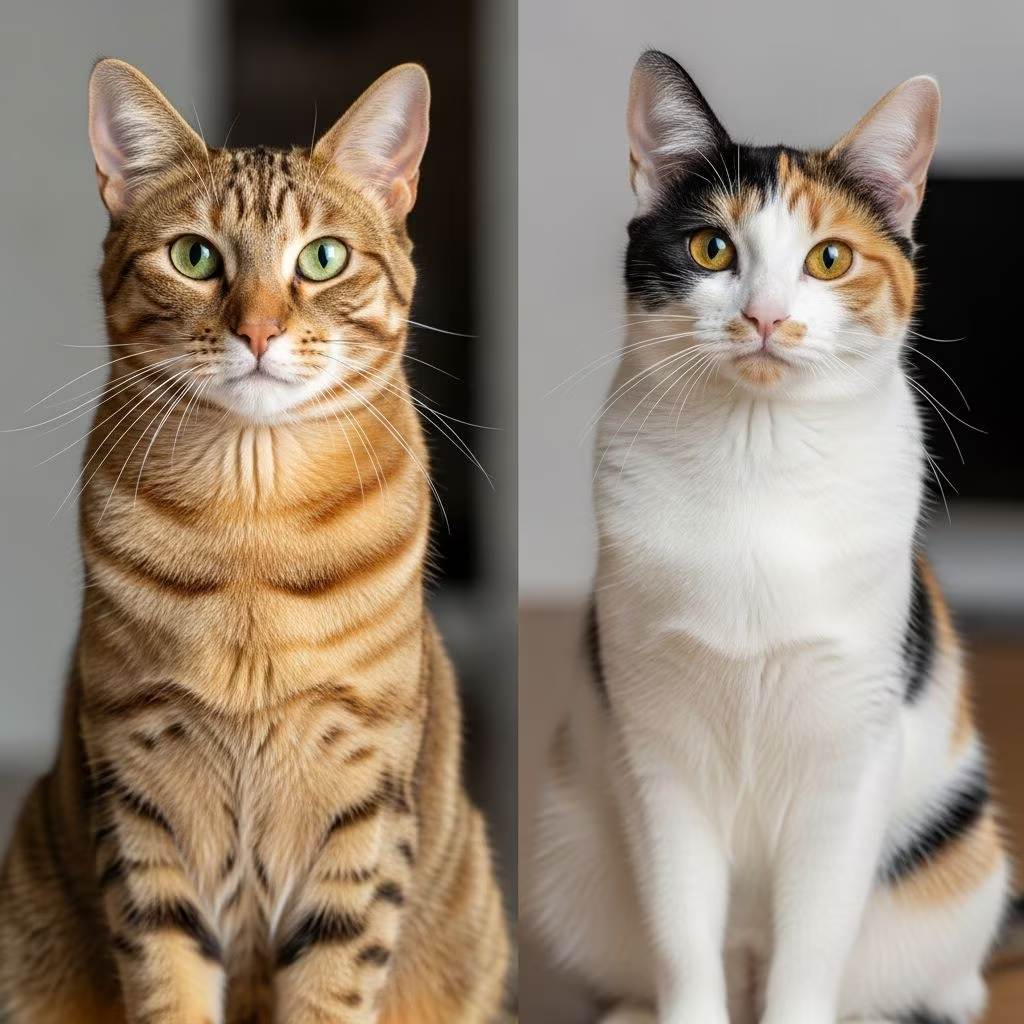
Understanding the distinctions between male and female cats helps prospective owners make informed decisions when adopting. While individual personalities vary greatly, certain patterns emerge in physical build, behavioral tendencies, and social interactions, particularly influenced by hormones before neutering or spaying.
Physical Characteristics: Size, Build, and Identification
Male cats generally develop larger bodies compared to females, often weighing more and featuring broader shoulders and heads. This size disparity becomes evident around six months of age as they mature sexually. Unneutered males may exhibit prominent cheeks and jowls due to testosterone, giving them a more robust facial structure.
Identifying sex relies primarily on genital examination. In males, the anus and penis form a longer distance under the tail, with testicles visible in intact individuals. Females show a shorter distance between anus and vulva, forming a vertical slit. Kittens under a few weeks require gentle handling or veterinary assistance for accurate sexing.
| Feature | Male Cats | Female Cats |
|---|---|---|
| Size | Larger, heavier (10-15 lbs average) | Smaller, petite (8-12 lbs average) |
| Head Shape (Intact) | Bigger cheeks, blocky | Sleeker, narrower |
| Genital Distance | Anus to penis: ~1 inch | Anus to vulva: ~0.5 inch |
Coat patterns also hint at sex; calico or tortoiseshell coats nearly always occur in females due to genetics requiring two X chromosomes.
Behavioral Patterns Shaped by Hormones
Hormonal influences drive the starkest behavioral gaps, most pronounced in intact cats. Neutering or spaying largely eliminates these, making indoor pets more uniform in demeanor.
Territorial Instincts and Roaming
Intact males frequently roam extensive areas to claim territory and seek mates, leading to risks like traffic accidents or fights. They mark boundaries with urine spraying, a pungent behavior signaling dominance. Females remain closer to home, marking subtly if at all, prioritizing safe zones over vast patrols. Post-sterilization, roaming drops dramatically in males.
Aggression Levels
Unneutered males display heightened aggression toward rivals, resulting in wounds from skirmishes. Some show redirected hostility toward humans. Females rarely aggress unless guarding kittens or in heat, appearing more reserved overall. Studies note intact males fight more inter-cat battles.
Mating Drives
Females enter heat cycles every 2-3 weeks during breeding season, becoming vocal, rubbing excessively, and attracting toms with yowls. Males respond by yowling, escaping outdoors, and mounting objects or cats. These urges vanish post-spay/neuter, restoring calm.
Personality Traits and Social Dynamics
Beyond hormones, anecdotal reports and observations suggest personality leanings, though not universal.
- Affection: Males often seek human cuddles more readily, following owners and lounging nearby. Females bond deeply but independently, offering affection selectively.
- Play Style: Males engage in boisterous, rough play, pouncing energetically. Females play strategically, with nurturing undertones, especially post-kittening.
- Sociability: Neutered males integrate well with household cats, showing laid-back vibes. Females may assert hierarchies but coexist peacefully in groups.
Early socialization trumps gender; kittens handled young display affection regardless of sex. Myths like “bossy females” or “lazy males” oversimplify—personalities shine individually.
Health Implications and Sterilization Benefits
Sex influences health vulnerabilities. Males face testicular cancer and prostate issues if intact; females risk mammary tumors, ovarian cysts, and pyometra. Sterilization prevents these, extends lifespan by 1-3 years, and curbs behaviors like spraying (99% reduction in males).
Females spayed before first heat nearly eliminate breast cancer risk. Males neutered young grow less rangy, reducing obesity tendencies from calmer lifestyles. Consult vets on timing; early procedures minimize complications.
Pros and Cons Table
| Pros | Cons | |
|---|---|---|
| Male Cats | More outgoing, playful; easier multi-cat homes post-neuter | Roaming, spraying, fights if intact; larger food needs |
| Female Cats | Smaller size; loyal bonds; rare multi-colors | Heat cycles if unspayed; potentially pickier eaters |
Choosing Your Cat: Male or Female?
No sex universally “better”; match to lifestyle. Active families may prefer energetic males. Solo dwellers might enjoy independent females. Always prioritize shelter adoptions and sterilization—reduces overpopulation and enhances companionship. Multi-cat homes succeed with gradual intros, neutered cats, and ample resources.
Frequently Asked Questions
Are male cats more affectionate than females?
Many owners report males as cuddlier, but females offer profound loyalty once trusting. Socialization matters most.
Do female cats spray urine?
Rarely; mostly intact males do. Spayed females might from stress or illness—vet check recommended.
Is neutering/spaying safe for kittens?
Yes, from 8 weeks; prevents diseases, behaviors, and unwanted litters.
Can male cats be calico?
Extremely rare (1 in 3000), often XXY chromosome anomaly requiring vet care.
Which sex is easier with other pets?
Neutered males often adapt broadly; females excel in female groups.
Observing cats firsthand at shelters reveals true personalities beyond sex. With proper care, both make rewarding companions.
References
- How to Spot the Difference Between Male and Female Cats — Kinship. 2023. https://www.kinship.com/cat-behavior/male-vs-female-cats
- The Purr-sonality Traits of Male vs. Female Cats — Frisky Business Cat Cafe. 2024-05-15. https://www.friskybusinesscatcafe.com/blog/the-purr-sonality-traits-of-male-vs-female-cats-a-detailed-exploration
- Differences Between Male and Female Cats — Hill’s Pet. 2024. https://www.hillspet.com/cat-care/behavior-appearance/differences-between-male-and-female-cats
- Male vs Female Cats: Differences, Pros, and Cons — Supakit. 2023-11-20. https://supakit.co/blogs/cat-guides/male-vs-female-cats
- Battle of the Sexes — PDSA. 2024. https://www.pdsa.org.uk/pet-help-and-advice/looking-after-your-pet/kittens-cats/battle-of-the-sexes
- How to Spot Personality Differences Between Male and Female Cats — Blue Oasis Pet Hospital. 2023-08-10. https://www.blueoasispethospital.com/services/cats/blog/how-spot-personality-differences-between-male-and-female-cats



