

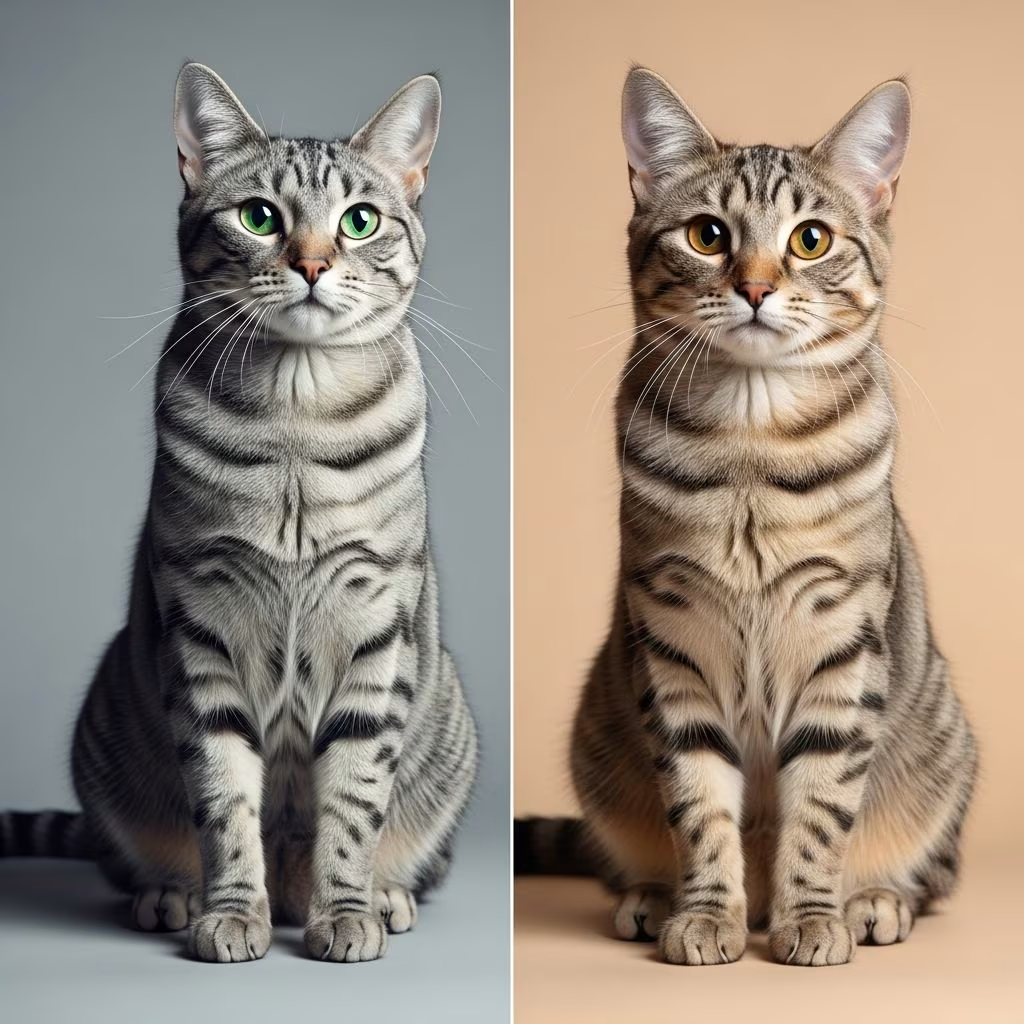
Male vs Female Cats: Assessing Pros and Cons
When considering adding a feline companion to your household, one of the first decisions you’ll face is whether to adopt a male or female cat. While each cat has a unique personality regardless of sex, there are some general behavioral patterns, physical characteristics, and health considerations that tend to differ between males and females. Understanding these distinctions can help you make an informed decision that aligns with your lifestyle and household needs.
Understanding the Behavioral Differences
The differences in behavior between male and female cats often relate to their biological instincts and social structures. These patterns can be significantly influenced by whether a cat has been spayed or neutered. Understanding these behavioral traits is crucial for prospective cat owners to ensure a harmonious living situation.
Male Cat Behavior
Male cats, particularly those that are intact, display distinct behavioral patterns that set them apart from their female counterparts. Intact male cats have significantly larger outdoor territories—almost three times larger than those of female cats. This territorial nature means they are more likely to roam extensively if given the opportunity to go outside. Male cats that are not fixed and sense a female cat nearby are particularly prone to wandering, sometimes traveling for miles in search of a mate or food.
However, when male cats are neutered early in life, their behavior changes dramatically. Neutered male cats show less aggression, urinate less, and exhibit fewer sexual behaviors compared to their intact counterparts. They become much more similar in temperament to female cats, making them more suitable as indoor companions. Many cat owners report that neutered male cats tend to be more affectionate and friendly, displaying cuddly and warm personalities.
Female Cat Behavior
Female cats display a different set of behavioral characteristics, particularly when it comes to their social structure. The popular perception suggests that female cats are more independent and aloof, but research tells a more nuanced story. While males live primarily solitary lives patrolling their territories, female cats possess strong maternal instincts and naturally live together when resources permit.
In the wild, female domestic cats form colonies if food is abundant enough to support them. These groups typically comprise related females who share resources and collective responsibilities for raising kittens. This social structure suggests that female cats may be more naturally inclined toward social bonding than traditionally believed.
The perception that female cats are more aggressive often stems from unspayed cats in heat. Female cats that are in heat or protecting kittens are naturally much more defensive and likely to lash out. However, once spayed, females become significantly less aggressive and stressed compared to their unspayed counterparts. Research involving 60 households with fixed cats—whether two males, two females, or a male and female pair—found no significant differences in aggressive behaviors between genders.
Affection and Bonding Traits
One of the most commonly debated topics among cat enthusiasts is which sex makes a more affectionate companion. Anecdotal evidence and popular opinion suggest that male cats are more affectionate and friendly. Many owners report that male cats are more cuddly and warm, seeking out human interaction more readily than females.
However, natural cat behavior suggests a more complex picture. Female cats possess strong maternal instincts that translate to loyalty and care. Studies have found that when it comes to bonding with their pet parents, there are actually no significant differences between genders. Instead, factors such as age and living in multi-cat homes influence a cat’s “amiability” more than sex alone. Additionally, individual personality varies widely among cats regardless of gender, making personal connection and early socialization far more important than sex-based stereotypes.
Physical Differences Between Male and Female Cats
While behavioral differences are often debatable, there are clear physical distinctions between male and female cats that are worth considering.
Size and Body Structure
Male cats tend to be slightly larger than female cats, even when neutered early. Male cats continue growing until approximately 16 months of age, while female cats typically reach their adult weight by 13 months. During their growth phase, female cats require less energy than males and therefore need less food. However, the size difference between adult males and females is not dramatic—both typically stand around 8 to 10 inches high.
The most significant size-related difference appears in facial structure. Testosterone causes the male face to become rounder with more pronounced cheeks, creating the characteristic “tom-cat” look. Males neutered late in life may retain this larger-headed appearance with bigger cheeks. Female cats, in contrast, typically have narrower, more rounded heads with less prominent jawlines. Male cats also tend to have larger, more muscular bodies, particularly in the shoulders and neck area, while females are generally smaller and more slender.
Coat Color Variations
An interesting genetic difference between male and female cats is their coat color potential. Female cats can express more interestingly colored coats than male cats, primarily due to the genetics of orange coloring. Orange color in cats is controlled by the X chromosome. Female animals carry two X chromosomes (XX) while males carry one X and one Y chromosome (XY). Because females have two X chromosomes, they can express interesting color combinations with orange, including tortoiseshell and calico patterns.
Male cats are more likely to have tabby coats and are very unlikely to possess the required chromosomes for tortoiseshell or calico coloring. In fact, the vast majority of calico and tortoiseshell cats are female, making these distinctive coat colors predominantly female traits.
Health Considerations for Male and Female Cats
Beyond behavior and appearance, there are important health differences between male and female cats that should influence your decision.
Female Cat Health Concerns
Female cats face specific health risks that are worth understanding. Female cats are at significantly higher risk of developing mammary tumors than males, accounting for approximately 95% of all reported mammary tumor cases. However, spaying dramatically reduces this risk. When a female cat is spayed, the risk of breast cancer—the most common cancer in unspayed cats—is significantly reduced.
Additionally, unspayed females are at risk of reproductive cancers and other conditions related to their reproductive systems. Spaying eliminates these risks entirely.
Male Cat Health Concerns
Male cats face their own set of health challenges. Male cats have a longer and narrower urethra than females, making them more susceptible to urinary obstructions. These blockages can result from protein accumulation, stones, or swelling and represent a medical emergency. Urinary blockages can lead to kidney failure within two to three days and may be fatal if left untreated.
Male cats also face risks related to their reproductive system. Intact males can develop testicular or prostate tumors or other conditions, though neutering eliminates these risks entirely.
Lifespan Impact of Spaying and Neutering
One of the most significant health advantages of spaying and neutering is the impact on lifespan. Fixed female cats live approximately 6 years longer than non-fixed female cats on average. For males, the difference is slightly less dramatic but still substantial—fixed male cats live about 1.7 years longer than non-fixed males. This lifespan extension occurs because fixed cats tend to engage in fewer risky behaviors and avoid reproductive-related health issues.
Compatibility with Other Cats
If you’re considering a multi-cat household, the sex of your cats matters. Female cats are generally more accepting of new cats entering their home, particularly accepting of other females more readily than males. In their natural state, female domestic cats form colonies with related females, sharing resources and responsibilities.
Male cats are less likely to accept other cats into their household as adults. However, neutered males that undergo the procedure early in life act much more like female cats than intact toms, making peaceful coexistence possible.
The most successful multi-cat arrangements involve cats raised together from a young age. Introducing littermates creates an ideal scenario, though pairing unrelated young kittens can also be very successful and create well-bonded social pairs. In both cases, age and early socialization prove more important than sex alone.
Comparing Male and Female Cats: A Summary Table
| Characteristic | Male Cats | Female Cats |
|---|---|---|
| Average Size | Larger, grow until 16 months | Smaller, reach adult weight by 13 months |
| Face Shape | Rounder with puffy cheeks (especially if unneutered) | Narrower with less prominent jawline |
| Common Coat Colors | Tabby patterns common | Calico and tortoiseshell patterns common |
| Territorial Range | Almost 3x larger territory | Smaller territory |
| Spaying/Neutering Benefits | 1.7 years lifespan increase; reduced aggression | 6 years lifespan increase; reduced cancer risk |
| Main Health Risk | Urinary obstructions | Mammary tumors |
| Social Compatibility | Less accepting of other adults | More accepting of other cats |
| Reported Affection | Often more cuddly and affectionate | Independent but can be equally bonded |
Pros and Cons of Male Cats
Advantages of Male Cats
Male cats offer several appealing characteristics for prospective owners. They are typically reported to be more affectionate and cuddly, making them excellent companions for those seeking an interactive pet. When neutered early, males become docile and friendly, shedding the territorial behaviors of intact toms. They often enjoy more active play and seem more engaged with their owners’ activities.
Disadvantages of Male Cats
Male cats do come with certain challenges. They tend to be larger and require more food and energy. If not neutered, they develop strong territorial instincts and are prone to wandering extensively. Unneutered males are more likely to spray urine to mark territory. Additionally, male cats face a higher risk of urinary obstructions, a serious medical condition requiring immediate veterinary attention.
Pros and Cons of Female Cats
Advantages of Female Cats
Female cats are typically smaller and more independent, making them suitable for space-conscious households. They are more likely to have distinctive coat colors such as calico or tortoiseshell patterns. Females are generally more accepting of other cats, making them ideal for multi-cat households. When spayed, they have significantly fewer behavioral issues and a dramatically extended lifespan.
Disadvantages of Female Cats
Some owners report that female cats may be less overtly affectionate than males, though scientific evidence doesn’t strongly support this stereotype. Unspayed females can be aggressive, particularly when in heat or protecting kittens. Some research suggests spayed females can be more demanding than males, displaying persistent, vocal, and needy behaviors.
Frequently Asked Questions
Q: Are male or female cats better for families with children?
A: Both can be suitable for families with children when properly socialized and spayed/neutered. Male cats are often reported as more playful and affectionate, which some children prefer. However, individual personality matters more than sex, so meet individual cats before deciding.
Q: Do female cats require different care than male cats?
A: Spayed and neutered cats of both sexes require similar care. The main difference is that female cats may have higher nutritional needs during growth and females carry slightly higher cancer risks if left unspayed, while males have higher urinary obstruction risks.
Q: Can male and female cats live together peacefully?
A: Yes, neutered males and spayed females can coexist peacefully, especially if introduced as kittens. Early socialization is more important than sex when determining compatibility.
Q: How much does gender affect a cat’s personality?
A: While some general tendencies exist, individual personality varies widely. Breed, early experiences, socialization, and living environment typically have more influence on personality than sex alone.
Q: Is it more expensive to own a male or female cat?
A: Male cats may cost slightly more in food due to their larger size, but both require similar veterinary care, including spaying/neutering and regular checkups. Health complications can be costly for either sex.
Q: Should I adopt a kitten or an adult cat?
A: Both ages offer benefits. Kittens require more time and training but adapt easily to new homes. Adult cats may already be spayed/neutered and have established personalities. Sex matters less than finding a personality match.
Making Your Decision
Choosing between a male and female cat ultimately depends on your household circumstances, lifestyle, and preferences. If you live in a small space and prefer a quieter, more independent companion, a spayed female may be ideal. If you want a more interactive, affectionate pet and have adequate space, a neutered male could be perfect.
Consider your living situation: Do you have other pets? Does your lifestyle accommodate a cat that might want to roam? Can you provide adequate enrichment and attention? Remember that spaying and neutering are essential regardless of sex, as they dramatically reduce behavioral problems and extend lifespan.
Most importantly, spend time with individual cats before adopting. Each cat has a unique personality that transcends gender stereotypes. The best match isn’t necessarily determined by sex but by finding a cat whose temperament and needs align with your household and lifestyle.
References
- Male vs Female Cats: Differences, Pros, and Cons — Supakit. https://supakit.co/blogs/cat-guides/male-vs-female-cats
- Should You Get a Male or Female Cat? — Rover.com. https://www.rover.com/blog/are-male-or-female-cats-better/
- Male vs. Female Cat: Which is Best for You? — YouTube. https://www.youtube.com/watch?v=X8radhfFjXU
- Male or female cat? — Cats Protection. https://www.cats.org.uk/cats-blog/should-i-get-a-male-or-female-cat
- Male vs. Female Cats: Differences of Appearances and Personalities — Cats.com. https://cats.com/male-vs-female-cats



