
Male Reproductive Defects In Animals: Guide For Breeders
Exploring congenital and hereditary issues affecting male animal fertility and genital health across species.
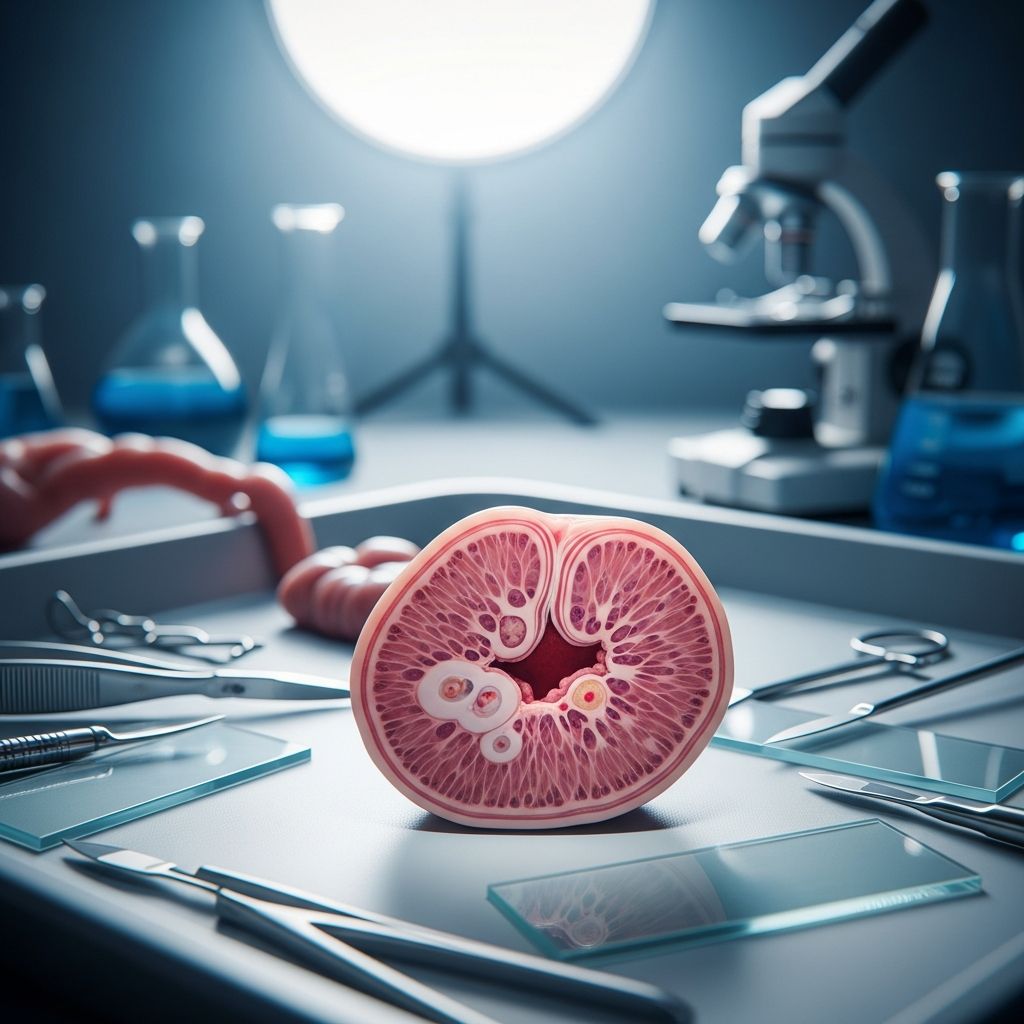
Developmental flaws in the male reproductive system represent a significant hurdle for animal breeders, impacting fertility rates and overall herd or pack productivity. These conditions, often present from birth, range from incomplete testicular descent to structural deformities in accessory glands. Understanding their origins, identification methods, and intervention options is vital for maintaining healthy breeding populations in species like dogs, cattle, horses, and pigs.
Prevalence and Economic Implications
Congenital reproductive anomalies affect various livestock and companion animals, with cryptorchidism standing out as the most widespread issue. In dogs, it tops the list of sexual development disorders, while in bulls, conditions like testicular hypoplasia and degeneration contribute to infertility and poor semen quality. Economically, these defects lead to culling of valuable sires, reduced conception rates, and potential disease transmission through breeding. For instance, in cattle herds, pathologies such as orchitis or penile injuries can compromise entire groups if undetected.
Core Testicular Abnormalities
Testes are central to male fertility, and their improper formation or positioning disrupts hormone production and sperm output. Key issues include:
- Cryptorchidism: One or both testes fail to migrate to the scrotum, remaining abdominal or inguinal. Common in stallions, boars, and dogs, it heightens neoplasia risk and sterility.
- Hypoplasia: Underdeveloped testes, often linked to genetic factors like XXY karyotypes or viral infections such as BVD in bulls. Results in small size, reduced sperm count, and suboptimal testosterone.
- Degeneration and Atrophy: Progressive tissue breakdown in aging or stressed animals, shrinking testicular circumference and impairing gamete production. Reversible if causes like infection are addressed early.
Diagnosis typically involves palpation, ultrasound, and semen analysis to gauge functionality. In dogs, scrotal checks confirm descent and consistency, ruling out hernias or torsions.
Disorders of Accessory Sex Glands
Beyond testes, ducts and glands like epididymis, seminal vesicles, and prostate are prone to flaws. In bulls, aplasia or hypoplasia of seminal vesicles often pairs with ampulla absence, detectable via rectal palpation or imaging. Epididymitis, frequently concurrent with orchitis, causes swelling, pain, and fibrosis, prevalent at 2-4% in slaughterhouse surveys.
| Condition | Species Affected | Key Signs | Impact on Fertility |
|---|---|---|---|
| Epididymitis | Bulls, Dogs | Swelling, fever, atrophy | Reduced semen quality |
| Seminal Vesicle Hypoplasia | Bulls | Rudimentary glands, cysts | Azoospermia |
| Prostate Hyperplasia | Dogs | Straining, hematuria | Obstruction, infection risk |
Prostate enlargement in intact male dogs over six years old stems from hormonal influences, manifesting as defecation difficulty or bloody discharge. Neutering resolves most cases swiftly.
Penile and Preputial Conditions
External genitalia anomalies hinder copulation and hygiene. Balanoposthitis, inflammation of the penis or sheath, arises from allergies, trauma, or infections in dogs, often self-limiting but severe forms require antibiotics. In bulls, penile hematoma from copulatory trauma affects 7-14.9% at slaughter, rupturing tunica albuginea and causing ventral deviation.
- Phimosis: Inability to extrude penis, linked to tight prepuce.
- Paraphimosis: Persistent protrusion, risking desiccation.
- Priapism: Prolonged erection, potentially ischemic.
These demand prompt veterinary care to avert permanent damage.
Genetic and Infectious Etiologies
Many defects trace to heredity or pathogens. Chromosomal aberrations like chimerism underlie hypoplasia, while BVD virus induces permanent testicular issues in calves. Bacterial orchitis from Brucella or Chlamydia leads to granulomas and sterility. Intersex states, rarer, involve persistent Müllerian structures in phenotypic males, prone to pyometra or tumors.
Diagnostic Approaches
Thorough exams start externally: scrotum for dermatitis, testes for size (normal canine post-pubertal: 1-2 cm height), epididymis for granulomas. Advanced tools include:
- Ultrasonography for internal structures and fluid cysts.
- Semen evaluation for motility, count, morphology.
- Hormone assays (testosterone, FSH) for endocrine function.
- Biopsy or karyotyping for congenital cases.
In breeding bulls, rectal probes assess vasa deferentia and vesicles.
Management and Prevention Strategies
Treatment varies by defect severity. Surgical cryptorchidectomy removes retained testes, preventing cancer. Hormonal therapies aid degeneration recovery in bulls. Prevention emphasizes genetic screening, avoiding carrier matings, and vaccination against reproductive pathogens.
For valuable breeders, semen cryopreservation bypasses physical flaws. Neutering mitigates prostate issues in non-breeding pets.
Species-Specific Insights
Dogs
Companion males face cryptorchidism (up to 13% in some breeds), balanoposthitis, and prostatic hyperplasia. Routine neutering curbs latter.
Cattle
Bulls suffer hypoplasia in breeds like Belgian Blue, epididymitis (2-4%), and penile hematomas from service injuries.
Horses and Pigs
Stallions and boars exhibit high cryptorchid rates; early castration or monitoring advised.
FAQs
What causes cryptorchidism in animals?
It results from failed gubernaculum-mediated descent, influenced by genetics or intrauterine factors.
Can affected animals breed successfully?
Unilateral cases may, but semen quality often suffers; artificial insemination recommended.
Is surgery always needed for penile hematomas?
Many resolve conservatively, but severe ruptures require surgical repair.
How to detect hypoplastic testes early?
Palpate for reduced size pre-puberty; ultrasound confirms.
Does neutering prevent all male reproductive issues?
No, but it eliminates hormone-driven prostate growth and reduces cancer risk.
References
- Reproductive Disorders of Male Dogs — Merck Veterinary Manual. 2023. https://www.merckvetmanual.com/dog-owners/reproductive-disorders-of-dogs/reproductive-disorders-of-male-dogs
- Selected Pathologies of the Male Genital Organs in Bulls — PMC (NCBI). 2023-10-15. https://pmc.ncbi.nlm.nih.gov/articles/PMC12524301/
- Reproductive Disorders of Male Dogs — MSD Veterinary Manual. 2023. https://www.msdvetmanual.com/dog-owners/reproductive-disorders-of-dogs/reproductive-disorders-of-male-dogs
- Assessment of Reproductive Problems in the Male Dog — IVIS.org. 2022. https://www.ivis.org/library/recent-advances-small-animal-reproduction/assessment-of-reproductive-problems-male-dog
- Congenital genital abnormalities in male domestic animals — YouTube (Veterinary Andrology). 2023. https://www.youtube.com/watch?v=dsFgYfW5gI4
Similar Articles








Read full bio of medha deb


