

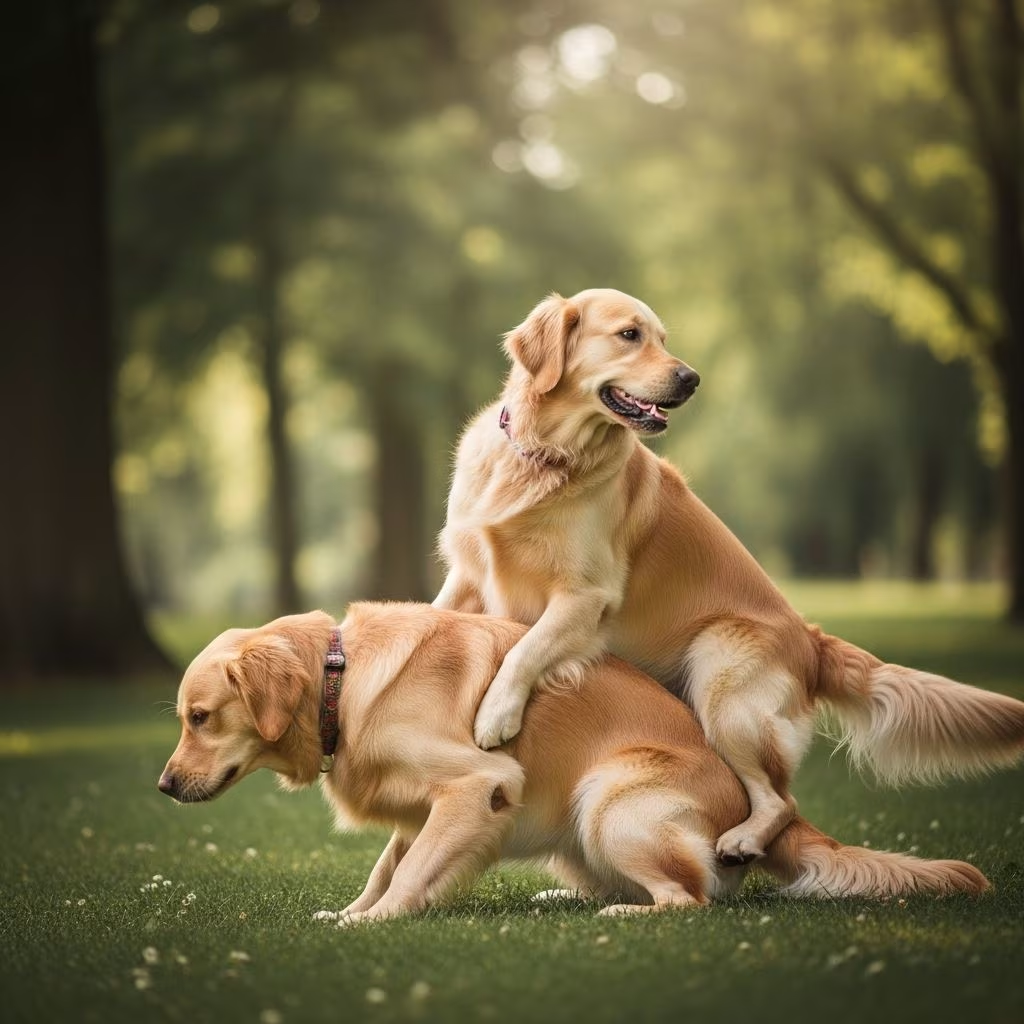
Male dogs humping other male dogs is a frequent sight in parks, homes, and playgroups, often leaving owners puzzled or embarrassed. This behavior, known as mounting, stems from a mix of instinctual, emotional, and sometimes medical triggers rather than pure sexual intent or dominance displays.
Understanding the Instinct Behind Mounting
Mounting involves a dog placing its front paws on another dog’s back or side while thrusting its pelvis. While it mimics mating, in male-on-male interactions, it rarely serves reproduction. Instead, it communicates social cues, releases energy, or copes with arousal. Both intact and neutered males engage in this, showing it’s not solely hormonal.
Research from veterinary behaviorists indicates this action appears as early as 3-6 weeks in puppies during play, persisting into adulthood across genders and sterilization statuses.
Primary Motivations for Male-to-Male Humping
Several factors drive this conduct. Here’s a breakdown:
- Hormonal Influences: Intact males experience testosterone surges around 5-8 months, peaking mounting urges, especially near females in heat—even if targeting other males. Neutering reduces but doesn’t eliminate it, as residual habits linger.
- Playful Excitement: During roughhousing, dogs mount to escalate fun or assert playful boundaries. It’s common when greeting familiar dogs or in group settings.
- Overstimulation and Energy Release: High-energy scenarios like dog parks trigger thrusting as an outlet for excess adrenaline.
- Stress and Anxiety Relief: Known as displacement behavior, humping channels frustration when dogs feel overwhelmed, such as during introductions or changes in routine.
- Attention-Grabbing: If owners react strongly, dogs learn it prompts interaction, reinforcing the habit.
Debunking the Dominance Myth
A widespread misconception labels mounting as dominance assertion. Experts clarify this is outdated; modern ethology views it as excitement or arousal expression, not hierarchy enforcement. Punishing it can heighten anxiety, worsening the issue. Certified behaviorists like Dr. Mary Burch emphasize overstimulation or stress as key culprits over power plays.
Health Concerns Linked to Excessive Mounting
While usually benign, persistent humping warrants vet checks. Potential issues include:
| Condition | Symptoms | Impact on Males |
|---|---|---|
| Urinary Tract Infections | Frequent mounting with straining | Irritation prompts rubbing |
| Priapism | Painful, prolonged erections | Leads to compulsive thrusting |
| Skin Allergies or Parasites | Itching around genitals | Causes targeted humping |
| Prostate Issues | Repeated mounting objects | Common in older intact males |
Males risk dermatitis or penile scarring from friction, potentially blocking urination. Consult a vet if accompanied by lethargy, discharge, or sudden increases.
Strategies to Manage and Redirect Behavior
Addressing humping requires patience and consistency. Avoid scolding, as it may reinforce through attention. Instead:
- Interrupt Calmly: Use a cheerful “no” and redirect to a toy or command like “sit.”
- Boost Exercise: Daily 30-60 minute walks, fetch, or agility prevent buildup.
- Mental Enrichment: Puzzle toys, scent games, or training sessions tire the mind.
- Neutering Consideration: Reduces hormonal drives by 70-90% in young males, though not a cure-all.
- Supervised Play: Monitor dog park interactions; separate if escalating.
For multi-dog homes, equal attention prevents jealousy-fueled episodes.
Contextual Variations in Humping
Humping Non-Dog Targets
Males hump legs, pillows, or air similarly—excitement, frustration, or self-soothing. Air humping signals hesitation post-punishment.
Age and Frequency Patterns
Puppies experiment innocently; adolescents peak hormonally; seniors may indicate health woes. Track patterns via a journal: time, trigger, duration.
Training Techniques for Lasting Results
Positive reinforcement excels. Teach “leave it” or “place” for instant redirection. Consistency across family members is vital; mixed signals confuse dogs.
Professional help: Enroll in obedience classes or consult certified trainers (CPDT-KA) for tailored plans, especially if aggression pairs with mounting.
Preventive Measures for New Owners
- Socialize early with controlled playdates.
- Establish routines minimizing triggers.
- Choose breeds matching lifestyle—high-drive ones like Border Collies need more outlets.
Frequently Asked Questions
Will neutering stop my male dog from humping other males?
It significantly decreases hormonal humping but won’t eliminate play or stress-induced instances. Best done before 6 months.
Why does my neutered male hump intact ones?
Scent detection of pheromones triggers instinct, even post-neuter.
Is it okay during puppy play?
Yes, if consensual and brief. Intervene if one seems distressed.
How to handle humping guests?
Preempt with leashing; redirect immediately to avoid embarrassment.
Does gender matter for humpers?
No—females hump equally for same reasons.
Long-Term Outlook and When to Worry
Most dogs outgrow excessive mounting with maturity and training. Persistent cases signal unmet needs or illness—prioritize vet exams. Balanced lives yield calmer pets.
Embracing this as normal while guiding appropriately fosters confident, happy dogs. Owners gain peace knowing it’s manageable.
References
- Why Do Dogs Hump and How To Stop Dog Humping — Chewy. 2023. https://www.chewy.com/education/dog/health-and-wellness/why-do-dogs-hump-and-how-to-stop-dog-humping
- Why Do Dogs Hump? — PetMD. 2024-01-15. https://www.petmd.com/dog/behavior/why-do-dogs-hump
- Why Does My Dog Hump or Mount? — American Kennel Club. 2023-05-20. https://www.akc.org/expert-advice/training/why-is-my-dog-humping-or-mounting/
- Humping Behaviour in Dogs — PDSA. 2024. https://www.pdsa.org.uk/pet-help-and-advice/pet-health-hub/symptoms/humping-behaviour-in-dogs
- Mounting and Masturbation — ASPCA. 2022-11-10. https://www.aspca.org/pet-care/dog-care/common-dog-behavior-issues/mounting-and-masturbation
- Humping/Mounting — Wisconsin Humane Society. 2023. https://www.wihumane.org/humping-mounting



