
Male Cockatoo Nesting Behavior: Understanding Hormonal Changes
Learn how to manage your male cockatoo's breeding season aggression and nesting behaviors effectively.
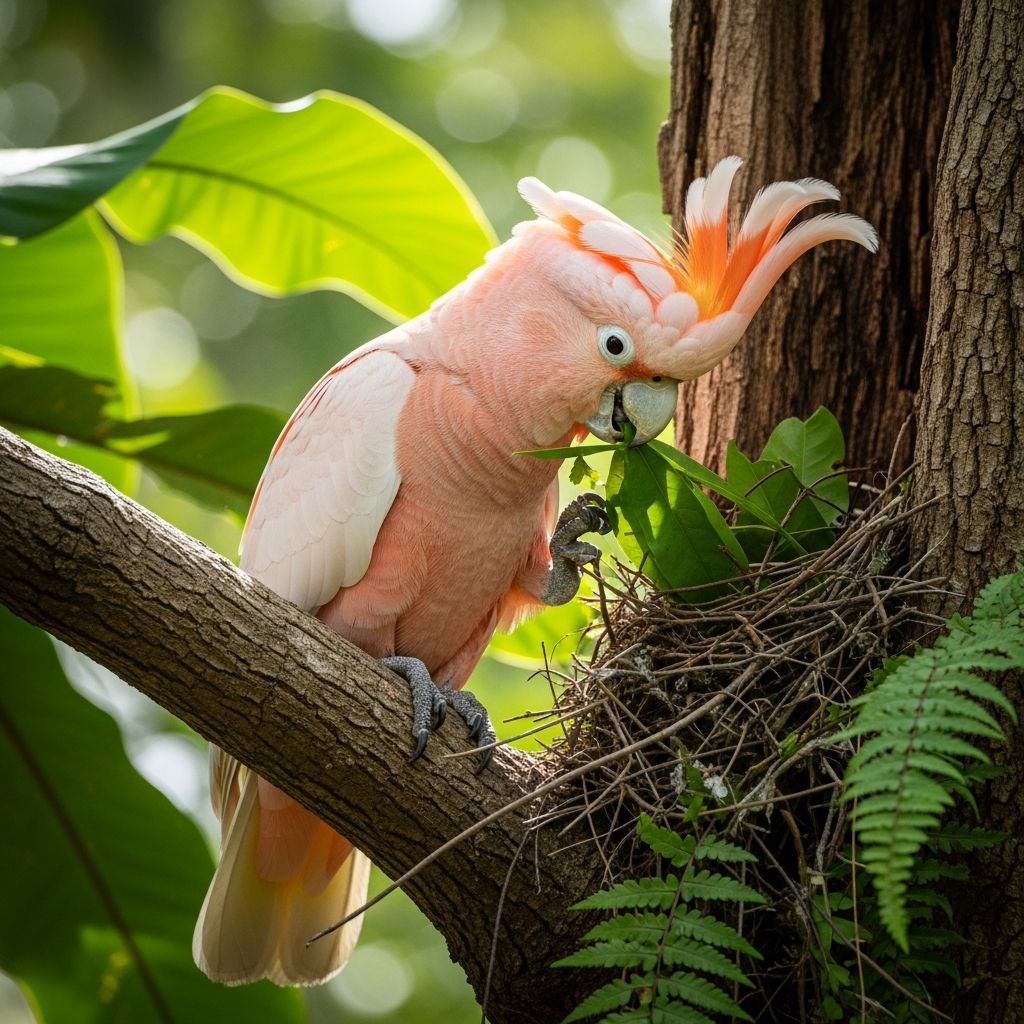
Male Cockatoo Nesting Behavior: A Comprehensive Guide
Male cockatoos can be challenging pets, particularly during breeding season when hormonal changes trigger intense behavioral shifts. Understanding the underlying causes of nesting behavior and implementing appropriate management strategies is essential for maintaining a harmonious relationship with your feathered companion. This guide explores the complex world of male cockatoo nesting behavior, from recognizing the warning signs to implementing effective deterrence techniques.
Understanding Cockatoo Breeding Seasons
Cockatoos are highly sexual birds with breeding cycles that typically occur once annually, though environmental factors can influence breeding patterns. In their natural habitat, cockatoos respond to environmental triggers such as increased plant growth, favorable weather conditions, and food availability. For captive birds, reduced daylight hours, temperature changes, and even your affection can trigger breeding behaviors. Male cockatoos are particularly susceptible to these hormonal fluctuations, and their response can be dramatic and sometimes disturbing to unprepared owners.
Recognizing Nesting Behavior in Male Cockatoos
Identifying nesting behavior early is crucial for implementing intervention strategies before destructive patterns become entrenched. Male cockatoos display a range of behaviors that signal entry into breeding mode, and understanding these signals helps owners respond appropriately.
Destruction and Nest Building
One of the most obvious signs of nesting behavior is destructive activity. Male cockatoos, contrary to popular belief that associates nest-building primarily with females, are often the primary nest builders in many cockatoo species. This destructive behavior can range from minor activities like burrowing in fabric or pillows to major destruction of household items. In one documented case, a male cockatoo destroyed kitchen cabinets and antique books during breeding season. The bird would shred paper, wood, and other materials, attempting to create a nest-like environment.
Aggressive Behavior and Territoriality
During breeding season, male cockatoos become territorial and defensive. They may charge at family members, particularly those they perceive as threats to their “mate.” This aggression extends beyond physical attacks to include increased screaming, biting, and hostile posturing. The bird may become hostile toward anyone approaching their chosen nesting area or their perceived mate.
Display and Posturing
Display behaviors are prominent during nesting season. Males strut with fanned tail feathers, raised neck feathers, and flashing eyes. These displays serve multiple purposes: attracting mates, intimidating rivals, and establishing dominance. The display is accompanied by “angular” movements and repetitive bobbing motions on the perch.
Sexual Behavior and Hypersensitivity
Male cockatoos in breeding mode become hypersensitive to touch, particularly petting on the body. Panting and heavy breathing, especially common in cockatoos, indicate sexual excitement and should serve as a warning to cease the current activity immediately. Many males develop obsessive bonds with their primary caregiver, treating that person as their mate, which can result in possessive and aggressive behaviors.
Screaming and Vocalization
Increased vocalization, including frequent screaming and demanding sounds, often accompanies nesting behavior. The bird may scream when you walk by their nesting area or whenever they feel separated from their perceived mate.
The Hormonal Connection
Hormones are the primary drivers of nesting and breeding behaviors in male cockatoos. These chemical messengers trigger the cascade of behavioral changes that transform even the most docile bird into an aggressive, demanding, and destructive creature. Understanding this hormonal basis is important because it emphasizes that these behaviors are not intentional misbehavior but rather instinctive responses to biological urges.
Managing Male Cockatoo Nesting Behavior
Effective management of nesting behavior requires a multi-faceted approach combining environmental modifications, behavioral adjustments, and sometimes enrichment activities. The goal is not to eliminate the natural cycle but to minimize its negative effects on both the bird and the household.
Modifying Physical Contact
One of the most important management strategies is to carefully regulate physical contact. Avoid petting your cockatoo anywhere other than the head and neck. Petting on the body, under the wings, or around the tail can stimulate sexual responses and intensify hormonal behavior. If your bird begins panting or showing signs of sexual excitement, immediately stop the petting session.
Cage Management and Confinement
During breeding season, cockatoos should spend more time in their cage. The bird needs to be in his cage unless he is being directly handled or supervised. If managing aggression means your bird stays in the cage most of the time, accept this as a necessary measure. A secure cage provides physical boundaries and reduces the bird’s ability to engage in destructive behaviors or aggressive encounters.
Environmental Enrichment
Providing appropriate outlets for nesting urges can help redirect destructive energy. Some owners have found success by building or providing a large wooden box with an open entrance and perch. This “mobile castle” gives the bird a designated place to engage in nest-building behavior without destroying household items. The structure can be equipped with toys, chewable materials, and perches to keep the bird occupied and satisfied.
Reduction of Daylight Exposure
Limiting daylight exposure to 10-12 hours per day can help suppress breeding behaviors. Many breeders and behaviorists recommend providing consistent darkness to discourage hormonal cycles. This simulates shorter winter days when breeding is less likely in nature.
Behavioral Modification
Teaching your cockatoo to occupy themselves with toys and activities rather than focusing on their human caregiver is essential. Encourage independent play and provide varied toys that encourage foraging and chewing. Rotate toys regularly to maintain interest and prevent boredom.
Expected Duration of Nesting Behavior
A common question among cockatoo owners is whether nesting behavior will eventually subside or continue indefinitely. The answer is that nesting behavior will typically cycle, with most birds returning to relatively normal behavior outside of breeding season. However, the duration and intensity of the breeding cycle vary considerably between individuals. Some birds may experience breeding urges for several weeks, while others may remain in breeding mode for months. Once the cycle passes, the bird usually returns to baseline behavior, though the aggression and destructiveness may return during the next breeding season, typically in spring.
Important Considerations
Several important points should guide your approach to managing nesting behavior:
Prevention is Easier Than Management
Preventing the escalation of nesting behavior from the start is significantly easier than trying to reduce behaviors once they’ve become established. Establishing firm boundaries regarding petting, cage time, and interaction early in your relationship with your cockatoo will pay dividends during breeding season.
Consistency is Critical
All family members must follow the same management protocols. If one person allows petting on the body while another restricts it, the bird becomes confused and management becomes ineffective. Consistency strengthens boundaries and helps the bird understand what behaviors are acceptable.
Never Reinforce Aggressive Behavior
Reacting dramatically to aggression—whether with anger, fear, or excessive attention—can reinforce the behavior. Remain calm and matter-of-fact when your bird displays aggression. Move away calmly and redirect the bird’s attention to appropriate activities.
Seek Professional Guidance
If nesting behaviors become severe or if you’re uncertain about management strategies, consult with an avian behaviorist or veterinarian. Professional guidance can help you develop a customized management plan tailored to your specific bird and situation.
Real-World Example: A Success Story
One owner with a 13-year-old cockatoo named Bird successfully managed intense breeding-season aggression by implementing several strategies simultaneously. The bird, adopted at age 6 in poor condition, developed severe nesting behaviors that included destroying kitchen cabinets and attacking household members. By building a dedicated wooden box structure for the bird to inhabit and demolish, restricting his out-of-cage time, limiting certain types of contact, and maintaining consistent boundaries, the owner was able to channel the bird’s destructive urges while preserving the significant progress made in rehabilitation. While the bird still experiences breeding urges, the negative impacts on the household were substantially reduced.
When Breeding Behaviors Require Intervention
Certain situations require more aggressive intervention. If your bird is displaying severe aggression that poses a safety risk, or if destructive behaviors are causing significant property damage, additional measures may be necessary. These could include:
Veterinary Consultation
Your avian veterinarian can discuss whether surgical or pharmaceutical interventions might be appropriate for your specific bird. While these options should be carefully considered and are not recommended for all birds, they may be warranted in severe cases.
Behavioral Training
Professional bird trainers can teach your cockatoo to redirect nesting behaviors into positive outlets and develop more appropriate responses to triggering situations.
Environmental Restructuring
In some cases, dramatically restructuring the bird’s environment—changing cage location, modifying lighting, altering your interaction patterns—can help reset behavioral patterns.
Looking Forward: Spring and Seasonal Patterns
Most cockatoo owners find that nesting behaviors follow a seasonal pattern, with the most intense displays occurring in spring. Anticipating this timing allows you to prepare in advance. Before spring arrives, implement your management strategies preemptively rather than reactively. Having enrichment items ready, scheduling cage time adjustments, and ensuring all family members are aligned on boundaries will make the breeding season more manageable.
Frequently Asked Questions
Q: Do male cockatoos really build nests?
A: Yes, contrary to common assumptions that nest-building is primarily a female behavior, male cockatoos are often the primary nest builders in many species. Males will actively destroy and shred materials to create nest structures.
Q: Is aggression during breeding season normal?
A: Yes, aggression during breeding season is completely normal in male cockatoos. Hormonal changes trigger territorial and protective behaviors. This is why management and understanding are so important.
Q: Can I reduce breeding behaviors by limiting petting?
A: Yes, limiting petting to the head and neck, avoiding body touching, and stopping immediately if the bird pants or shows sexual excitement can help suppress breeding behaviors.
Q: How long does breeding season last?
A: Duration varies by individual, but typically ranges from several weeks to several months. Most birds return to baseline behavior after the breeding cycle passes.
Q: Will my cockatoo always display nesting behavior every year?
A: Most sexually mature cockatoos will cycle into breeding behavior annually or occasionally, though proper environmental management can suppress the intensity of these cycles.
Q: Should I allow my cockatoo to build a nest?
A: Allowing nest-building can actually intensify hormonal behavior. Instead, provide controlled outlets like a designated wooden box where destructive behavior is expected and contained.
References
- Cockatoo Habits & Behaviour – A Guide — Seedzbox. Accessed 2025. https://www.seedzbox.co.uk/blogs/news/a-little-guide-to-cockatoo-behaviour
- Spring Behaviour in Parrots — Northern Parrots. Accessed 2025. https://www.northernparrots.com/blog/spring-behaviour-in-parrots/
- Why You Must NOT Let Your Bird Build Nests — BirdTricks. Accessed 2025. https://birdtricksstore.com/blogs/birdtricks-blog/why-you-must-not-let-your-bird-build-nests
- The Cockatoos — Parrot-Parrots.com. Accessed 2025. http://www.parrot-parrots.com/cockatoo.php
Similar Articles








Read full bio of Sneha Tete


