
Male Cockatiel Behavior Changes: Understanding Hormonal Shifts
Decode your male cockatiel's sudden behavior shifts and hormonal changes patterns.
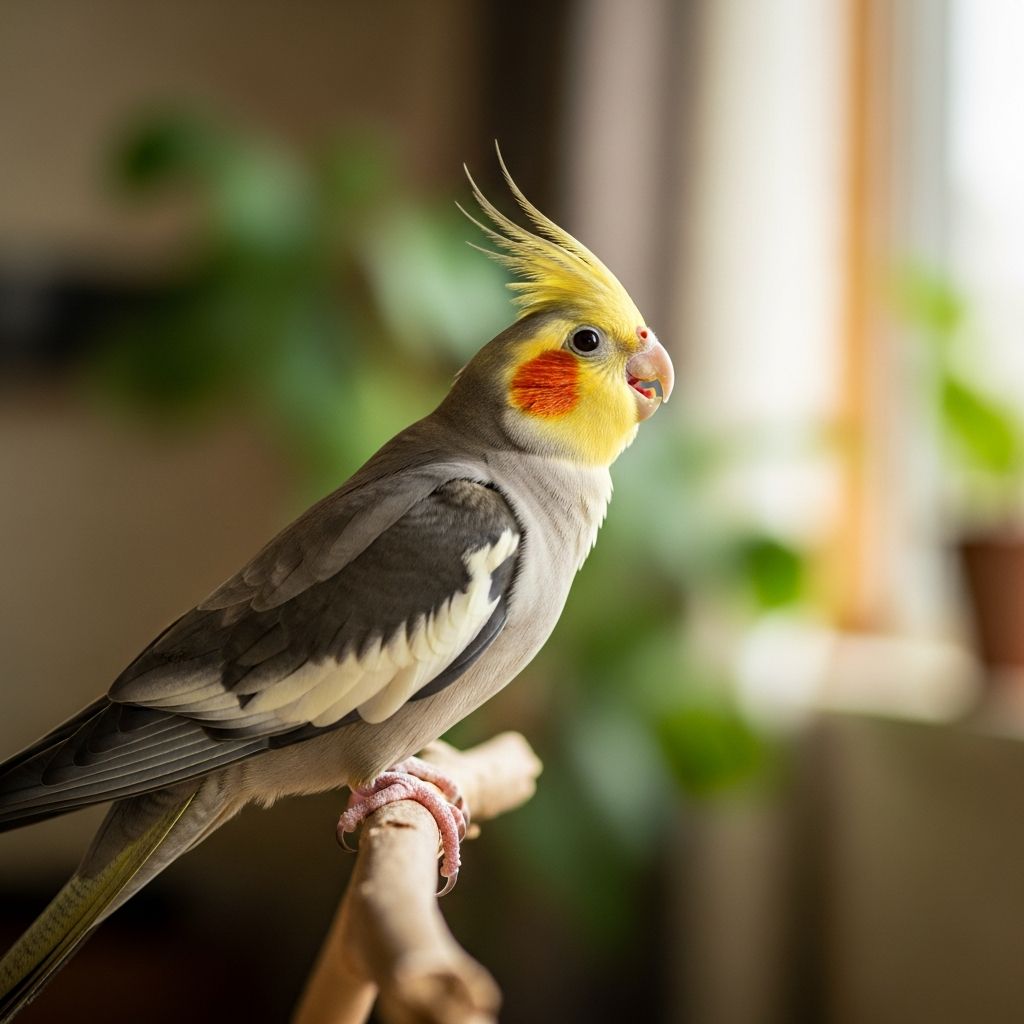
Male Cockatiel Changes in Behavior: A Comprehensive Guide
Cockatiels are fascinating companions known for their interactive personalities, whistling abilities, and strong bonds with their owners. However, many cockatiel owners experience unexpected changes in their male bird’s behavior over time. These shifts can range from subtle modifications in daily routines to more pronounced behavioral changes that leave owners wondering if something is wrong. Understanding the root causes of these changes is essential for maintaining a healthy relationship with your feathered companion and ensuring their overall well-being.
One of the most common triggers for behavioral changes in male cockatiels is the onset of hormonal shifts. As cockatiels mature or experience seasonal changes, their hormones fluctuate, leading to behaviors that might seem confusing or concerning to their owners. These hormonal phases are a natural part of a cockatiel’s biology, but without proper understanding and management, they can escalate into problematic behaviors.
Understanding Hormonal Behavior in Male Cockatiels
When a male cockatiel enters a breeding or hormonal phase, significant personality shifts often occur. These changes are not random or indicative of illness; rather, they represent the bird’s natural reproductive instincts kicking into high gear. The hormonal surge that occurs during these periods can trigger aggressive tendencies, increased vocalization, obsessive bonding with objects, and heightened territorial behavior.
Male cockatiels will often become aggressive to their owners, nipping and biting, once they are ready to breed. These hormonal phases are temporary, and once hormone levels return to normal, your cockatiel will typically return to its usual loving, cheerful behavior. The aggression displayed during these periods is a direct result of elevated testosterone and other reproductive hormones that cause the bird to act on instincts that would serve them in the wild.
Key Hormonal Changes in Male Cockatiels
During hormonal phases, male cockatiels may display several characteristic behaviors:
– Transferred Aggression: Rising hormones can cause your cockatiel to show transferred aggression by biting another bird or object nearby, including your fingers. This behavior is not personal; it’s a physiological response to hormonal surges.- Increased Territoriality: Males become more protective of their space, toys, and perceived mates, whether that’s their owner or an object.- Obsessive Bonding: Many male cockatiels become intensely focused on specific objects, engaging with them repeatedly throughout the day as if practicing courtship behaviors.- Nesting Behaviors: The bird may become more exploratory, searching for hidden spaces suitable for nesting, and may intensify shredding behaviors directed toward paper or other materials.
Recognizing Behavioral Changes in Your Male Cockatiel
Understanding what to look for is crucial in identifying hormonal changes. A cockatiel owner might notice a previously well-adjusted bird beginning to display new patterns of behavior. These changes might initially seem positive—such as increased independence or contentment—but they often mask underlying hormonal shifts that can become problematic if not properly managed.
Common Behavioral Shifts to Monitor
Male cockatiels entering a hormonal phase often exhibit a combination of the following behaviors:
– Increased vocalization intensity, particularly at dawn and dusk- Reduced neediness combined with heightened agitation, especially during evening hours- Obsessive attachment to specific toys or objects that the bird treats as a mate- More aggressive posturing and occasional nipping or biting during handling- Enhanced exploratory behavior, particularly seeking enclosed or hidden spaces- Intensified destructive behaviors, particularly paper shredding that appears purposeful rather than recreational
Some owners report that their male cockatiels become “more macho” during these phases, displaying increased confidence but also a willingness to engage in more confrontational interactions. While the bird may seem less needy and more independent, this shift often masks an underlying surge in hormonal activity.
The Nesting and Mate-Bonding Connection
One of the most telling signs of hormonal change in male cockatiels is their sudden focus on finding suitable nesting environments and bonding intensely with objects or people. A cockatiel that previously showed casual interest in toys or materials may suddenly become fixated on specific items, treating them as a potential mate. This behavior can manifest as repeated physical contact, regurgitation attempts, and highly focused engagement sessions lasting several times throughout the day.
The shift from casual paper nibbling to focused, purposeful shredding is particularly significant. This transformation indicates that the bird has transitioned from simple enrichment behavior to genuine nesting preparation. The bird is literally gathering and preparing materials for what it perceives as an upcoming breeding cycle. Simultaneously, the cockatiel becomes more exploratory in the home environment, seeking out corners, cushions, and enclosed spaces that might serve as suitable nesting sites.
This nesting behavior is instinctual and deeply rooted in the bird’s biology. In the wild, male cockatiels engage in these behaviors as part of their natural reproductive cycle. In captivity, without an actual mate or nesting opportunity, these instincts still activate but become directed toward inappropriate substitutes.
Is Encouraging Hormonal Behavior Harmful?
A common question among cockatiel owners is whether allowing or inadvertently encouraging these hormonal behaviors is harmful to the bird. The answer is nuanced and depends on the extent to which these behaviors are permitted to develop.
The Risks of Unchecked Hormonal Behavior
While a male cockatiel may appear content and happy when engaged with a favorite object or toy, allowing hormonal behaviors to intensify unchecked can lead to several problems:
– Escalating Aggression: A male cockatiel will start getting more and more aggressive, and also get more obsessive with trying to nest or mating with the object. This can result in increasingly severe attacks on the owner or other household members.- Behavioral Fixation: The more time the bird spends engaging in hormonal behaviors, the more entrenched these patterns become, making them harder to redirect or manage.- Chronic Stress: Constant hormonal stimulation without proper outlets or management can lead to chronic stress, which negatively impacts the bird’s health and lifespan.- Reduced Trainability: Highly hormonal cockatiels become more difficult to train and less responsive to their owner’s commands and cues.
Managing Hormonal Behaviors Appropriately
The key to managing hormonal behaviors is not to encourage them but rather to discourage the specific stimuli that trigger them. Certain types of handling, like stroking under the wings or along the back, mimic mating behavior and can trigger hormonal responses. Restricting petting to the head and neck helps prevent excessive hormonal stimulation.
Additionally, environmental factors play a significant role. Rich, warm, or soft foods—like mashed grains, cooked pasta, or excessive fruit—can act as breeding signals. By controlling the bird’s diet and avoiding these hormone-stimulating foods, owners can help moderate hormonal responses.
Cockatiel Behavior Patterns and What They Mean
Beyond hormonal changes, understanding general cockatiel behavior patterns helps owners distinguish between normal behavior and concerning shifts. Male cockatiels engage in several characteristic behaviors that are entirely normal and healthy when properly contextualized.
Common Male Cockatiel Behaviors
Beak Bonking: A male cockatiel might bang his beak hard against his perch, food cup, toy, or the ground beneath him to get the attention of the object of his affection, which can be another bird, you, a toy, or his own reflection. When really showing affection, he will lean in close and whistle enthusiastically. This behavior is completely normal and endearing when directed appropriately.
Hopping: Hopping is often paired with a cockatiel’s beak bonking behavior and indicates the bird is upping his game in terms of courtship or play displays.
Hanging Upside-Down: Some cockatiels hang upside-down and stretch out their wings as a territorial stance or to be protective of their area. They might also hang upside-down and flap their wings as a way to stretch them out and maintain physical fitness.
Whistling and Vocalizing: Male cockatiels tend to have more intricate whistling and mimicking abilities compared to females, and they generally have brighter head and cheek colors. Males love to learn whistles, which they would use to attract females in the wild. This is normal, healthy behavior.
When to Seek Veterinary Attention
While most behavioral changes are related to hormonal fluctuations, it’s important to recognize when a sudden change in behavior might indicate an underlying health issue. A novice may mistake a sudden change in their bird’s behavior as something cute, when in effect it is a sign of illness. For example, an untamed bird that suddenly becomes submissive and allows petting without resistance might be experiencing weakness, shock, or illness and is seeking security and warmth.
Any sudden or dramatic change in behavior should always be investigated by an avian veterinarian. This is particularly important if the behavior change is accompanied by physical symptoms such as ruffled feathers, reduced appetite, excessive head shaking, or changes in droppings.
Frequently Asked Questions About Male Cockatiel Behavior
Q: How long do hormonal phases typically last in male cockatiels?
A: Hormonal phases are temporary and vary in duration depending on the individual bird, environmental factors, and seasonal changes. Once hormone levels return to normal, your cockatiel will typically return to its usual loving, cheerful behavior. Some phases may last weeks, while others might persist for several months, particularly if hormonal triggers remain present in the environment.
Q: Can I eliminate hormonal behavior entirely in my male cockatiel?
A: While you cannot eliminate hormonal behavior entirely—as it’s part of the bird’s natural biology—you can significantly reduce the intensity and frequency of hormonal displays through proper management. Avoid handling that mimics mating behavior, provide appropriate diet without breeding-signal foods, maintain consistent day length without excessive light exposure, and redirect the bird’s focus toward appropriate activities.
Q: Is my cockatiel bonding with a sock ball unhealthy?
A: A cockatiel’s intense focus on an object like a sock ball indicates hormonal bonding behavior. While the bird may appear content, allowing this behavior to intensify unchecked can lead to escalating aggression and behavioral fixation. It’s advisable to gently discourage this intense bonding by limiting access to the object and providing alternative enrichment activities.
Q: What’s the difference between normal cockatiel behavior and concerning behavioral changes?
A: Normal cockatiel behaviors include whistling, hopping, beak bonking, and general playfulness. Concerning changes include sudden aggression, intense obsessive bonding with objects, dramatic shifts in sociability, or behavioral patterns accompanied by physical symptoms. When in doubt, consult with an avian veterinarian to rule out health issues.
Q: How can I tell if my cockatiel is entering a hormonal phase?
A: Watch for signs including increased focus on finding hidden spaces, intensified paper shredding, obsessive attachment to specific toys or objects, more aggressive posturing, reduced neediness combined with agitation, and enhanced exploratory behavior. These changes often occur gradually but become increasingly pronounced as hormones surge.
Conclusion
Understanding male cockatiel behavior changes is essential for any owner committed to providing optimal care for their feathered companion. While behavioral shifts can be concerning or confusing, recognizing them as potential hormonal responses helps owners take appropriate action. The temporary aggression, obsessive bonding, and nesting behaviors associated with hormonal phases are natural biological responses, not character flaws or signs of improper training.
By implementing proper management strategies—including appropriate handling techniques, dietary considerations, and environmental controls—owners can help their male cockatiels navigate these hormonal phases with minimal disruption to the household. Remember that these phases are temporary, and with patience and understanding, your cockatiel will return to its loving, cheerful baseline behavior. When in doubt, consult with an avian veterinarian to ensure that behavioral changes are truly hormonal and not indicative of an underlying health concern.
References
- Male Cockatiel Changes in Behavior — Lafeber® Pet Birds. Accessed 2025. https://lafeber.com/pet-birds/questions/male-cockatiel-changes-in-behavior/
- Cockatiel Behavior: Brilliantly Baffling — Lafeber® Pet Birds. Accessed 2025. https://lafeber.com/pet-birds/cockatiel-behavior-brilliantly-baffling/
- 5 Things You Must Know About Cockatiel Care — Chewy Education. Accessed 2025. https://www.chewy.com/education/bird/cockatiel/5-things-you-must-know-about-cockatiel-care
- Cockatiels Guide — Arborview Avian Hospital. March 2023. https://arborviewah.com/wp-content/uploads/2023/03/Cockatiels-Guide.pdf
- Parrot Behaviour — Cockatiel Advice and First Aid 101. Accessed 2025. https://www.cockatiel-advice-101.com/parrot-behaviour
Similar Articles








Read full bio of Sneha Tete


