

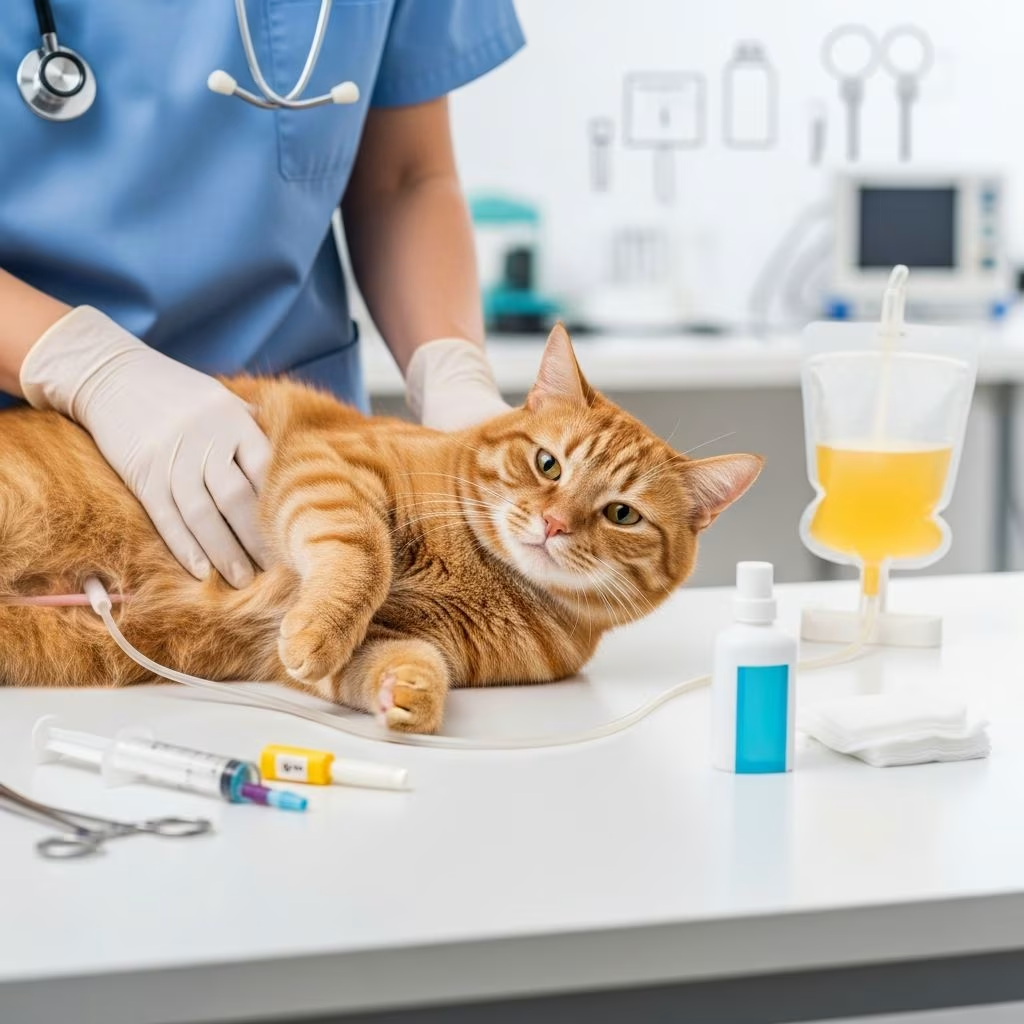
Urinary blockages represent one of the most urgent medical crises for male cats, potentially leading to kidney failure, bladder rupture, or death within 24-48 hours if untreated. Male felines face heightened risk due to their narrower urethra, which clogs easily from crystals, plugs, or inflammation.
Why Male Cats Face Higher Risks
The feline urinary system involves the bladder storing urine and the urethra channeling it out. In males, especially neutered ones, the urethra is long and slim, promoting obstructions from even minor debris buildup. Neutering narrows this passage further, amplifying vulnerability. Without prompt intervention, urine backs up, toxins accumulate, and organs suffer irreversible harm.
Key Symptoms Demanding Immediate Action
Owners must recognize warning signs swiftly, as delays prove fatal. Common indicators include:
- Straining repeatedly in the litter box with little or no urine output
- Crying or vocalizing during urination attempts
- Excessive grooming or licking around the genitals
- Lethargy, weakness, or hiding behaviors
- Vomiting or loss of appetite from toxin overload
- A firm, distended abdomen from a full bladder
These symptoms escalate rapidly; a cat unable to urinate for over 24 hours enters life-threatening territory.
Primary Causes Behind Blockages
Several factors contribute to urethral obstructions:
- Crystals and Stones: Mineral deposits like struvite or calcium oxalate form due to diet, dehydration, or genetics, lodging in the narrow urethra.
- Urethral Plugs: Gel-like mixes of mucus, cells, and crystals create soft blockages, common in idiopathic cases.
- Inflammation and Spasms: Feline idiopathic cystitis (FIC), often stress-induced, causes swelling and muscle spasms that seal the passage.
- Infections or Strictures: Rare bacterial issues or scar tissue narrow the channel further.
Diet high in magnesium or inadequate hydration exacerbates crystal formation. Stress from environmental changes triggers FIC in susceptible cats.
Diagnostic Process in Veterinary Clinics
Vets employ a multi-step evaluation for accuracy:
| Diagnostic Tool | Purpose |
|---|---|
| Physical Exam | Palpates bladder for firmness and pain |
| Urinalysis | Detects crystals, blood, infection, or pH imbalances |
| Imaging (X-ray/Ultrasound) | Visualizes stones, plugs, or structural issues |
| Blood Tests | Assesses kidney function, electrolytes like potassium |
These confirm obstruction and gauge damage severity, guiding treatment.
Emergency Treatment Protocols
Blockages demand hospitalization for stabilization:
- Catheter Placement: Under sedation, a catheter flushes the blockage and drains urine, often left in 2-5 days for healing.
- IV Fluids: Correct dehydration, flush toxins, balance electrolytes, protecting kidneys and heart.
- Pain Control: Medications like butorphanol or anti-inflammatories ease spasms and discomfort.
- Supportive Care: Antibiotics for infections, monitoring for complications like arrhythmias from high potassium.
Most cats stabilize within days, but severe cases risk acute kidney injury.
Surgical Interventions for Chronic Cases
Recurrent blockages may necessitate perineal urethrostomy (PU), reshaping the urethra to a wider penile opening, slashing re-blockage odds. Ideal for cats with multiple episodes or large stones. Post-surgery, lifelong urinary diets and monitoring apply, though it eliminates the narrowest segment.
Step-by-Step Recovery at Home
Discharge follows stabilization, with these guidelines:
- Administer all prescribed meds, including pain relievers and antibiotics.
- Switch to veterinary urinary diets dissolving crystals and balancing minerals.
- Boost water intake via fountains, wet food, or flavored water.
- Monitor litter habits and urine production daily.
- Schedule rechecks for catheter removal and progress.
Full recovery spans 1-2 weeks; watch for relapse signs.
Proven Prevention Strategies
Minimize risks through proactive measures:
- Dietary Management: Prescription foods like those for urinary health prevent crystal formation.
- Hydration Focus: Multiple water sources and fountains encourage drinking.
- Stress Mitigation: Pheromone diffusers, playtime, and stable routines counter FIC.
- Regular Vet Checks: Early detection via annual exams for at-risk cats.
These reduce recurrence by over 50% in managed cases.
Frequently Asked Questions (FAQs)
Can urinary blockages resolve without a vet?
No—home remedies fail; professional relief is mandatory to avert death.
How long can a cat survive blocked?
24-48 hours maximum before fatal complications.
Is surgery always needed?
Only for repeats; initial cases respond to catheterization.
What diet prevents this?
Vet-recommended low-magnesium, crystal-dissolving formulas.
Do female cats get blockages?
Rarely, due to wider urethras.
Long-Term Outlook and Monitoring
With treatment, 90% of cats recover fully, though chronic cases demand ongoing vigilance. Owners report healthier lives via diet and lifestyle tweaks. Consult vets promptly at symptom onset for best outcomes.
References
- Urinary Blockages in Male Cats: Signs, Causes, and Treatment — Fountain Valley Emergency Pet Hospital. 2023. https://fvpetemergency.com/urinary-blockages-in-male-cats-signs-causes-and-treatment/
- Understanding Urinary Blockages in Male Cats — Cobb Veterinary Hospital. 2024. https://cobb.vet/understanding-urinary-blockages-in-male-cats/
- Dealing with Male Cat Urinary Blockages — Hill’s Pet Nutrition. 2023. https://www.hillspet.com/cat-care/healthcare/male-cat-urinary-blockage
- Feline Urinary Obstruction — Animal Specialty & Emergency Center. 2024. https://www.animalspecialtyemergencycenter.com/pet-parents/medical-briefs-and-information/feline-urinary-obstruction
- Urinary Blockage in Cats: Symptoms and Treatment — GoodRx. 2025. https://www.goodrx.com/pet-health/cat/urinary-blockage



