

Cat owners often encounter unexpected urine marking on walls, furniture, and doorways—a behavior known as spraying. While this is a natural feline communication method, it becomes problematic when it occurs indoors. Understanding when male cats initiate this behavior, what motivates them, and how to address it can help pet owners manage their cats’ needs while protecting their homes.
Understanding the Onset of Spraying Behavior in Male Cats
Male cats typically begin spraying when they reach sexual maturity, which generally occurs around 6 months of age. However, this timeline can vary depending on individual development, breed, and environmental factors. Some cats may start spraying slightly earlier or later, making it important for cat owners to remain vigilant during this developmental period.
The behavior is fundamentally linked to reproductive hormones. Intact (unneutered) male cats experience hormonal changes that drive territorial and mating-related communication. Once these hormones become active, cats instinctively use urine spraying as a primary method to convey messages to other felines in their territory.
It is important to note that spraying can also emerge later in a cat’s life, even in cats that previously showed no such behavior. Cats reaching middle age or senior years may develop spraying habits due to changing environmental circumstances, medical conditions, or shifts in their social dynamics.
How Spraying Differs From Normal Urination
Distinguishing between normal urination and spraying is essential for cat owners seeking to address the issue appropriately. These two behaviors are distinctly different in their mechanics and purpose.
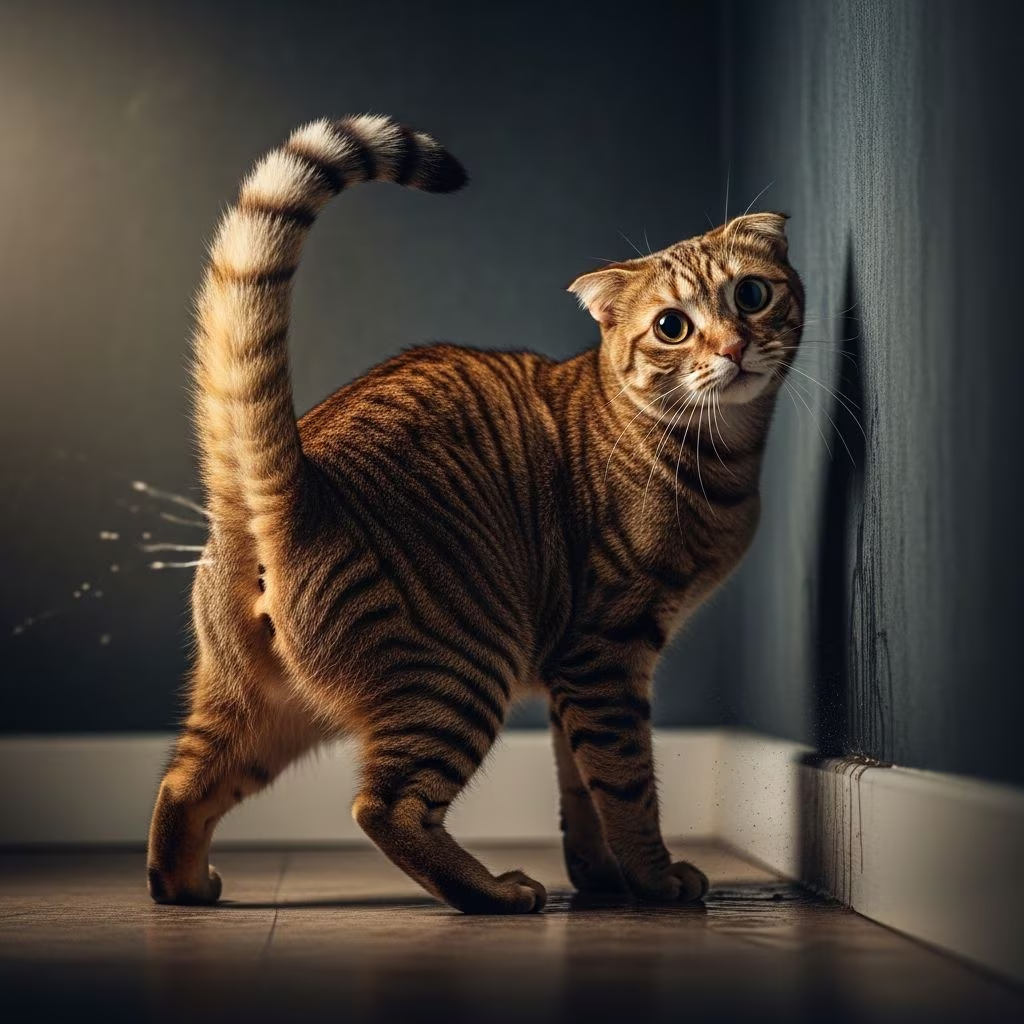
When a cat sprays, they typically approach a vertical surface—such as a wall, furniture leg, or doorframe—and back up toward it. The cat then raises their tail, which quivers or vibrates rapidly. A small amount of urine is released, often accompanied by rhythmic treading motions of the hind feet. This distinctive posture and behavior pattern distinguishes spraying from regular urination, during which a cat squats over a horizontal surface.
Sprayed urine contains additional chemical compounds called pheromones, which are oily secretions produced by anal glands. These pheromones give sprayed urine a significantly more pungent and characteristic odor compared to routine urination. The complex scent profile communicates detailed information to other cats, including the spraying cat’s age, sex, health status, and territorial boundaries.
Primary Reasons Male Cats Engage in Spraying
Male cats spray for several interconnected reasons, each rooted in their natural instincts and psychological needs. Identifying which factors are driving your cat’s behavior is the first step toward implementing effective solutions.
Reproductive and Mating Communication
The most prominent driver of spraying in intact male cats is reproductive behavior. Unneutered males spray to signal their sexual availability to females and to communicate their presence within a territory. The strong, musky scent of their spray acts as a biological advertisement designed to attract potential mates. This instinct is particularly powerful during breeding seasons or when males detect female cats in heat nearby.
Female cats in the vicinity can perceive these chemical signals from considerable distances, even through walls or windows. For intact males, spraying represents a critical reproductive strategy to maximize their chances of finding mates and passing on their genes.
Territorial Marking and Boundary Establishment
Cats are inherently territorial creatures. Spraying allows them to establish and reinforce the boundaries of their claimed territory. This is particularly evident in multi-cat households, where competition for space and resources naturally emerges. When a cat feels that another feline is encroaching on their domain or threatening access to food, toys, litter boxes, or favorite resting spots, they may intensify their spraying behavior to reaffirm ownership.
Indoor cats that live near windows or doors may also spray in response to outdoor cats visible through the glass. The presence of neighborhood cats creates a perceived territorial threat, prompting indoor cats to mark their territory more frequently.
Environmental Stress and Anxiety
Cats are sensitive creatures that respond negatively to disruptions in their environment. Changes in daily routine, introduction of new household members—whether human or animal—remodeling or construction noise, rearrangement of furniture, or alterations to feeding schedules can all trigger stress responses. Stressed cats often resort to spraying as a coping mechanism, using their scent to create a sense of familiarity and control in a destabilized environment.
Medical conditions can also contribute to underlying stress and anxiety. Urinary tract infections, metabolic disorders, and other health issues may predispose cats to spraying behavior. Therefore, a veterinary evaluation is essential before attributing spraying solely to behavioral or environmental causes.
Factors That Increase Spraying Risk
Certain characteristics and situations make some male cats more prone to spraying than others. Understanding these risk factors can help owners anticipate and mitigate potential problems.
- Reproductive Status: Intact (unneutered) males are significantly more likely to spray than neutered counterparts. Neutering eliminates the reproductive drive and can reduce spraying behavior by up to 77% in tomcats.
- Multi-Cat Households: The presence of multiple cats substantially increases spraying incidents, as competition and territorial disputes intensify.
- Exposure to Outdoor Cats: Indoor cats with visual or olfactory access to outdoor felines often respond with increased marking behavior.
- Environmental Changes: Relocations, new residents, renovations, or shifts in routine elevate stress levels and can precipitate spraying.
- Age and Development: Cats approaching or at sexual maturity show the highest propensity for initiating spraying behavior.
Medical Considerations and Health Screening
Before attributing spraying entirely to behavioral causes, a thorough veterinary examination is imperative. Some medical conditions can manifest as or contribute to spraying behavior.
Feline Lower Urinary Tract Syndrome (FLUTS) is a common condition affecting cats of all ages and reproductive statuses. This syndrome involves inflammation or infection of the bladder and urethra, potentially causing blockage or partial obstruction. Cats with FLUTS may exhibit changes in urination patterns, including increased marking behavior.
Other medical issues—such as hormonal imbalances, adrenal gland disorders, diabetes, hyperthyroidism, and neurological conditions—can increase a cat’s predisposition to spray. Additionally, medical issues create underlying stress that may trigger spraying even in cats without a previous history of the behavior.
A veterinarian should perform a physical examination and may recommend urinalysis, blood work, or imaging studies to rule out medical contributors before pursuing purely behavioral interventions.
Effective Prevention and Management Strategies
Multiple evidence-based approaches can reduce or eliminate spraying behavior in male cats. The most effective solution often combines medical intervention with environmental and behavioral modifications.
Neutering as Primary Prevention
Neutering is the single most effective intervention for reducing spraying in male cats. Surgical removal of the testicles eliminates the primary source of testosterone and reproductive drive. Research demonstrates that approximately 77% of tomcats show significant reduction in spraying following neutering.
For optimal results, neutering should be performed before or shortly after sexual maturity emerges, ideally around 5-6 months of age. However, even cats neutered later in life often show behavioral improvement, though some may retain spraying habits if the behavior has become deeply ingrained.
Stress Reduction and Environmental Control
Creating a stable, predictable environment significantly reduces stress-related spraying. Consistent feeding schedules, consistent litter box locations, and minimal disruption to daily routines help cats maintain emotional equilibrium.
Additional stress-reduction measures include:
- Providing multiple litter boxes (at least one per cat, plus one extra) placed in quiet, accessible locations
- Offering vertical territory through cat trees, shelves, and wall-mounted perches
- Creating visual barriers to prevent direct confrontation between household cats
- Using pheromone diffusers that release calming scents similar to natural feline facial pheromones
- Maintaining consistent play schedules and enrichment activities
- Minimizing exposure to outdoor cats through window coverings or strategic furniture placement
Multi-Cat Household Management
In homes with multiple cats, reducing territorial conflicts is essential. Providing separate resources—food bowls, water dishes, litter boxes, and resting areas—for each cat prevents competition and resource guarding. Gradual introduction protocols for new cats and creation of distinct territories within the home can substantially decrease spraying incidents.
Professional Behavioral Support
A certified animal behaviorist or veterinary behaviorist can develop tailored intervention plans based on the specific triggers and patterns of an individual cat’s spraying behavior. Behavioral modification techniques, combined with environmental changes, often prove highly effective.
Frequently Asked Questions About Male Cat Spraying
At what exact age do male cats start spraying?
Most male cats begin spraying around 6 months of age when they reach sexual maturity. However, individual variation occurs, and some cats may start slightly earlier or later depending on genetics and development rate.
Can neutering completely stop spraying in an adult male cat?
Neutering eliminates the reproductive drive and reduces spraying in approximately 77% of cases. Cats neutered after spraying has become established may show improvement, but some may retain the behavior if it has become habitual.
Is cat spraying different from inappropriate urination?
Yes, spraying and inappropriate urination are distinct behaviors. Spraying involves backing up to vertical surfaces with tail quivering and involves pheromone-containing urine. Inappropriate urination typically occurs on horizontal surfaces and may indicate medical issues, litter box aversion, or other problems.
What should I do if my neutered male cat starts spraying?
Neutered cats that spray may be responding to stress, medical issues, or multi-cat household dynamics. A veterinary evaluation is recommended to rule out health problems, followed by environmental modifications and behavioral assessment.
Can female cats spray?
Yes, female cats can and do spray, though less frequently than intact males. Female spraying is often most pronounced during heat cycles when signaling mating readiness. Spaying significantly reduces this behavior.
Conclusion: Taking Action on Spraying Behavior
Understanding when male cats begin spraying—typically around 6 months of age—and recognizing the biological and environmental drivers of this behavior empowers cat owners to intervene effectively. Neutering remains the gold standard for prevention and management, particularly when performed before sexual maturity emerges.
When spraying occurs despite neutering, a comprehensive approach addressing medical health, environmental stress, and household dynamics offers the best opportunity for success. Consulting with a veterinarian and behavioral specialist can help identify root causes and develop personalized solutions tailored to each cat’s unique circumstances.
By combining preventive measures with responsive management strategies, cat owners can significantly reduce or eliminate indoor spraying while supporting their cats’ overall wellbeing and behavioral health.
References
- Cat Spraying: Why Cats Do It and How to Stop It — PetMD. 2024. https://www.petmd.com/cat/general-health/cat-spraying-why-cats-do-it-and-how-to-stop-it
- Cat Spraying vs Peeing: What Does Cat Spray Smell Like? — Yalesville Veterinary Clinic. 2024. https://yalesvillevet.com/blog/what-does-cat-spray-smell-like/
- Why Cats Spray and How to Prevent It — Harlingen Veterinary Clinic. 2024. https://harlingenveterinaryclinic.com/blog/cat-spraying/
- Stop Cat Spraying in House — Best Friends Animal Society. 2024. https://bestfriends.org/pet-care-resources/why-my-cat-spraying-house-and-how-do-i-stop-it
- Stop your Cat Spraying or Soiling in the House — Blue Cross UK. 2024. https://www.bluecross.org.uk/advice/cat/behaviour-and-training/stop-your-cat-spraying-and-soiling-in-the-house
- Common feline problem behaviors: Urine spraying — National Center for Biotechnology Information (NIH/PMC). 2024. https://pmc.ncbi.nlm.nih.gov/articles/PMC11373755/
- Why Cats Spray & How to Control It — Purina US. 2024. https://www.purina.com/articles/cat/behavior/understanding-cats/why-do-cats-spray
- Behavior: Spraying — Mobile SPCA. 2024. https://www.mobilespca.org/



