
Male Cat Reproductive Issues: Essential Guide For Owners
Comprehensive guide to understanding, diagnosing, and managing reproductive health problems in tomcats for better feline care.
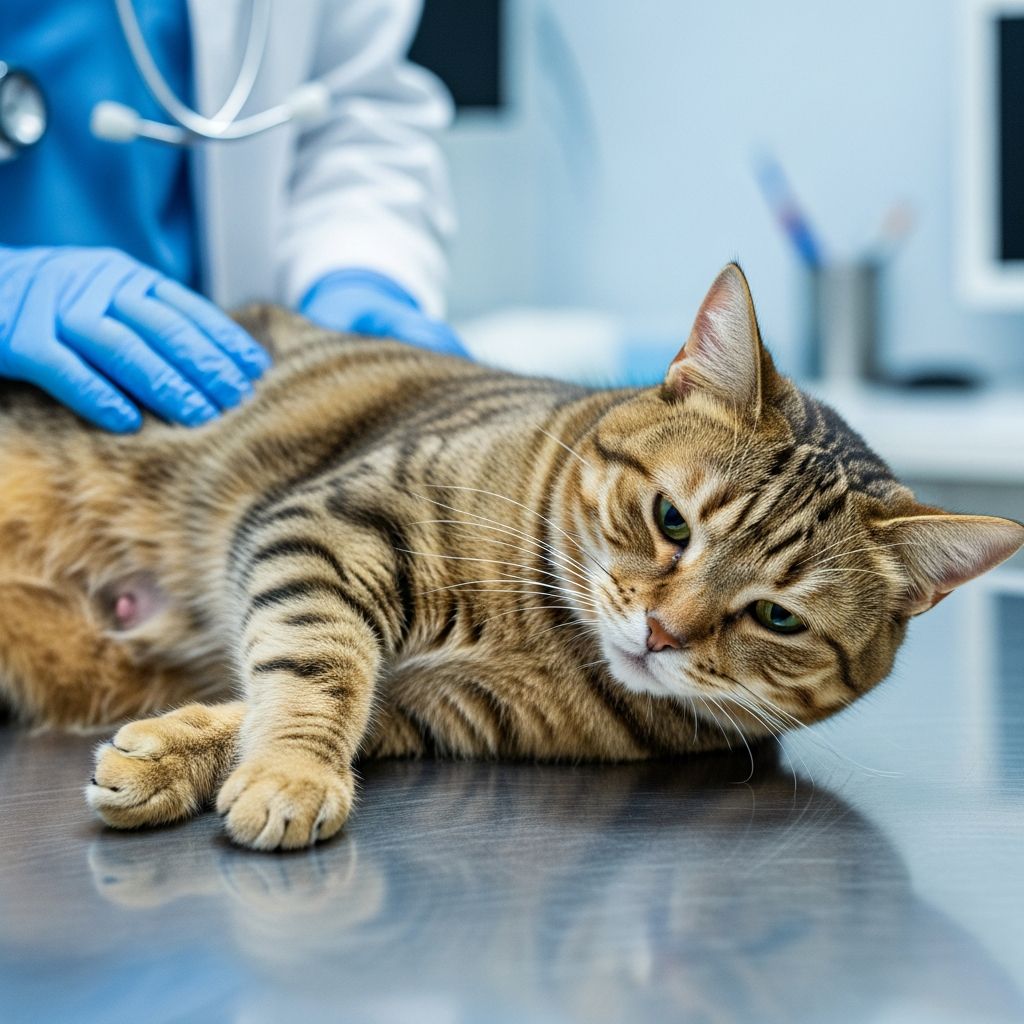
The reproductive system in male cats, or tomcats, plays a vital role in breeding and overall health. Comprising organs like the testes, penis, and associated glands, it enables sperm production, delivery, and hormone regulation. Disruptions in this system can lead to infertility, pain, or behavioral changes, impacting both pet and breeding cats. Understanding these issues helps owners and breeders maintain feline health effectively.
Anatomy of the Tomcat Reproductive System
The male feline reproductive tract includes several interconnected structures designed for sperm production, storage, and ejaculation. The testes reside in the scrotum, a haired sac that protects them and maintains a cooler temperature essential for spermatogenesis. Each testis connects to the epididymis, a coiled tube where sperm mature and gain motility. From there, sperm travel through the ductus deferens, muscular tubes that propel them toward the urethra during mating.
The penis, enclosed in a prepuce when not erect, features unique backward-facing spines on the glans, numbering 120-150. These keratinous structures, testosterone-dependent, emerge around 12 weeks and fully develop at puberty, aiding in mating by stimulating the female. A small os penis provides rigidity. Accessory glands include the prostate, located near the pelvic inlet surrounding the urethra’s start, and bilaterally placed bulbourethral glands that secrete alkaline fluids to neutralize urethral acidity and nourish sperm. The spermatic cord bundles blood vessels, nerves, and ducts, descending from the abdomen postnatally.
| Organ | Location | Primary Function |
|---|---|---|
| Testes | Scrotum | Sperm and testosterone production |
| Epididymis | Over testes | Sperm maturation and storage |
| Ductus Deferens | From epididymis to urethra | Sperm transport |
| Prostate | Near bladder neck | Semen fluid contribution |
| Penis | Within prepuce | Sperm delivery, urination |
Common Disorders Affecting Fertility
Fertility problems in tomcats often stem from testicular or ductal issues. Cryptorchidism, where one or both testes fail to descend into the scrotum, is prevalent, occurring in about 1-3% of cats. Retained testes remain abdominal, raising cancer risk due to higher body temperature inhibiting normal spermatogenesis. Affected cats show normal male behavior but produce no viable sperm from undescended testes.
- Unilateral cryptorchidism: One testis descends; partial fertility possible but surgical removal recommended.
- Bilateral cryptorchidism: Sterility; higher neoplasia incidence.
Oligospermia or azoospermia, low or absent sperm counts, can result from heat stress, infections, or toxins. Orchitis, inflammation of the testes often from bacterial ascent via urethra, causes swelling, pain, and fever, impairing sperm quality. Prostatic disorders, though rare due to the small gland size, include cysts or hyperplasia leading to urinary obstruction.
Physical Abnormalities and Injuries
Trauma to the scrotum or penis during fights is common in intact males. Testicular torsion, twisting of the spermatic cord, cuts blood supply, causing acute pain and necrosis if untreated. Penile injuries from mating or aggression may lead to paraphimosis, where the penis cannot retract, risking desiccation and infection.
Balano-posthitis, inflammation of the glans and prepuce, presents with green discharge and licking. Caused by poor hygiene or bacteria, it requires cleaning and antibiotics. Spines may abrade during excessive grooming, exacerbating issues in unneutered cats.
Hormonal and Behavioral Challenges
Testosterone drives tomcat behaviors like spraying, aggression, and roaming. Imbalances from testicular tumors, such as Sertoli cell tumors, elevate estrogen, causing feminization: bilateral alopecia, gynecomastia, and attraction to other males. Leydig cell tumors boost testosterone, worsening behaviors without fertility loss initially.
Hyperestrogenism from Sertoli cell neoplasia leads to bone marrow suppression, anemia, and squamous metaplasia of prostate. Neutering resolves most hormonal excesses by removing sources.
Diagnostic Approaches for Reproductive Problems
Veterinarians start with history and physical exam, palpating testes for size, symmetry, and abnormalities. Ultrasonography visualizes cryptorchid testes, tumors, or fluid accumulations. Semen analysis assesses count, motility, morphology via electroejaculation or artificial vagina collection.
- Semen evaluation parameters: Volume (0.1-0.5 ml), sperm concentration (>1 billion/ml), motility (>80%).
Hormone assays measure testosterone or estrogen levels. Biopsy or histopathology confirms neoplasia. Bloodwork detects inflammation or anemia.
Treatment Strategies and Management
Cryptorchidism mandates orchiectomy to prevent cancer; laparoscopic for abdominal testes. Orchitis responds to antibiotics like enrofloxacin, with anti-inflammatories for pain. Supportive care includes scrotal support and rest.
For tumors, surgical excision is curative if localized. Prostatic issues may need drainage or drugs like finasteride for hyperplasia. Neutering prevents most disorders, reducing roaming, fights, and cancers by 90%. Fertility preservation in breeders involves cooling semen for artificial insemination.
| Disorder | Treatment | Prognosis |
|---|---|---|
| Cryptorchidism | Surgical removal | Excellent post-surgery |
| Orchitis | Antibiotics, NSAIDs | Good if early |
| Testicular Tumor | Castration | Very good |
| Paraphimosis | Lubrication, reduction | Fair, depends on duration |
Prevention Tips for Tomcat Owners
Neuter non-breeding cats before 6 months to avoid reproductive diseases and behaviors. Supervise intact males to prevent fights. Maintain hygiene by regular grooming. For breeders, select against cryptorchid lineage and screen semen annually. Avoid heat exposure above 37°C, which halts spermatogenesis temporarily.
- Annual vet checks for intact cats.
- Vaccinate against FIV/FeLV, linked to neoplasia.
- Balanced diet supports hormone balance.
FAQs on Male Cat Reproductive Health
Can neutered cats develop reproductive issues?
Rarely, as primary organs are removed, but residual prostate tissue might hypertrophy.
How does cryptorchidism affect breeding?
Renders infertile if bilateral; unilateral may allow limited success but risks heritability.
What causes penile spines to disappear?
Castration removes testosterone, causing regression within 6 weeks.
Is orchitis contagious?
No, but bacterial; isolate affected cats.
When to seek vet for infertility?
After 3 failed breedings or scrotal changes.
Breeding Considerations and Long-Term Care
For breeders, optimal mating age is 1-5 years. Monitor weight, as obesity impairs libido. Post-mating, rest prevents injuries. Aging toms show declining sperm quality after 7 years; retire proactively. Holistic care integrates nutrition rich in zinc and antioxidants for sperm health.
In summary, proactive monitoring and timely intervention safeguard tomcat reproductive vitality, enhancing life quality and breeding outcomes.
References
- Structure and Function of the Male Feline Reproductive Tract — PetPlace. Accessed 2026. https://www.petplace.com/article/cats/pet-health/structure-and-function-of-the-male-feline-reproductive-tract
- Male Reproduction — Veterian Key. Accessed 2026. https://veteriankey.com/male-reproduction/
- The Gonads and Genital Tract of Cats — Merck Veterinary Manual. Accessed 2026. https://www.merckvetmanual.com/cat-owners/reproductive-disorders-of-cats/the-gonads-and-genital-tract-of-cats
- Functional Anatomy of the Normal Male Cat (Tom) — Vet Repro Path. Accessed 2026. http://vetrepropath.com/male/Male_feline/normal_tomcat.html
- Canine and Feline Male Reproductive System — Manorswood Vet. Accessed 2026. https://manorswoodvet.co.za/canine-and-feline-male-reproductive-system/
- Reproductive System of the Dog and Cat Part 2 – The Male System — BVNA. Accessed 2026. https://bvna.org.uk/blog/reproductive-system-of-the-dog-and-cat-part-2-the-male-system-by-victoria-aspinall/
- Normal Feline Reproduction: The Tom — Sage Journals. 2022. https://journals.sagepub.com/doi/10.1177/1098612X221079707
Similar Articles








Read full bio of Sneha Tete




