

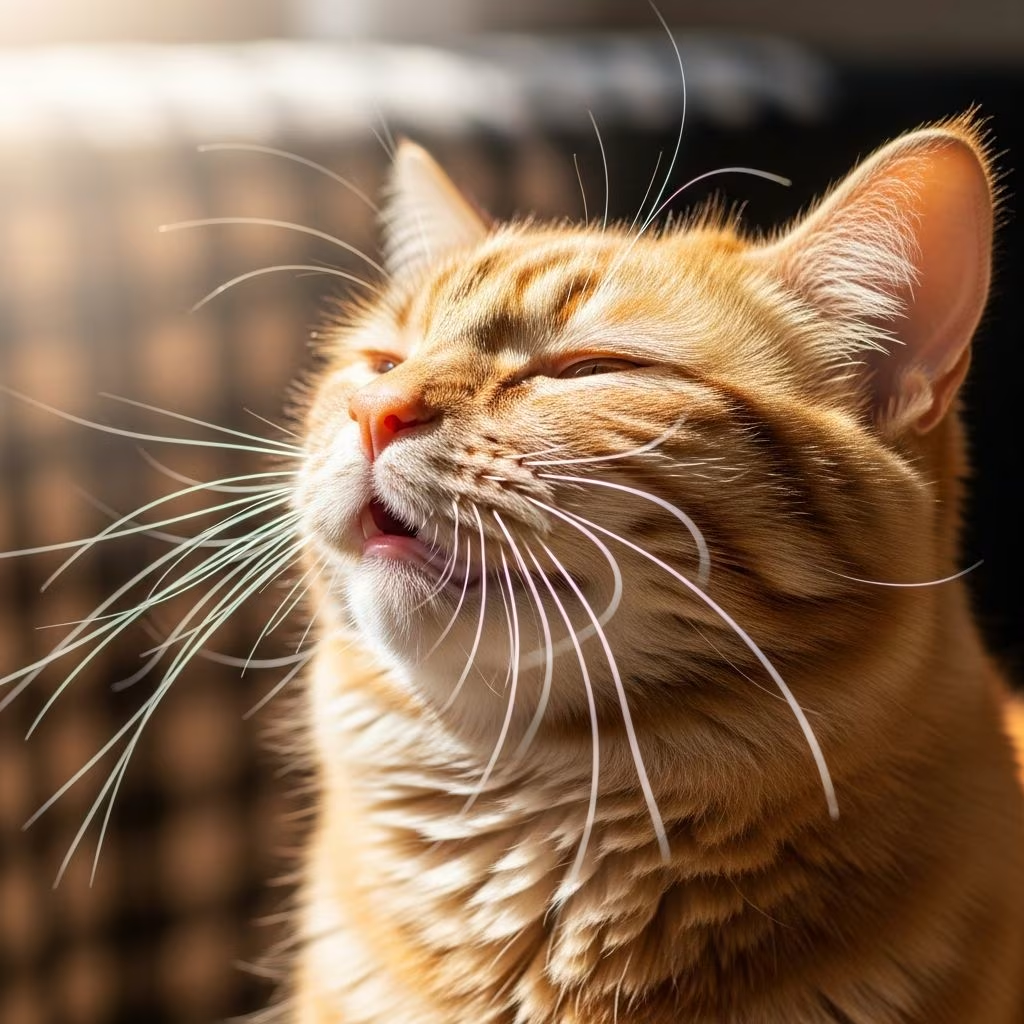
Male cats purr at similar rates to females, with individual personality playing the biggest role in frequency rather than gender. This vibrating sound, produced at 25-150 Hz, serves multiple purposes from bonding to self-soothing.
The Science Behind a Cat’s Purr
The mechanism of purring originates in the larynx, where specialized muscles contract rapidly during both inhalation and exhalation. This action causes the glottis to open and close, vibrating the vocal cords to create the characteristic rumble. Research indicates this frequency range promotes tissue repair and bone growth, explaining its use in healing contexts.
Genetic factors also influence purring tendencies. A study from Kyoto University analyzed the androgen receptor (AR) gene, finding that fewer repeats (18 or less) in a glutamine sequence correlate with more frequent purring and vocalizations, particularly in males. Purebred cats often have longer repeats, potentially selected for quieter traits during domestication.
Daily Purring Patterns in Male Cats
Male cats exhibit varied purring habits; some purr constantly during petting sessions, while others rarely produce the sound. On average, there’s no strict quota—personality dictates if a male cat is a ‘purr machine’ or more reserved. Neutered males may purr less aggressively than intact ones during mating seasons, but overall, gender differences are minimal.
| Purring Type | Frequency in Males | Common Triggers |
|---|---|---|
| Contentment Purr | High (daily) | Petting, eating, resting |
| Stress Purr | Variable | Anxiety, pain, vet visits |
| Social Purr | Moderate | Greeting owners, bonding |
| Maternal/Heat Purr | Low in males | Rare; mostly female trait |
This table summarizes observed patterns, highlighting how male cats lean toward contentment and social purring over reproductive contexts.
Reasons Male Cats Purr: Beyond Happiness
While many associate purring with joy, male cats use it for diverse needs. During relaxation, such as after meals or cuddles, it signals pleasure. However, it also acts as a self-calming tool during stress, akin to human humming.
- Bonding and Communication: Kittens purr from birth to signal safety to mothers; adult males extend this to owners or other cats, fostering relationships.
- Healing Response: The 25-50 Hz range aids fracture healing and pain relief, so ill males may purr more.
- Appetite Signal: Males often purr loudly around mealtime, combining it with meows to demand food.
- Territorial Comfort: In multi-cat homes, purring helps males assert calm dominance without aggression.
Females might purr more during heat or nursing, but males show steady patterns unless influenced by health or environment.
Factors Influencing Purring Volume in Males
Several elements modulate how much a male cat purrs. Age matters: kittens purr frequently for survival, seniors less due to laryngeal changes. Breed plays a role; vocal breeds like Siamese males purr louder, while quieter ones like British Shorthairs are subdued.
Health status is critical. Neutering reduces hormone-driven vocalizations, potentially decreasing purring in some males. Environmental stressors, like new pets, can increase it initially for comfort.
Is Your Male Cat Purring Too Much or Too Little?
Normalcy varies; a quiet male cat might communicate via tail flicks or rubs instead. Sudden cessation in a formerly vocal cat warrants a vet check for respiratory issues or pain. Conversely, excessive purring could indicate discomfort, as cats self-soothe during illness.
Monitor alongside other signs:
- Lethargy or appetite loss with increased purring: Possible pain.
- No purring post-injury: Check for laryngeal damage.
- Constant low rumble: Often contentment, but vet if new.
Changes after adopting another pet might reflect social adjustment, not illness.
Genetic and Evolutionary Perspectives on Male Purring
Evolution favored purring for survival. Domesticated males with fewer AR gene repeats vocalize more, endearing them to humans who selected for affectionate traits. This genetic marker explains why some males are chatterboxes, enhancing human-cat bonds.
In wild ancestors, purring likely soothed during hunts or injuries, a trait retained in pets. Modern males inherit this, using purrs to navigate home dynamics.
Enhancing Purring in Reserved Male Cats
To encourage purring in quiet males:
- Provide safe spaces for relaxation.
- Use interactive play to build trust.
- Gently stroke jaw and cheeks, purr hotspots.
- Maintain routine to reduce stress.
Patience is key; some males prefer silent affection.
Health Implications of Purring Changes
Vets note purring as a diagnostic clue. Increased frequency might mask arthritis or dental pain. Decreased output could signal upper respiratory infections affecting the larynx. Regular check-ups help correlate purr changes with physical exams.
Banfield Pet Hospital emphasizes observing purring with body language for full context.
FAQs on Male Cat Purring
Do male cats purr less than females?
No, males purr comparably, with variations due to personality over sex.
Why has my male cat stopped purring?
Possible illness, stress, or aging; consult a vet for evaluation.
Can purring indicate pain in males?
Yes, it self-soothes during discomfort, unlike pure happiness purrs.
How does neutering affect male purring?
It may reduce intensity but not eliminate it; genetics dominate.
What’s a normal purring duration for males?
From seconds during greetings to continuous during sleep; highly individual.
Interpreting Purrs with Other Behaviors
Combine purring with tail position, ear stance, and eye blinks for accurate reads. Slow blinks plus purrs mean trust; purring with flattened ears signals unease. This holistic view prevents misinterpretation.
Male cats knead while purring to mark territory, reinforcing bonds.
References
- How Much Do Male Cats Purr? Facts & FAQ — Catster. 2023. https://www.catster.com/cat-behavior/how-much-do-male-cats-purr/
- What Your Cat’s Purr Reveals About Evolution and Our Shared Story — Big Cat Rescue. 2023. https://bigcatrescue.org/conservation-news/the-quiet-code-what-your-cats-purr-reveals-about-evolution-and-our-shared-story
- Common cat behavior and its meaning — Banfield Pet Hospital. 2025-01-01. https://www.banfield.com/Wellness-at-banfield/kitten-hub/cat-behavior
- Why Do Cats Purr? — Bluegrass Animal Hospital. 2024. https://bluegrassanimalhospital.net/blogs/why-do-cats-purr



