

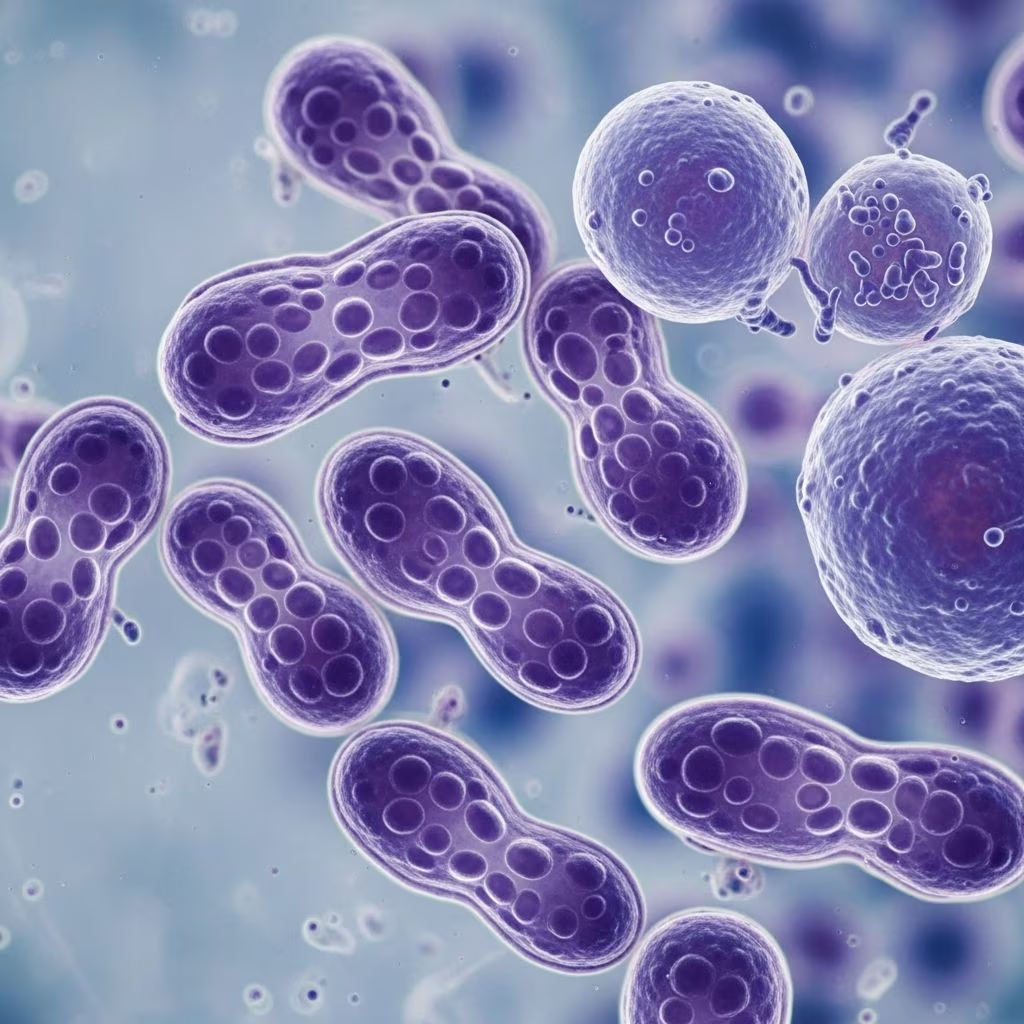
Malassezia dermatitis, often called yeast dermatitis, occurs when the naturally occurring yeast Malassezia pachydermatis overgrows on a pet’s skin or in their ears, primarily affecting dogs and cats. This condition leads to inflammation, discomfort, and noticeable changes in skin appearance and odor.
Understanding the Yeast Behind the Problem
Malassezia is a lipophilic yeast that thrives on the skin’s oils and fats. In healthy pets, it maintains a balanced population without harm. However, certain triggers disrupt this balance, allowing overproliferation and subsequent dermatitis. Veterinary sources note that this yeast favors warm, moist environments, explaining its prevalence in humid climates or skin folds.
The yeast’s pathogenicity stems from virulence factors like adhesion to skin cells, lipid breakdown that inhibits competitors, and enzyme production that irritates tissues. These mechanisms turn a commensal organism into a problematic pathogen.
Common Clinical Signs to Watch For
Pet owners often first notice intense itching, which prompts scratching, licking, or rubbing. Affected areas may show redness, greasy scales, hair loss, and a distinctive musty odor—sometimes likened to corn chips, though similar smells can arise from bacteria.
- Skin changes: Greasy, flaky, or thickened skin (elephant skin), rashes, and discolored nails.
- Ear involvement: Dark, waxy discharge, head shaking, and inflammation.
- Odor and secondary issues: Persistent smell, secondary bacterial infections, and pododermatitis (paw inflammation).
Symptoms vary from mild localized patches to severe generalized cases, often worsening seasonally.
Predisposing Factors and Underlying Causes
Malassezia overgrowth rarely happens in isolation; it typically follows conditions that alter skin microclimate or immunity. Key contributors include:
| Factor | Description | Examples in Pets |
|---|---|---|
| Allergies | Most common trigger; inflammation increases moisture and nutrients for yeast. | Atopic dermatitis, food allergies, flea bites. |
| Endocrine disorders | Hormonal imbalances boost sebum production. | Hypothyroidism, Cushing’s disease. |
| Environmental | Humidity, skin folds trap moisture. | Ear canals, paw pads, humid regions. |
| Immune compromise | Reduced defenses allow proliferation. | Autoimmune diseases, cancer, medications. |
| Other | Prior antibiotics or steroids disrupt flora. | Prolonged corticosteroid use. |
Breeds like West Highland White Terriers, Basset Hounds, and Cocker Spaniels are predisposed due to oily skin or ear conformation. Addressing these root causes is crucial for lasting relief.
Diagnostic Approaches in Veterinary Practice
Vets diagnose Malassezia dermatitis through clinical signs, cytology, and history. Skin scrapings or tape preps under a microscope reveal yeast in ‘spaghetti and meatballs’ clusters.
Additional tests rule out primaries:
- Cytology for yeast/bacteria counts.
- Fungal cultures if atypical.
- Allergy testing or elimination diets.
- Bloodwork for endocrine issues.
Early diagnosis prevents chronicity, as untreated cases lead to lichenification (skin thickening).
Topical Treatment Strategies
Topical therapies form the cornerstone, delivering high antifungal concentrations directly. They suit mild, localized, or maintenance cases with fewer side effects.
Shampoos and rinses: Applied 1-2 times weekly for 3-4 weeks, then tapered. Effective ingredients include:
- Ketoconazole (2%), miconazole (2%), climbazole (2%).
- Chlorhexidine (2-4%) combos for antibacterial synergy.
- Lime sulfur, selenium sulfide, enilconazole.
Other topicals: Wipes, sprays, foams, or ointments for ears/paws daily. Degreasing shampoos (benzoyl peroxide) precede antifungals for oily skin.
Compliance is key; instruct owners on lathering 10 minutes before rinsing.
Systemic Antifungal Options
For severe, generalized, or unresponsive cases, oral medications are indicated alongside topicals. Common drugs:
| Drug | Dosage Example | Duration | Notes |
|---|---|---|---|
| Ketoconazole | 5-10 mg/kg daily | 2-4 weeks | First-line; monitor liver. |
| Fluconazole | 5-10 mg/kg daily | 2-4 weeks | Good for ears; fewer GI effects. |
| Itraconazole | 5 mg/kg daily | 2-4 weeks | Pulse therapy option. |
| Terbinafine | 30 mg/kg daily | 2-4 weeks | Alternative for resistance. |
Baseline bloodwork and monitoring are essential due to hepatotoxicity risks. Griseofulvin is ineffective. Combination therapy accelerates resolution.
Long-Term Management and Prevention
Since primaries like allergies are often chronic, flare-up prevention is vital. Strategies include:
- Regular topical maintenance (weekly shampoos).
- Pulse oral dosing (e.g., ketoconazole 2 days on/5 off).
- Control underlying issues: hypoallergenic diets, flea prevention, ear cleaning.
- Environmental tweaks: dry skin folds, reduce humidity.
Recheck cytology guides adjustments. Many pets achieve good control with diligence.
Special Considerations for Cats and Paws
Cats develop similar signs, often paws or ears. Topical sprays/wipes excel for feline pododermatitis. Dogs’ interdigital yeast needs frequent paw soaks.
Avoid overbathing to preserve skin barrier. Consult vets for breed-specific risks.
Frequently Asked Questions (FAQs)
What does Malassezia dermatitis smell like?
A musty, yeasty odor, often compared to corn chips or pretzels, from yeast byproducts.
Can Malassezia affect humans?
Rarely; pet strains differ from human Malassezia, though hygiene prevents zoonosis.
How long until improvement?
1-2 weeks with combined therapy; full resolution 3-6 weeks.
Is it contagious?
No, but shared environments may spread triggers like fleas.
What if treatment fails?
Reevaluate cytology, switch antifungals, or investigate resistance/biofilms.
References
- Malassezia Dermatitis | NDSR — North Downs Specialist Referrals. 2023. https://www.ndsr.co.uk/information-sheets/malassezia-dermatitis/
- Malassezia | Diagnosis & Disease Information — Infectious Disease Advisor. 2024. https://www.infectiousdiseaseadvisor.com/ddi/malassezia/
- Yeast Dermatitis in Dogs — MedVet. 2024. https://www.medvet.com/yeast-dermatitis-in-dogs/
- Malassezia (Yeast Dermatitis) in Dogs and Cats — BluePearl Vet. 2023. https://bluepearlvet.com/medical-articles-for-pet-owners/yeast-malassezia-dermatitis/
- Canine Malassezia dermatitis — PMC – NIH. 2017-10-01. https://pmc.ncbi.nlm.nih.gov/articles/PMC5603939/
- Malassezia Dermatitis in Dogs and Cats — University of Illinois Vet Med. 2019-04-16. https://vetmed.illinois.edu/2019/04/16/malassezia-dermatitis-dogs-cats/



