

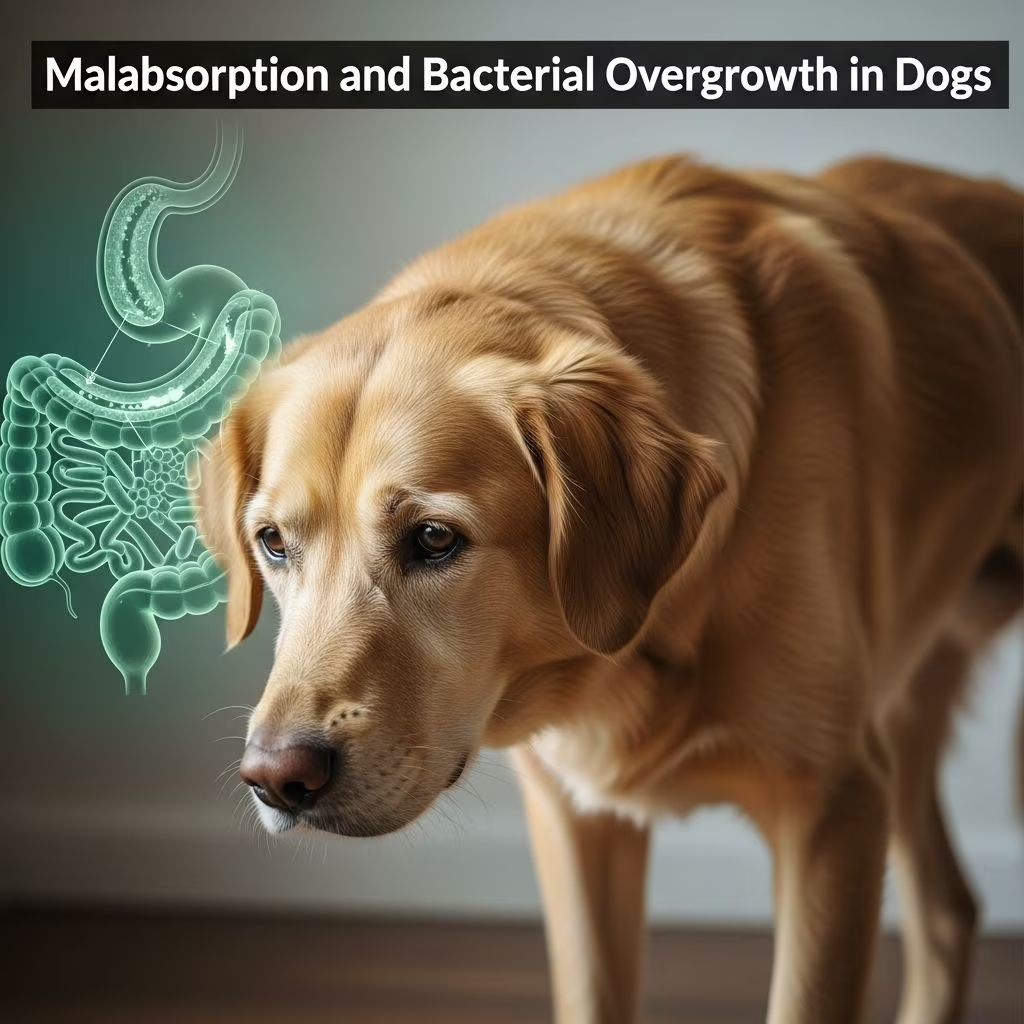
Understanding Malabsorption and Bacterial Overgrowth in Dogs
Malabsorption and small intestinal bacterial overgrowth (SIBO) represent significant digestive challenges that affect many dogs, particularly large-breed canines. This condition, recently referred to as antibiotic-responsive diarrhea (ARD), occurs when bacteria in the small intestine increase to abnormal levels, compromising your dog’s ability to absorb essential nutrients from their food. Understanding this condition is crucial for pet owners seeking to improve their dog’s quality of life and overall health.
What is Malabsorption and Bacterial Overgrowth?
Small intestinal bacterial overgrowth (SIBO) is a condition characterized by an abnormal increase in the number of bacteria within the small intestine. The bacteria cause damage to the absorptive surface of the bowel, preventing digested food from being properly absorbed through the intestinal walls into the body. This damage results in malabsorption, where nutrients fail to reach your dog’s system despite adequate food intake.
The relationship between malabsorption and SIBO is interconnected and complex. When malabsorption occurs from other causes, it can lead to secondary SIBO, as undigested nutrients accumulate in the intestines, providing additional food sources for bacteria to proliferate and multiply. Both conditions result in chronic diarrhea that often persists for weeks or months, distinguishing this from temporary intestinal inflammation.
Differentiating SIBO from Other Intestinal Conditions
While malabsorption and SIBO both result in diarrhea similar to that associated with enteritis (inflammation of the intestines), the key difference lies in the chronicity and nature of the condition. With bacterial overgrowth, the diarrhea is typically chronic, persisting for extended periods rather than resolving within days or weeks.
It’s important to differentiate SIBO from exocrine pancreatic insufficiency (EPI), as the two conditions often coexist and require different treatment approaches. Dogs with SIBO typically do not have as voracious an appetite as dogs with EPI, and their diarrhea is usually not as voluminous. Routine blood and urine testing may appear normal in both conditions, but a specific blood test called TLI (trypsin-like immunoreactivity) can help differentiate between these two distinct conditions.
Which Dogs Are Most Susceptible?
Malabsorption and SIBO are not randomly distributed across all dog populations. Certain characteristics make some dogs more prone to developing these conditions than others. Affected dogs are most often young to middle-aged and large-breed dogs. German Shepherds appear to have a notably higher incidence of malabsorption problems compared to other breeds, suggesting a possible genetic predisposition.
These conditions are frequently associated with exocrine pancreatic insufficiency (EPI), though SIBO can occur independently with or without EPI present. Understanding your dog’s breed and age can help you recognize potential risk factors early and seek appropriate veterinary care.
Clinical Signs and Symptoms of Malabsorption
The principal sign of malabsorption is weight loss combined with chronic diarrhea. This combination is particularly telling because most dogs with malabsorption maintain a normal or increased appetite yet continue to lose weight progressively. Despite eating adequate amounts of food, their bodies cannot effectively absorb the nutrients needed for proper bodily function and weight maintenance.
Additional common clinical signs include:
- Increased gas leading to flatulence and bloating
- Chronic, persistent diarrhea lasting weeks or months
- Poor coat quality and skin health
- Low energy levels and lethargy
- Vitamin deficiencies affecting overall health
These symptoms develop gradually and persistently, worsening over time without appropriate intervention. Pet owners often notice their dogs eating normally while simultaneously declining in physical condition, which prompts veterinary consultation.
Underlying Causes of Malabsorption and SIBO
Many cases of malabsorption are idiopathic, meaning the underlying cause remains unknown despite thorough investigation. However, several identifiable factors can contribute to the development of SIBO and malabsorption.
SIBO is frequently associated with exocrine pancreatic insufficiency (EPI), a condition where the pancreas fails to produce adequate digestive enzymes. The condition can also be associated with inflammatory bowel disease and other disorders that disrupt intestinal motility or prevent proper nutrient absorption. Additionally, any condition that damages the intestinal lining or affects the normal movement of food through the digestive tract can predispose a dog to bacterial overgrowth.
The role of the microbiome is crucial in understanding SIBO development. A healthy microbiome maintains balance between beneficial and pathogenic bacteria. When this balance is disrupted, bad bacteria outcompete good bacteria, releasing toxins that interfere with nutrient absorption and damage the intestinal lining.
Diagnostic Approach and Testing
Diagnosing malabsorption and SIBO requires a comprehensive approach combining clinical signs, laboratory testing, and sometimes specialized procedures. Initial blood and urine testing may appear normal in affected dogs, which can make diagnosis challenging. However, affected dogs often exhibit low vitamin B12 (cobalamin) and folate levels, as these nutrients are not being properly absorbed.
The specific blood test TLI (trypsin-like immunoreactivity) is particularly valuable for differentiating between SIBO and exocrine pancreatic insufficiency. Additional testing may include fecal analysis to rule out parasitic infections and other gastrointestinal conditions. In some cases, veterinarians may recommend hydrogen breath tests or other specialized diagnostics to confirm bacterial overgrowth.
Treatment Options for Malabsorption and SIBO
Many cases of malabsorption respond favorably to long-term antibiotic therapy combined with dietary modifications. The treatment approach typically addresses both the bacterial overgrowth and any underlying nutritional deficiencies.
Antibiotic Treatment
Common antibiotic choices for treating SIBO include:
- Tylosin (Tylan®) – Often considered the primary antibiotic choice in the United States, typically administered as a powder in food and suitable for long-term use
- Oxytetracycline – A broad-spectrum antibiotic effective against many bacteria
- Metronidazole (Flagyl®) – An antimicrobial with activity against anaerobic bacteria and immunomodulatory effects
Antibiotic therapy typically continues for 4–6 weeks, though some cases may require longer treatment. It’s important to note that some pets show clinical improvement within days, while others require weeks of therapy before demonstrating noticeable improvement. Veterinarians generally recommend treating for 2–3 weeks before concluding that therapy is ineffective.
Dietary Management
A special diet forms an essential component of SIBO treatment. Highly digestible diets reduce the amount of undigested nutrients available for bacteria to feed on and thrive in the small intestine. Dogs with SIBO require diets that minimize intestinal fermentation and bacterial proliferation.
Diets containing fructo-oligosaccharides have shown particular benefit in dogs with SIBO, helping to support beneficial bacterial populations while limiting pathogenic bacterial growth. Your veterinarian can recommend appropriate dietary options tailored to your individual dog’s needs.
Supplementation and Probiotics
Dogs with SIBO may be cobalamin (vitamin B12) deficient, making supplementation necessary. Vitamin B12 is typically administered by injection, with blood tests performed one month after the final dose to evaluate serum cobalamin and folate concentrations.
Probiotics, beneficial bacteria such as acidophilus and lactobacillus, support normal small intestine function. These substances should be introduced at low doses and gradually increased as the animal tolerates higher levels. The addition of prebiotics (food sources for beneficial bacteria) alongside probiotics can be helpful in many cases and may provide an alternative or complement to long-term antibiotic therapy. Research indicates that probiotics may be more effective than antibiotics in controlling SIBO, with studies showing improved outcomes and sustained remission in many dogs.
Special Considerations for Dogs with EPI and SIBO
When dogs have coexistent exocrine pancreatic insufficiency and SIBO, treatment requires a coordinated approach. Treatment for SIBO is indicated only if pancreatic enzyme replacement therapy for EPI alone does not resolve diarrhea or lead to weight gain. Close monitoring by your veterinarian ensures that treatment addresses both conditions effectively.
Prognosis and Long-term Management
In cases of primary SIBO without complicating factors, the prognosis is usually good, though recurrences are possible. Many dogs respond well to appropriate treatment and dietary management, with owners reporting significant improvements in their dog’s health, energy levels, and coat quality.
Long-term management requires ongoing collaboration with your veterinarian. Regular monitoring of body weight, stool consistency, and overall health helps assess treatment effectiveness. Some dogs may require maintenance antibiotic therapy at lower doses on a frequent or even permanent basis, while others may maintain remission through dietary management and probiotic supplementation alone.
Activity and Lifestyle Considerations
Dogs with malabsorption and SIBO can maintain unrestricted activity levels during treatment and recovery. Physical exercise should continue as normal, as it supports digestive health and overall wellbeing. However, your veterinarian may recommend adjusting activity levels temporarily if your dog is experiencing acute symptoms or requires rest during treatment initiation.
When to Seek Veterinary Care
If your dog exhibits signs of chronic diarrhea combined with weight loss despite normal or increased appetite, veterinary consultation is warranted. Early diagnosis and treatment can prevent complications and improve outcomes. Additionally, if your dog is already diagnosed with EPI or inflammatory bowel disease and develops new or worsening gastrointestinal symptoms, your veterinarian should evaluate for secondary SIBO.
Frequently Asked Questions
Q: How long does treatment for SIBO typically take?
A: Antibiotic treatment usually continues for 4–6 weeks, combined with dietary changes. Some dogs show improvement within days, while others require weeks of therapy. Always complete the full course as prescribed by your veterinarian.
Q: Can malabsorption be cured permanently?
A: Many cases respond well to treatment, but recurrences are possible. Long-term dietary management, probiotics, and occasional maintenance antibiotic therapy may be necessary to maintain remission.
Q: Is SIBO common in all dog breeds?
A: While SIBO can affect any dog, it appears more common in large-breed dogs and German Shepherds in particular. Young to middle-aged dogs are most frequently affected.
Q: Can diet alone treat SIBO?
A: Diet is an important component of treatment but is typically combined with antibiotics or probiotics for optimal results. Your veterinarian will develop a comprehensive treatment plan tailored to your dog’s specific needs.
Q: What should I feed a dog with malabsorption?
A: Highly digestible, lower-fiber diets are recommended. Diets containing fructo-oligosaccharides have shown particular benefit. Your veterinarian can recommend specific commercial diets or help develop an appropriate feeding plan.
Q: Are there natural alternatives to antibiotics for treating SIBO?
A: Probiotics, prebiotics, and dietary management can be effective alternatives or complements to antibiotic therapy. Research shows promising results with probiotic-based approaches, though your veterinarian should guide treatment decisions.
References
- Malabsorption and Bacterial Overgrowth in Dogs — VCA Hospitals. 2025. https://vcahospitals.com/know-your-pet/malabsorption-bacterial-overgrowth-in-dogs
- Small Intestinal Bacterial Overgrowth (SIBO) — Apple Valley Animal Hospital. 2024. https://www.applevalley.vet/sites/site-4271/documents/Small%20intestinal%20bacterial%20overgrowth.pdf
- Malabsorption Syndromes in Small Animals — Digestive System — Merck Veterinary Manual. 2024. https://www.merckvetmanual.com/digestive-system/diseases-of-the-small-intestine-in-small-animals/malabsorption-syndromes-in-small-animals
- Small Intestinal Bacterial Overgrowth (SIBO) and Pancreatic Insufficiency — PetMD. 2024. https://www.petmd.com/dog/care/evr_multi_sibo_and_epi
- SIBO In Dogs: Natural Options — Dogs Naturally Magazine. 2024. https://www.dogsnaturallymagazine.com/sibo-in-dogs-natural-options/



