

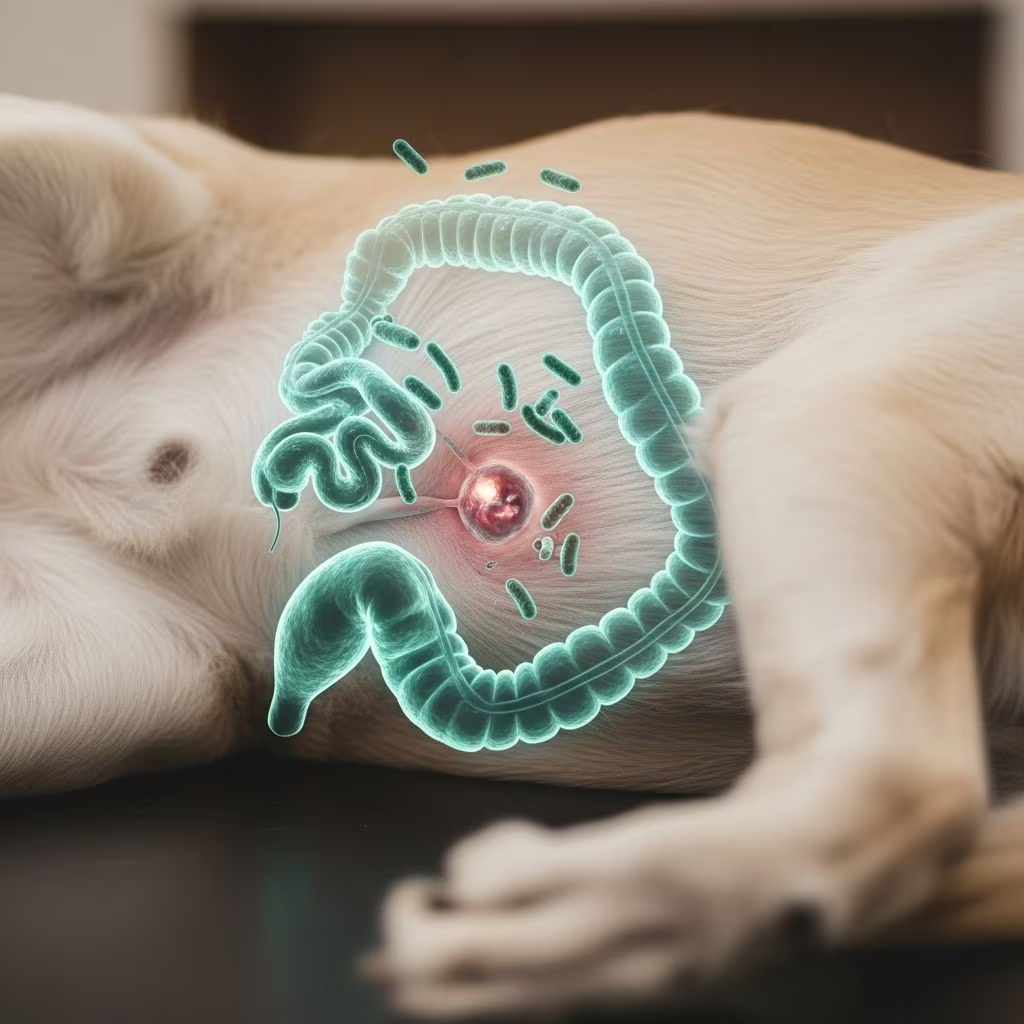
Malabsorption and Bacterial Overgrowth in Dogs: A Comprehensive Guide
Small intestinal bacterial overgrowth (SIBO), also known as antibiotic-responsive diarrhea (ARD), is a significant gastrointestinal condition affecting dogs of all ages. This condition occurs when excessive bacteria colonize the small intestine, causing damage to the absorptive surface and preventing proper nutrient absorption. Understanding this condition is crucial for dog owners, as early recognition and treatment can significantly improve their pet’s quality of life and long-term health outcomes.
What is Malabsorption and Bacterial Overgrowth?
Small intestinal bacterial overgrowth (SIBO) represents a condition where abnormally high numbers of bacteria populate the small intestine. When these bacteria proliferate excessively, they damage the delicate absorptive lining of the bowel, preventing properly digested food from being absorbed through the intestinal walls into the body. This disruption in nutrient absorption is termed malabsorption.
The relationship between malabsorption and SIBO is interconnected. Malabsorption caused by other primary conditions can lead to secondary SIBO, as undigested nutrients accumulate in the intestinal tract, providing an ideal food source for bacterial proliferation. The bacteria produce toxins that further damage intestinal cells, creating a cyclical problem that worsens without intervention.
While diarrhea is a common symptom in various intestinal conditions, including enteritis (inflammation of the intestines), SIBO-related diarrhea is distinctly chronic. Dogs with bacterial overgrowth typically experience persistent diarrhea lasting weeks or even months, setting it apart from acute digestive upset.
Risk Factors: Which Dogs Are More Susceptible?
Certain dog populations demonstrate higher predisposition to malabsorption and SIBO. Understanding these risk factors helps veterinarians identify at-risk dogs and monitor them more closely.
Age and Breed Considerations: Affected dogs are most commonly young to middle-aged, large-breed dogs. German Shepherds show a notably higher incidence of malabsorption problems compared to other breeds, suggesting a possible genetic predisposition in this population. Large breed dogs may be particularly vulnerable due to their unique digestive physiology and metabolism.
Associated Conditions: SIBO frequently occurs alongside exocrine pancreatic insufficiency (EPI), though the two conditions can develop independently. Dogs with EPI lack sufficient pancreatic enzymes to break down food properly, creating conditions favorable for bacterial overgrowth. Inflammatory bowel disease and other conditions that disrupt normal intestinal motility or prevent nutrient absorption can also increase SIBO risk.
Clinical Signs and Symptoms
The primary indicator of malabsorption is progressive weight loss coupled with chronic diarrhea. Despite maintaining a normal or even increased appetite, affected dogs continue losing weight because their bodies cannot absorb the nutrients from consumed food. This paradoxical weight loss despite adequate food intake is particularly telling and should prompt veterinary evaluation.
Additional clinical manifestations include:
- Increased flatulence and bloating due to bacterial gas production
- Changes in stool character and consistency
- Potential lethargy or reduced activity levels
- Poor coat quality and skin health
- General signs of nutritional deficiency
The severity and specific presentation of symptoms can vary between individual dogs, but the combination of chronic diarrhea with weight loss despite adequate appetite remains the hallmark presentation of malabsorption.
Differentiating Malabsorption from Pancreatic Insufficiency
Since SIBO frequently coexists with EPI, distinguishing between these conditions is essential for appropriate treatment planning. While both conditions can present with similar symptoms, several key differences help differentiate them.
Dogs with SIBO typically exhibit less voracious appetites compared to dogs with primary EPI. Additionally, diarrhea in SIBO cases tends to be less voluminous than the profuse, oily stools characteristic of EPI. However, both conditions may present with normal routine blood and urine test results, making clinical differentiation challenging.
A critical diagnostic tool is the TLI (trypsin-like immunoreactivity) blood test, which specifically measures pancreatic enzyme levels. This test effectively differentiates between the two conditions, allowing veterinarians to tailor treatment accordingly. Both conditions can result in low vitamin B12 (cobalamin) and folate levels, as these nutrients are not properly absorbed.
Understanding the Causes
Many cases of malabsorption remain idiopathic, meaning the underlying cause cannot be definitively identified despite thorough investigation. However, researchers have identified several contributing factors and associated conditions.
SIBO frequently develops secondary to exocrine pancreatic insufficiency, where insufficient pancreatic enzyme production creates an environment favorable for bacterial overgrowth. Inflammatory bowel disease can disrupt the normal intestinal barrier function and bacterial balance, predisposing dogs to SIBO. Any condition affecting intestinal motility—the coordinated muscle contractions that move food through the digestive tract—can contribute to bacterial overgrowth by allowing bacteria to accumulate rather than being naturally cleared.
Additionally, conditions that impair nutrient absorption create excess undigested material in the intestine, serving as fuel for bacterial proliferation. This creates a self-perpetuating cycle where malabsorption enables bacterial overgrowth, which further impairs absorption.
Diagnostic Approach
Veterinarians employ several diagnostic strategies to confirm malabsorption and SIBO. Initial assessment typically includes a thorough physical examination and detailed medical history, paying particular attention to the timeline of symptoms and response to any previous treatments.
Laboratory testing forms a cornerstone of diagnosis. While routine blood work may appear normal, specific tests reveal important abnormalities. Cobalamin (vitamin B12) and folate levels are commonly low in SIBO cases, as bacteria preferentially utilize these vitamins. The TLI test specifically identifies pancreatic enzyme insufficiency, while other tests may evaluate overall nutrition status and organ function.
Fecal analysis can provide additional information, and in some cases, further imaging or endoscopic evaluation may be warranted to rule out other gastrointestinal disorders.
Treatment Options and Management
Antibiotic Therapy: Many malabsorption cases respond well to antibiotic treatment targeting the excessive bacteria. Common antibiotic choices include Tylosin (Tylan®), oxytetracycline, and metronidazole (Flagyl®), typically administered for 4–6 weeks. Treatment effects usually become noticeable within one week, though extended courses ensure adequate bacterial control. Some dogs develop persistent SIBO requiring long-term or even permanent low-dose antibiotic therapy.
Dietary Modification: Special diets play a crucial role in managing malabsorption and SIBO. Highly digestible, lower-fiber diets reduce the amount of undigested material available as bacterial food sources. These diets help normalize intestinal flora and reduce fermentation by pathogenic bacteria. Dietary changes are typically combined with antimicrobial therapy for optimal results.
Probiotic and Prebiotic Supplementation: The addition of probiotics (beneficial bacteria) and prebiotics (substances that nourish beneficial bacteria) offers promising therapeutic potential and may provide alternatives to long-term antibiotics in some cases. Soil-based organism (SBO) probiotics are particularly recommended over dairy-based options, as intestinal damage reduces lactase production. Probiotics containing Lactobacillus or Bifidobacterium strains should generally be avoided, as these can feed the bacterial overgrowth during transit through the small intestine. Starting probiotics at low doses and gradually increasing improves tolerance.
Vitamin and Nutritional Support: Cobalamin (vitamin B12) deficiency must be corrected, often requiring injectable supplementation, as deficient dogs may not respond adequately to other treatments. Digestive enzyme supplementation can help break down bacterial overgrowth and improve overall nutrient absorption.
Prognosis and Long-Term Outlook
The prognosis for dogs with primary SIBO without complicating factors is generally favorable. Many dogs respond well to appropriate antibiotic and dietary therapy, with owners often seeing improvement within days to weeks of starting treatment. However, recurrence is possible, and some dogs develop chronic or recurrent SIBO requiring ongoing management.
Dogs with secondary SIBO related to EPI or other chronic conditions require lifelong management and monitoring. Close veterinary oversight throughout the dog’s life helps identify and manage complications promptly, optimizing quality of life and longevity.
Prevention and Ongoing Care
While not all malabsorption cases can be prevented, maintaining optimal digestive health through appropriate diet, minimizing stress, and promptly addressing any gastrointestinal symptoms can help reduce risk. Dogs with breed predisposition or known risk factors benefit from preventive dietary measures and probiotic supplementation.
Long-term monitoring includes periodic reassessment of symptoms, nutritional status, and vitamin levels. Regular veterinary check-ups allow for early identification of complications and adjustment of treatment protocols as needed.
Frequently Asked Questions (FAQs)
Q: Can malabsorption in dogs be completely cured?
A: Many cases respond well to antibiotics combined with dietary modification, though some dogs experience recurrence. Primary SIBO without complicating factors often has a good prognosis, but dogs with secondary SIBO (particularly those with EPI) typically require lifelong management and monitoring.
Q: How long does antibiotic treatment typically last?
A: Standard treatment courses range from 4–6 weeks, though some dogs may require extended or even permanent low-dose therapy if bacterial overgrowth recurs repeatedly.
Q: Are probiotics effective for treating SIBO?
A: Research demonstrates that probiotics can be effective, particularly soil-based organism (SBO) strains. However, certain probiotic strains containing Lactobacillus or Bifidobacterium may worsen SIBO by feeding the bacterial overgrowth in the small intestine.
Q: Why does my dog continue losing weight despite eating well?
A: This indicates malabsorption—your dog’s intestines cannot properly absorb nutrients from food. The bacteria damaging the intestinal lining prevent nutrient passage into the bloodstream, causing progressive weight loss despite adequate food intake.
Q: Is malabsorption more common in certain dog breeds?
A: German Shepherds show higher incidence of malabsorption problems, and large-breed dogs in general are more frequently affected than smaller breeds, suggesting potential genetic predisposition.
Q: What is the difference between SIBO and EPI?
A: EPI (exocrine pancreatic insufficiency) involves insufficient pancreatic enzyme production, while SIBO is bacterial overgrowth in the small intestine. The conditions frequently coexist but can occur independently. The TLI blood test helps differentiate between them.
Q: How often should my dog with malabsorption see the veterinarian?
A: Dogs with malabsorption, particularly those with secondary conditions like EPI, require regular monitoring throughout their lives. Your veterinarian will recommend appropriate check-up frequencies based on your dog’s response to treatment and specific condition.
References
- Malabsorption and Bacterial Overgrowth in Dogs — Veterinary Care Associates (VCA) Hospitals. 2024. https://vcahospitals.com/know-your-pet/malabsorption-bacterial-overgrowth-in-dogs
- Malabsorption Syndromes in Small Animals — Merck Veterinary Manual. 2024. https://www.merckvetmanual.com/digestive-system/diseases-of-the-small-intestine-in-small-animals/malabsorption-syndromes-in-small-animals
- Small Intestinal Bacterial Overgrowth (SIBO) and Pancreatic Insufficiency — PetMD. 2024. https://www.petmd.com/dog/care/evr_multi_sibo_and_epi
- SIBO In Dogs: Natural Options — Dogs Naturally Magazine. 2024. https://www.dogsnaturallymagazine.com/sibo-in-dogs-natural-options/
- What Causes Malabsorption in Dogs? — My Pet Nutritionist. 2024. https://mypetnutritionist.com/post/what-causes-malabsorption-in-dogs/



