

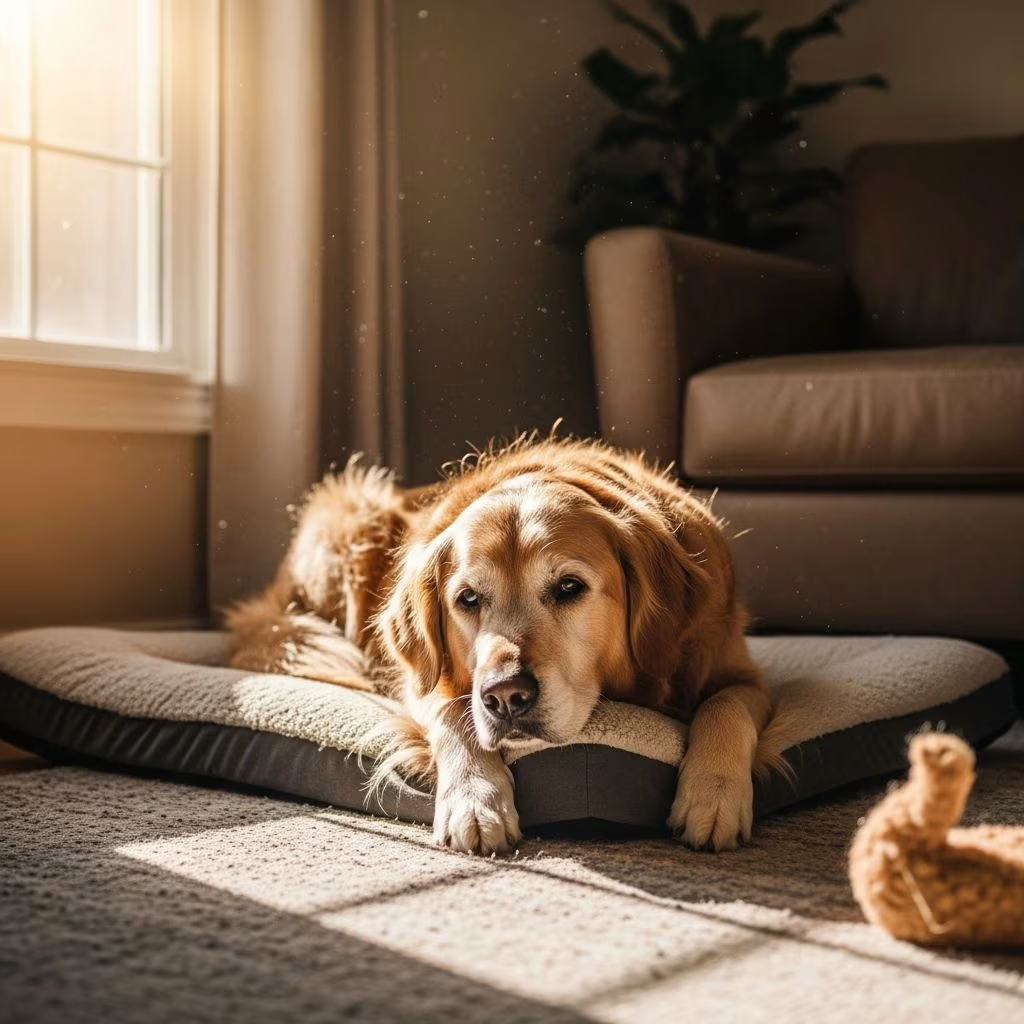
As our beloved canine companions enter their golden years, their needs evolve and transform in ways that require thoughtful consideration and gentle adaptations. Aging gracefully is not just a human privilege—our senior dogs deserve the same comfort and security as they navigate their later years. The good news is that making your home senior-dog-friendly doesn’t require expensive renovations or complex solutions. Instead, simple, deliberate changes can significantly enhance your older dog’s quality of life and allow you to cherish those precious final years together.
Creating a comfortable environment for your aging dog involves understanding the physical and cognitive changes they experience with age. Senior dogs often face challenges such as decreased mobility, vision problems, hearing loss, and changes in their ability to regulate body temperature. By proactively addressing these issues in your home, you can minimize discomfort, reduce the risk of accidents, and allow your senior companion to maintain independence and dignity throughout their later years.
Select the Best Dog Bed for Senior Comfort
One of the most important investments you can make for your senior dog is a high-quality bed that meets their evolving needs. As dogs age, their sleeping patterns and comfort requirements change dramatically, making bed selection a critical component of senior dog care.
Examine the Style of Bedding
Geriatric dogs spend a considerable amount of time sleeping, often more than younger dogs. If your senior dog’s current bed features high sides or raised edges, it may pose significant challenges for entry and exit. Dogs with arthritis, decreased mobility, or hind-end weakness struggle with beds that require them to climb in or out. Consider transitioning to low-sided orthopedic beds or completely flat bedding options such as cushioned mats or memory foam pads. These designs allow your dog to step comfortably onto the bed without the strain of climbing, making the sleeping experience more accessible and enjoyable.
Rethink the Comfort of the Bedding
The market now offers a variety of memory foam beds specifically designed for dogs, and these can make a tremendous difference in your senior dog’s comfort level. Thick, soft cushions that provide gentle support to aging joints and bones are particularly beneficial. Memory foam conforms to your dog’s body shape, distributing weight evenly and reducing pressure on arthritic joints. This type of support can alleviate pain during rest and may even improve your dog’s mobility during waking hours. The investment in premium bedding often pays dividends in terms of your dog’s overall well-being and contentment.
Consider Temperature Preferences
Older dogs often display distinct temperature preferences that differ from their younger years. Some senior dogs actively seek out the warmest spots in your home to rest, particularly if they have stiff joints or muscle pain. Heated dog beds with warming pads beneath the covers provide the perfect cozy retreat for dogs who crave warmth. On the other hand, some senior dogs seem to prefer cooler sleeping surfaces. Gel beds are available that combine cushioning comfort with a naturally cool surface, allowing your dog to rest without overheating. Understanding your individual dog’s temperature preferences and providing appropriate bedding options demonstrates attentive pet care.
Seek Out Trouble Spots in Your Home
A comprehensive home assessment from your senior dog’s perspective is essential for creating a safe environment. Take a deliberate walk through your home and consider how each area would feel to navigate for an aging dog with potential mobility or sensory limitations.
Pay Special Attention to Stairs and Steps
Difficulty managing stairs is frequently one of the first signs of aging in dogs. This challenge can stem from several factors, including arthritic changes in the spine or joints, decreased muscle tone, or declining vision. Stairs become increasingly daunting and even dangerous for senior dogs, potentially leading to slips, falls, and injuries that compound existing health issues.
Dr. Bjorn Lee of PenBay Veterinary Associates in Rockport, Maine, emphasizes the importance of proper lighting: “Keep a light on where there are stairs, both inside and out. Dogs navigating steps in the dark may be more prone to slips and falls. This can make them hesitant to use the stairs at all. Good illumination can really help.” Installing bright, reliable lighting in stairwell areas encourages your senior dog to navigate stairs more confidently and safely.
Evaluate Other Environmental Hazards
Beyond stairs, examine your home for other potential hazards. Consider the layout of your living spaces and identify any obstacles that might impede your senior dog’s movement or pose safety risks. Furniture placement, door thresholds, and floor transitions should all be evaluated with an older dog’s mobility in mind.
Adjust to Changes in Your Dog’s Well-Being
As senior dogs age, they experience various physical and sensory changes that necessitate environmental adjustments. Proactive modifications can help your older dog maintain independence and confidence as their abilities shift.
Managing Vision Problems
When your dog experiences vision decline or blindness, they may begin bumping into objects they previously navigated around easily. This can be frustrating for your dog and concerning for you as an owner. Inexpensive solutions exist: soft foam pipe insulation from any hardware store can be used to pad obstacles at dog-eye level, such as raised brick hearths, sharp table corners, or other potentially dangerous protrusions. This simple padding provides protection if your dog collides with these objects.
Additionally, sight-impaired senior dogs appreciate consistency in their environment. Keep furnishings where they have always been so your dog can move about by habit and memory rather than relying solely on vision. Avoid rearranging your home, as this forces your senior dog to relearn pathways and increases anxiety and the risk of accidents.
Providing Mobility Assistance
Several practical solutions can enhance your senior dog’s mobility and independence:
- Place dog steps or ramps against furniture your pet is allowed on to ensure easy access without strain or jumping
- If your dog sleeps on your bed, install soft mesh guards designed for young children to prevent falls, or alternatively, place your bed on the floor for easier access
- Use rubber-backed mats on top of smooth floors to provide traction and prevent slipping
- Trim your dog’s nails regularly and check for excessive hair growth between paw pads to maintain better grip on flooring
Maintaining Physical Health Through Movement
Regular, gentle exercise remains important for senior dogs, helping to keep their minds stimulated and bodies more limber. However, the type and duration of exercise should be tailored to your individual dog’s condition and abilities. Gentle walks, light play, and low-impact activities are typically more appropriate than strenuous exercise. The goal is to maintain your dog’s physical conditioning without overexertion or causing pain.
Be Aware of the Ambient Temperature
Older dogs experience changes in their ability to regulate body temperature efficiently, making environmental temperature control particularly important. Extreme heat or cold exposure can pose serious health risks for senior dogs, potentially exacerbating existing conditions or creating new health emergencies.
Temperature Regulation
Maintain a comfortable indoor temperature year-round, avoiding dramatic fluctuations or exposure to temperature extremes. During warm months, ensure your dog has access to cool, shaded areas and never leave them in hot vehicles or unshaded outdoor spaces for extended periods. In winter, provide warm bedding and limit time in cold environments. Pay attention to your individual dog’s preferences and reactions to temperature changes.
Hydration is Critical
As Dr. Lee notes, “It is important to make sure older dogs have access to clean, cool water at all times.” Proper hydration becomes increasingly important for senior dogs, particularly those experiencing mobility issues that might limit their ability to access water bowls independently. Place water bowls in multiple convenient locations throughout your home so your dog can drink whenever they need to without difficulty. Ensure water is fresh and changed regularly to encourage adequate intake.
Creating a Comprehensive Senior-Friendly Home
Beyond the specific areas discussed, consider these additional modifications to create a truly senior-friendly environment:
- Install baby gates to block off stairs or areas where your dog might accidentally wander into danger
- Remove large furniture from main pathways to provide clear, unobstructed routes for vision-impaired or unsteady dogs
- Use carpet runners on slippery surfaces to improve traction and prevent falls
- Maintain consistent lighting throughout your home to assist dogs with declining vision
- Keep outdoor pathways clear and well-maintained to prevent tripping hazards
The Emotional Dimension of Senior Dog Care
Creating a comfortable home environment for your senior dog is more than just practical—it’s an expression of love and gratitude for years of companionship. As one pet owner reflected, “As people age they become just like themselves, only more so.” The same wisdom applies to dogs. Aging often brings out the true essence of their personalities, and senior dogs deserve an environment that honors their contributions to our lives and supports their comfort during this precious final chapter.
Sharing time with senior dogs is genuinely a gift to be treasured. The years of loyalty, unconditional love, and companionship your dog has provided deserve to be reciprocated through thoughtful, deliberate care. Simple changes in your home will help keep your companion safe and secure so you can enjoy each other’s company to the fullest during their golden years.
Frequently Asked Questions (FAQs)
Q: What type of bed is best for a senior dog with arthritis?
A: Orthopedic memory foam beds with low or no sides are ideal for senior dogs with arthritis. These beds provide cushioning support for aging joints and are easy to access without climbing. Some dogs also benefit from heated beds if they tend to seek warmth for pain relief.
Q: How can I help my senior dog with stairs?
A: Install bright lighting near all stairs, both indoors and outdoors, to improve visibility and confidence. Consider using dog gates to block off stairs if your dog struggles significantly, or provide ramps as an alternative. You can also assist your dog by helping them up and down stairs when necessary.
Q: What should I do if my senior dog has vision problems?
A: Keep furniture in consistent locations so your dog can navigate by memory, pad sharp corners and obstacles with foam insulation, use consistent lighting throughout your home, and maintain a safe, clutter-free environment. Avoid rearranging your home frequently.
Q: How often should I exercise my senior dog?
A: Exercise should be tailored to your individual dog’s condition and abilities. Gentle, regular walks and light play are typically appropriate. Focus on maintaining activity without causing pain or overexertion. Always consult your veterinarian about the right exercise level for your senior dog.
Q: Why is proper hydration important for senior dogs?
A: Older dogs have difficulty maintaining proper hydration and may not drink enough water, especially if mobility issues make accessing water bowls difficult. Ensuring clean, fresh water is always available in multiple locations helps prevent dehydration and related health complications.
Q: Should I get heated or cooled dog beds for my senior dog?
A: This depends on your individual dog’s preferences. Some senior dogs seek warmth for arthritic pain relief and would benefit from heated beds, while others prefer cooler surfaces. Observe your dog’s behavior to determine their temperature preferences and select bedding accordingly.
References
- Making Your Home Comfortable for Old Dogs — Chewy Editors. 2025. https://www.chewy.com/education/dog/pet-parenting/keeping-your-home-comfortable-for-old-dogs
- 12 Tips to Keep Your Senior Dog Happy and Healthy — Chewy Education. 2025. https://www.chewy.com/education/dog/health-and-wellness/how-to-keep-senior-dog-happy
- 10 Signs Your Dog Is Getting Old — Chewy Education. 2025. https://www.chewy.com/education/dog/health-and-wellness/signs-your-dog-is-getting-old
- Senior Dog Exercise: What’s Right For Your Pup? — Chewy Education. 2025. https://www.chewy.com/education/dog/health-and-wellness/senior-dog-exercise



