

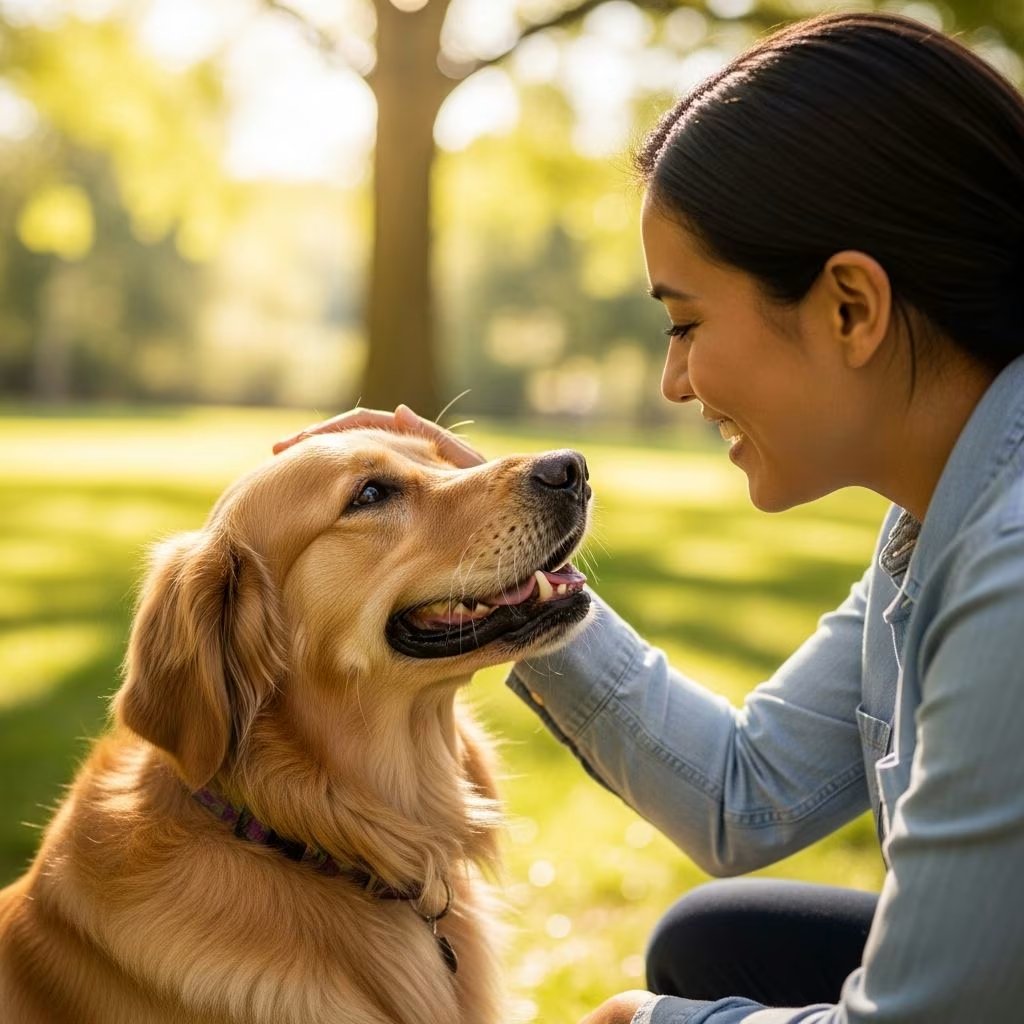
Making Friends with Buddy: Building Bonds with Dogs
Building a friendship with a dog is one of the most rewarding experiences a child can have. Dogs are often called man’s best friend for good reason—they offer unconditional love, companionship, and joy to their human companions. However, making friends with a dog requires understanding, patience, and proper technique. Whether you’re meeting a family dog for the first time or introducing a new puppy to your household, learning how to properly approach and interact with dogs can set the foundation for a lifetime of friendship and positive experiences.
The process of making friends with a dog, much like building human friendships, requires investment of time and intentional effort. Understanding canine behavior, respecting a dog’s boundaries, and learning appropriate interaction techniques are essential components of developing a strong bond with your furry companion.
Understanding Your New Friend: Getting to Know Buddy
Before diving into friendship-building activities, it’s important to understand who Buddy is as an individual. Every dog has a unique personality, preferences, and communication style. Some dogs are naturally outgoing and social, while others are more reserved and need time to warm up to new people. Taking time to observe your new friend’s behavior can provide valuable insights into how best to approach the friendship.
Dogs communicate through body language, vocalizations, and behavior patterns. Learning to read these signals is crucial for understanding what your canine friend is trying to tell you. A wagging tail, relaxed posture, and soft eyes generally indicate a happy, comfortable dog. Conversely, tucked tails, raised fur, stiff posture, or excessive barking may indicate fear or discomfort. By paying attention to these signals, you can adjust your approach and ensure that Buddy feels safe and comfortable in your presence.
The Proper Introduction: Meeting Buddy for the First Time
The first meeting between a child and a dog is critically important in establishing a positive relationship. This initial encounter sets the tone for all future interactions and can determine whether the friendship will flourish or falter. A proper introduction should be calm, controlled, and respectful of the dog’s space and comfort level.
When approaching a dog for the first time, always ask the owner’s permission before attempting to pet or interact with the animal. This simple courtesy shows respect for both the owner and the dog. Once permission is granted, the next step is to allow the dog to become familiar with your scent and presence before attempting physical contact.
Step-by-Step Introduction Process
Allow the Dog to Sniff Your Hand: Extend your hand slowly and allow Buddy to sniff it. This is how dogs gather information about new people. Your hand carries your scent, which helps the dog understand who you are. Keep your hand open and relaxed, not making sudden movements that might startle the dog.
Use Gentle, Light Touches: If the dog seems comfortable after sniffing your hand, you can begin petting. Use gentle, light touches on neutral areas such as the chest or shoulders. Avoid sensitive areas like the face, paws, and tail until you’ve established a stronger rapport with Buddy. Petting should be slow and deliberate, not rapid or rough.
Maintain Calm Energy: Dogs are highly attuned to human emotions and energy levels. If you approach a dog with excitement or nervousness, the dog may pick up on these emotions and respond accordingly. Maintaining a calm, confident demeanor helps put the dog at ease and creates a positive interaction environment.
Respect Personal Space: Not all dogs enjoy being touched immediately, and that’s perfectly okay. Some dogs need more time to warm up to new people. If Buddy seems hesitant or pulls away from your touch, respect that boundary and give him more space. Building friendship with a dog often means taking it slowly.
Building Trust Through Consistent Interaction
Trust is the foundation of any meaningful friendship, and this is no different when it comes to dogs. Building trust with Buddy requires consistent, positive interactions over time. Research shows that meaningful bonds develop through repeated positive experiences and predictable behavior from both parties.
Spending regular time with your canine friend is essential. The more time you invest in Buddy’s company, the stronger your bond will become. This might include daily walks, playtime, training sessions, or simply spending quiet time together. Each interaction is an opportunity to reinforce your friendship and demonstrate that you are a reliable, trustworthy companion.
Consistency in your behavior is equally important. Dogs thrive on routine and predictability. When you interact with Buddy in consistent ways—using the same commands, maintaining similar play styles, and establishing regular schedules—the dog learns what to expect from you and can relax knowing that interactions will be positive and predictable.
Learning Canine Communication and Body Language
One of the most important aspects of making friends with a dog is understanding how to interpret and respond to canine communication. Dogs primarily communicate through body language, and learning to read these signals is essential for building a strong, safe friendship.
Key Canine Body Language Signals
Tail Position and Movement: A wagging tail typically indicates happiness and friendliness, though the speed and height of the wag can convey different emotions. A tail held high and wagging quickly often indicates excitement and confidence, while a slower wag might indicate mild interest. A tucked tail, on the other hand, usually indicates fear or anxiety.
Ear Position: Forward-facing ears typically indicate alertness and interest, while ears held back or to the sides might indicate fear, submission, or uncertainty. Pinned-back ears combined with other signals often suggest the dog is uncomfortable or anxious.
Eye Contact and Expression: Soft, relaxed eyes with a gentle gaze typically indicate comfort and trust. However, prolonged, intense eye contact (often called a hard stare) can be interpreted as confrontational or threatening by a dog. A playful squint and relaxed expression generally indicate a happy, content dog.
Body Posture: A relaxed, loose body posture with a natural stance indicates a comfortable dog. A stiff body, raised hair (hackles), or a crouched, lowered posture might indicate tension, fear, or aggression. Play bows—where the dog stretches with front legs extended and rear end in the air—are a clear invitation to play.
Mouth and Facial Expression: A soft, slightly open mouth with a relaxed face typically indicates a happy dog. A closed, tense mouth or bared teeth can signal stress, fear, or aggression. A playful pant with the tongue out usually indicates the dog is having fun and is in a playful mood.
Engaging in Play and Shared Activities
Play is a fundamental way that dogs bond with their companions. Through play, you can build trust, establish communication, and strengthen your friendship with Buddy. Different dogs enjoy different types of play, so learning what activities your canine friend prefers is important for maximizing enjoyment and bonding.
Fetch games, tug-of-war, chase games, and puzzle toys can all provide excellent opportunities for interactive play. The key is to engage in activities that both you and Buddy enjoy and that keep the dog mentally stimulated and physically active. During playtime, maintain positive energy, use encouraging language, and celebrate your dog’s enthusiasm and participation.
Beyond structured play, simple activities like walks in new environments, trips to the dog park, or exploring new areas together can provide enrichment and bonding opportunities. These activities expose Buddy to new experiences, provide mental stimulation, and give you quality time together.
The Role of Positive Reinforcement and Rewards
Dogs respond wonderfully to positive reinforcement. When Buddy behaves in ways you appreciate—whether that’s sitting calmly, coming when called, or being friendly—rewarding that behavior encourages the dog to repeat it. Rewards can include treats, praise, petting, or playtime with favorite toys.
Using treats effectively can accelerate the bonding process. When you have treats that Buddy loves, offering them during interactions can create positive associations with your presence. Over time, the dog learns that good things happen when you’re around, which naturally strengthens the friendship.
Praise and verbal encouragement are equally valuable. Dogs respond to the tone of your voice and can recognize words like “good” or their own name. Using an enthusiastic, warm tone when praising Buddy reinforces positive behavior and communicates your approval and affection.
Addressing Challenges and Building Patience
Not every interaction with a dog will go perfectly, and building friendship sometimes requires patience and problem-solving. Some dogs may be nervous, overly energetic, or have had negative past experiences that affect their behavior. Understanding that these challenges are normal and developing strategies to address them is part of the friendship-building journey.
If Buddy is nervous or anxious, moving slowly, giving the dog space, and avoiding forcing interaction can help build confidence. Some dogs need more time to warm up, and that’s perfectly acceptable. If a dog is overly energetic or playful, channeling that energy into directed play and training can help establish better control and mutual understanding.
Working with the dog’s owner or a professional dog trainer can provide valuable guidance when challenges arise. These experts can offer specific strategies tailored to Buddy’s personality and past experiences.
The Time Investment: How Long Does Friendship Take?
Research indicates that building meaningful friendships—whether with humans or dogs—requires a significant time investment. According to studies on friendship development, it takes approximately 50 hours of time with someone to move from an acquaintance to a casual friend, 80-100 hours to transition to a genuine friend, and 200 or more hours to become best friends. While this research focuses on human friendships, similar principles apply to canine companions.
With consistent daily interaction, the timeline for friendship development with your dog accelerates. A dog you see and interact with daily will form a bond much more quickly than one you see occasionally. The quality of those interactions also matters significantly—focused, positive time together builds stronger bonds than passive cohabitation.
Understanding Similarity and Connection
While dogs don’t choose us based on similar interests or values in the way humans do, personality compatibility does matter in dog-human relationships. Some dogs naturally gravitate toward people with similar energy levels or temperaments. A calm dog might not thrive with a hyperactive person, just as an active, playful dog might become frustrated with someone who doesn’t engage in physical play.
However, opposites can also complement each other beautifully. A calm dog can provide grounding energy to an active person, while an energetic dog can encourage a sedentary owner to be more active. The key is recognizing personality compatibility and adjusting your interaction style to meet your dog’s needs and temperament.
Maintaining the Friendship: Long-Term Bonding
Once you’ve established an initial friendship with Buddy, maintaining and deepening that bond requires ongoing effort. Regular interaction, continued learning about your dog’s needs and preferences, and consistent positive experiences keep friendships strong over time.
As your dog ages, their needs and abilities may change. An older dog might not engage in the same level of physical play as a younger dog but may enjoy quiet companionship and gentle petting. Adapting your interaction style as your dog matures shows respect and care for your friend’s evolving needs.
The investment you make in your friendship with Buddy will be repaid many times over. Dogs offer unconditional love, loyalty, and companionship that enriches human lives immeasurably. The bond you build with your canine friend is one of the most special and rewarding relationships you can develop.
Frequently Asked Questions (FAQs)
Q: How long does it take to make friends with a dog?
A: While initial friendly interactions can occur within minutes, building a genuine, deep friendship typically takes weeks to months of consistent interaction. The exact timeline depends on the dog’s personality, past experiences, and the frequency and quality of your interactions.
Q: What should I do if the dog seems nervous or scared of me?
A: If a dog appears nervous, give them space and avoid forcing interaction. Move slowly, use a calm voice, and let the dog approach you at their own pace. Offering treats from a distance can help build positive associations. Never corner or trap a nervous dog.
Q: Is it safe for children to pet a dog they don’t know?
A: Always ask the owner’s permission before touching an unfamiliar dog. Teach children to approach dogs calmly, let the dog sniff their hand first, and pet gently on neutral areas. Supervise all interactions between children and unfamiliar dogs.
Q: What are the signs that a dog wants to be friends with me?
A: Positive signs include a wagging tail, relaxed body posture, approaching you willingly, playful behavior, and maintaining calm eye contact. The dog may lean into your touch, bring toys to you, or seek out your company.
Q: How can I help a dog overcome fear or aggression?
A: Consult with a professional dog trainer or animal behaviorist. Fear and aggression require specialized approaches that vary depending on the dog’s specific issues and history. Never attempt to force friendship or interaction with a dog showing these behaviors.
Q: What activities help build friendship with a dog?
A: Regular walks, playtime with toys, training sessions, puzzle games, visiting new places, and simply spending calm time together all strengthen bonds. Choose activities that match your dog’s energy level and preferences.
Q: How important is consistency in building a dog friendship?
A: Consistency is extremely important. Dogs thrive on predictable routines and behaviors. Consistent daily interaction, similar play styles, and regular schedules help dogs feel secure and strengthen the bond between dog and owner.
References
- How to Make Friends As An Adult (The Easy Way) — Science of People. 2024. https://www.scienceofpeople.com/how-to-make-friends/
- The Science of Why Friendships Keep Us Healthy — American Psychological Association Monitor. June 2023. https://www.apa.org/monitor/2023/06/cover-story-science-friendship
- Study Shows What Makes College Buddies Lifelong Friends — Purdue University News Service. 2007. https://www.purdue.edu/uns/x/2007b/070807SparksFriendship.html



