

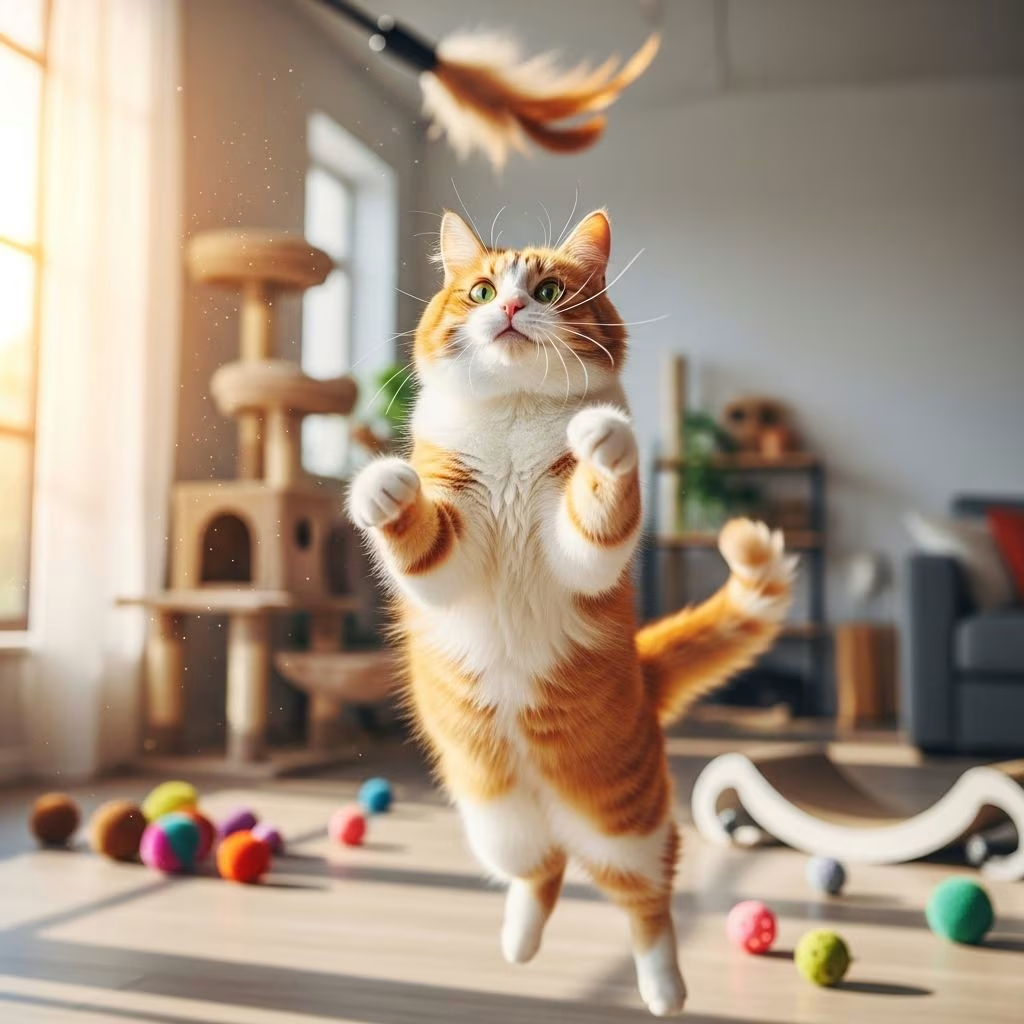
Yes, You Can Make Your Cat Exercise: A Complete Guide to Feline Fitness
Many cat owners believe that their feline companions are naturally sedentary creatures content to lounge in sunbeams all day. However, this misconception couldn’t be further from the truth. Cats are intelligent, athletic animals with a natural drive to hunt, climb, and explore. The challenge isn’t whether cats can exercise—it’s finding the right methods to motivate them. With proper encouragement, the right tools, and a little creativity, you can successfully increase your cat’s activity levels and improve their overall health and wellbeing.
Regular exercise is crucial for maintaining a healthy weight, preventing behavioral problems, reducing stress, and keeping your cat mentally stimulated. Whether your cat is a kitten bursting with energy or a senior cat who needs gentle motivation, there are numerous ways to encourage movement and play throughout the day.
Understanding Your Cat’s Exercise Needs
Before diving into specific exercises, it’s important to understand how much activity your cat actually needs. Cats require around 30 minutes of moderate-intensity exercise daily, though this varies significantly based on age, breed, health status, and individual personality. Young kittens and energetic adult cats may need more activity, while senior cats require gentler, low-impact exercises.
The key is to spread exercise throughout the day in multiple short sessions rather than one long play period. Most experts recommend starting with 3-5 minute play sessions and gradually building up as your cat’s stamina improves. This approach keeps your cat engaged without causing fatigue or frustration.
Interactive Play: The Foundation of Cat Exercise
Chasing Laser Pointers
One of the most effective and simple ways to get your cat moving is with a laser pointer. These small devices project a moving red dot that triggers your cat’s hunting instincts, encouraging them to chase and pounce. The unpredictable movement patterns keep cats mentally engaged while providing excellent cardio exercise. However, always end laser play sessions with a physical toy your cat can actually catch, providing a sense of accomplishment rather than endless frustration.
Feathered Wands and Prey-Like Toys
Interactive wand toys with feathers or strings are exceptional for mimicking natural prey movement. By slowly dragging these toys across the floor, around furniture, or through the air, you encourage your cat to stalk, pounce, and chase—behaviors that mirror their natural hunting patterns. These toys provide excellent opportunities for bonding while delivering significant physical activity.
Playing Catch
Yes, cats can learn to play catch! Start with a lightweight ball or plush toy, tossing it gently and saying “Catch!” When your cat shows interest or moves toward the toy, offer praise and a small treat. Gradually, only reward them when they make contact with the ball, and eventually when they actually catch it. This builds both physical coordination and confidence.
Climbing and Vertical Exercise
Cat Towers and Trees
Climbing is one of the most natural and beneficial exercises for cats. Multi-level cat towers provide vertical spaces where your cat can jump, climb, and perch. These structures tone muscles, build strength, and offer mental stimulation as cats survey their territory from elevated positions. Place toys or treats at different levels to encourage exploration and movement throughout the tower.
Wall-Mounted Shelves and Ramps
Creating a climbing path using wall-mounted shelves, ramps, or even strategically placed furniture transforms your home into an obstacle course. Place these elevated surfaces near windows, beds, and other areas your cat frequents. This encourages natural climbing behavior while making your environment more engaging and enriching for your pet.
Scratching Posts and Digging Surfaces
Scratching posts serve double duty—they satisfy your cat’s natural scratching instinct while providing excellent exercise. Scratching posts covered in tightly woven natural fiber allow your cat to tone their back, shoulders, and core muscles as they dig in with their claws. Multiple scratching posts placed throughout your home encourage movement between different areas.
Outdoor and Advanced Exercise Options
Leash Training and Outdoor Walks
One of the most surprising ways to exercise your cat is leash training. With patience and the right equipment, cats can learn to walk on a leash and harness just like dogs. Start by letting your kitten wear a soft, well-fitted harness for a week without the leash. Then attach the leash and allow them to drag it around the house. Once comfortable, pick up the leash with gentle, minimal tension. Practice in safe, quiet areas before venturing to busier locations.
Outdoor walks provide mental stimulation, exposure to new environments, and excellent physical activity. Always use a harness rather than a collar—never attach a leash directly to a cat’s collar, as this can cause injury. Supervise outdoor walks carefully and be prepared to quickly remove your cat from potential dangers.
Swimming (Yes, Really!)
Contrary to popular belief, many cats can be taught to swim, and swimming provides exceptional exercise with minimal joint strain. This is particularly beneficial for overweight cats or those with joint problems, as water supports body weight while allowing full-range movement. If you’re interested in teaching your cat to swim, work with a professional trainer and introduce water gradually in a controlled environment.
Agility Training
Agility courses aren’t just for dogs—cats can excel at them too! These courses challenge your cat both physically and mentally with ramps, steps, poles, tunnels, hoops, and bars to jump over. Start by creating a simple DIY course in your home using household items. Use toys or treats to lure your cat through and over various obstacles. As your cat becomes more confident, make the course increasingly challenging. Some enthusiastic cats even participate in formal agility competitions.
Mental Stimulation and Puzzle Activities
Puzzle Feeders and Toys
Mental exercise is just as important as physical activity for cat health. Puzzle feeders and interactive toys provide both mental stimulation and physical engagement. These devices require your cat to work for their food, encouraging problem-solving skills and keeping them entertained for extended periods.
Sniffing and Scent Games
Cats have excellent senses of smell, and scent-based games provide mental enrichment while encouraging movement. Hide catnip, treats, or toys around your home and encourage your cat to sniff them out. This activity taps into your cat’s natural foraging instincts and keeps them mentally engaged.
Environmental Enrichment
Beyond structured play, creating an enriched environment encourages natural movement and exploration. Provide various perches at different heights, rotate toys regularly to maintain novelty, and create spaces where your cat can safely watch birds or outdoor activity through windows. Window perches encourage your cat to jump and climb while providing mental stimulation.
Exercise Plans for Different Life Stages
Young and Adult Cats
Young and adult cats have the most energy and capacity for exercise. Aim for 20-30 minutes of active play spread across multiple sessions throughout the day. Use high-energy games, interactive toys, and challenging activities. These cats benefit from varied exercise routines that prevent boredom and keep them physically challenged.
Senior Cats
As cats age, their exercise needs change. Senior cats benefit from around 10-15 minutes of gentle interactive play once or twice daily. Focus on low-impact exercises that maintain joint health and flexibility. Gentle play with feathered toys, slow-paced laser pointer sessions, and easy access to mildly elevated surfaces are ideal for aging cats. Always consult your veterinarian about appropriate exercise levels for your senior cat.
Overweight Cats
Overweight cats require specific exercise approaches to safely build fitness. Start with short, low-impact activities and gradually increase duration and intensity. Climbing opportunities, gentle interactive play, and activities like leash training or treadmill use (under supervision) can help overweight cats lose weight and build strength. Always work with your veterinarian to create an exercise plan appropriate for your cat’s health status.
Advanced Exercise Equipment and Tools
Treadmills and Exercise Wheels
Some cats can be trained to use treadmills or exercise wheels, though this requires patience and should always be supervised. Starting young with energetic cats is easiest, and cats can run up to 30 miles per hour. Begin at very slow speeds and gradually increase as your cat becomes comfortable. These tools provide excellent cardio exercise when used properly.
Skateboarding
For the most athletic and adventurous cats, skateboarding offers a unique exercise challenge. Start on a carpeted surface, allowing your cat to get comfortable with the board. Once confident, have them perform simple tricks like sitting on the deck, gradually working up to gentle, controlled pushes on harder surfaces. This advanced activity builds confidence and physical coordination.
Tips for Success
Start Slowly: If your cat isn’t accustomed to exercise, begin with short 3-5 minute play sessions and gradually increase duration. Build stamina gradually to prevent overwhelm or injury.
Know Your Cat’s Preferences: Every cat is unique. Some love laser pointers, while others prefer feathered wands. Observe what captures your cat’s interest and tailor activities accordingly.
Use Household Items: You don’t need expensive pet store toys. Cardboard boxes, paper bags, string, and household objects can all encourage play and movement.
Create Multiple Exercise Options: Provide various toys, climbing structures, and activity stations throughout your home. This encourages natural movement and exploration throughout the day.
Stay Consistent: Regular daily exercise is more effective than sporadic intense sessions. Develop a routine that works for your schedule and stick with it.
Monitor Progress: Watch for improvements in your cat’s weight, energy levels, and behavior. Adjust exercise routines based on your cat’s response and fitness level.
Frequently Asked Questions
Q: How much exercise does my cat need daily?
A: Most cats need around 30 minutes of moderate-intensity exercise daily, though this varies by age, breed, and health status. Spread this activity across multiple 3-5 minute play sessions throughout the day.
Q: Can indoor cats get enough exercise?
A: Yes, indoor cats can get sufficient exercise through interactive play, climbing structures, puzzle toys, and other indoor activities. The key is providing varied, engaging options throughout the day.
Q: Is it safe to train a cat to walk on a leash?
A: Yes, with proper equipment and patience. Use a well-fitted soft harness (never a collar), start indoors, and gradually progress to outdoor environments. Always supervise outdoor walks.
Q: What should I do if my cat shows no interest in exercise?
A: Try different types of activities and toys to find what motivates your cat. Some cats prefer hunting games, while others like climbing. Consult your veterinarian if your cat seems lethargic or unwell.
Q: Can overweight cats exercise safely?
A: Yes, but start slowly with low-impact activities. Consult your veterinarian before beginning an exercise program for an overweight cat to ensure it’s appropriate for their health status.
Q: Should I exercise my senior cat?
A: Yes, senior cats benefit from gentle, low-impact exercise to maintain flexibility and joint health. Focus on shorter sessions of 10-15 minutes and avoid strenuous activities that might stress aging joints.
References
- 5 Tips for Cat Fitness — Purina US. https://www.purina.com/articles/cat/behavior/play/5-tips-for-cat-fitness
- Exercising Your Indoor Cat — Atlanta Humane Society. https://atlantahumane.org/blog/exercising-your-indoor-cat/
- The Ultimate Cat Exercise Guide — ManyPets. https://manypets.com/us/blog/cat-exercise-guide/
- 25 Activities and Games for Cats To Try in 2025 — Chewy Education. https://www.chewy.com/education/cat/training-and-behavior/health-pet-fitness-20-ways-to-exercise-your-cat
- Exercising Your Cat for Weight Loss — VCA Animal Hospitals. https://vcahospitals.com/know-your-pet/exercising-your-cat-for-weight-loss
- 10 Cat Exercises Your Pet Will Enjoy — Yadi’s Yummies. https://www.yadisyummies.com/blog/10-cat-exercises-your-pet-will-enjoy/



