

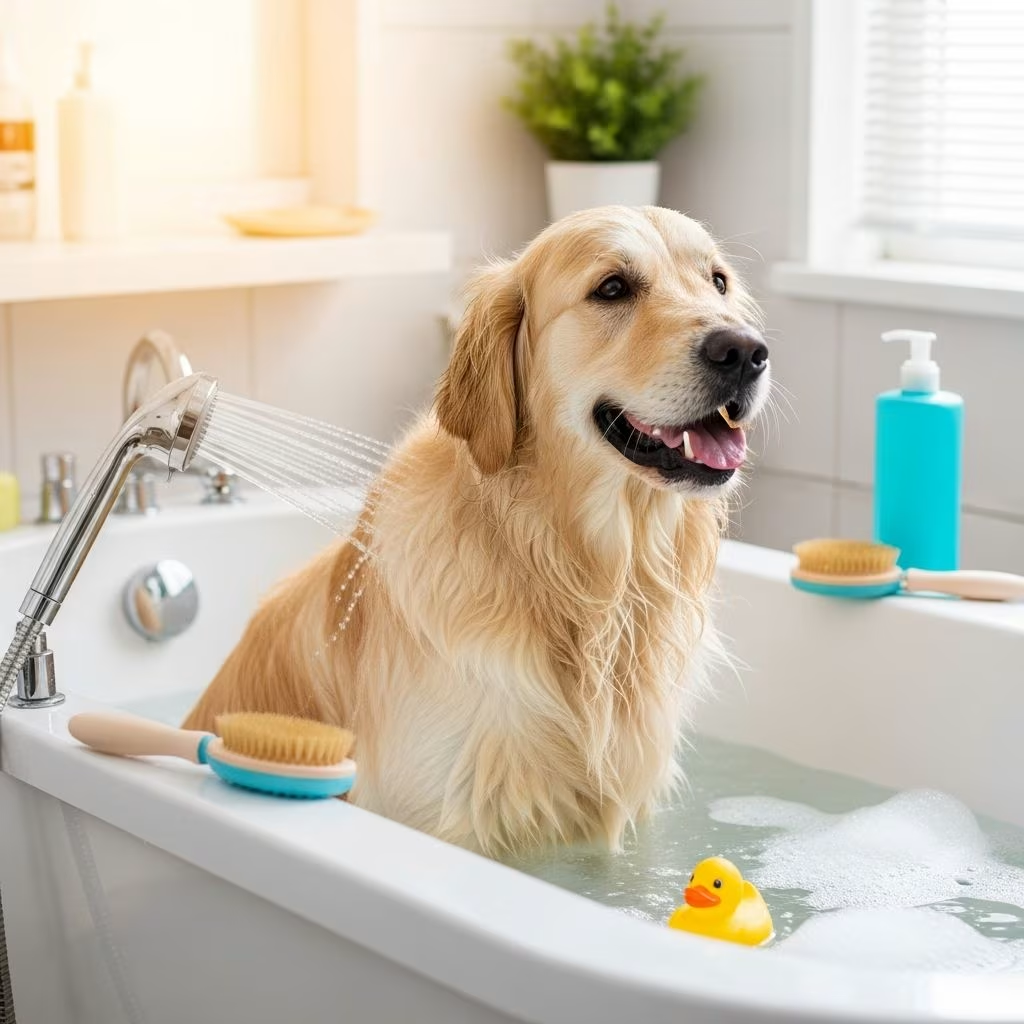
For many dog owners, bathtime represents one of the most challenging moments in pet care. While humans often find a warm bath to be a relaxing escape from daily stress, dogs typically view the experience quite differently. The sensations of water, confinement, and the invasion of their personal space can create significant anxiety for canine companions. Understanding your dog’s perspective on bathing is the first step toward transforming this necessary grooming activity into a manageable—and even positive—experience for both you and your pup.
Dog behavior experts recognize that bathtime stress stems from the dog’s lack of control and choice in the situation. As one expert notes, the experience can feel invasive and restrictive to dogs, especially when owners rush through the process. The good news is that with dedication, patience, and the right strategies, you can dramatically reduce your dog’s bathing anxiety and make the experience substantially more pleasant. Here are eight comprehensive strategies to achieve a calmer, more stress-free bathtime for your beloved pet.
1. Prepare Extensively Before Bathtime
True preparation for stress-free bathtime begins long before you turn on the water. A successful bathing experience doesn’t happen overnight; it requires teaching your dog individual behaviors that, when combined, create a smooth and enjoyable process. Start by teaching your dog fundamental skills that will serve as building blocks for a positive bathing experience.
The first crucial behavior to teach is the ability to jump in and out of the tub independently. This teaches your dog that they have some agency and control in the situation. Begin by placing treats in an empty tub and allowing your dog to explore at their own pace. Gradually encourage them to climb in and out multiple times, always rewarding success with praise and treats.
Next, work on teaching your dog to remain still while water is running, even if it doesn’t touch them yet. Practice this in short sessions, starting with just the sound of running water before any actual water contact. This gradual desensitization helps your dog become accustomed to the sounds and sensations associated with bathing without the overwhelming experience of being soaked. Breaking down the bathing process into manageable components makes the overall experience far less intimidating.
2. Create Positive Associations with the Bathtub
One of the most effective strategies for reducing bathtime stress involves establishing positive connections between your dog and the bathtub itself. Many dogs develop negative associations with the tub because they only experience it during bathing sessions, which they find stressful or uncomfortable. Reversing this association requires intentional effort and consistency.
Occasionally feed your dog meals directly in the bathtub, especially on the morning of the scheduled bath. This repeated positive experience helps your dog view the tub not as a scary, constraining space but as a place where good things happen. Start by feeding them treats off the bathtub ledge during several sessions. Then progress to placing your dog in the empty tub and feeding them treats while they’re standing there, always ending the session when your dog is calm and happy, not when they’re struggling.
This approach capitalizes on the principle of positive association, where repeated pleasant experiences in a location create favorable emotional responses. Over time, your dog will begin to anticipate positive experiences when they enter the bathtub, rather than bracing for an unpleasant ordeal. The transformation may take weeks or even months, but the investment in building these positive associations pays substantial dividends when bathtime finally arrives.
3. Give Your Dog Adequate Exercise Before the Bath
The timing and duration of exercise before bathing plays a critical role in your dog’s stress levels during the actual bath. Research from veterinary behavior studies indicates that 15 to 20 minutes of exercise before grooming can significantly reduce anxiety in dogs. More importantly, you must block off substantial time on the day of the bath—potentially the better part of an entire evening—to ensure a genuinely stress-free experience.
This extended time commitment includes approximately an hour dedicated to the bathtime process itself. One of the biggest problems dog owners encounter is rushing their dogs through bathing, wanting them to “hurry up, get in, and get out.” This rushed mentality directly contradicts what dogs need to feel calm and secure. When you proceed at your dog’s pace rather than your own convenience schedule, you provide them with the psychological security necessary to overcome bath-related fears.
Before the bath, take your dog for a good walk to burn off excess energy. A tired dog is inherently calmer and more relaxed than an anxious, energetic one. However, be mindful that exercise should genuinely calm your dog rather than stress them further. Some dogs become more anxious after vigorous activity, so adjust the intensity based on your individual dog’s personality and typical response to exercise. The goal is to achieve a state of pleasant tiredness that facilitates cooperation during bathing.
4. Reward Your Dog Generously During the Bath
During the actual bathing process, positive reinforcement becomes your most powerful tool for managing stress and building cooperation. Be extraordinarily generous with high-value dog treats—items your dog truly loves and doesn’t receive during ordinary days. Examples include small pieces of boiled chicken, a small smear of peanut butter, or specialized high-value training treats.
Every time your dog does something well—sitting still during shampooing, allowing you to wet their legs, tolerating water near their face—immediately reward them with a treat and enthusiastic praise. This consistent reinforcement helps your dog understand that cooperation during bathtime results in positive consequences. The treats serve as both immediate motivation and psychological anchors that create positive associations with previously anxiety-inducing activities.
One particularly effective trick involves smearing a small amount of peanut butter on the wall of the tub in front of your dog. This keeps your dog’s attention focused and stationary while you work, and the pleasant taste provides both distraction and reward simultaneously. The mental engagement of licking peanut butter often helps anxious dogs feel calmer and more focused during the bathing process. Always be mindful to use treat-based rewards thoughtfully throughout the bath, maintaining steady positive reinforcement rather than sporadic rewards.
5. Establish a Gradual Water Introduction Process
Many dogs benefit from a phased approach to water contact that gradually builds tolerance and reduces the shock of sudden immersion. In the initial phase, your dog should become comfortable standing in the empty tub and eating treats without any water involvement whatsoever. Once this feels easy and stress-free, progress to turning on the water while keeping it completely away from your dog’s body.
In subsequent sessions, use a hose attachment to allow water to barely touch your dog’s toes while continuing to provide generous treats and praise. Only progress to the next level—wetting the legs and rib cage—after your dog demonstrates comfort and acceptance at the previous stage. This methodical progression prevents the overwhelming sensation of sudden water immersion and allows your dog’s nervous system to gradually acclimate to each new sensation.
Continue being abundant with treats and praise as you progress through each phase. Eventually, you’ll be able to wet your dog’s entire body while carefully avoiding their face and ear canals. This gradual approach respects your dog’s emotional capacity and creates a much more manageable experience than shock-immersion bathing techniques.
6. Provide Physical Security and Footing
A often-overlooked factor in bathtime anxiety involves the physical sensation of standing on a slippery surface. Nothing amplifies stress in dogs quite like the sensation of their feet sliding out from under them. When dogs lose their footing in a bathtub, it creates additional anxiety and makes them feel more vulnerable and uncontrolled. Address this concern by placing a non-slip mat or towel in the bottom of the tub to provide secure traction.
Research demonstrates that 89% of dogs show significantly reduced anxiety when they have secure footing in the bathing environment. The psychological impact of feeling stable and secure extends far beyond simple comfort—it fundamentally changes your dog’s emotional state during bathing. When dogs feel they have solid ground beneath their feet and won’t slip, they experience a crucial sense of control and security.
Additionally, consider filling the tub with warm water before placing your dog inside rather than running water while your dog is already in the tub. The sound of rushing water from overhead can startle anxious dogs, while a pre-filled tub eliminates this auditory stimulus. If your dog is sensitive to water sounds, this simple adjustment can make a remarkable difference in their overall stress response.
7. Use Gentle Handling and Calming Techniques
Throughout the bathing process, your tone of voice, handling methods, and overall demeanor significantly influence your dog’s emotional state. Maintain a calm, positive, and soothing voice throughout the bath, even if your dog is not cooperating perfectly. Dogs are extraordinarily perceptive and will immediately sense frustration, impatience, or anger in your voice and body language. Once a dog learns that you’re angry or frustrated during bathtime, they quickly learn to dread bath day intensely.
Handle your dog gently and deliberately, avoiding sudden movements or rough handling that could startle them. When it comes to washing your dog’s head and face—areas of particular concern for most dogs—use a wet washcloth instead of pouring water directly over their head. This provides greater control and reduces the startling sensation of water cascading over their face. If soapy water does get in their eyes, rinse gently with saline solution rather than plain water.
The washing experience itself should feel massage-like, relaxed, and gentle. Take your time with each section of your dog’s body, using slow, deliberate movements that feel soothing rather than clinical. Consider using gentle handling methods that professional groomers recommend, focusing on movements that calm rather than agitate. For very anxious dogs, some owners report success with pheromone products like anxiety-reducing collars or plug-ins that release calming scents dogs associate with maternal comfort.
8. Maintain Positive Reinforcement After the Bath
The conclusion of bathtime is just as important as the preparation and process itself. How you end the bathing experience directly influences how your dog perceives the entire event and their willingness to cooperate during future baths. Provide special, delectable treats immediately after the bath—items so desirable that your dog begins associating their bath with that particular pleasurable reward.
Beyond treats, engage in a special activity that’s reserved specifically for post-bath time. This might include playing with a favorite toy, a special game like towel tug-of-war, or engaging in an activity your dog particularly enjoys. By creating a distinctive post-bath ritual that your dog looks forward to, you reinforce the entire bathing experience as leading to positive outcomes.
Continue offering praise and cuddles during the drying process, making this often-overlooked phase part of your overall stress-reduction strategy. Some dogs respond well to being wrapped in warm towels and getting gentle, attentive care during the drying phase. This extended positive reinforcement reinforces that the entire bathing process—from preparation through drying—culminates in love, attention, and reward.
Important Considerations and Professional Help
While these strategies prove effective for most dogs, some canines experience genuine anxiety that may require additional support. If your dog displays signs of extreme stress during bathing despite your best efforts, consider consulting with a veterinarian about calming supplements or anti-anxiety medications administered a few days before the scheduled bath. Professional dog training focused on anxiety may also prove beneficial for dogs with particularly severe bathing phobias.
Remember that building a calm bathing experience represents an investment in your dog’s long-term wellbeing. Regular bathing reduces allergies for both you and your dog, treats skin infections effectively, addresses odor concerns, and reduces the scratching and discomfort associated with skin issues. The time and effort you invest in making bathtime pleasant pays dividends in improved grooming compliance and your dog’s overall comfort and trust.
Frequently Asked Questions About Dog Bathing
Q: How often should I bathe my dog?
A: Bathing frequency depends on your dog’s breed, coat type, and skin condition. Most dogs benefit from bathing every 4-12 weeks, though some may require more frequent baths if they have skin conditions or spend significant time outdoors. Consult your veterinarian about the appropriate bathing schedule for your specific dog.
Q: What water temperature is best for dog bathing?
A: Lukewarm water is ideal for dog bathing. Water that’s too hot can burn your dog’s sensitive skin and increase stress, while water that’s too cold may cause shivering and discomfort. Test the water temperature with your elbow—if it feels comfortably warm to you, it should be appropriate for your dog.
Q: Can I use human shampoo on my dog?
A: No, human shampoo should never be used on dogs. Dogs have different skin pH levels than humans, and human shampoo can disrupt their skin’s natural protective barrier, causing irritation and dryness. Always use a dog-specific shampoo formulated for their particular coat type and skin condition.
Q: What should I do if my dog absolutely refuses to enter the bathtub?
A: If your dog has extreme resistance, consider enlisting professional help from a certified dog trainer or groomer. Additionally, try bathing your dog in a different location if possible, use a shower instead of a tub, or consider professional grooming services. Forcing a terrified dog into a bathing situation often worsens anxiety, so moving slowly and seeking professional guidance is often the best approach.
Q: Are there alternatives to traditional bathing?
A: Yes, dry shampoos and bathing wipes designed for dogs can provide some benefits without water immersion. However, these shouldn’t completely replace regular baths, which are important for thorough cleaning and skin health. They may serve as interim solutions while you work on reducing your dog’s bathing anxiety.
Q: How long does it take to help a dog overcome bathing anxiety?
A: Timeline varies significantly between individual dogs. Some dogs may show improvement within a few weeks, while others require months of consistent, patient work. The key is maintaining consistency and never rushing the process. Each dog progresses at their own pace, and honoring that timeline prevents setbacks in progress.
References
- DIY Dog Bathing: Tips for a Stress-Free Experience — Paws in the Bath. Accessed 2025-11-28. https://www.pawsinthebath.com/diy-dog-bathing-tips-for-a-stress-free-experience
- Creating a Calmer Experience: Low-Stress Handling Techniques for Pets — Santa Monica Vet. Accessed 2025-11-28. https://santamonicavet.com/creating-a-calmer-experience-low-stress-handling-techniques-for-pets/
- Tips & Tricks to Make Dog Bath Time Less Stressful — Orvis News. Accessed 2025-11-28. https://news.orvis.com/dogs/tips-tricks-make-dog-bath-time-less-stressful
- How to Bathe a Dog That Hates Baths — AKC Pet Insurance. Accessed 2025-11-28. https://www.akcpetinsurance.com/blog/how-to-curb-bath-time-fear
- 6 Dog Bathing Tips — Veterinary Formula. Accessed 2025-11-28. https://www.veterinaryformula.com/blogs/news/6-dog-bathing-tips



