

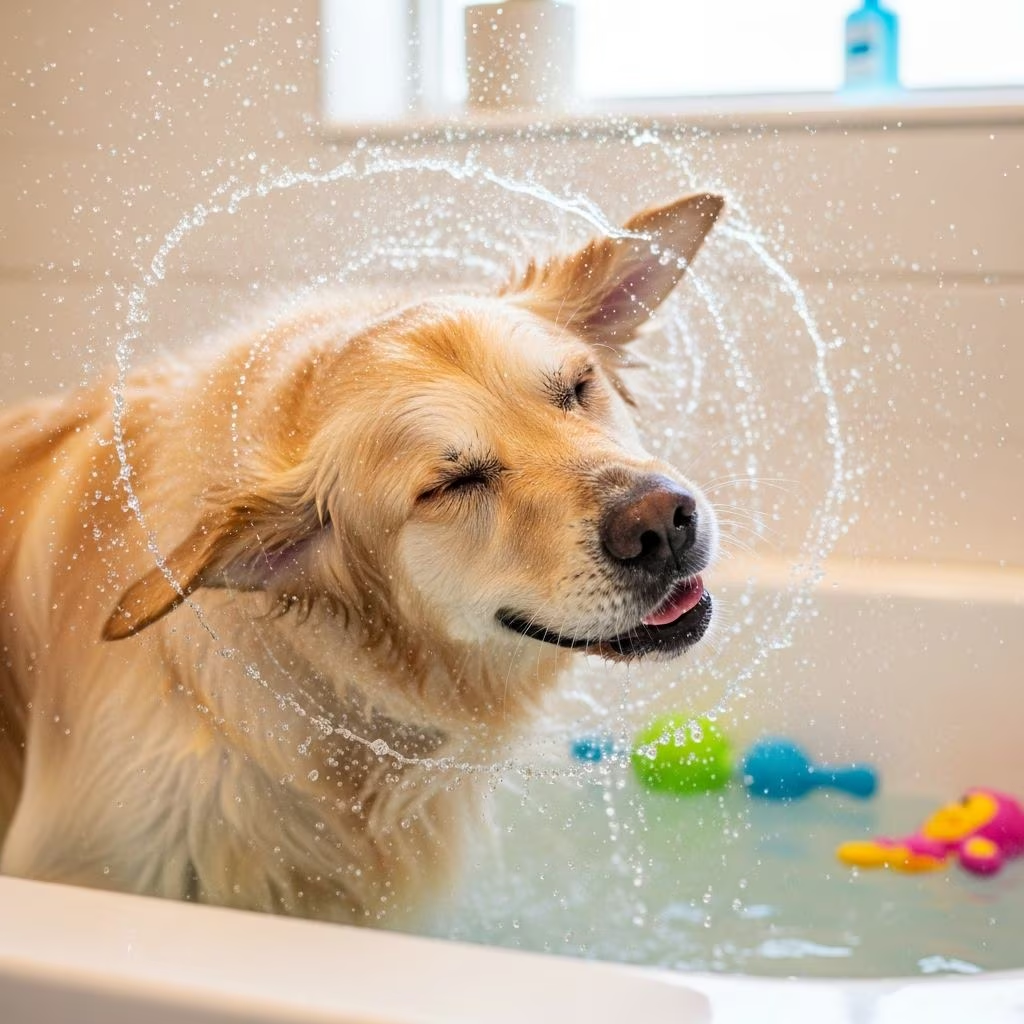
Make Bath Time Fun for Your Dog: Transform Grooming into a Positive Experience
Bath time can be one of the most challenging aspects of dog ownership. Many dog owners dread it just as much as their furry companions do, creating a stressful experience for both parties. However, with the right approach and preparation, bath time can become an enjoyable bonding activity rather than a dreaded chore. The key lies in understanding your dog’s perspective and taking deliberate steps to create positive associations with the bathing process.
Dogs often resist baths because they feel a lack of control over the situation. As one grooming expert notes, “There’s not much choice there for the dog. Choice empowers them and makes them feel in control.” By implementing thoughtful strategies and giving your dog agency in the process, you can significantly reduce anxiety and make bath time something your dog actually looks forward to.
Creating Positive Associations with the Bathtub
One of the most effective ways to transform your dog’s relationship with bath time is to create positive associations with the bathtub itself. Dogs are creatures of habit and memory, so what they associate with a particular space greatly influences their behavior in that space.
Feed Your Dog in the Bathtub
A surprisingly simple yet highly effective technique is to feed your dog in the bathtub on regular occasions. This might seem counterintuitive, but it fundamentally changes how your dog perceives that space. Instead of viewing the bathtub as a place where scary things happen, your dog begins to associate it with positive experiences and rewards.
Make this a regular practice, particularly on the morning of a scheduled bath. By feeding your dog in the bathtub multiple times before actual bath day, you’re rewiring her brain to enjoy that location. The more positive experiences she has in the bathtub, the less threatening it will seem when water is introduced. This simple strategy can dramatically reduce resistance and anxiety when it’s time for the actual bath.
Preparing Your Dog Before Bath Time
Successful bath time isn’t just about what happens in the tub—it’s equally about what you do before the bath begins. Proper preparation sets the stage for a calm, cooperative dog.
Exercise Your Dog Before the Bath
One of the most common mistakes dog owners make during bath time is rushing the process. Dogs can sense your urgency and hurry, which increases their anxiety. To combat this, you need to allocate substantial time for the entire bath experience. Plan to block off the better part of an evening, including about an hour specifically for the bathing process.
Before this dedicated bath time, give your dog a thorough exercise session. Taking your dog for a long walk or engaging in active play helps expend excess energy. A tired dog is a calmer dog, and this pre-bath exercise serves as the foundation for a more cooperative bathing experience. However, it’s important to choose activities that naturally calm your dog rather than those that might stress her out further.
The logic behind this approach mirrors how humans overcome fears. When you’re already calm and relaxed, you’re better equipped to face something that makes you anxious. The same principle applies to dogs. A dog who has recently exercised and burned off excess energy is in a more receptive state of mind for the vulnerable experience of bathing.
Allow Ample Time for the Bath Itself
Patience is paramount during bath time. Rushing your dog through the process creates stress and teaches her that bath time is an unpleasant experience to be endured. Instead, approach bath time at your dog’s pace. This may mean taking longer than you’d ideally like, but the long-term benefit of having a dog who doesn’t resist baths is well worth the investment of time.
This measured approach allows your dog to adjust to each new sensation gradually. Rather than being bombarded with water, soap, and handling all at once, your dog experiences these elements sequentially, giving her brain time to process and adapt to each change.
Sandwiching Bath Time with Positive Activities
Creating a positive framework around bath time helps your dog view the entire experience as part of a larger, enjoyable sequence of events rather than an isolated unpleasant occurrence.
Play After the Bath
Just as pre-bath exercise sets a positive tone, post-bath play reinforces that good things follow bath time. After your dog has dried off completely, spend dedicated time playing with her. This could involve fetch, tug-of-war, games, or simply engaging in her favorite interactive activity.
This strategy creates what’s known as “sandwiching”—placing the bath time between two enjoyable bonding experiences. Your dog begins to associate bath time not as an isolated negative event, but as part of a sequence that includes fun activities both before and after. Over time, this framework can transform how your dog perceives the bathing process altogether.
Technical Aspects: Getting the Fundamentals Right
Beyond psychological preparation, the physical elements of bathing must be executed correctly to ensure your dog’s comfort and safety.
Finding the Right Water Temperature
Water temperature significantly impacts your dog’s comfort during bathing. Many owners make the mistake of using water that’s comfortable for them but too hot for their dog. Your dog’s tolerance for temperature is actually more similar to that of an infant than to an adult human.
A good rule of thumb: if the water feels too hot for you to keep your hand in comfortably, it’s definitely too hot for your dog. The ideal temperature should feel warm and pleasant but not hot. Test the temperature on your inner wrist or elbow—areas of your skin that are more sensitive—before applying it to your dog. Taking this extra precaution prevents burns and discomfort that could create lasting negative associations with bath time.
Selecting the Appropriate Shampoo
One of the most common mistakes dog owners make is using human shampoo on their dogs. This is a significant error with real consequences for your dog’s skin health. The pH of a dog’s skin is substantially different from human skin. When you use human shampoo on a dog, you can dry out and irritate their sensitive skin, potentially creating dermatological issues.
Always invest in a high-quality dog shampoo specifically formulated for canine skin. Additionally, make sure you have your chosen shampoo within arm’s reach before you start the bath. Running away to retrieve shampoo mid-bath can cause your dog to attempt to follow you, resulting in water all over your bathroom floor and increased anxiety for your dog.
Practical Bath Time Setup and Execution
Proper setup and execution of the actual bathing process matter significantly to the overall experience.
Prepare Your Space and Gather Supplies
Before bringing your dog into the bathroom, ensure you have all necessary supplies readily accessible:
– Dog shampoo and conditioner (if using)
– Multiple towels for drying
– Washcloths for gentle face cleaning
– Cotton balls (to prevent water from entering ears)
– Saline solution (for eye safety if needed)
– Pitcher or spray attachment for rinsing
– Non-slip mat for traction
Having everything prepared before your dog enters the bathroom prevents interruptions that could increase anxiety and create opportunities for escapes or accidents.
Control the Bath Environment
The bathroom itself should be calm and controlled. Close the door to prevent your dog from attempting escape. Use warm, comfortably circulating air if possible—a cold bathroom adds another stressor. Some owners find it helpful to play soft music or keep the bathroom relatively quiet to create a calming atmosphere.
Understanding Your Dog’s Individual Needs
Not all dogs are the same, and different factors influence how often your dog needs bathing and what specific techniques might work best.
Bathing Frequency Based on Lifestyle
Active dogs who spend considerable time outdoors and engage in activities like swimming or rolling in mud require more frequent bathing than sedentary indoor dogs. Very active dogs may benefit from bathing at least once every two weeks. Conversely, dogs who primarily stay indoors and don’t get visibly dirty may need baths only a few times per year.
The general guideline suggests most dogs fare well with a bath approximately once a month, but this varies considerably based on individual circumstances. If your dog has a particularly pungent odor or visibly soiled coat, they need a bath regardless of the schedule.
Coat Type Considerations
Your dog’s coat type influences bathing frequency and technique. Dogs with medium to long coats typically need bathing every four to six weeks. Short-coated dogs can often go longer between baths, perhaps every one to three months. Dogs with thick double coats, like Huskies and Golden Retrievers, generally need bathing every one to three months.
Regardless of coat type, always brush your dog thoroughly before bathing and remove any mats or tangles. Wet mats are particularly difficult to manage and can cause discomfort when they tighten during drying.
Winter Bathing Considerations
Many dog owners hesitate to bathe their dogs during winter months, but bathing during colder seasons is perfectly acceptable with proper precautions. A clean, well-conditioned coat is actually less prone to matting than a dirty one.
When bathing during winter, use comfortably warm water and ensure your dog is thoroughly dried afterward. A damp coat in cold weather can lead to discomfort and potential health issues. Consider bathing your dog during warmer parts of the day and ensuring your drying area is warm and comfortable.
Special Considerations for Puppies
Puppies have different bathing needs than adult dogs. Most puppies should be bathed only when necessary—such as when they get genuinely dirty or develop an odor. Puppies have more delicate skin and developing coats, so frequent bathing can be counterproductive.
If you must bathe a puppy, use especially gentle techniques and lukewarm water. Many puppies can be bathed comfortably in a kitchen sink using a dish-spray hose, which provides better control and causes less stress than a full bathtub. Place your puppy on a rubber mat to prevent slipping and ensure safety throughout the process.
The Power of Patience and Consistency
Transforming bath time from a stressful ordeal to a pleasant experience takes time and consistency. You won’t see dramatic changes after a single bath, but over weeks and months of employing these strategies, your dog’s attitude toward bathing will gradually shift.
The payoff is substantial: water stays in the tub rather than splashed everywhere, your dog remains calm throughout the process, and both you and your pup actually enjoy the experience. As professional groomers emphasize, “Nourished skin and fur makes for a happy pet and a happy owner.” By investing effort into making bath time positive, you’re not just cleaning your dog—you’re building trust, maintaining her health, and strengthening your bond.
Frequently Asked Questions About Dog Bath Time
Q: How can I get my dog to stop being afraid of the bathtub?
A: Start by feeding your dog in the bathtub on regular occasions to create positive associations. Exercise your dog before bath time, allow ample time for the process, and avoid rushing. Consistency with these techniques over several weeks will gradually reduce fear and anxiety.
Q: What temperature should bath water be for dogs?
A: Bath water should be warm and comfortable but not hot. If the water feels too hot for you to keep your hand in comfortably, it’s too hot for your dog. A dog’s temperature tolerance is similar to that of a human infant, not an adult.
Q: Why is dog shampoo necessary—can’t I just use human shampoo?
A: No. Human shampoo has a different pH balance than dog shampoo and can dry out and irritate your dog’s skin. Always use a high-quality dog shampoo specifically formulated for canine skin to prevent dermatological issues.
Q: How often should I bathe my dog?
A: Most dogs benefit from bathing approximately once a month, but this varies based on activity level, coat type, and skin condition. Very active dogs may need bathing every two weeks, while sedentary indoor dogs might only need a few baths per year.
Q: Is it okay to bathe my dog during winter?
A: Yes, bathing dogs during winter is fine. Use comfortably warm water, and ensure your dog is thoroughly dried afterward. A clean, well-conditioned coat is actually less prone to matting than a dirty one, even in cold months.
Q: What should I do after bath time to reinforce positive associations?
A: Spend dedicated time playing with your dog after she dries off. This post-bath play reinforces that good things follow bath time and creates a positive framework around the entire bathing experience.
References
- 8 Ways to Make Your Dog’s Bathtime Less Stressful — Chewy. 2025. https://www.chewy.com/education/dog/grooming/health-grooming-8-ways-to-make-your-dogs-bathtime-less-stressful
- How Often Should You Bathe Your Dog? — Chewy. 2025. https://www.chewy.com/education/dog/grooming/how-often-should-you-bathe-your-dog
- Tips for Grooming Your Dog During the Winter — Chewy. 2025. https://www.chewy.com/education/dog/grooming/tips-for-grooming-your-dog-during-the-winter
- How to Bathe a Dog: Step-by-Step Tips From a Professional Groomer — Chewy. 2025. https://www.chewy.com/education/dog/grooming/how-to-bathe-a-dog-step-by-step-tips-from-a-professional-groomer
- Bathing Your German Shepherd Puppy — Chewy. 2025. https://www.chewy.com/education/dog/grooming/bathing-your-german-shepherd-puppy
- Tips for Bathing a Puppy — Chewy. 2025. https://www.chewy.com/education/dog/grooming/bathing-a-puppy-when-can-you-start-giving-your-puppy-a-bath



