

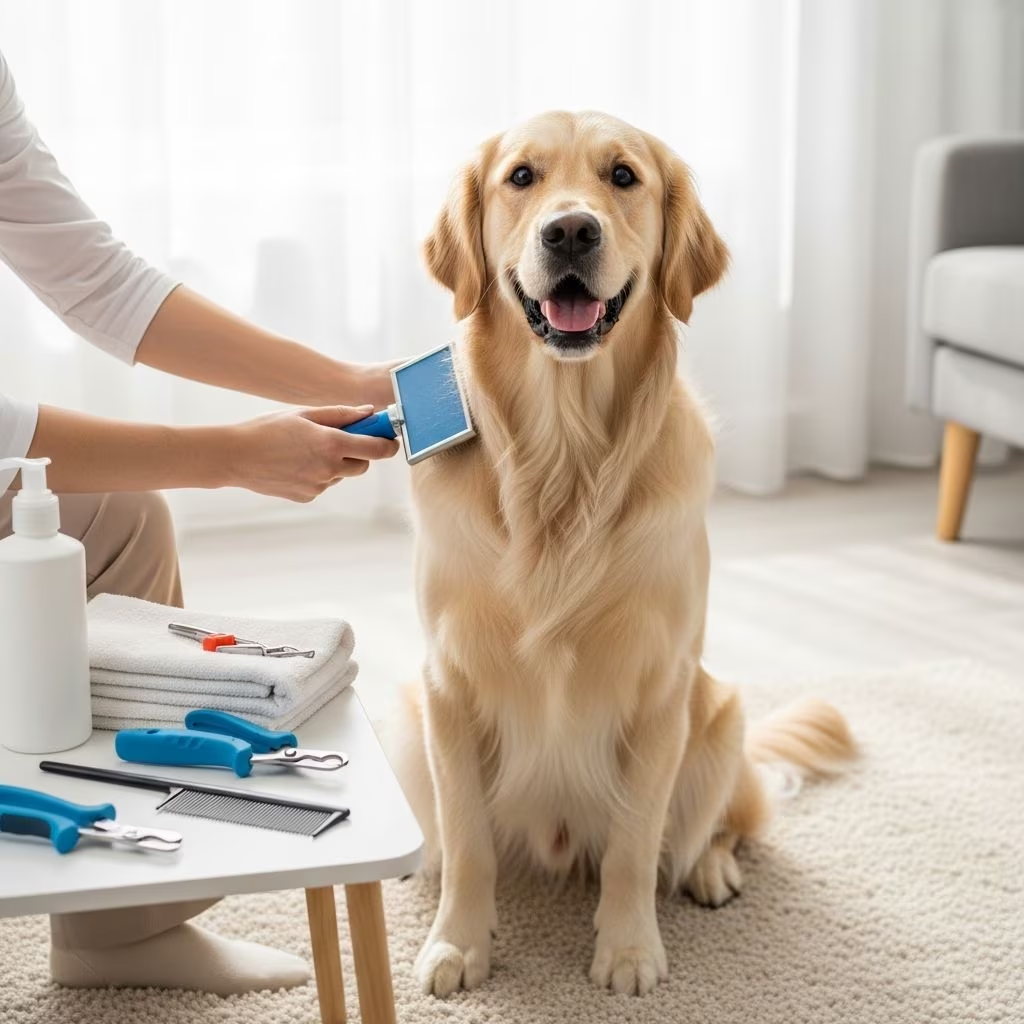
Proper grooming is one of the most important aspects of responsible pet ownership. While professional grooming services offer specialized expertise, learning to groom your dog at home can save time and money while strengthening the bond between you and your pet. Regular home maintenance grooming, combined with periodic professional visits, keeps your dog’s coat, skin, nails, and overall health in optimal condition.
Understanding Your Dog’s Coat Type and Grooming Needs
Every dog has a unique coat with specific grooming requirements based on texture, length, and density. Understanding your dog’s particular coat type is the foundation for developing an effective grooming routine that promotes health and maintains appearance.
Short and Smooth Coats
Dogs with short, smooth, or wiry coats require less intensive grooming compared to longer-haired breeds. A single weekly brushing session with a rubber-bristled brush helps distribute natural skin oils throughout the fur, keeping it healthy and shiny. These breeds typically shed regularly, and consistent brushing helps manage loose hair before it ends up on furniture and clothing.
Long and Flowing Coats
Long, silky, or curly-coated dogs demand more frequent attention to prevent matting and tangling. Daily brushing with a rubber-bristled brush followed by a steel comb prevents knots from forming and removes debris accumulated throughout the day. Without this regular maintenance, mats can form quickly, particularly behind the ears and under the legs, leading to discomfort and potential skin issues.
Double-Coated Breeds
Dogs with double coats have both an outer guard layer and a dense undercoat. These breeds benefit from weekly de-shedding sessions using an undercoat rake or specialized de-shedding tool in addition to regular brushing. This approach removes loose undercoat hair while preventing matting and allowing air circulation through the coat, which is essential for temperature regulation and skin health.
Essential Grooming Equipment and Tools
Before beginning any grooming routine, assemble the proper tools for your dog’s specific needs. Using appropriate equipment prevents injury to your dog and produces better results.
Brushing and Combing Tools
Different coat types require different brushes. Rubber-bristled brushes work well for distributing oils in short coats, while wire slicker brushes effectively remove mats and dead hair from longer coats. Steel combs help identify and work through remaining tangles after brushing. For breeds prone to heavy shedding, undercoat rakes and de-shedding tools remove loose undercoat efficiently without damaging the topcoat.
Nail Care Equipment
Trimming nails requires appropriate tools sized correctly for your dog. Guillotine-style nail clippers or scissor-style trimmers both work effectively when sharp and properly maintained. Some owners prefer rotary Dremel grinders, which sand nails smooth rather than cutting them. Keep styptic powder on hand to stop bleeding if you accidentally cut into the quick, the sensitive part of the nail containing blood vessels.
Bathing Supplies
Gather a veterinarian-approved dog shampoo formulated specifically for canine skin pH, which differs from human skin. Optional conditioner helps long-haired or dry-coated dogs. You’ll need cotton balls to protect ears from water and mineral oil to protect eyes during bathing. A microfiber towel and optional hair dryer complete the bathing setup.
Trimming Implements
Blunt-ended scissors or small clippers with guide combs safely trim hair around sensitive areas like eyes and paw pads. Number 10 blades work well for delicate areas, while number 4 blades suit overall light trimming. Dental tools and dog-specific toothpaste support oral hygiene during grooming sessions.
The Foundation: Brushing Your Dog’s Coat
Brushing forms the cornerstone of any grooming routine, offering numerous benefits beyond appearance. This simple task stimulates blood circulation, loosens and removes dandruff flakes, controls shedding, and allows you to inspect your dog’s skin for issues.
Proper Brushing Technique
Always brush all the way down to the skin, not just the surface layer. The massaging action of brushing promotes circulation and helps distribute natural oils that protect the coat. Work systematically through different body sections, paying special attention to areas prone to matting. Check carefully for burrs, twigs, and other plant material embedded in the fur. Inspect behind ears, under legs, armpits, and the tail base, where mats form most frequently.
Frequency Guidelines
Most dogs benefit from several weekly brushing sessions, though daily grooming produces superior results. Dogs with longer or curly coats may require daily attention to prevent matting. Even short-coated dogs benefit from frequent brushing to manage shedding and keep skin healthy. Establishing a regular schedule trains your dog to expect and enjoy grooming time.
Signs of Skin Issues
During brushing, watch for cuts, scrapes, unusual redness, scaling, or foul odors emanating from the skin. If you notice any concerning issues, schedule a veterinary appointment rather than attempting home treatment, as these may indicate infections or allergies requiring professional attention.
Bathing Your Dog Properly
Bathing removes accumulated dirt and loose hair while allowing thorough cleaning of the skin. Use appropriate technique and products to ensure your dog’s safety and comfort.
Pre-Bath Preparation
Before wetting your dog, brush out mats and tangles. Place cotton balls gently in the ears to prevent water entry, and apply mineral oil around the eyes to protect them from soap. Use warm water, as cold or hot water is uncomfortable and can cause stress or temperature regulation issues.
Washing Process
Start applying shampoo from the neck backward, working it into a lather while giving your dog a full-body massage. This massage feels pleasant and helps loosen dirt and dead skin cells. Rinse thoroughly with warm water, ensuring all shampoo residue is removed, as left-behind soap can cause skin irritation. If using conditioner, apply it and comb through the coat before a final rinse, particularly beneficial for long-haired dogs.
Drying and Temperature Considerations
Rub your dog vigorously with a microfiber towel, and most dogs will help with vigorous shaking to shed water. On cool or cold days, always fully dry your dog to prevent dangerous drops in body temperature. Very young, elderly, or sick dogs should always be dried completely, as they struggle to regulate temperature. Use a hair dryer on low heat if needed, keeping it moving to prevent overheating any one area.
Bathing Frequency
Use mild, dog-specific shampoo only when necessary, as frequent bathing can dry out the skin. Most dogs only need bathing monthly or every few months, depending on activity level and coat condition. Always use veterinarian-approved products formulated for dogs, never human shampoos, which can disrupt skin pH balance and cause irritation.
Maintaining Healthy Nails
Long nails cause discomfort, affect gait, and can lead to joint problems over time. Regular trimming keeps nails at appropriate length and supports proper foot function.
Acclimation Strategy
Many dogs fear nail trimmers. Introduce them gradually by trimming one nail daily and immediately following with treats and praise. Alternatively, pretend to trim without actually cutting, rewarding calm behavior. This measured approach builds positive associations and reduces anxiety around the grooming tool.
Nail Trimming Process
Begin by handling each paw and manipulating the nails without clipping. Hold clippers near a nail and squeeze as though clipping, then proceed with actual trimming. Trim all nails including dewclaws, which are located higher on the leg and often missed. Trim nails to a comfortable length, slightly longer than the paw pad if desired.
Avoiding the Quick
The quick is the sensitive blood vessel inside the nail. In light-colored nails, you can often see it as a pinkish area. Avoid cutting into the quick, as it causes pain and bleeding. If you accidentally cut the quick, don’t panic. Apply styptic powder directly to the nail end and maintain gentle pressure for 30 seconds until bleeding stops.
Nail Tool Options
Guillotine-style or scissor-style clippers work well when sharp and properly maintained. Dremel grinders sand nails smooth rather than cutting them, and some dogs tolerate this method better. Most dogs need time to acclimate to either tool, so patience during introduction is essential.
Trimming and Hygiene Details
Beyond basic grooming, attention to specific areas promotes comfort and prevents health issues.
Facial Hair Management
Using blunt-ended shears or small clippers with guide combs, carefully trim hair covering the eyes to improve vision. Hair should never obstruct sight. Work slowly and carefully around the face to prevent accidental injury.
Sanitary Trimming
Trim long hair covering private parts to maintain cleanliness and reduce soiling. Use extreme caution in sensitive areas, keeping blades far from skin. A number 10 blade works best for these delicate regions.
Paw Pad Care
Excessive hair growing between paw pads should be trimmed to be even with or slightly shorter than the pads themselves. This prevents matting and reduces the risk of debris accumulation between toes. Check pads regularly for dryness, cracks, or injuries. Use small, blunt-edge scissors or narrow clipper blades only after consulting with a groomer, breeder, or veterinary staff to ensure you understand proper technique.
Oral Health Maintenance
Incorporate tooth brushing into your grooming routine using dog-specific toothpaste and a soft brush or finger brush. Regular brushing prevents tartar buildup and reduces the risk of dental disease, which can affect overall health.
Overall Coat Trimming
For those comfortable with trimming, light overall coat maintenance helps maintain appearance between professional groomer visits. Always keep blades far from skin to prevent accidental cuts and irritation. A number 4 blade works well for light overall trims. If unsure about trimming technique, consult with a professional groomer who can demonstrate proper blade angles and pressure.
Important Safety and Health Considerations
While home grooming is rewarding, certain situations require professional attention. If you notice any injuries, sores, lacerations, or wounds while grooming, contact your veterinarian rather than attempting home treatment. Similarly, don’t attempt to express anal sacs yourself—this is better handled by a groomer or veterinarian, though your vet can train you if desired.
Always use products specifically formulated for dogs. Never apply human grooming products, as these can disrupt skin pH and cause irritation or allergic reactions. In cold or cool weather, never bathe your dog outdoors, as this creates risk of dangerous body temperature drops.
Building a Positive Grooming Routine
Before beginning any grooming, gently touch all body parts. If any area seems sore or your dog reacts with pain, schedule a veterinary checkup. If your dog seems uncomfortable with handling, remember that animals learn positive associations through repetition and praise. Be a kind, gentle leader while remaining firm about regular grooming, as consistency teaches your dog to expect and tolerate grooming sessions.
Consider accompanying your dog to a professional groomer for a lesson if you need guidance. Many groomers enthusiastically teach pet owners basic techniques and are thrilled to meet people committed to at-home maintenance between professional visits.
Combining Home Care with Professional Grooming
The most effective approach combines regular home grooming with periodic professional grooming visits. Home maintenance keeps your dog looking sharp between appointments while supporting skin and coat health. Professional groomers bring specialized expertise and access to professional-grade equipment. When you combine home grooming and hygiene with regular professional grooming visits, your dog’s coat, nails, teeth, ears, eyes, and paws remain clean, healthy, and odor-free—making everyone in the household happy.
References
- How to Groom a Dog at Home — American Kennel Club. https://www.akc.org/expert-advice/health/how-to-groom-a-dog/
- Dog Grooming Tips: How to Groom Your Pet at Home — Best Friends Animal Society. https://bestfriends.org/pet-care-resources/dog-grooming-tips-how-groom-your-pet-home
- Dog Grooming Tips — ASPCA. https://www.aspca.org/pet-care/dog-care/dog-grooming-tips
- Professional Dog Grooming: What Every Pet Owner Should Know — West Concord Animal Clinic. https://westconcordanimalclinic.net/professional-dog-grooming-benefits/



