

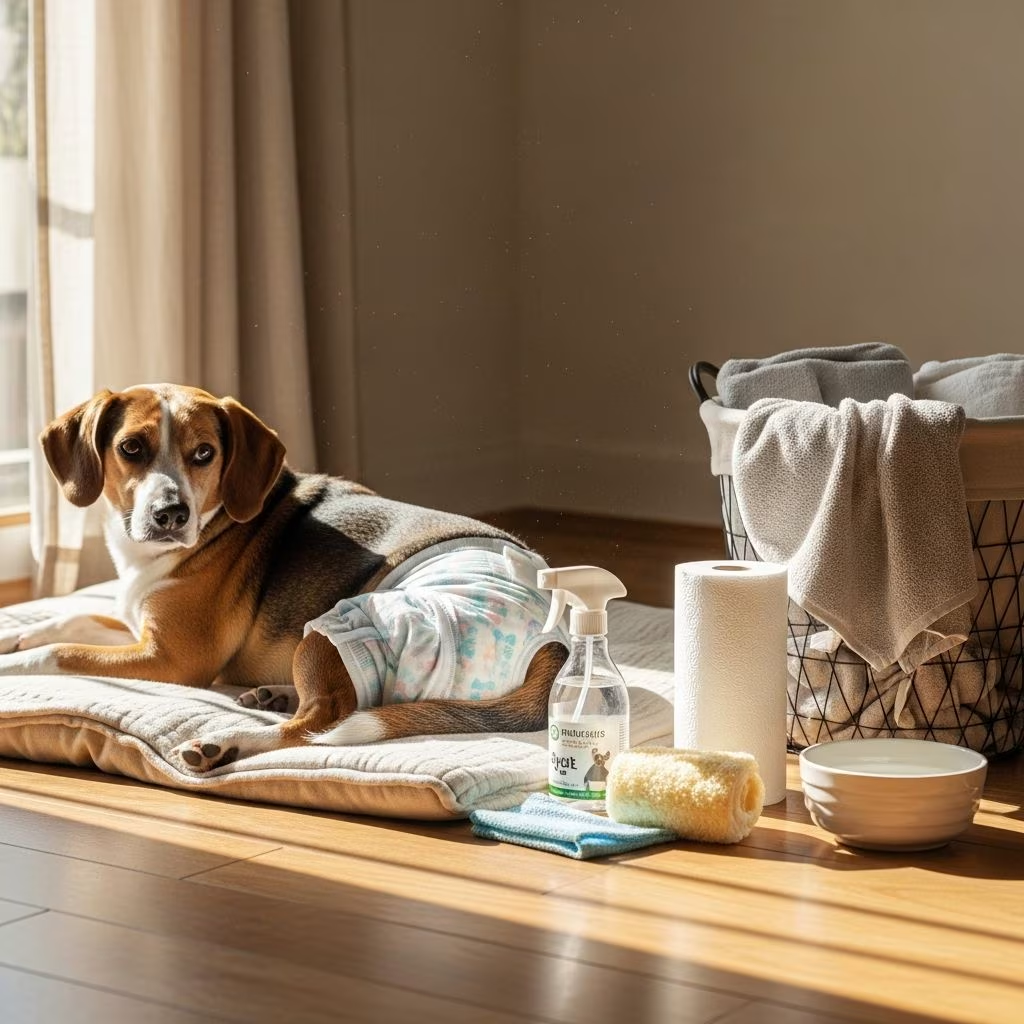
A female dog’s heat cycle, also known as estrus, brings physiological changes that often lead to bloody discharge, increased licking, and heightened scent attraction. These factors can turn your home into a cleaning challenge. Understanding the cycle—typically lasting 2-4 weeks every 6-12 months—helps pet owners prepare. Proestrus starts with swelling and bleeding, followed by estrus when she’s fertile, then diestrus and anestrus. Proactive steps minimize messes and support her well-being.
Understanding the Messes Involved
During the first 7-10 days of proestrus, expect moderate to heavy vaginal bleeding that mats fur and stains surfaces. Discharge may drip on floors, furniture, or bedding, creating persistent odors if not addressed promptly. Your dog might scoot or lick excessively, spreading residue. Male dogs detect pheromones from afar, prompting unwanted visits or behaviors. Without intervention, these issues compound, leading to bacterial growth and health risks for her.
Essential Hygiene Practices for Your Dog
Regular gentle cleaning prevents irritation and secondary infections. Use a soft cloth or pet-safe wipes dampened with lukewarm water to wipe her vulva 2-3 times daily. Pat dry to avoid moisture buildup. Avoid human products; opt for pH-balanced pet wipes. For long-haired breeds, a sanitary trim shortens fur around the genitals, reducing debris accumulation—use blunt scissors and leave 1/4-inch length to protect skin.
- Gentle wipes: Fragrance-free, unscented options formulated for pets.
- Drying technique: Use absorbent paper towels; never rub.
- Frequency: Morning, after potty breaks, and bedtime.
Protective Gear and Absorbent Solutions
Doggy diapers are reusable or disposable barriers that contain discharge. Select sizes based on girth and length measurements for a snug fit without chafing. Change every 4-6 hours or when soiled. Alternatives include washable belly bands or puppy pads layered under bedding. Custom vinyl pet beds with raised edges and waterproof liners simplify wipe-downs.
| Product Type | Pros | Cons | Best For |
|---|---|---|---|
| Disposable Diapers | Convenient, highly absorbent | Costly over time, landfill waste | Short cycles, travel |
| Reusable Diapers | Eco-friendly, washable | Requires laundry, fit adjustments | Long-term use, budget |
| Puppy Pads | Inexpensive, easy disposal | Less secure for active dogs | Crate lining, backups |
| Vinyl Beds | Durable, fully wipeable | Higher upfront cost | High-traffic areas |
Strategic Confinement and Space Management
Designate a ‘heat zone’ in easy-clean areas like kitchens or laundry rooms with tile or vinyl flooring. Block carpeted zones and upholstered furniture using baby gates. Crate training confines her during absences, but limit to 4-6 hours max with frequent potty breaks. Line crates with multiple towels or pads for quick changes. This setup reduces house-wide contamination.
Immediate Stain Removal Techniques
Act fast on spots: blot (don’t rub) with cold water to prevent setting. Apply pet-safe enzyme cleaners that break down proteins in blood and discharge—these outperform vinegar or baking soda for odors. Test on inconspicuous areas first. For fabrics, pretreat then launder in cold water with enzyme detergent. Hard floors? Mop with diluted enzyme solution and ventilate.
- Step 1: Absorb excess with paper towels.
- Step 2: Spray enzyme cleaner; let sit 10-15 minutes.
- Step 3: Blot and rinse with cold water.
- Step 4: Air dry; repeat if needed.
Daily Cleaning Routines for Bedding and Toys
Wash her bedding, towels, and soft toys daily in hot water with pet-safe detergent. Add white vinegar (1 cup per load) to neutralize odors. Dry thoroughly outdoors if possible. Hard toys like Kongs go in the dishwasher. Rotate items to always have clean backups. Vacuum high-traffic areas twice daily, focusing on baseboards where scents linger.
Surface Protection Methods
Shield furniture with waterproof covers, plastic sheets, or layered towels. Remove or elevate throw pillows. For sofas, use fitted furniture protectors washable at 60°C. In bedrooms, close doors or use pet-proof barriers. These prevent deep stains on irreplaceable items.
Odor Control and Air Freshening
Ventilate by opening windows and using fans. Sprinkle baking soda on carpets before vacuuming (let sit 15 minutes). Enzyme sprays on walls and corners target pheromone sources. Avoid masking sprays; they don’t eliminate root causes. Activated charcoal bags absorb ambient smells passively.
Comfort Measures to Reduce Stress and Mess
Extra attention calms her: more pets, familiar toys, and pheromone diffusers. Increase short, leashed walks during quiet times to manage anxiety-driven accidents. Feed in her zone to avoid roaming. Never scold for messes—it’s biological.
Health Monitoring During Heat
Watch for excessive lethargy, foul discharge, or swelling, signaling pyometra or UTIs. Consult vets for cycles over 4 weeks. Spaying eliminates future heats, reducing cancer risks—discuss post-cycle.
Frequently Asked Questions (FAQs)
How long does a dog’s heat cycle last?
Typically 2-4 weeks, with bleeding heaviest in the first half.
Are dog diapers comfortable for extended wear?
Yes, if properly fitted; check for redness and change frequently.
Can I bathe my dog more during heat?
Limit to once weekly with mild pet shampoo; focus on wipes otherwise.
What if my dog removes her diaper?
Supervise, use onesies over diapers, or try pads.
Does vinegar work on blood stains?
Partially for odors, but enzymes are superior for proteins.
Should I separate her from male dogs?
Absolutely; keep indoors and secure yards.
References
- American Kennel Club: Female Dog Heat Cycles — AKC. 2024-05-15. https://www.akc.org/expert-advice/dog-breeding/female-dogs-heat-cycle/
- Merck Veterinary Manual: Estrous Cycle in Dogs — Merck & Co. 2025-01-10. https://www.merckvetmanual.com/dog-owners/reproductive-disorders-of-dogs/estrous-cycle-in-dogs
- ASPCA: Spaying in Dogs — ASPCA. 2024-11-20. https://www.aspca.org/pet-care/dog-care/spay-your-female-dog
- PetMD: Caring for Dogs in Heat — PetMD (veterinary reviewed). 2025-02-05. https://www.petmd.com/dog/care/caring-dogs-heat
- AVMA: Pyometra Prevention — American Veterinary Medical Association. 2024-08-12. https://www.avma.org/resources-tools/pet-owners/petcare/pyometra-dogs



