

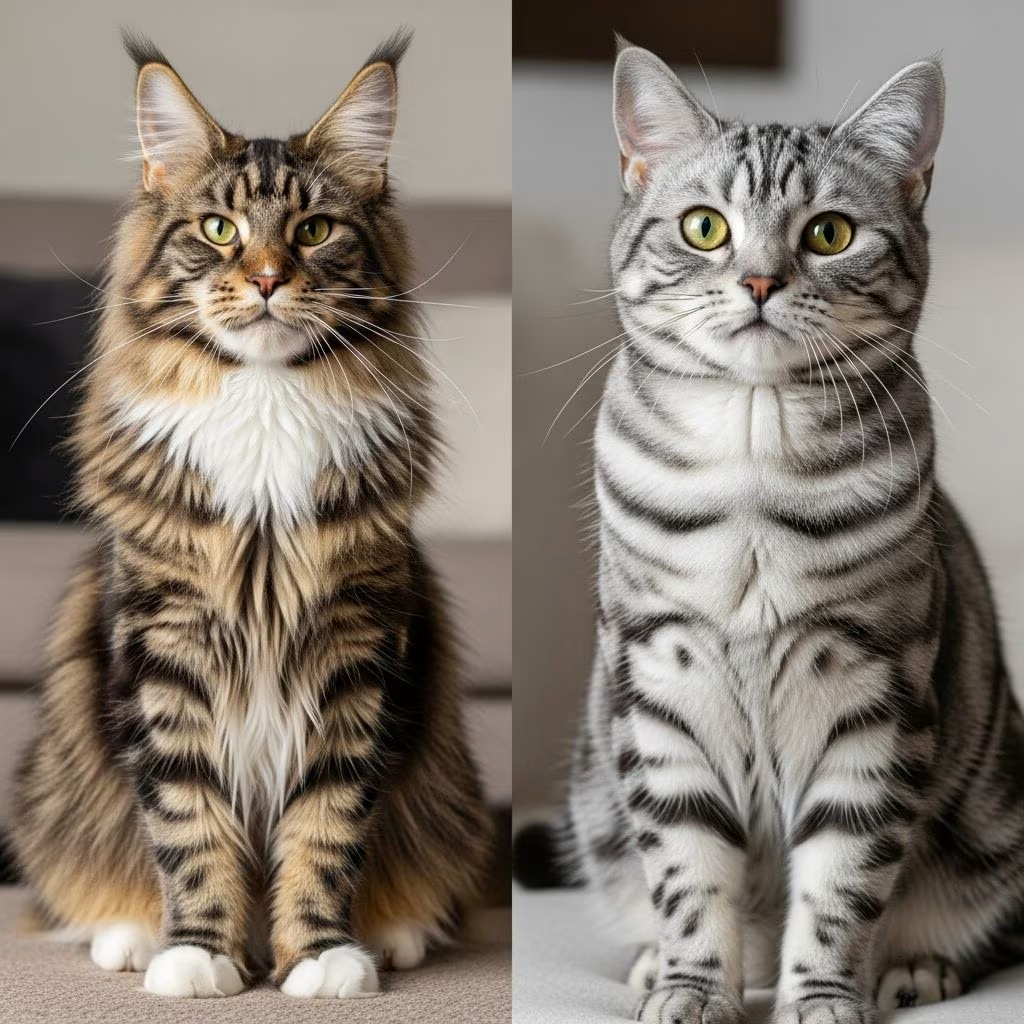
Both the Maine Coon and American Shorthair rank among America’s favorite cat breeds, each offering unique traits that appeal to different lifestyles. The Maine Coon stands out as a massive, sociable giant with a playful spirit, while the American Shorthair brings reliability and independence in a more compact package. This guide breaks down their origins, physical features, behaviors, care requirements, and ideal homes to help you decide which breed fits your family best.
Historical Background and Development
The Maine Coon traces its roots to the rugged state of Maine, where folklore suggests sailors brought long-haired ancestors from Europe or Asia, leading to natural adaptations for harsh winters. Recognized formally in the late 19th century, these cats earned fame for their mousing prowess on farms. Their development emphasized size and resilience, making them one of the oldest natural breeds in North America.
In contrast, the American Shorthair evolved from European shorthairs imported by early settlers for pest control. Initially called Domestic Shorthairs, they gained official breed status in 1966 after selective breeding preserved their sturdy build and varied coat patterns. These cats represent the quintessential working feline, thriving in diverse American environments from farms to urban homes.
Physical Traits and Size Variations
Maine Coons are renowned for their imposing stature, often dubbed the largest domesticated cat breed. Males can weigh 18 to 25 pounds and reach lengths up to 40 inches including the tail, with females slightly smaller at 12 to 15 pounds. They feature tufted ears, bushy tails, and a rectangular body frame covered in a shaggy, water-resistant coat that comes in tabby patterns, solids, and more.
American Shorthairs present a more moderate profile, with males averaging 12 to 15 pounds and females 8 to 12 pounds. Their muscular, stocky bodies, broad heads, and short dense fur create a balanced, athletic look. Available in over 80 color combinations, including classic silver tabbies, they exude a wholesome, approachable appearance.
| Feature | Maine Coon | American Shorthair |
|---|---|---|
| Average Weight (Males) | 18-25 lbs | 12-15 lbs |
| Average Weight (Females) | 12-15 lbs | 8-12 lbs |
| Coat Length | Long, shaggy | Short, dense |
| Height | 8-16 inches | 8-10 inches |
| Common Colors | Tabby, brown, red | Varied (80+ patterns) |
This table highlights how Maine Coons demand more space due to their size, whereas American Shorthairs adapt easily to smaller quarters.
Temperament and Behavioral Profiles
Maine Coons embody a dog-like personality: loyal, interactive, and gentle, especially with children. They chirp, trill, and follow owners around, craving involvement in daily activities. Their playful, kittenish demeanor persists into adulthood, fostering strong bonds in active households.
American Shorthairs offer a calm, easygoing vibe with bursts of energy for hunting play. Independent yet affectionate, they greet owners warmly without clinginess, making them perfect for busy professionals or multi-pet homes. Their sociability shines in social settings, though they need mental stimulation to avoid boredom.
- Maine Coon strengths: Family-friendly, intelligent, adaptable to dogs
- American Shorthair strengths: Low-drama companion, high prey drive, quick learners
Health Considerations and Lifespan Expectations
Both breeds enjoy robust health, but Maine Coons have a lifespan of 12-15 years, sometimes affected by hypertrophic cardiomyopathy (HCM), hip dysplasia, and spinal muscular atrophy. Regular vet checks and genetic screening from reputable breeders mitigate risks.
American Shorthairs often outlive counterparts, averaging 15-20 years. They face potential issues like polycystic kidney disease, urinary problems, and obesity if overfed, but their hardy genetics promote longevity with proper diet and exercise.
Grooming and Daily Maintenance Needs
The Maine Coon’s luxurious semi-long coat requires brushing 2-3 times weekly to prevent mats, especially during shedding seasons. Their ruff and tail demand extra attention, though they tolerate grooming well.
American Shorthairs shine in low-maintenance grooming—a weekly brush suffices to control moderate shedding and distribute oils. Their short fur rarely mats, appealing to novice owners.
Exercise, Training, and Enrichment Strategies
Maine Coons thrive on 1+ hours of daily play, including fetch, puzzle toys, and leash walks. Their curiosity drives problem-solving, responding best to clicker training.
American Shorthairs match this activity level but excel in agility games mimicking hunts. Positive reinforcement yields impressive tricks, with their adaptability suiting interactive feeders and climbing trees.
Ideal Living Environments and Family Fit
Maine Coons flourish in spacious homes with yards or large indoors, ideal for families with kids and dogs due to their patient nature. Apartments work if exercise is provided.
American Shorthairs adapt to any space, from studios to farms, excelling as solo pets or in groups. Their mellow tolerance suits seniors, singles, or allergy-prone owners (less shedding).
Cost Factors and Acquisition Tips
Expect $1,000-$2,500 for a Maine Coon kitten from ethical breeders, plus higher food and grooming costs due to size. American Shorthairs range $800-$1,500, with simpler upkeep.
Adopt from rescues emphasizing health testing. Verify pedigrees, meet parents, and prioritize TICA/CFA registration for quality.
Nutrition and Dietary Recommendations
Maine Coons need high-protein diets supporting growth, portion-controlled to prevent obesity—aim for 300-500 calories daily split into meals. Wet food aids hydration.
American Shorthairs require balanced kibble or wet blends (250-350 calories), with dental treats combating their jaw strength.
Frequently Asked Questions (FAQs)
Which breed is better for apartments?
American Shorthairs adapt better to small spaces due to size and independence, though both need playtime.
Do Maine Coons get along with dogs?
Yes, their dog-like traits make them excellent canine companions when socialized early.
Is the American Shorthair hypoallergenic?
No cat is truly hypoallergenic, but their shorter coat sheds less than Maine Coons.
How do I choose between the two?
Opt for Maine Coon if you want a large, interactive pet; American Shorthair for low-maintenance versatility.
What health tests should breeders provide?
HCM, hip dysplasia, and genetic panels for both breeds.
Final Thoughts on Selecting Your Breed
Whether drawn to the majestic Maine Coon or the steadfast American Shorthair, both promise years of companionship. Assess your space, activity level, and grooming willingness to match the right cat to your life. Visit breeders or shelters to meet them firsthand for the best fit.
References
- Maine Coon vs American Shorthair – Clawmate — Clawmate. 2023. https://clawmate.com/breeds/compare/maine-coon-vs-american-shorthair
- Size comparison American Shorthair and Maine Coon — Pictures of Cats. 2022-11. https://maine-coon.pictures-of-cats.org/2022/11/size-comparison-american-shorthair-and.html
- Maine Coon vs American Shorthair Cats: The Differences — Hepper. 2023. https://articles.hepper.com/maine-coon-vs-american-shorthair-cat/
- Maine Coon vs American Shorthair Cat: What’s the Difference? — Catster. 2024. https://www.catster.com/lifestyle/maine-coon-vs-american-shorthair-cat/
- Maine Coon vs. American Shorthair: A Comparative Guide — Cats Luv Us. 2024-03-29. https://shop.catsluvus.com/2024/03/29/maine-coon-vs-american-shorthair-a-comparative-guide/



