

Maine Coon Size Guide: How Big Do They Get?
Maine Coons are renowned for their impressive stature and commanding presence in any home. Often referred to as the “gentle giants” of the cat world, these magnificent felines are significantly larger than most domestic cat breeds. Understanding their size is essential for potential owners who want to ensure they have adequate space and resources for these substantial companions. Whether you’re considering bringing a Maine Coon into your home or simply curious about the breed, this comprehensive guide will help you understand exactly how big these cats can grow.
Average Maine Coon Weight
One of the most striking characteristics of Maine Coons is their weight, though many people are surprised to learn that they’re not as heavy as their impressive length might suggest. The weight of a Maine Coon varies considerably between males and females, with genetics playing a significant role in determining each individual cat’s final size.
Male Maine Coons typically weigh between 18 and 25 pounds at full maturity, with an average range of 20-25 pounds. Some exceptionally large males can even exceed these figures, though 25 pounds represents a reasonable upper limit for most healthy specimens. This weight, while substantial, is distributed across a long, muscular frame, giving these cats their distinctive appearance.
Female Maine Coons are noticeably smaller than their male counterparts, weighing between 10 and 18 pounds on average, with most females settling at 10-15 pounds at full maturity. Despite being lighter than males, female Maine Coons still significantly outweigh standard domestic cats, which typically range from 8 to 12 pounds.
For context, the average weight of other common domestic cat breeds falls between 6 and 12 pounds, making even a small Maine Coon considerably heavier than most household cats. A healthy weight range for Maine Coons generally falls between 10 and 20 pounds, though individual variation is normal and expected within the breed.
Average Maine Coon Height
The height of Maine Coon cats is one of the most immediately noticeable aspects of their physical appearance. These cats stand noticeably taller than other domestic breeds, though their height difference may be less dramatic than their length suggests.
Maine Coons typically stand between 10 and 16 inches tall at the shoulder, with this measurement being consistent across both males and females, though males tend toward the upper end of this range. Most standard domestic cat breeds reach only about 9 to 10 inches in height, making Maine Coons substantially taller—often coming up to a human’s knee caps or higher.
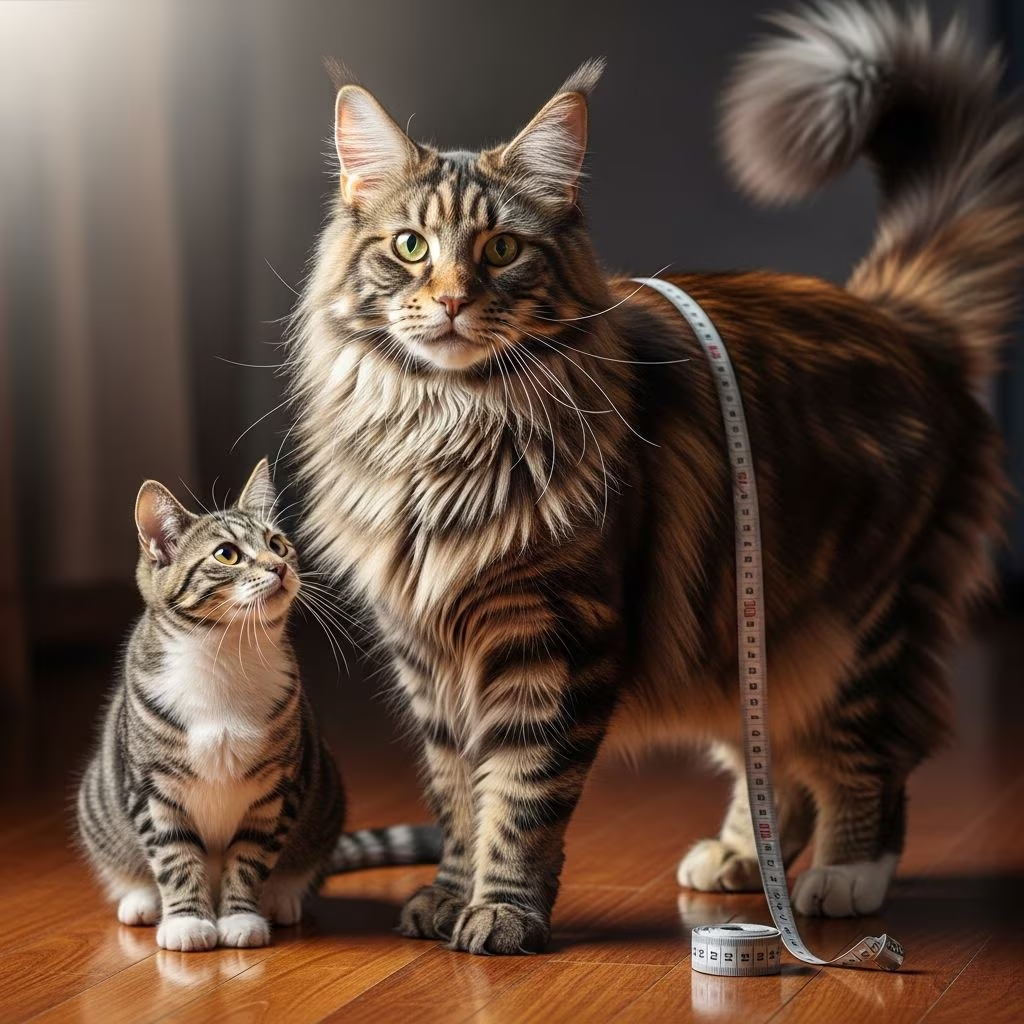
This impressive vertical dimension is one of the primary reasons Maine Coons appear so massive, even if they’re not always the heaviest cats. Their tall, upright stance combined with their long body creates an unmistakable silhouette that immediately distinguishes them from other breeds. When you see a Maine Coon sitting or standing next to a regular cat, the height difference becomes immediately apparent and striking.
Average Maine Coon Length
Perhaps the most remarkable dimension of Maine Coon cats is their length, which consistently earns them recognition as one of the longest cat breeds in the world. This measurement, taken from the tip of the nose to the end of the tail, is where Maine Coons truly demonstrate their “giant” status.
The average adult Maine Coon measures between 18 and 36 inches in total length, with many cats hovering around 30-40 inches when accounting for their substantial tails. To put this in perspective, a typical domestic cat measures only 15 to 20 inches in length, making Maine Coons nearly double the size in this dimension. The longest Maine Coon on record was a cat named “Stewie,” who measured an astounding 48.5 inches from nose to tail tip—nearly 4 feet long.
It’s important to note that much of this impressive length comes from the Maine Coon’s notably long tail, which can measure between 12 and 18 inches independently. Even with this tail length factored in, Maine Coons have significantly longer bodies than other domestic cats. Their long, muscular body combined with their lengthy tail creates the dramatic visual impact that makes these cats so recognizable and celebrated.
Male vs. Female Maine Coon Size Comparison
The sexual dimorphism in Maine Coons is quite pronounced, with males being noticeably larger than females across all physical dimensions. Understanding these differences is important for those deciding between male and female Maine Coons.
| Measurement | Male Maine Coons | Female Maine Coons |
|---|---|---|
| Weight | 18-25 lbs (average 20-25 lbs) | 10-18 lbs (average 10-15 lbs) |
| Height | 10-16 inches (typically upper range) | 10-14 inches (typically lower range) |
| Body Length (nose to tail base) | 19-36 inches | 19-30 inches |
| Tail Length | 12-18 inches | 12-18 inches |
Male Maine Coons are significantly larger in weight and body length, weighing roughly 5-10 pounds more than females on average. This size difference is substantial and should be considered when choosing between sexes. Female Maine Coons, while still considerably larger than standard domestic cats, are more manageable in terms of space requirements and may be better suited for smaller living environments.
Maine Coon vs. Other Cat Breeds Size Comparison
To truly appreciate the size of Maine Coon cats, it’s helpful to compare them with other large domestic cat breeds and standard house cats.
| Breed | Average Male Weight | Average Female Weight | Average Height |
|---|---|---|---|
| Maine Coon | 20-25 lbs | 10-15 lbs | 10-16 inches |
| Norwegian Forest Cat | 13-22 lbs | 9-18 lbs | 9-12 inches |
| Savannah Cat | 12-25 lbs | 10-18 lbs | 11-14 inches |
| Ragdoll | 15-20 lbs | 10-15 lbs | 9-10 inches |
| Standard Domestic Cat | 10-12 lbs | 8-10 lbs | 9-10 inches |
While the Savannah cat (a hybrid breed) can occasionally match or exceed Maine Coon weights, the Maine Coon remains the largest non-hybrid domestic cat breed. Compared to other large breeds like Norwegian Forest Cats and Ragdolls, Maine Coons are consistently larger, particularly in males, which typically outweigh males of these other breeds.
When Do Maine Coons Reach Full Size?
Maine Coons are known for their slow growth rate compared to other cat breeds. Unlike most domestic cats that reach full maturity around one year of age, Maine Coons continue growing until they’re approximately 3 to 5 years old. This extended growth period means that a young Maine Coon kitten will gradually develop into the impressive adult cat they’re destined to become.
During the first year of life, Maine Coon kittens grow relatively rapidly, and by their first birthday, they’ll likely be close to their adult weight. However, they’ll continue to fill out, develop muscle mass, and add to their length during their second, third, and fourth years of life. This means that what you see in a one-year-old Maine Coon isn’t necessarily their final form—they may continue growing for several more years.
Understanding this extended growth timeline is important for new owners who may initially underestimate how large their kitten will ultimately become. It’s not uncommon for owners to be surprised by how much larger their Maine Coon continues to grow even after reaching what they thought was full size.
Factors Affecting Maine Coon Size
Several factors influence how large an individual Maine Coon will grow:
- Genetics: The size of a Maine Coon’s parents is one of the strongest indicators of their ultimate size. Kittens from larger parents are more likely to grow larger themselves.
- Nutrition: A high-quality, balanced diet supports optimal growth and development. Proper nutrition during the growth years is essential for reaching genetic potential.
- Health: Overall health and the absence of chronic illnesses or conditions allow Maine Coons to reach their full genetic size.
- Gender: As discussed, male Maine Coons are substantially larger than females.
- Individual Variation: Like all living creatures, individual variation exists within the breed, with some Maine Coons naturally growing larger or smaller than breed averages.
Space and Care Considerations for Large Maine Coons
The substantial size of Maine Coons has important implications for their living environment and care requirements. These are not cats that can be easily hidden or confined to small spaces. They require generous room to move, stretch, and exercise their long bodies comfortably.
Potential Maine Coon owners should ensure they have adequate vertical space, as these cats enjoy climbing and perching at height. Large cat trees, multiple shelves, and climbing structures are important for their physical and mental well-being. Additionally, furniture should be sturdy and well-anchored, as the weight and activity of Maine Coons can topple unstable pieces.
Food and water bowls should be appropriately sized, and litter boxes may need to be larger than standard models to accommodate their size. Many Maine Coon owners find that extra-large litter boxes, or even modified storage containers, provide more comfortable bathroom facilities.
The long body and substantial weight of Maine Coons also make them prone to certain health issues, including hip dysplasia and heart conditions. Regular veterinary check-ups, appropriate exercise, and a healthy weight are important for maintaining their health and longevity.
Frequently Asked Questions About Maine Coon Size
Q: How much bigger is a Maine Coon than a regular cat?
A: Maine Coons are roughly twice as long as regular cats, typically measuring 30-40 inches compared to 15-20 inches for standard domestic cats. They also weigh significantly more, with males averaging 20-25 pounds versus 8-12 pounds for regular cats, representing a 50-100% weight increase depending on the individual.
Q: Is a Maine Coon bigger than a dog?
A: A large male Maine Coon weighing 25 pounds could be comparable in size to some small dog breeds. However, they are typically not as heavy as medium to large dogs. Their long, lean frame makes them appear larger than their actual weight suggests.
Q: Do Maine Coons stop growing at a certain age?
A: Maine Coons typically continue growing until 3 to 5 years of age, which is considerably longer than most other cat breeds that reach full maturity by one year. They may reach near-adult weight by their first birthday but continue to fill out and develop muscle for several more years.
Q: Can Maine Coons live in apartments?
A: While Maine Coons can technically live in apartments, they require substantial space, vertical territory, and environmental enrichment. Larger apartments with multiple rooms and climbing structures are more suitable for these large, active cats than small studio apartments.
Q: Are male or female Maine Coons better for small spaces?
A: Female Maine Coons, being 5-10 pounds lighter and slightly smaller overall, are generally better suited for smaller living spaces than males. However, even female Maine Coons require considerably more space than standard domestic cats.
Q: What should I feed a Maine Coon to support healthy growth?
A: Maine Coons require high-quality, protein-rich diets formulated for large cat breeds. Consulting with a veterinarian about breed-appropriate nutrition during growth years ensures they develop properly without becoming overweight.
References
- Maine Coon Cat Size: How Big Are They? — Litter-Robot. 2024. https://www.litter-robot.com/blog/how-big-is-a-maine-coon-cat/
- The Truth Behind the Size of a Maine Coon — Aspen Maine Coons. 2024. https://www.aspenmainecoons.com/post/the-truth-behind-the-size-of-a-maine-coon
- Maine Coon Size Chart | Bigger is Not Always Better — Sassy Koonz. 2024. https://sassykoonz.com/maine-coon-size-chart-how-big-will-your-maine-coon-get/
- Maine Coon — Wikipedia. 2025. https://en.wikipedia.org/wiki/Maine_Coon
- Maine Coon Cat — The Cat Fanciers’ Association. 2024. https://cfa.org/breed/maine-coon-cat/



